How to Grow Honeysuckle: A Gardener’s Complete Guide
Honeysuckle is one of the most beloved flowering vines in gardens across North America, prized for its delicate, fragrant blooms and vigorous growth habit. Whether you’re looking to create a living screen along a garden arch, soften hard landscape features, or attract pollinators to your yard, honeysuckle delivers exceptional results with minimal fuss. These versatile plants thrive in various climates and soil conditions, making them an excellent choice for both novice and experienced gardeners seeking reliable performance and natural beauty.
Growing honeysuckle successfully requires understanding a few key fundamentals: selecting the right variety for your climate zone, providing appropriate structural support, and maintaining consistent care during the establishment phase. Once established, most honeysuckle varieties become remarkably self-sufficient, rewarding your initial effort with years of stunning blooms and sweet fragrance. This comprehensive guide walks you through everything you need to know to cultivate thriving honeysuckle plants in your garden.
Understanding Honeysuckle Varieties
Before planting, it’s essential to select honeysuckle varieties suited to your specific growing conditions and garden goals. The most commonly cultivated species include Japanese honeysuckle, trumpet honeysuckle, Hall’s honeysuckle, and woodbine honeysuckle, each offering distinct characteristics regarding hardiness, bloom color, and growth vigor.
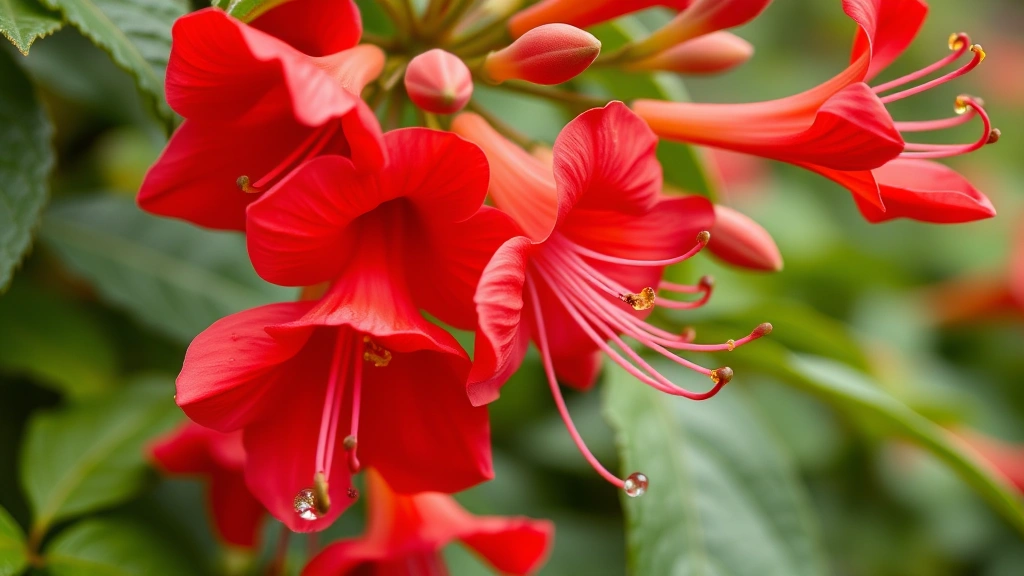
Japanese honeysuckle (Lonicera japonica) thrives in USDA zones 4-11 and produces delightfully fragrant white flowers that transition to yellow as they mature. This variety demonstrates exceptional vigor and cold tolerance, making it a popular choice for northern gardeners. Trumpet honeysuckle (Lonicera sempervirens) displays stunning scarlet-red tubular flowers and tolerates zones 3-9, proving particularly attractive to hummingbirds and other pollinators. Hall’s honeysuckle represents a semi-evergreen option with variegated foliage and fragrant white blooms, performing best in zones 4-10.
When selecting from local nurseries like those found in Houston garden centers, examine plant labels carefully to confirm cold hardiness ratings match your zone. Different cultivars exhibit varying degrees of invasiveness, so research your chosen variety’s behavior in your region before committing to planting. Some gardeners prefer native honeysuckle species, which support local ecosystems more effectively than non-native alternatives.
Choosing the Perfect Planting Location
Honeysuckle success hinges significantly on selecting an appropriate planting location that balances sunlight exposure with environmental protection. Most honeysuckle varieties perform optimally in full sun to partial shade conditions, requiring minimum six hours of direct sunlight daily for vigorous flowering and robust growth.
South-facing exposures prove ideal in northern climates, where additional warmth accelerates growth and promotes abundant blooming. In hotter southern regions, afternoon shade becomes beneficial, protecting tender foliage from scorching heat and reducing water stress during peak summer months. Consider proximity to structures that provide wind protection without creating excessive shade or root competition.
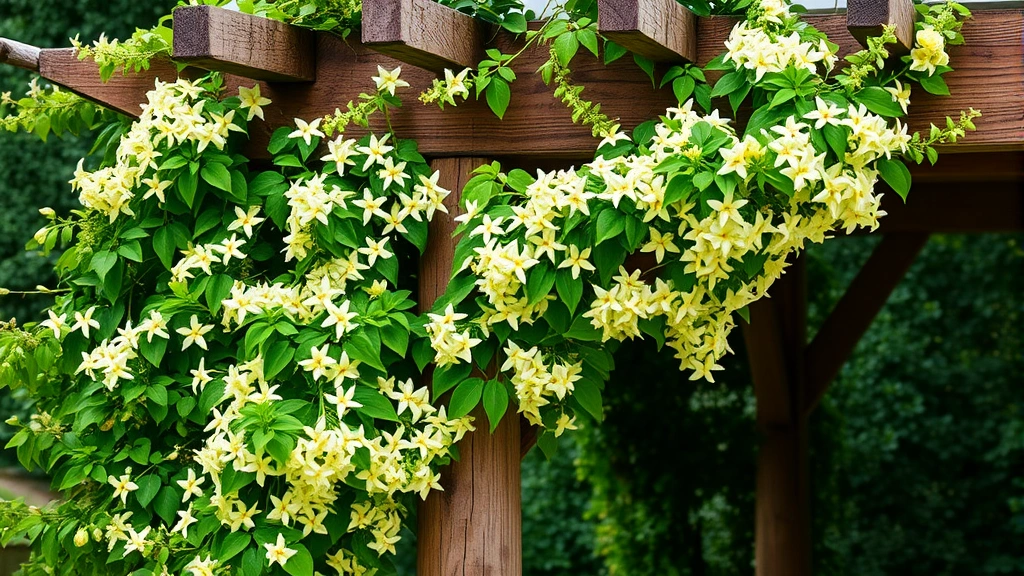
Ensure your chosen location offers adequate space for vertical growth if training honeysuckle along a garden gates or similar structures. Position plants away from heavy foot traffic areas where vigorous vines might obstruct pathways or create maintenance challenges. Proximity to water sources simplifies irrigation management, particularly during establishment phases and drought periods. Avoid planting near underground utilities; contact local utility locating services before digging planting holes.
Soil Preparation and Planting Steps
Honeysuckle demonstrates remarkable adaptability to various soil types, tolerating everything from clay to sandy loam, though well-draining soil enriched with organic matter produces optimal results. Begin soil preparation by testing pH levels; most varieties prefer slightly acidic to neutral conditions ranging from 6.0 to 7.0 pH. Contact your local extension service for soil testing recommendations.
Amend heavy clay soils by incorporating 2-3 inches of aged compost or well-rotted manure into planting beds, improving drainage and creating a more friable root environment. For sandy soils lacking nutrient retention, add similar amounts of organic matter to increase water-holding capacity. Break up compacted soil to a depth of 12-18 inches, removing rocks, roots, and debris that might impede root establishment.
Dig planting holes approximately twice the width of the root ball and equally deep, ensuring the top of the root ball sits level with the surrounding soil surface. Planting too deep restricts oxygen availability to roots and increases disease susceptibility. Position honeysuckle vines near their intended support structure, spacing them 4-6 feet apart to allow mature growth without overcrowding. Backfill holes with amended soil, gently firming around the base while avoiding excessive compaction. Water thoroughly after planting to settle soil and eliminate air pockets surrounding roots.
Watering and Moisture Management
Establishing consistent moisture patterns proves critical during honeysuckle’s first growing season, when developing root systems require reliable water availability. Water deeply and thoroughly after planting, providing at least 1-2 inches weekly through rainfall or supplemental irrigation. Check soil moisture regularly by inserting your finger 2-3 inches into the soil; water when the top inch becomes dry to the touch.
Mulching around the base of honeysuckle plants conserves soil moisture, moderates temperature fluctuations, and suppresses weed competition. Apply 2-3 inches of organic mulch such as shredded bark, wood chips, or aged compost, maintaining a 6-inch clearance from the main stem to prevent moisture-related rot and pest problems. Refresh mulch annually as it decomposes and settles.
Once established (typically after the first growing season), honeysuckle requires less frequent watering except during extended drought periods. Most mature plants rely primarily on natural precipitation in temperate climates. However, container-grown honeysuckle specimens and those in arid regions benefit from supplemental watering during dry spells. Monitor foliage for wilting or yellowing, which indicate moisture stress requiring immediate intervention.
Fertilizing Your Honeysuckle Plants
Honeysuckle plants demonstrate modest nutritional requirements and typically thrive without supplemental feeding in nutrient-rich soils. However, sandy or heavily depleted soils benefit from periodic fertilization to support vigorous growth and abundant flowering. Apply a balanced, slow-release fertilizer formulation such as 10-10-10 or 12-4-8 in early spring as new growth emerges.
Alternatively, incorporate organic fertilizers like fish emulsion or diluted compost tea every 4-6 weeks during the growing season. Avoid high-nitrogen formulations, which promote excessive vegetative growth at the expense of flowering. Over-fertilization can result in lush foliage with diminished bloom production, ultimately reducing the ornamental value of your honeysuckle plantings.
Container-grown honeysuckle requires more frequent fertilization due to nutrient leaching through drainage holes. Feed container specimens monthly during the growing season with diluted liquid fertilizer, reducing applications by half compared to in-ground recommendations. Cease fertilizing in late summer to encourage hardening-off and winter dormancy, preventing tender new growth susceptible to frost damage.
Pruning and Training Techniques
Strategic pruning shapes honeysuckle growth, encourages branching, and maintains plant vigor while preventing overgrowth that may damage supporting structures. Conduct major pruning in late winter or early spring before active growth resumes, removing dead, diseased, or crossing canes that create structural weakness or disease vectors.
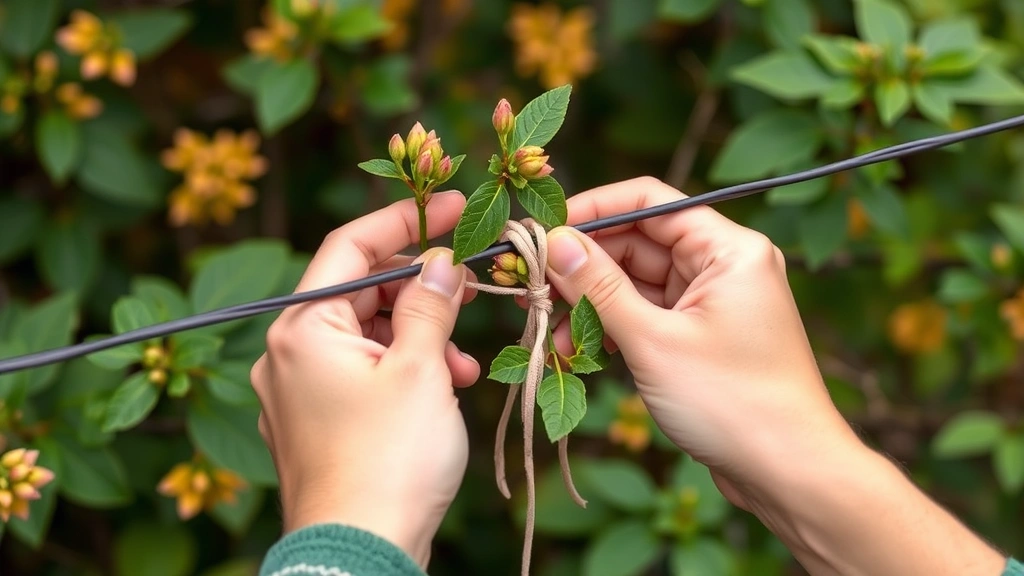
For honeysuckle trained along garden arch frameworks, gently guide young shoots toward desired growth directions using soft ties or plant clips, training them horizontally along support wires or lattice. Horizontal training encourages more profuse flowering compared to vertical growth patterns, as lateral buds develop more abundantly along horizontal canes.
Thin out crowded interior growth to improve air circulation, reducing disease incidence and pest problems. Remove up to one-third of older canes annually, replacing them with vigorous new growth emerging from the base. Cut back overgrown specimens by 50% or more, though this drastic pruning should occur only when absolutely necessary and may suppress flowering for a season. Deadheading spent flowers encourages continued bloom production throughout the growing season.
Establish maintenance pruning as an annual practice, dedicating 30 minutes in late winter to remove weak growth, shape the plant, and prevent tangled masses that become difficult to manage. Wear protective gloves when pruning, as honeysuckle stems sometimes develop thorny characteristics that cause skin irritation.
Managing Pests and Diseases
Honeysuckle generally exhibits strong pest and disease resistance, though certain challenges may emerge under stress conditions or in humid climates. Honeysuckle sawfly larvae occasionally damage foliage, creating characteristic skeltonized appearance where tissue between veins is consumed. Monitor plants regularly and remove affected leaves, or apply insecticidal soap if infestations become severe.
Powdery mildew sometimes affects honeysuckle foliage, particularly in humid conditions with poor air circulation. Improve air movement through selective pruning and thinning. Apply fungicide sprays containing sulfur or neem oil if powdery mildew develops, following product label directions carefully. Avoid overhead watering, which wets foliage and creates favorable conditions for fungal diseases. Water at the soil level instead, directing moisture to root zones while keeping foliage dry.
Honeysuckle leaf beetles occasionally appear, creating small holes in foliage but rarely causing significant damage. Hand-picking beetles or using row covers on young plants provides effective control without chemical intervention. Integrated pest management strategies emphasize cultural practices and biological controls before resorting to chemical pesticides.
Scale insects may establish on honeysuckle stems, appearing as small brown bumps. Spray horticultural oil during dormancy to smother overwintering scales. Spider mites thrive in hot, dusty conditions; increase humidity through regular misting to deter infestations. Contact your local master gardener program for identification assistance if you observe unusual plant damage or pest activity.
Seasonal Care Calendar
Spring: As temperatures warm and growth accelerates, conduct major pruning before budbreak. Apply balanced fertilizer and refresh mulch layers. Monitor for emerging pests and diseases. Begin regular watering if spring rainfall proves insufficient. Train new shoots toward support structures using soft ties.
Summer: Maintain consistent moisture through irrigation during dry periods. Deadhead spent flowers to encourage continued blooming. Monitor foliage for pest damage, disease symptoms, or nutrient deficiencies. Provide afternoon shade in extremely hot climates. Continue training vigorous shoots toward desired growth directions.
Fall: Reduce fertilizer applications in late summer to encourage hardening-off. Continue watering until ground freezes in northern regions. Cease pruning to avoid stimulating tender new growth vulnerable to frost damage. Assess plant health and plan spring improvements. Remove fallen debris around plant bases to prevent disease overwinter.
Winter: In cold climates, provide winter protection for tender varieties using burlap wrapping or evergreen boughs around the base. Dormant season pruning can occur during mild winter days in temperate regions. Monitor for winter damage and wildlife damage. Plan spring planting and training strategies.
When establishing new honeysuckle plantings, cover a raised garden bed with honeysuckle vines for enhanced visual interest and seasonal color. This technique works particularly well for ornamental structures where the climbing habit becomes an asset rather than a management concern. Similarly, pairing honeysuckle with grow a garden firework flower creates dynamic height variation and extended bloom seasons. Honeysuckle’s nectar-rich flowers also attract beneficial garden spider populations that control pest insects naturally.
Frequently Asked Questions
How long does honeysuckle take to establish?
Most honeysuckle varieties require 12-18 months to develop substantial root systems and achieve vigorous growth. During this establishment period, consistent moisture and appropriate care prove essential. After two to three full growing seasons, established plants become increasingly self-sufficient and drought-tolerant.
Can honeysuckle grow in containers?
Yes, honeysuckle thrives in containers provided they receive adequate drainage holes and are at least 12-18 inches in diameter. Use high-quality potting soil amended with compost, and water more frequently than in-ground specimens. Container honeysuckle requires annual fertilization and repotting every 2-3 years to prevent root-binding.
Is honeysuckle invasive in my region?
Certain honeysuckle species, particularly Japanese honeysuckle, exhibit invasive tendencies in some regions where they escape cultivation and spread aggressively through natural areas. Check with your state’s invasive species information center before planting, and consider native alternatives if honeysuckle poses ecological risks in your area.
When do honeysuckle flowers appear?
Bloom timing varies by species and climate. Most honeysuckle varieties flower from late spring through mid-summer, with some extending into fall in mild climates. Trumpet honeysuckle typically blooms slightly later than Japanese varieties, offering extended bloom seasons when multiple varieties are planted together.
How do I propagate honeysuckle?
Honeysuckle propagates readily from softwood cuttings taken in early summer or hardwood cuttings in fall. Select 4-6 inch stem segments with at least two leaf nodes, remove lower leaves, and insert into moist propagation medium. Provide bright indirect light and maintain consistent moisture until roots develop (typically 4-8 weeks). Layering also works effectively; bend flexible stems to contact soil and pin down until rooting occurs.
Why isn’t my honeysuckle flowering?
Insufficient sunlight represents the most common cause of poor honeysuckle flowering. Ensure plants receive minimum six hours of direct sunlight daily. Excessive nitrogen fertilization can suppress flowering in favor of vegetative growth. Young plants may require 2-3 years before reaching flowering maturity. Pruning too heavily in spring may remove flower buds; adjust pruning timing and intensity accordingly.
Can honeysuckle survive freezing winters?
Most commonly cultivated honeysuckle varieties tolerate freezing temperatures effectively, with hardiness ratings ranging from USDA zones 3-11 depending on species. Provide winter mulch protection in the coldest zones, and select cold-hardy varieties appropriate for your region. Japanese honeysuckle and trumpet honeysuckle both demonstrate exceptional cold tolerance compared to tender tropical species.


