Best Plants for Del Mar Climate? Local Advice for Coastal California Gardening
Del Mar’s Mediterranean climate presents a unique gardening opportunity that many newcomers find both exciting and challenging. Located along San Diego County’s picturesque coastline, this affluent community experiences mild winters, warm summers, and the moderating influence of the Pacific Ocean. If you’re staying at the Hilton Garden Inn Del Mar or considering settling in this beautiful region, understanding which plants thrive in this specific microclimate is essential for creating a lush, sustainable garden.
The Del Mar area benefits from consistent coastal breezes, moderate rainfall concentrated in winter months, and protection from extreme temperature fluctuations. These conditions create an ideal environment for Mediterranean-adapted plants, drought-tolerant species, and California natives that have evolved to flourish in this exact setting. Whether you’re a seasoned gardener or just beginning your gardening journey as a beginner, this guide will help you select plants that will thrive with minimal maintenance while adding beauty to your landscape.
Understanding Del Mar’s Growing Climate
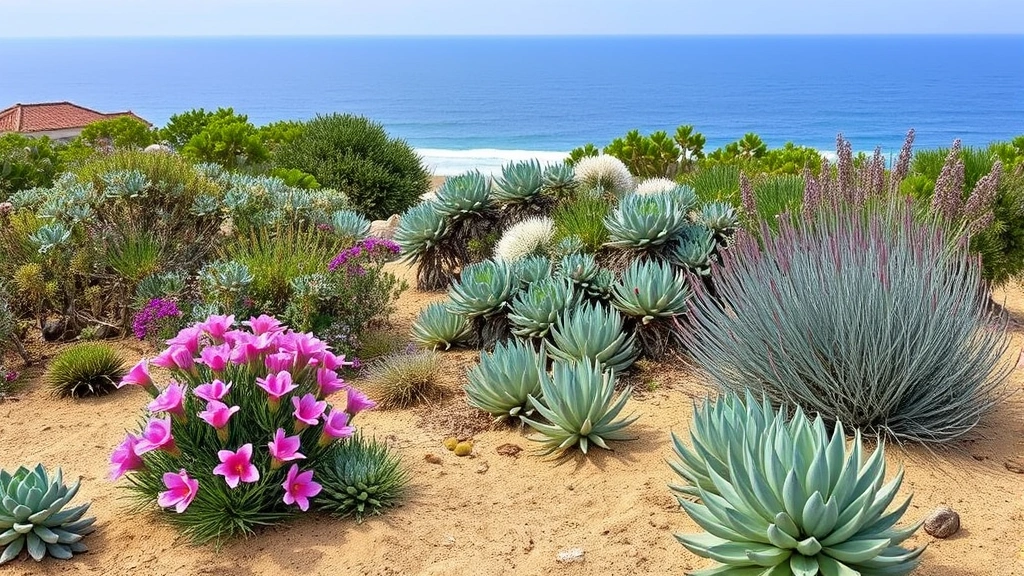
Del Mar occupies USDA Hardiness Zone 10a, with average minimum winter temperatures rarely dropping below 40°F. This means you can grow plants year-round, though spring and fall remain the primary planting seasons. The area receives approximately 10-12 inches of rainfall annually, concentrated between November and March, making summer irrigation essential for most plants.
The coastal influence creates a marine layer that keeps summer temperatures moderate, typically ranging from 70-80°F, while inland areas may reach 90°F. This cooling effect extends the growing season and prevents heat stress on many plants. However, the ocean also brings salt spray and strong afternoon winds, particularly during summer months, which can damage sensitive foliage and require careful plant selection.
Understanding these conditions helps you make informed decisions about which plants will establish themselves quickly and require minimal supplemental care. The key is selecting species naturally adapted to this specific combination of Mediterranean climate, coastal influence, and sandy, often nutrient-poor soil typical of the Del Mar area.
Top Drought-Tolerant Plants for Del Mar
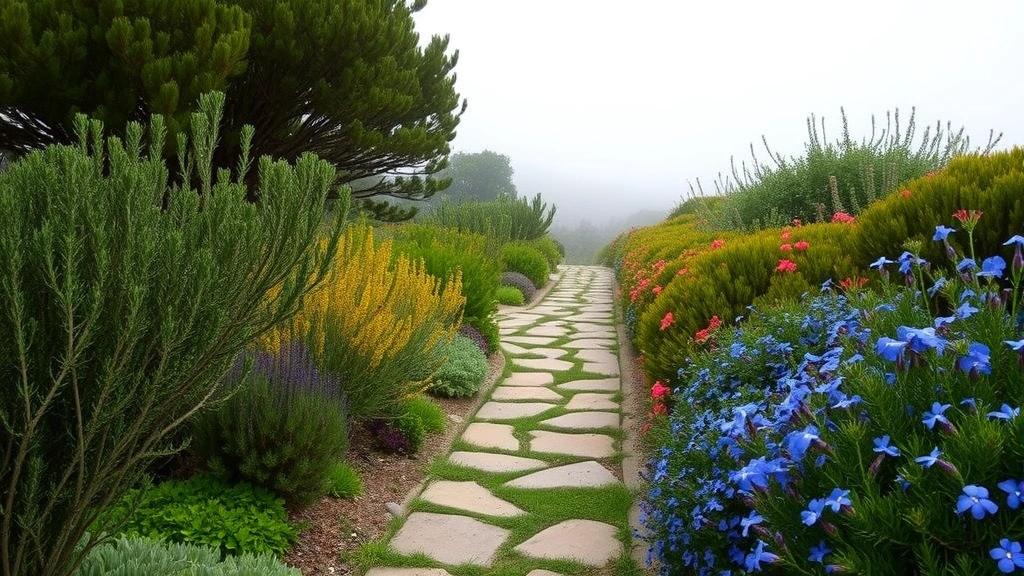
Drought-tolerant plants are essential for Del Mar gardening, particularly as California experiences increasingly variable precipitation patterns. These plants have developed strategies to conserve water through deep root systems, reduced leaf surface area, or succulent tissues that store moisture.
Agave americana (Century Plant) thrives in Del Mar’s warm, dry conditions and serves as a stunning focal point with its massive blue-gray rosette. These plants require excellent drainage and minimal water once established. Equally impressive are various Aloe species, which produce vibrant flower spikes in winter and spring while tolerating extreme drought.
Ceanothus (California lilac) represents a native option that offers dense blue-purple flowers in spring. These nitrogen-fixing plants improve soil quality while requiring virtually no irrigation after establishment. The variety ‘Julia Phelps’ remains particularly popular in Del Mar landscapes.
Lantana brings continuous summer color with minimal water needs. The plants attract butterflies and hummingbirds while tolerating salt spray better than many ornamentals. Varieties like ‘Radiation’ offer stunning orange-red flowers, while ‘Confetti’ provides a softer color palette.
Rosemary (Rosmarinus officinalis) combines utility with beauty, offering fragrant foliage and delicate flowers in purple, pink, or white. These Mediterranean natives thrive in Del Mar’s conditions and provide fresh herbs for culinary use. Upright varieties work well for screening, while prostrate forms cascade beautifully over retaining walls.
Before planting any drought-tolerant species, ensure you’ve properly prepared your garden soil for a thriving garden with appropriate amendments and drainage modifications.
Mediterranean Plants That Thrive Locally
Del Mar’s climate closely mirrors the Mediterranean regions of Southern Europe and North Africa, making Mediterranean plants exceptionally well-suited to local conditions. These plants evolved under similar rainfall patterns, temperature ranges, and soil conditions.
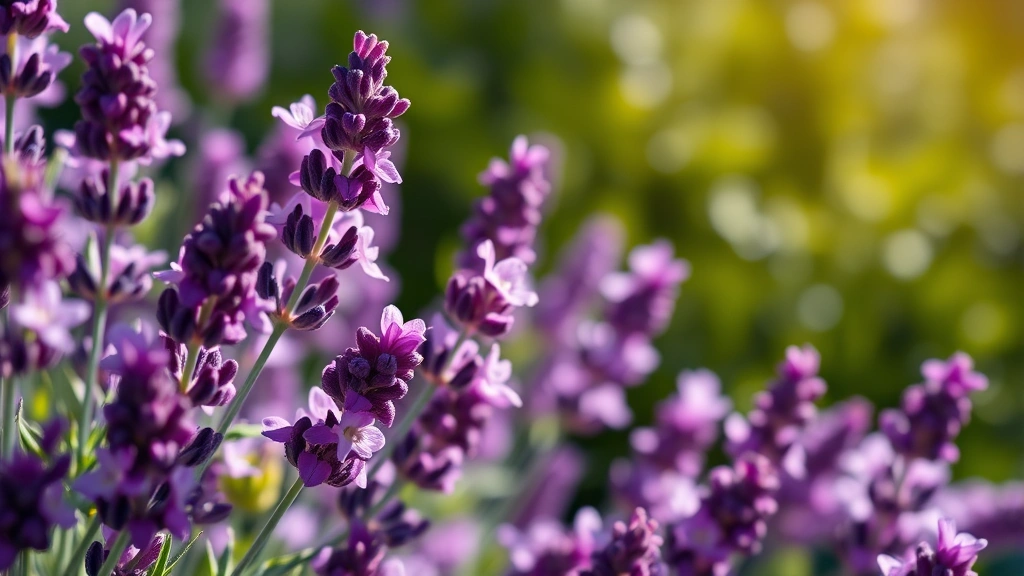
Lavender (Lavandula) represents perhaps the quintessential Mediterranean plant, offering fragrant purple flowers, silvery foliage, and exceptional drought tolerance. Spanish lavender (L. stoechas) blooms prolifically in Del Mar’s climate, while English lavender (L. angustifolia) provides classic beauty. Both attract pollinators and offer dried flowers for household use.
Cistus (Rock rose) produces papery, short-lived flowers in white, pink, or magenta that appear continuously from spring through early summer. These plants tolerate poor soil, salt spray, and coastal winds while requiring virtually no maintenance beyond initial establishment. Their dense foliage provides screening and erosion control on slopes.
Santolina (Cotton lavender) offers fine-textured, aromatic foliage in gray-green or bright green, topped with button-like yellow flowers. These plants work beautifully in herb gardens or as edging plants along pathways. They tolerate salt spray exceptionally well.
Teucrium (Germander) species provide compact growth, attractive flowers, and aromatic foliage. Teucrium fruticans (Tree germander) offers silvery leaves and blue flowers, thriving in Del Mar’s maritime conditions.
Pittosporum (Pittosporum tobira) creates dense evergreen screening with fragrant cream-colored flowers that smell like orange blossoms. This plant tolerates salt spray, wind, and poor soil while remaining relatively low-maintenance.
California Native Plants for Del Mar Gardens
Using California natives represents both an ecological choice and a practical gardening strategy. These plants have evolved specifically for California’s conditions and typically require less water, fertilizer, and pest management than non-native species. Del Mar’s location within San Diego County places it within the range of numerous native species.
Toyon (Heteromeles arbutifolia) produces clusters of white flowers in spring, followed by brilliant red berries that persist through winter. Native birds depend on these berries, and the plant tolerates Del Mar’s coastal conditions beautifully.
Manzanita (Arctostaphylos species) offers year-round interest with smooth, exfoliating bark, small bell-shaped flowers, and attractive berries. Species like A. glandulosa thrive in Del Mar’s climate while requiring minimal water once established.
California buckwheat (Eriogonum fasciculatum) produces delicate white or pink flowers that attract butterflies and native bees. This plant’s fine texture and extended bloom period make it valuable in pollinator gardens.
Sage species, including Black sage (Salvia mellifera) and White sage (Salvia apiana), thrive in Del Mar conditions. These aromatic plants produce beautiful flowers, tolerate drought, and provide habitat for wildlife.
Chamise (Adenostoma fasciculatum) creates dense screening with fine-textured foliage and striking white flower clusters. Though often overlooked in ornamental gardens, this native deserves greater recognition for its salt tolerance and low-maintenance characteristics.
To maximize success with native plants, consult resources from the San Diego County native plant guidelines and the California Native Plant Society.
Preparing Your Soil for Success
Del Mar’s naturally sandy soil presents both challenges and opportunities. While sandy soil drains excellently and prevents root rot, it doesn’t retain nutrients or moisture effectively. Success requires proper soil preparation before planting.
Begin by testing your soil’s pH and nutrient content. Del Mar soils typically range from neutral to slightly alkaline (pH 7.0-8.0), which suits Mediterranean and native plants well. The primary concern involves improving organic matter content and nutrient availability.
Amend planting areas with 2-3 inches of high-quality compost, working it into the top 8-12 inches of existing soil. This improves water retention, nutrient availability, and soil structure without compromising drainage. Avoid peat moss, which can repel water when dry and doesn’t suit California’s conditions.
Create proper drainage for any plants requiring well-draining conditions. While most Del Mar soils drain adequately, heavy clay pockets occasionally occur. Build raised beds or mound soil around plants in these areas.
Mulch appropriately after planting. Apply 2-3 inches of wood chips around drought-tolerant and native plants, keeping mulch several inches away from plant stems. Mulch moderates soil temperature, conserves moisture during dry periods, and gradually decomposes to improve soil structure. For more detailed guidance, review our complete guide to preparing garden soil for a thriving garden.
Avoid fertilizing excessively. Most Mediterranean and native plants evolved in nutrient-poor soil and respond poorly to rich fertilizers, developing soft growth susceptible to pests and diseases. Apply slow-release fertilizer sparingly, if at all.
Seasonal Planting Guide for Del Mar
Fall (September-November): This represents the optimal planting season in Del Mar. Cooling temperatures and increasing rainfall support root establishment before winter dormancy. Plant drought-tolerant perennials, native shrubs, and Mediterranean species during this period. The mild winter rains provide natural irrigation, reducing establishment watering needs.
Spring (February-April): The second-best planting season offers warming temperatures and occasional rain. Spring planting works well for tender plants that might struggle through winter, though you’ll need to provide more frequent irrigation during establishment.
Summer (May-August): Avoid major planting during summer. If you must plant, provide consistent irrigation and afternoon shade protection. Focus instead on maintaining existing plants and harvesting herbs.
Winter (December-January): Cold snaps occasionally occur, though temperatures rarely drop below freezing for extended periods. Avoid planting tender species, but use this season to remove damaged plants and plan spring additions.
Consider propagating plants from cuttings during late summer and fall, timing root development with winter moisture availability.
Managing Coastal Conditions and Salt Spray
Del Mar’s coastal location creates unique challenges, particularly salt spray that can damage foliage and accumulate in soil. Properties within one mile of the coast experience the most severe salt spray impact, though effects extend further inland.
Select salt-tolerant species for coastal-facing areas. Lantana, Cistus, Santolina, Rosemary, and Pittosporum all tolerate salt spray exceptionally well. Avoid tender-leaved plants like Japanese maple or soft-foliaged herbs in exposed locations.
Rinse foliage periodically with fresh water to remove salt accumulation. This simple practice extends plant life and maintains appearance, particularly for plants in exposed positions.
Manage wind exposure through strategic plant placement and windbreaks. Tall, dense plants like Pittosporum or Ceanothus can protect more tender specimens. Stagger plantings to create buffering layers rather than single-plant barriers.
Flush soil occasionally in areas experiencing heavy salt spray. Deep watering during winter rains helps move accumulated salts deeper into the soil profile, reducing root zone damage.
Improve drainage in coastal areas, as salt accumulation increases in poorly draining soils. Sandy soils naturally drain well, but amending with compost improves the buffer capacity against salt damage.
Consider establishing an herb garden planter in a more protected location if you want tender culinary herbs, as this allows you to move containers during harsh salt spray events.
For comprehensive information on coastal gardening challenges, consult the University of California Agriculture and Natural Resources and the San Diego Seed Company for locally-appropriate species recommendations.
FAQ
What’s the best time to plant in Del Mar?
Fall (September through November) offers the optimal planting window. Cooling temperatures, increasing rainfall, and mild winter conditions support root establishment. Spring planting also works well but requires more supplemental irrigation during the dry season.
How much water do drought-tolerant plants need in Del Mar?
Once established (typically 6-12 months), most drought-tolerant plants require minimal supplemental water in Del Mar. During the rainy season (November-March), natural rainfall usually suffices. In summer, provide occasional deep watering during extended dry periods, but avoid frequent shallow watering that encourages weak root systems.
Can I grow tropical plants in Del Mar?
Some tender tropical plants may survive mild winters, but they’re not ideal choices. Occasional frost events can damage or kill tender specimens. Focus on Mediterranean and drought-tolerant plants instead, which thrive consistently in Del Mar’s climate.
How do I deal with salt spray damage?
Select salt-tolerant species for exposed coastal areas, rinse foliage with fresh water periodically, create windbreaks using dense shrubs, and ensure good soil drainage. Avoid tender-leaved plants in spray-exposed locations.
Should I fertilize plants in Del Mar?
Most Mediterranean and native plants evolved in nutrient-poor soil and don’t require regular fertilization. Apply slow-release fertilizer sparingly, if at all. Over-fertilizing encourages soft growth susceptible to pests and diseases while reducing drought tolerance.
What’s the best mulch for Del Mar gardens?
Use 2-3 inches of wood chips around plants, keeping mulch several inches away from stems. Avoid bark mulch, which can repel water. Mulch moderates soil temperature, conserves moisture, and gradually improves soil structure as it decomposes.
Are California native plants low-maintenance?
Yes, California natives evolved specifically for local conditions and typically require less water, fertilizer, and pest management than non-native species. Once established, most natives thrive with minimal intervention while supporting local wildlife and pollinators.