Grow a Garden: Pro Gardener’s Step-by-Step Guide
Starting a garden transforms your outdoor space into a productive oasis, whether you’re cultivating vegetables, flowers, or ornamental plants like the stunning ostrich fern. Growing a garden doesn’t require extensive experience—it requires understanding fundamental principles, selecting appropriate plants for your climate, and committing to consistent care. This comprehensive guide walks you through every stage of garden creation, from initial planning through harvest, ensuring success regardless of your experience level.
The journey to gardening tips for beginners begins with honest assessment of your space, available time, and gardening goals. Whether you dream of growing vegetables, establishing a pollinator haven, or cultivating shade-loving plants, the foundational steps remain consistent. Professional gardeners understand that preparation prevents poor performance—your success depends largely on decisions made before the first seed enters soil.
Assess Your Growing Space
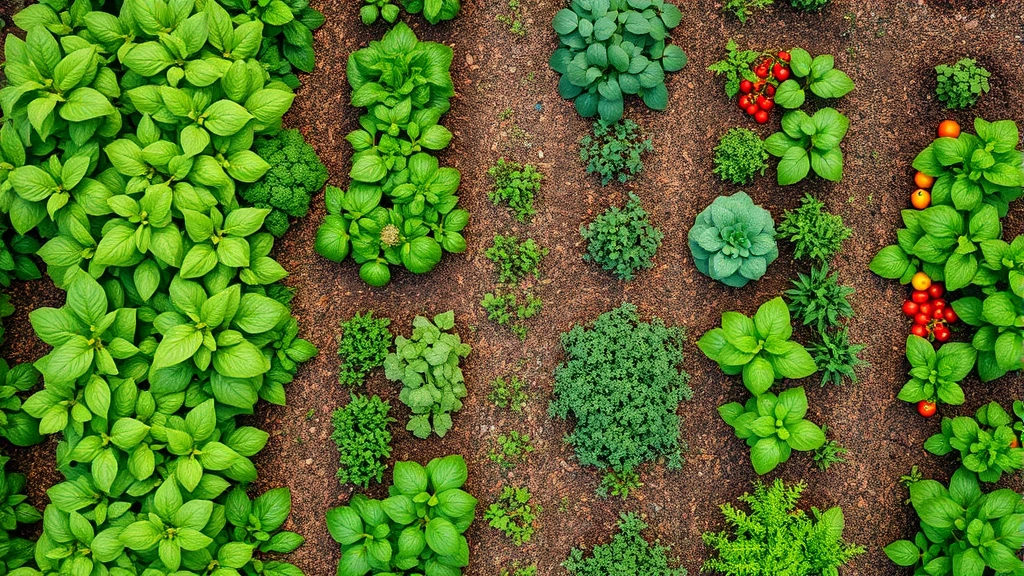
Before purchasing a single plant, evaluate your available space systematically. Successful gardeners recognize that location determines nearly everything—sunlight exposure, water availability, wind protection, and soil quality all depend on where you choose to garden. Walk your property at different times throughout the day, noting which areas receive full sun (six to eight hours), partial shade (three to six hours), or full shade (under three hours). This simple observation prevents costly mistakes like planting sun-loving tomatoes in shaded corners.
Measure your available space accurately. Are you working with a sprawling suburban yard, a compact urban balcony, or something between? Space constraints inform every subsequent decision—from garden bed dimensions to plant selection. A small courtyard might accommodate container gardening perfectly, while a large property allows for diverse growing zones. Consider proximity to water sources, pathways for access, and views from your home. Professional landscapers emphasize that accessible gardens receive more attention and produce better results.
Evaluate your soil’s current condition by observing drainage, texture, and existing vegetation. Does water pool after rain or drain immediately? Is the soil compacted clay or loose and crumbly? What plants currently thrive in the area? These observations provide baseline information before you invest in soil amendments. Test your soil’s pH and nutrient levels through your local extension service—this inexpensive step prevents years of guessing.
Prepare Your Soil Foundation
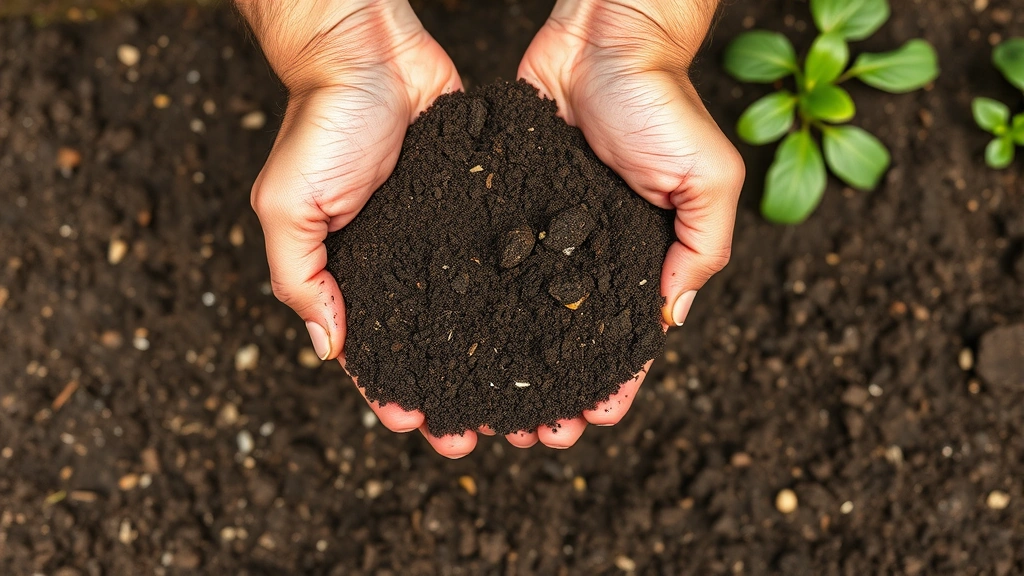
Exceptional gardens begin with exceptional soil. The soil preparation process deserves significant attention because healthy soil produces healthy plants. Soil consists of mineral particles, organic matter, water, air, and living organisms—all working together to support plant growth. Rather than fighting your existing soil type, amend it strategically to create ideal growing conditions.
Start by removing existing vegetation, weeds, and debris from your garden bed. If you’re converting lawn to garden, remove the sod or kill it with cardboard layering. Loosen compacted soil using a garden fork or tiller, working to a depth of eight to twelve inches. This process aerates the soil, improves drainage, and allows roots to penetrate deeply. Add three to four inches of compost or well-aged manure, then work it into the existing soil thoroughly.
Compost serves as gardener’s gold—it improves soil structure, increases water retention in sandy soils, improves drainage in clay soils, and provides slow-release nutrients. If you don’t have homemade compost, purchase quality commercial compost from reputable suppliers. Avoid cheap, fine-textured products that compact easily. Good compost feels crumbly and smells earthy, with no foul odors indicating incomplete decomposition.
Test your soil pH, as most vegetables and ornamentals prefer slightly acidic to neutral soil (6.0-7.0 pH). Acidic soils (below 6.0) benefit from lime additions, while alkaline soils (above 7.5) improve with sulfur or acidifying amendments. Your local university extension service provides affordable soil testing that includes pH, nutrient levels, and specific amendment recommendations for your region.
Choose Your Plants Wisely
Plant selection determines your garden’s success more than any other factor. Professional gardeners prioritize plants suited to their specific climate zone, rather than fighting nature with unsuitable selections. The USDA Plant Hardiness Zone Map provides your zone based on average minimum winter temperatures—use this as your foundational reference.
Beyond hardiness zones, consider your plants’ specific requirements: sun exposure, water needs, mature size, and bloom time. Create a planting plan on paper before purchasing anything. This simple step prevents impulse purchases and ensures thoughtful garden design. Group plants with similar water and light needs together—this principle, called hydrozoning, dramatically reduces maintenance while improving plant health.
For vegetable gardens, select varieties suited to your growing season length. Short-season gardeners need early-maturing varieties, while long-season regions can grow everything from spring crops through fall harvests. The Farmer’s Almanac frost date calculator helps determine your last spring frost and first fall frost—critical dates for timing plantings.
Consider growing garden vegetables you actually eat, rather than popular varieties you’ll ignore. A small bed of favorite crops produces more satisfaction than extensive beds of unloved plants. Start with easy, reliable growers: tomatoes, lettuce, zucchini, herbs, and beans build confidence before tackling finicky crops.
Native plants deserve consideration for ornamental gardening. Native plant gardening supports local ecosystems, requires less maintenance, and uses minimal water once established. Visit your local botanical garden or native plant society to discover regionally appropriate options.
Plant with Precision
Proper planting technique prevents stunted growth, disease, and plant death. Whether starting from seeds or transplants, understand that the planting moment establishes your plant’s foundation.
For transplants, harden them off by gradually exposing them to outdoor conditions over seven to ten days. This acclimates them to direct sun, wind, and temperature fluctuations, preventing transplant shock. Dig planting holes slightly larger than the root ball, position plants at the same depth they grew in containers (not deeper, which risks rot), and water thoroughly after planting.
For seeds, follow packet instructions regarding depth, spacing, and timing. Generally, plant seeds at depths equal to two to three times their diameter. Tiny seeds like petunias scatter on soil surface, while large seeds like beans get planted one to two inches deep. Keep soil consistently moist until germination occurs, then adjust watering to match the developing plant’s needs.
Space plants appropriately for mature size, resisting the temptation to crowd them. Crowded plants compete for light, water, and nutrients, resulting in weak growth and disease susceptibility. Professional gardeners accept the temporary sparseness of newly planted gardens, knowing that mature plants will fill the space.
Establish Watering Systems
Inconsistent watering causes more garden failures than any other factor. Rather than guessing, develop a systematic approach based on plant needs and environmental conditions.
Water deeply but less frequently, encouraging deep root growth that supports drought tolerance. Shallow, frequent watering creates weak, shallow root systems dependent on constant moisture. Most established plants need one to two inches of water weekly, including rainfall. Use a rain gauge to track precipitation—if nature provides insufficient water, supplement with irrigation.
Water early morning when possible, allowing foliage to dry quickly and reducing disease risk. Evening watering leaves leaves wet overnight, promoting fungal diseases. Avoid midday watering when heat causes excessive evaporation before water penetrates soil.
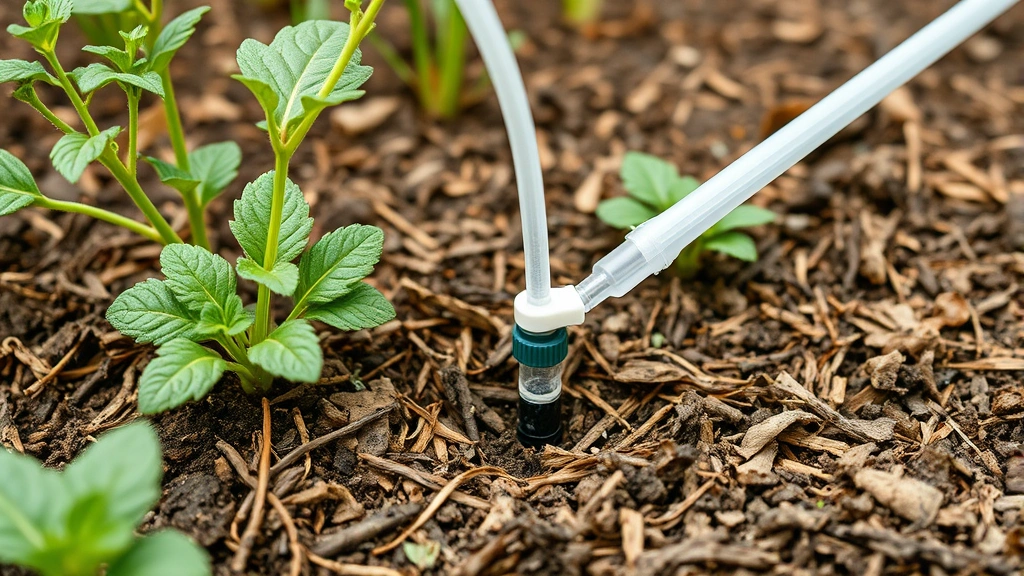
Drip irrigation and soaker hoses deliver water directly to soil, minimizing evaporation and foliar disease. These systems prove particularly valuable during hot weather and for moisture-loving plants. Mulching around plants conserves soil moisture, moderates soil temperature, and suppresses weeds—apply two to three inches of organic mulch, keeping it away from plant stems to prevent rot.
Manage Weeds and Pests
Weeds compete with your plants for water, nutrients, and light. Rather than allowing weeds to establish, remove them regularly when small and easy to extract. Hand-pulling works effectively in small gardens, while hoeing suits larger areas. Mulching prevents many weed seeds from germinating, reducing overall weed pressure significantly.
Pest management begins with observation. Scout your garden regularly, identifying problems early when they’re easiest to address. Many insects are beneficial—ladybugs, lacewings, and parasitic wasps control pest populations naturally. Reserve pesticide use for serious infestations, and prefer organic options that minimize environmental impact.
Encourage beneficial insects by planting flowering plants that attract them. Herbs like cilantro, dill, and fennel attract parasitic wasps that control aphids and caterpillars. Native flowering plants support pollinators essential for fruit and seed production. A diverse garden ecosystem self-regulates pest populations more effectively than monocultures.
Feed Your Plants
Well-prepared soil provides initial nutrition, but established plants benefit from supplemental feeding throughout the growing season. Understand that nitrogen promotes leafy growth, phosphorus supports root development and flowering, and potassium strengthens overall plant health.
Organic fertilizers like compost, aged manure, and plant-based products release nutrients slowly, feeding soil biology while nourishing plants. These options build soil health over time. Commercial organic fertilizers labeled for vegetables or ornamentals provide balanced nutrition in convenient forms.
Synthetic fertilizers provide quick nutrient boosts but don’t build soil structure or feed beneficial organisms. Use these judiciously for severe deficiencies. Side-dress plants monthly with compost rather than relying on frequent synthetic applications—this approach proves more sustainable and produces healthier long-term results.
Seasonal Garden Care
Successful gardeners adjust their practices seasonally, responding to changing conditions and plant needs. Spring demands attention to soil preparation, planting, and pest monitoring. Summer requires vigilant watering, weeding, and harvesting. Fall focuses on extending the season, collecting seeds, and preparing for dormancy. Winter offers planning time and soil-building opportunities through cover cropping and compost application.
Spring planning begins indoors with seed catalogs and garden sketches. Start seeds indoors six to eight weeks before your last frost date, then harden off before transplanting outdoors. Direct-seed cool-season crops like lettuce and peas as soon as soil is workable.
Summer maintenance intensifies. Water deeply during dry periods, harvest vegetables at peak ripeness to encourage continued production, and deadhead flowers to promote blooming. Monitor for pests and diseases actively, addressing problems before they escalate.
Fall planting extends your harvest significantly. Many regions enjoy productive fall gardens with cool-season crops like broccoli, spinach, and kale. Plant these eight to ten weeks before your first fall frost date. Fall also offers ideal planting opportunities for spring-blooming bulbs and bare-root trees.
Winter provides rest and planning time. Review the past season’s successes and challenges, sketch improvements for next year, and add organic matter to garden beds for spring incorporation. In mild climates, winter gardening remains productive with cool-season crops.
FAQ
What’s the best time to start a garden?
Spring offers ideal conditions for most gardeners, though your specific timing depends on your climate zone and frost dates. Fall provides excellent planting opportunities in many regions. Ultimately, the best time is whenever you’re ready to commit to the project—gardening teaches through experience, and starting imperfectly beats never starting.
How much space do I need to grow a productive garden?
Even small spaces produce substantial harvests. A four-by-eight-foot bed generates significant vegetables for a family. Container gardening works beautifully on balconies and patios. Start small and expand as you gain confidence and experience.
Can I garden in poor soil?
Yes, through amendment. Add compost and organic matter to improve any soil type. Raised beds filled with quality soil offer another solution for poor soil situations. Container gardening provides complete control over growing medium.
How often should I water my garden?
Most established plants need one to two inches weekly. Adjust based on rainfall, temperature, and soil type. Sandy soils dry faster than clay soils. Water deeply but less frequently rather than shallow daily watering.
What should I grow as a beginner?
Easy crops include tomatoes, lettuce, zucchini, green beans, herbs, and carrots. These tolerate minor mistakes while producing rewarding harvests. Avoid finicky crops until you’ve gained experience and confidence.
How do I prevent common garden pests?
Healthy plants resist pests better than stressed plants. Proper spacing, adequate water, appropriate fertilization, and regular scouting prevent most problems. Encourage beneficial insects through diverse plantings, and use organic pest management methods when necessary.


