The Garden Tomb in Jerusalem stands as one of the most spiritually significant and archaeologically fascinating sites in the Middle East. Located just outside the Damascus Gate in the Old City, this serene garden sanctuary offers visitors a contemplative space that contrasts sharply with the bustling streets of Jerusalem’s ancient quarters. Whether you’re a history enthusiast, archaeology student, or spiritual pilgrim, understanding how to navigate and maximize your visit to this remarkable location requires practical preparation and insider knowledge.
This comprehensive guide provides essential travel tips, seasonal considerations, and practical advice for experiencing the Garden Tomb authentically. From optimal visiting times to what to bring and how to best appreciate the site’s horticultural and historical significance, we’ll cover everything you need for a meaningful visit to Jerusalem’s most peaceful archaeological destination.
Understanding the Garden Tomb’s Historical Significance
Before visiting any archaeological site, understanding its historical context enriches your experience exponentially. The Garden Tomb, also known as the Garden of the Tomb, represents a significant alternative Christian tradition regarding the burial place of Jesus Christ. Unlike the Church of the Holy Sepulchre, which claims to house both Golgotha and the burial site, the Garden Tomb offers a more garden-like setting that many visitors find spiritually moving and archaeologically intriguing.
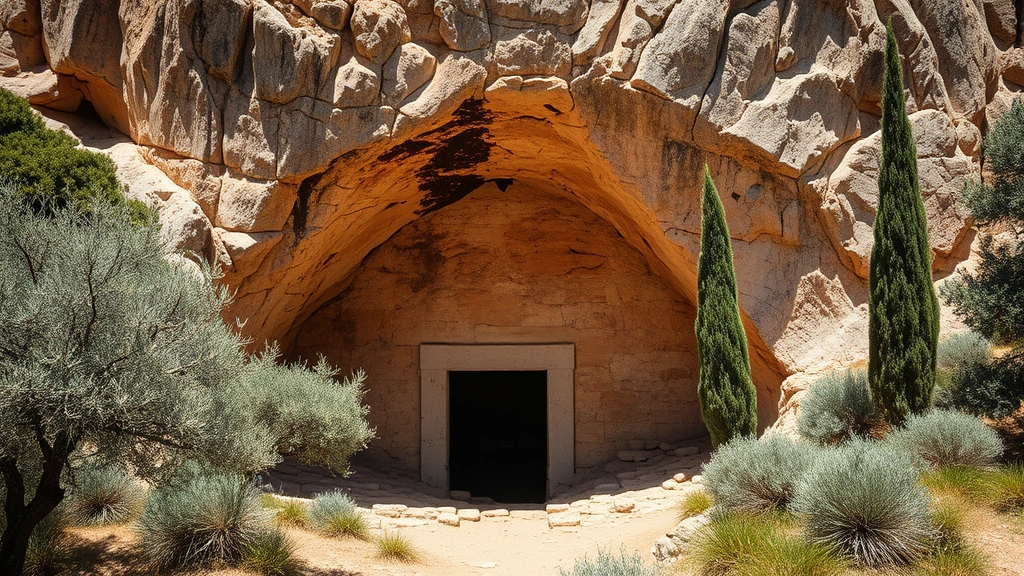
The site was identified in 1883 by British General Charles Gordon, who noticed the garden’s proximity to a rocky escarpment resembling a skull (Golgotha means “place of the skull” in Aramaic). Archaeological excavations have revealed evidence of a first-century Jewish burial cave, complete with a rolling stone mechanism typical of wealthy families during the Second Temple period. The tomb itself contains a burial bench carved into the rock, consistent with Jewish burial practices of the era.
The Garden Tomb operates as a non-denominational Christian site managed by the Garden Tomb (Jerusalem) Ltd., a British charitable organization. This independent status distinguishes it from the heavily trafficked Church of the Holy Sepulchre and creates a distinctly different visitor experience. Understanding this context helps you appreciate why many visitors describe the Garden Tomb as offering a more intimate, contemplative atmosphere than other Jerusalem holy sites.
[IMAGE_1]
Best Times to Visit
Seasonal considerations significantly impact your Garden Tomb experience. Jerusalem’s Mediterranean climate means scorching summers (often exceeding 32°C/90°F) and mild winters, but the Garden Tomb’s shaded pathways and mature trees provide natural cooling year-round. However, specific seasons offer distinct advantages and challenges.
Spring (March-May) represents the optimal visiting season. Temperatures range from comfortable 15-22°C (59-72°F), and the gardens burst with spring blooms. Easter season brings increased crowds but also special significance for Christian pilgrims. The flowers in bloom create spectacular photo opportunities and contribute to the garden’s horticultural appeal. April particularly showcases vibrant wildflowers and cultivated spring bulbs.
Fall (September-November) offers another excellent window, with temperatures cooling from summer’s intensity to pleasant 18-25°C (64-77°F). September and early October still carry summer heat, but by late October, the weather becomes ideal. Fewer tourists visit during fall, allowing more peaceful exploration of the gardens and cave.
Summer (June-August) presents challenges. Temperatures regularly exceed 30°C (86°F), and midday heat becomes oppressive. However, early morning visits (opening time until 10 AM) allow comfortable exploration before peak heat. Summer brings reduced crowds compared to spring and Christmas seasons. Bring substantial water supplies and plan shorter visits during these months.
Winter (December-February) offers mild daytime temperatures (8-15°C/46-59°F) but occasional rain. The site remains accessible during rain, though pathways become slippery. Winter crowds surge during Christmas season (December 20-January 5) but diminish significantly afterward. January through February provides peaceful visiting with pleasant weather, making this underrated season excellent for contemplative visits.
Avoid visiting during Friday afternoon through Saturday, when Jewish Sabbath observance affects local transportation and some services. Similarly, Muslim Friday prayers (midday-early afternoon) may impact nearby areas, though not the Garden Tomb itself. Christian holidays, particularly Easter (dates vary annually between March 22 and April 25) and Christmas, bring maximum crowds.
Getting There and Practical Access Information
The Garden Tomb’s location just outside the Damascus Gate makes it accessible but requires navigating Jerusalem’s Old City terrain. If arriving via Ben Gurion Airport (Tel Aviv), budget 45-60 minutes for travel to central Jerusalem, then additional time reaching the Old City.
Public Transportation: Jerusalem’s light rail system connects Ben Gurion Airport to downtown Jerusalem. From the Central Bus Station or downtown areas, local buses serve the Old City. Bus routes 1, 2, 3, and several others pass near Herod’s Gate and Damascus Gate. Request the driver to confirm the correct stop. The journey costs approximately 5.90 Israeli Shekels (roughly $1.60 USD). However, bus navigation requires familiarity with Hebrew signage and route numbers.
Taxis and Ride-Sharing: Taxis are readily available throughout Jerusalem. Agree on fares beforehand or ensure the meter operates. Ride-sharing apps (Gett, Uber) function in Jerusalem and provide transparent pricing. From downtown Jerusalem to the Garden Tomb costs approximately 25-40 shekels ($7-11 USD) depending on traffic and exact departure point.
Walking Routes: If staying in the Old City or nearby, walking is feasible. From Jaffa Gate, the walk takes 20-25 minutes through the Old City’s Christian Quarter. From Damascus Gate, it’s a 5-10 minute walk outside the walls to the site entrance. Wear comfortable walking footwear suitable for uneven ancient stone paths.
Parking: Limited parking exists near the site. If driving, the Garden Tomb maintains a small parking area, though spaces fill quickly during peak hours. Nearby streets offer metered parking. Public parking lots exist within a 10-15 minute walk.
Hours and Admission: The Garden Tomb operates 8:30 AM to 12:00 PM and 1:00 PM to 5:00 PM Monday through Saturday (closed Sundays and Christian holidays). Admission costs approximately 15 shekels ($4 USD) for adults, with discounts for children and groups. Allow 1-2 hours for a thorough visit. Early morning visits offer cooler temperatures and fewer crowds.
What to Bring and Wear
Proper preparation ensures comfort and respect at this sacred archaeological site. Dress code matters at the Garden Tomb more than at many tourist attractions. As a Christian holy site, modest clothing is essential. Women should wear clothing covering shoulders, knees, and midriff. Men should avoid sleeveless shirts. Lightweight, breathable fabrics work best given Jerusalem’s Mediterranean climate.
Footwear: Wear comfortable walking shoes suitable for uneven terrain. The gardens contain gravel paths, stone steps, and the cave entrance requires careful navigation. Avoid flip-flops or sandals without ankle support. Closed-toe shoes provide better traction and protection.
Sun Protection: Even in cooler seasons, Jerusalem’s high elevation (800 meters/2,600 feet) and clear skies create intense sun exposure. Bring sunscreen (SPF 30+), a wide-brimmed hat, and sunglasses. The gardens provide shade from mature trees, but the rocky escarpment and cave areas offer limited shelter.
Water and Hydration: Bring at least 500ml of water, more during warm months. While the site has limited refreshment facilities, carrying water ensures adequate hydration during your visit. The spiritual contemplative nature of the site discourages rushing, so plan for leisurely exploration requiring sustained hydration.
Photography Equipment: Bring a camera or ensure your phone has adequate battery. The gardens provide excellent photography opportunities, especially during spring bloom seasons. A small notebook allows journaling reflections, which many visitors find meaningful at this contemplative location.
Additional Items: Bring a light jacket or cardigan for temperature changes, particularly in winter or if visiting early morning. A small backpack carries essentials comfortably. Avoid large bags, as they’re cumbersome on narrow pathways and may be restricted during peak security periods.
Navigating the Site Itself
Understanding the Garden Tomb’s layout maximizes your visit. The site encompasses approximately 1,000 square meters of gardens, pathways, and archaeological features. Upon entry, you’ll receive a visitor map and may encounter volunteer guides offering free or donation-based tours.
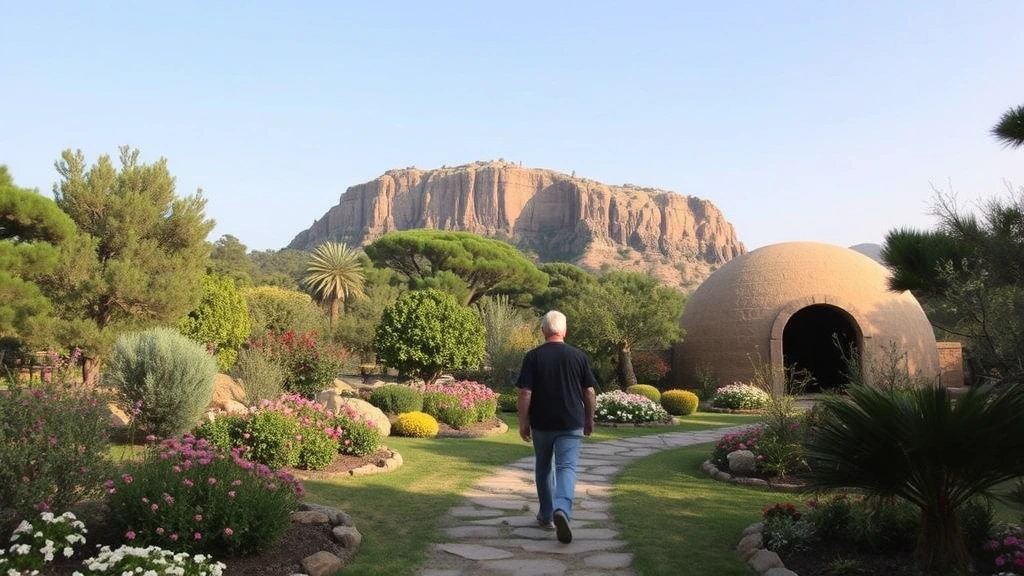
The Garden Areas: The primary garden features Mediterranean plants, including olive trees, cypress, and flowering shrubs. These cultivated spaces reflect both horticultural beauty and historical accuracy, as similar plants would have existed during the Second Temple period. The gardens provide peaceful walking paths with interpretive signage explaining the site’s history and archaeology.
The Escarpment and Golgotha: A significant feature of the Garden Tomb experience is viewing the rocky escarpment north of the site. From certain vantage points, the rock formation’s natural features create a skull-like appearance, supporting the identification as Golgotha. Interpretive stations explain the geological and archaeological significance.
The Tomb Chamber: The actual burial cave, carved from limestone, remains the site’s archaeological centerpiece. Access involves descending several stone steps into a cool chamber. The tomb contains the characteristic burial bench, or loculus, where bodies were placed according to Jewish burial customs. Photography is permitted in most areas, though some visitors prefer respectful silence within the tomb chamber itself.
The Visitor Center: A modest center provides information, refreshments, and interpretive materials. The center contains archaeological artifacts and detailed explanations of the site’s history. Staff members can answer questions and provide context for various features.
Plan your route to move from the gardens through the escarpment viewing areas, then to the tomb chamber. This progression creates a logical narrative flow. Allow 45 minutes for casual exploration, 90 minutes for detailed study, or 2+ hours if attending a guided tour or participating in a prayer service.
The Gardens and Horticultural Features
The Garden Tomb’s horticultural elements significantly enhance its appeal and historical authenticity. The gardens were deliberately designed to reflect first-century Judean landscape features while providing modern visitors with peaceful natural spaces. Understanding the botanical elements enriches your appreciation of the site.
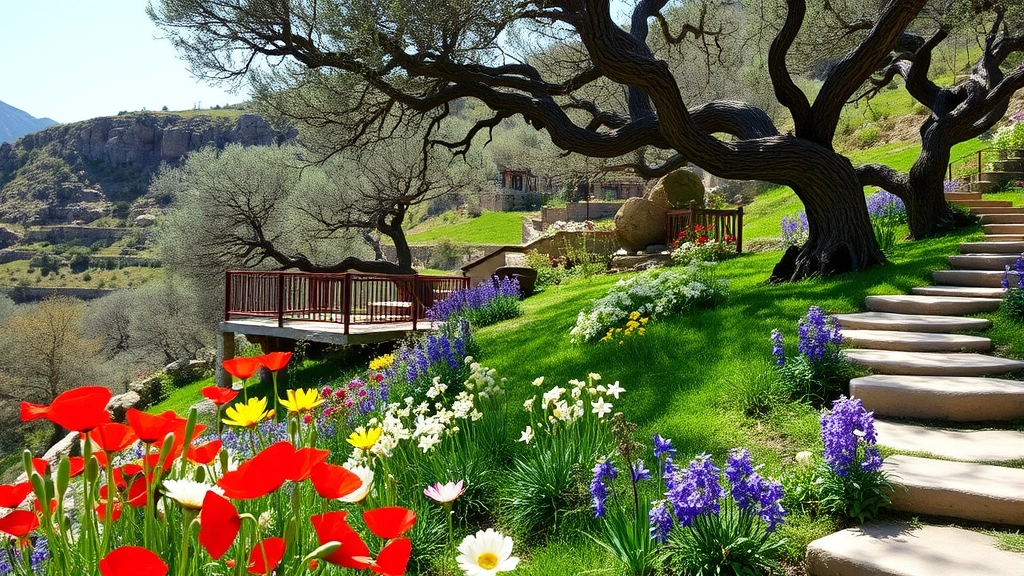
Mediterranean Flora: The gardens prominently feature plants native to the Eastern Mediterranean region. Ancient olive trees, some reportedly centuries old, provide shade and historical continuity. Cypress trees, with their distinctive vertical growth form, create visual structure typical of Levantine gardens. These trees would have surrounded similar gardens during the Second Temple period, making their presence archaeologically appropriate.
Seasonal Flowers: Spring brings spectacular blooms. Wildflowers including anemones, poppies, and hyacinths carpet the garden floors. Cultivated flowering shrubs, including roses, add cultivated beauty. If you enjoy growing plants in specific conditions, you’ll appreciate how the Garden Tomb’s Mediterranean climate creates ideal conditions for these species.
Botanical Conservation: The Garden Tomb organization actively maintains the gardens as both historical recreation and living botanical space. Pathways wind through planted areas, allowing intimate plant observation. Interpretive signage identifies species and explains their historical and contemporary significance. This approach balances archaeological authenticity with modern horticultural practice.
Garden Design: The gardens employ traditional Mediterranean design principles. Terraced plantings maximize the sloped terrain. Stone walls and pathways reflect historical construction methods. Water features, including fountains, provide cooling and acoustic benefits typical of ancient Levantine gardens. The overall effect creates a historically plausible recreation of first-century garden aesthetics.
For gardeners and plant enthusiasts, the Garden Tomb demonstrates how Mediterranean climate plants create beautiful, low-maintenance landscapes. The site functions as an open-air botanical museum, showcasing species that thrive in similar climates worldwide. If you’re interested in garden design principles, the site offers practical inspiration.
Photography and Respectful Visiting
The Garden Tomb welcomes photography for personal use, but respectful conduct remains essential. This is a sacred site for millions of Christians worldwide, and your behavior should reflect appropriate reverence.
Photography Guidelines: Most areas permit photography without flash. Flash photography is discouraged in the tomb chamber, both for respectful reasons and to preserve the archaeological features and visitors’ contemplative experience. Photograph the gardens, escarpment, and exterior features freely. Many visitors find the gardens particularly photogenic during spring bloom.
Respectful Conduct: Maintain quiet voices within the gardens and tomb chamber. Many visitors come for prayer or meditation; loud conversations disturb this atmosphere. Remove hats when entering the tomb chamber as a sign of respect. If you encounter prayer services or religious observances, observe silently from appropriate distances.
Interaction with Others: The site attracts visitors from diverse religious backgrounds and nationalities. Respectful interaction with fellow visitors enhances the communal experience. Volunteer guides often speak multiple languages and welcome questions about archaeology and history.
Spiritual Practices: The site accommodates various Christian denominations and welcomes prayer, meditation, and reflection. Many visitors spend significant time in quiet contemplation. If you’re not participating in religious activities, be mindful of those who are.
Children and Groups: Families with children visit regularly. Children should be supervised on uneven pathways and near the tomb chamber stairs. Groups should arrange visits in advance and consider hiring guides to enhance the educational experience.
Nearby Attractions and Extended Itineraries
The Garden Tomb’s location near major Old City attractions enables efficient multi-site itineraries. Planning a broader Jerusalem experience maximizes your visit.
Church of the Holy Sepulchre: Located approximately 15 minutes’ walk through the Old City, this major pilgrimage site claims to house both Golgotha and the resurrection site. The contrasting experience—crowded, ornate, and intensely atmospheric—provides context for the Garden Tomb’s more serene alternative. Many visitors explore both sites to form comprehensive understanding of competing historical and theological claims.
Damascus Gate and Old City Exploration: The Damascus Gate, Jerusalem’s most impressive entrance, lies adjacent to the Garden Tomb. The gate itself merits exploration, and the surrounding Old City offers markets, additional churches, mosques, and archaeological sites. Budget 2-3 hours for Old City wandering.
Rockefeller Museum: Located south of the Old City, this museum houses significant archaeological artifacts from the region, including materials relevant to understanding Second Temple period burial practices and material culture. The museum provides scholarly context for Garden Tomb archaeology.
Israel Museum: West Jerusalem’s premier museum contains extensive archaeological collections, Dead Sea Scrolls, and art. A day-long visit deepens understanding of ancient Judea and the historical period when the Garden Tomb was in use.
Mount of Olives: East of the Old City, this significant Christian site offers panoramic Jerusalem views and additional biblical sites. A 20-minute walk from the Garden Tomb leads to the Mount’s base.
Suggested Itineraries: For a focused visit: Garden Tomb (1.5 hours) → Damascus Gate exploration (30 minutes) → Old City wandering (2 hours). For comprehensive experience: Garden Tomb (2 hours with tour) → Church of the Holy Sepulchre (1.5 hours) → Lunch in Old City (1 hour) → Mount of Olives (2 hours) → Rockefeller Museum (1.5 hours).
Consider visiting the Garden Tomb early in your Jerusalem trip to establish context for other sites, or save it for later reflection after exploring busier attractions. Many visitors find the Garden Tomb’s contemplative nature provides meaningful closure to pilgrimage itineraries.
FAQ
Is the Garden Tomb the actual burial site of Jesus?
The Garden Tomb represents one Christian tradition regarding the burial site. The Church of the Holy Sepulchre represents another. Scholars and theologians debate which location is historically accurate. Both sites offer meaningful spiritual experiences regardless of archaeological certainty. The Garden Tomb’s identification rests on geographical features (proximity to skull-shaped rock) and first-century tomb characteristics rather than definitive historical documentation.
How long should I plan to spend at the Garden Tomb?
Most visitors spend 45 minutes to 2 hours at the site. Quick visits allow 30-45 minutes for garden exploration and tomb viewing. Leisurely visits with prayer or meditation extend to 2+ hours. Guided tours typically last 60-90 minutes. Plan according to your interests and spiritual intentions.
Is the Garden Tomb appropriate for children?
Yes, but with considerations. The site’s peaceful nature suits families, though young children may find the tomb chamber intimidating. Older children (8+) typically enjoy the archaeological and historical elements. The gardens provide pleasant walking spaces. Ensure children can navigate stone steps safely. Quiet behavior expectations may challenge very young children.
Can I bring food or picnic at the Garden Tomb?
The site doesn’t prohibit food, though eating within sacred areas is discouraged. Small snacks are acceptable in garden areas, but full picnicking isn’t encouraged. The visitor center provides limited refreshments. Plan meals before or after your visit at Old City restaurants.
What’s the best time of day to visit?
Early morning (8:30-10:00 AM) offers cooler temperatures, better lighting for photography, and fewer crowds. This timing is ideal for contemplative visits. Late afternoon (3:00-4:30 PM) also provides good lighting and reduced crowds. Avoid midday (11:00 AM-2:00 PM) during warm months due to heat.
Do I need a guide?
Guides aren’t required but enhance understanding significantly. Volunteer guides provide free or donation-based tours. Pre-arranged professional guides offer deeper expertise. Self-guided visits work well for those preferring independent exploration. Visitor materials and signage provide basic information.
Is photography allowed inside the tomb?
Yes, but flash photography is discouraged to preserve the space and respect visitors’ contemplative experience. The tomb’s interior is naturally lit and photogenic without flash. Exterior and garden photography is unrestricted.
What’s the dress code?
Modest clothing is expected. Cover shoulders, knees, and midriff. This is a sacred Christian site, and respectful dress reflects appropriate reverence. Comfortable walking shoes are essential for uneven terrain.
Can I attend religious services at the Garden Tomb?
Yes. Various Christian denominations hold services, particularly during Holy Week and Christmas. Check the Garden Tomb website for scheduled services. Some are open to public participation; others are denominational. Respectful observation is always appropriate.
Is the site wheelchair accessible?
Partial accessibility exists. Garden pathways are generally navigable, though some areas have gravel surfaces and uneven terrain. The tomb chamber requires descending steps, limiting wheelchair access to that feature. Contact the site in advance if you have specific accessibility needs.