Efficient Garden Watering? Pro Tips Inside
Watering your garden might seem like a straightforward task, but the difference between haphazard watering and a strategic approach can transform your plants’ health, reduce water waste, and lower your utility bills significantly. Whether you’re managing a sprawling vegetable patch, maintaining ornamental beds, or nurturing a succulent garden, understanding the fundamentals of efficient watering systems is essential for success. Many gardeners unknowingly waste thousands of gallons annually by using outdated or improper watering techniques.
Modern garden systems watering has evolved far beyond the traditional sprinkler or hand-held hose method. Today’s gardeners have access to sophisticated technologies and time-tested strategies that deliver water precisely where plants need it most, minimizing evaporation and runoff. This comprehensive guide reveals professional techniques that will revolutionize how you approach garden hydration, whether you’re a weekend warrior or a dedicated horticulturist.
Understanding Your Garden’s Water Needs
Every garden is unique, and water requirements vary dramatically based on plant type, soil composition, climate, and seasonal conditions. Before implementing any watering system, you must first assess what your specific plants actually need. Vegetable gardens like lettuce gardens and pea gardens typically require consistent moisture, especially during germination and fruiting stages. However, established perennials and native plants often need far less supplemental water once their root systems develop.
The general rule suggests most gardens need approximately one to two inches of water per week, but this varies considerably. Sandy soils drain quickly and may need more frequent watering, while clay soils retain moisture longer and may suffer from overwatering. To determine your garden’s actual water needs, perform a simple soil moisture test by inserting your finger two inches into the soil. If it feels dry at that depth, watering is needed. If it feels moist, wait another day or two before watering.
Understanding evapotranspiration rates in your region is equally important. This term refers to the combination of water evaporating from soil and water transpiring through plant leaves. During hot, windy, or low-humidity periods, evapotranspiration increases significantly, meaning your garden loses water faster and requires more frequent irrigation.
Drip Irrigation Systems: The Gold Standard
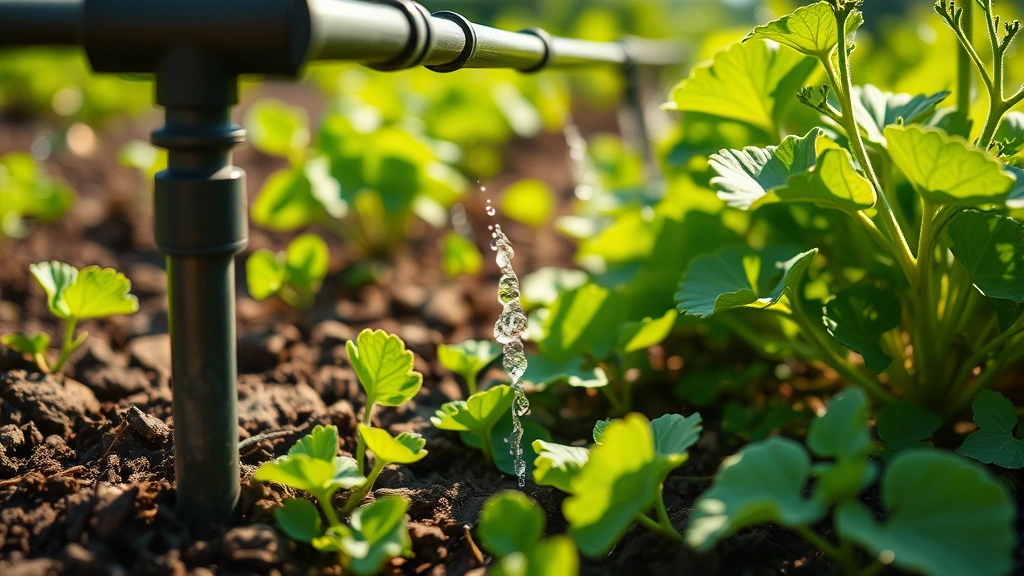
Professional gardeners and landscapers consistently recommend drip irrigation as the most efficient watering method available. Unlike overhead sprinklers that lose water to evaporation and wind drift, drip systems deliver water directly to plant roots through a network of tubes and emitters. This targeted approach can reduce water consumption by 50% compared to traditional sprinkler systems while delivering superior results.
Drip irrigation systems come in various configurations suited to different garden layouts. Soaker tubing with built-in emitters works beautifully for vegetable rows, flower beds, and shrub plantings. For more complex gardens, you can customize the system with adjustable emitters that allow different water volumes for different plants. A tomato plant might receive one gallon daily, while a nearby herbs section receives only half that amount.
Installing a drip system requires minimal tools and expertise. Begin by laying out main supply lines from your water source, then run lateral lines along planting areas. Secure everything with landscape stakes or clips to prevent shifting. Most systems connect to your existing spigot with a simple timer attachment, allowing you to automate watering schedules. For those concerned about system maintenance, a quality garden hose repair kit handles any unexpected issues.
The investment in a drip irrigation system typically pays for itself within a single season through water savings alone. Modern systems are durable, lasting 5-10 years with minimal maintenance, and they’re increasingly affordable as demand grows.
Soaker Hoses and Micro-Sprinklers
For gardeners seeking a middle ground between hand-watering and full drip systems, soaker hoses provide excellent efficiency at minimal cost. These specialized hoses feature tiny perforations along their entire length, allowing water to seep slowly directly into the soil. Soaker hoses work particularly well for succulent gardens where careful water control prevents rot issues.
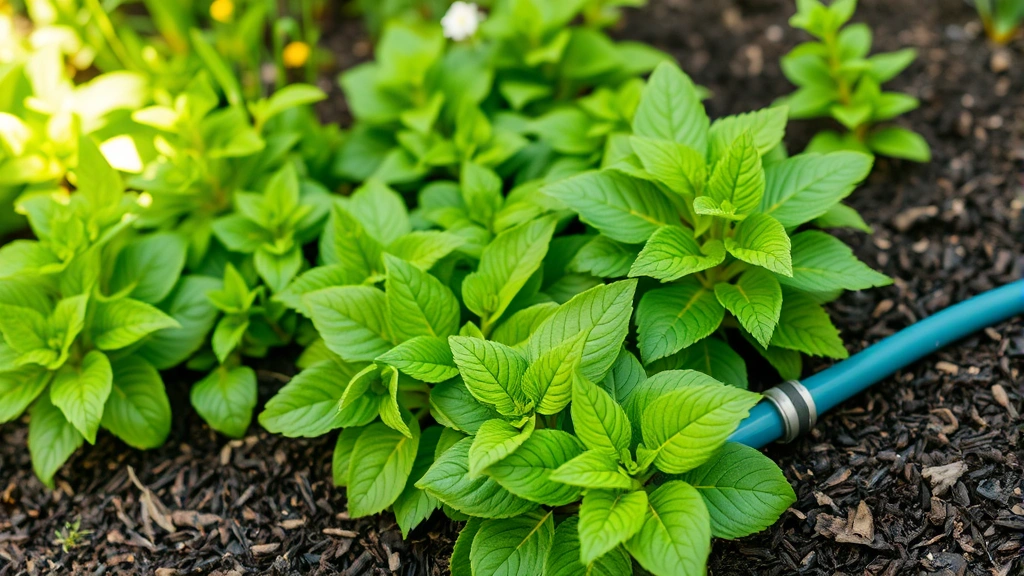
Installation is straightforward: simply lay the soaker hose along plant rows or around beds, connect it to your water source, and turn on the flow. Water emerges as a gentle seep rather than a spray, minimizing evaporation and runoff. You can even bury soaker hoses just beneath mulch, making them invisible while maximizing efficiency. Most soaker hoses cost between fifteen and thirty dollars and last several seasons with proper care.
Micro-sprinklers offer another efficient alternative, particularly for ornamental gardens and landscape plants. These small spray heads deliver water in a fine mist over a limited area, reducing water waste compared to full-size sprinklers. They’re adjustable for coverage patterns and volume, allowing customization for different plant spacing and types. Combining micro-sprinklers with soaker hoses in a hybrid system often provides optimal results for diverse plantings.
Smart Watering Schedules and Timing
When you water matters as much as how you water. Early morning irrigation between 4 AM and 8 AM represents the ideal window for most gardens. At this time, temperatures are cool, reducing evaporation, and plants have maximum time to absorb moisture before heat stress arrives. Morning watering also allows foliage to dry quickly, minimizing fungal disease risks.
Avoid evening watering whenever possible, despite its convenience. Wet foliage combined with cool night temperatures creates ideal conditions for powdery mildew, leaf spot diseases, and other fungal infections. If you must water in evening, focus water exclusively on soil rather than foliage, keeping leaves as dry as possible.
Watering duration matters significantly. Rather than brief daily sprinkling, provide longer watering sessions less frequently. This approach encourages deeper root development, creating more drought-tolerant plants. A twenty to thirty-minute soaking twice weekly typically outperforms daily five-minute watering sessions. The longer watering period allows water to penetrate deeper into soil, reaching the entire root zone.
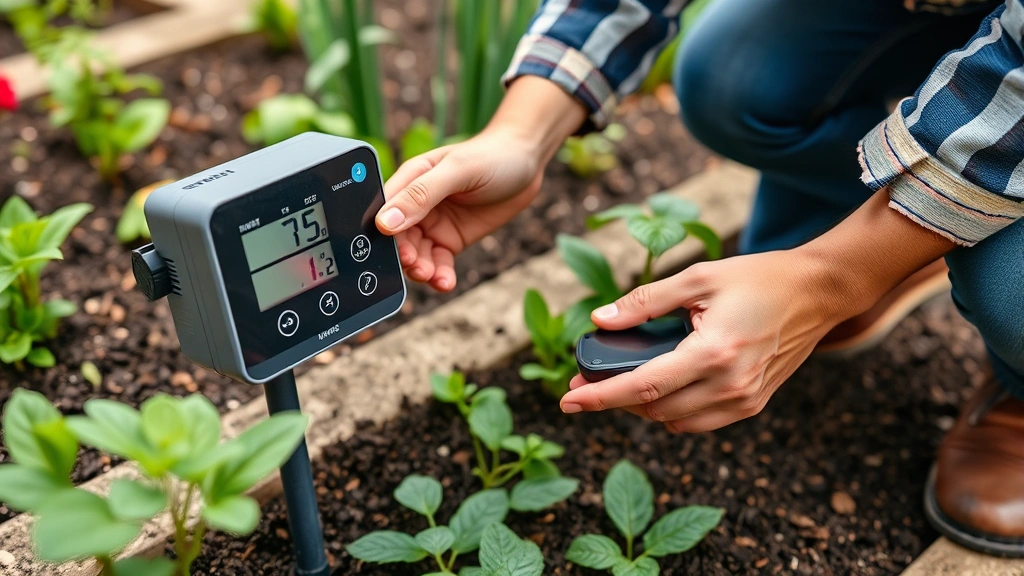
Smart irrigation controllers with weather sensors represent a game-changing technology for efficient watering. These devices automatically adjust watering schedules based on rainfall, temperature, humidity, and forecasted weather. If rain is predicted, the system skips that day’s watering. During cool springs, it reduces frequency. As summer heat intensifies, it increases watering appropriately. These systems can reduce water consumption by 20-50% while maintaining optimal plant health.
Soil Preparation and Moisture Retention
Efficient watering begins with proper soil preparation. Rich, organic-matter-amended soil holds moisture more effectively than poor, compacted soil. Before planting, work in two to four inches of compost, aged manure, or other organic materials. This amendment dramatically improves soil’s water-holding capacity while maintaining good drainage.
Mulching represents one of the most underrated efficiency strategies. A two to three-inch layer of organic mulch around plants reduces soil moisture loss through evaporation by up to 70%. Mulch also moderates soil temperature, reducing plant stress during extreme heat. Use wood chips for shrubs and trees, straw for vegetable gardens, and shredded leaves for perennial beds. As mulch breaks down, it continues improving soil structure and water retention.
Raised beds offer another approach to improved moisture management. Filled with quality soil amendments, raised beds drain well while retaining adequate moisture. They warm faster in spring and cool faster in summer, reducing extreme temperature fluctuations that stress plants and increase water needs.
Seasonal Adjustments for Year-Round Success
Successful gardeners recognize that watering needs fluctuate dramatically throughout the year. Spring typically brings adequate rainfall in most regions, requiring minimal supplemental watering except during dry spells. As plants establish and foliage expands, water demands increase.
Summer represents peak watering season. Heat, low humidity, and vigorous plant growth combine to dramatically increase water needs. During this period, consistent moisture becomes critical. Many summer crops like tomatoes and peppers suffer blossom-end rot when watering is inconsistent. Drip irrigation with timers becomes essential for maintaining the regular moisture these plants demand.
Fall watering should gradually decrease as temperatures cool and plant growth slows. However, don’t abandon watering entirely. Newly planted trees and shrubs still need regular moisture through autumn to establish strong root systems before winter dormancy. Perennials also benefit from consistent moisture through fall.
Winter watering depends entirely on your climate. In cold regions, frozen soil cannot absorb water, so supplemental watering is unnecessary. In mild climates where plants continue growing, reduced watering maintains dormant or slow-growing plants without encouraging excessive growth vulnerable to frost damage.
Troubleshooting Common Watering Problems
Yellow leaves often indicate overwatering rather than underwatering. When soil remains constantly saturated, roots cannot access oxygen, leading to rot and nutrient deficiencies. If this occurs, reduce watering frequency immediately and ensure soil drains adequately. Adding mulch and improving soil with organic matter helps prevent future overwatering issues.
Wilting despite wet soil suggests root rot from overwatering or poor drainage. These plants require repotting or transplanting to fresh, well-draining soil. Prevention through proper watering practices and soil preparation is far easier than treating established problems.
Uneven watering patterns often result from poor system design or maintenance. Check drip emitters and soaker hoses regularly for clogs caused by mineral deposits or debris. In hard-water areas, installing a filter protects your system from buildup. Inspect sprinkler patterns to ensure coverage reaches all plants.
Nutrient leaching can occur with excessive watering, particularly in sandy soils. If plants show yellowing leaves despite adequate nutrition, reduce watering frequency and increase organic matter content to improve nutrient retention. Mulching also reduces leaching by moderating soil moisture fluctuations.
Water pooling on soil surface indicates poor drainage or soil compaction. This prevents water infiltration and encourages fungal disease. Aerate compacted areas, add organic matter, and create gentle slopes to direct water flow appropriately. Raised beds or mounding soil around plants can solve drainage issues in low-lying areas.
FAQ
How often should I water my garden?
Most gardens need watering one to two times weekly, providing one to two inches of water total. However, this varies based on soil type, climate, plant types, and season. Check soil moisture before watering rather than following a fixed schedule. If soil is moist two inches deep, wait another day before watering.
Is it better to water daily or less frequently?
Less frequent, deeper watering is superior to daily shallow watering. Longer watering sessions encourage deeper root development, creating more drought-tolerant plants. Daily watering keeps roots shallow, making plants dependent on frequent moisture and more vulnerable to stress.
What’s the best time to water gardens?
Early morning between 4 AM and 8 AM is ideal. This timing minimizes evaporation, allows foliage to dry quickly, and reduces fungal disease risk. Avoid evening watering, which leaves plants wet overnight and promotes disease development.
Can I save water while maintaining a healthy garden?
Absolutely. Drip irrigation uses 50% less water than sprinklers while delivering better results. Mulching reduces evaporation by up to 70%. Improving soil with organic matter increases water retention. Smart controllers adjust watering based on weather, reducing waste by 20-50%.
Should I water plants during rain?
No, skip watering during or immediately after rainfall. Most plants receive adequate moisture from natural precipitation. Only water if more than a week passes without rain and soil becomes dry. Smart irrigation controllers automatically skip watering after rain events.
How much water do vegetables need compared to ornamental plants?
Most vegetables require one to two inches weekly for optimal production. Ornamental plants and established perennials often need less once established. Native plants typically need minimal supplemental water. Always adjust based on your specific plants’ needs and soil conditions.


