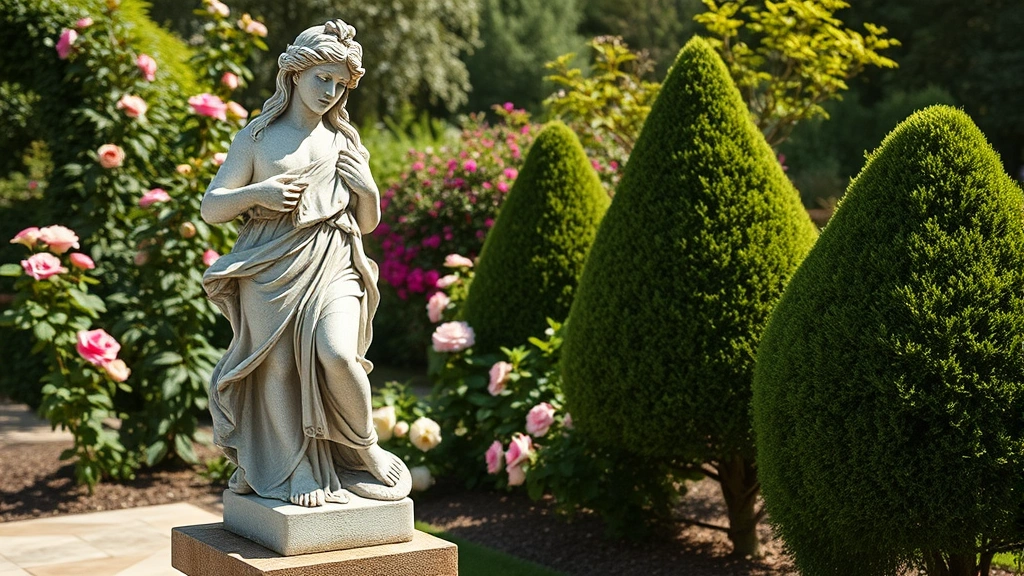
Garden statues transform outdoor spaces from ordinary to extraordinary, serving as focal points that draw the eye and create visual interest year-round. Whether you’re designing a formal landscape or cultivating a cottage garden aesthetic, the right garden statue can elevate your garden’s character and reflect your personal style. These decorative elements work harmoniously with living plants, hardscaping, and natural elements to create a cohesive outdoor environment that invites contemplation and admiration.
Beyond mere decoration, garden statues offer practical benefits for gardeners. They can anchor garden design schemes, guide visitors through pathways, and provide shelter for beneficial wildlife. When thoughtfully selected and positioned, statues become integral components of landscape architecture that enhance both the beauty and functionality of your growing space. This comprehensive guide explores everything you need to know about choosing, placing, and maintaining garden statues to create a stunning outdoor sanctuary.
Understanding Garden Statue Types and Materials
Garden statues come in diverse styles and materials, each offering unique aesthetic and practical advantages. Classical sculptures featuring human figures, mythological creatures, and abstract forms have been garden staples for centuries, providing timeless elegance that complements any landscape design. Animal statues—including birds, rabbits, frogs, and butterflies—add whimsical charm and can encourage wildlife observation and appreciation.
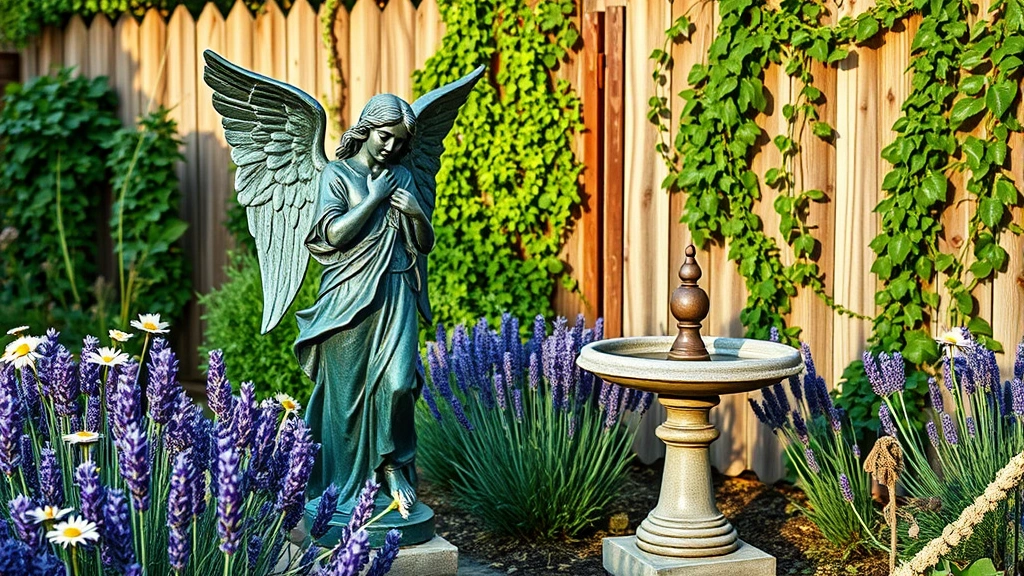
Religious and spiritual statues, such as Buddha figures, angels, or garden saints, create contemplative spaces perfect for meditation and reflection. Functional statues serve dual purposes, combining artistry with utility through bird feeders, birdbaths, and water features integrated into sculptural designs. When exploring garden design ideas, consider how different statue types interact with your overall landscape vision.
Material selection significantly impacts both appearance and longevity. Stone statues, carved from granite, marble, or limestone, exude permanence and sophistication while developing beautiful patinas over decades. Cast concrete offers affordability and durability, available in unlimited designs and finishes. Metal statues crafted from bronze, iron, or copper develop distinctive aging characteristics that enhance their visual appeal over time. Resin and fiberglass options provide lightweight alternatives with excellent weather resistance and realistic detailing at budget-friendly prices.
Ceramic and clay statues bring artisanal character to gardens, though they require more careful placement in climates with freeze-thaw cycles. Wood sculptures create natural warmth but demand regular maintenance and careful positioning to prevent rot. Each material choice influences installation requirements, maintenance schedules, and the overall aesthetic impact your garden statue will achieve.
Selecting the Perfect Statue for Your Garden Style
Choosing a garden statue begins with understanding your landscape’s existing character and your personal design preferences. Formal gardens benefit from symmetrical placement of classical sculptures, often featuring clean lines and refined proportions. These elegant pieces work beautifully alongside well-prepared garden soil supporting structured plantings of boxwoods, roses, and ornamental topiaries.
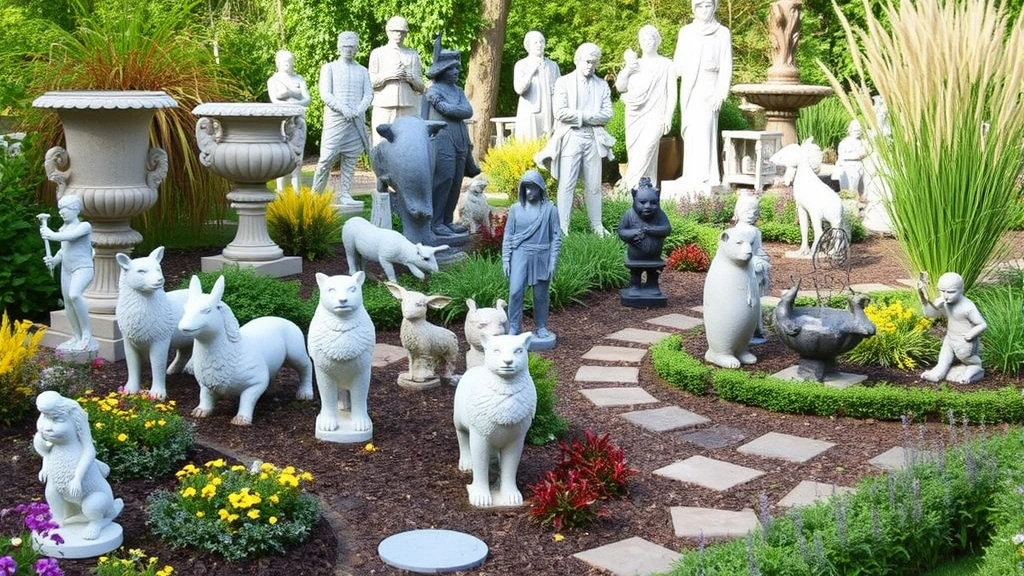
Cottage garden styles embrace eclectic collections of whimsical statues—garden gnomes, mushrooms, fairies, and rustic figures—creating playful, inviting spaces that celebrate imperfection and personality. Contemporary gardens favor abstract sculptures, minimalist forms, and artistic installations that challenge traditional garden design conventions. Mediterranean landscapes showcase classical urns, amphoras, and Greek-inspired figures that reference ancient horticultural traditions.
Japanese gardens employ stone lanterns, Buddha statues, and water basins as essential design elements that promote harmony and balance. Tropical gardens benefit from exotic animal statues, tiki figures, and bold, colorful pieces that complement lush plantings and vibrant flowers. Cottage-country aesthetics thrive with vintage reproductions, religious statuary, and heritage pieces that tell stories and evoke nostalgia.
Scale matters tremendously when selecting statues. A small figure disappears in expansive landscapes, while oversized sculptures overwhelm intimate garden rooms. Consider your garden’s dimensions, surrounding plant heights, and viewing distances when determining appropriate statue sizes. Proportion extends beyond the statue itself—ensure the piece complements nearby architectural features like pergolas, fences, and garden structures.
Color and finish influence how statues integrate with surrounding landscapes. Neutral tones—gray, black, bronze, and weathered copper—harmonize with most gardens and develop beautiful patinas over time. Bold colors work for contemporary designs and cottage gardens but may clash with traditional landscapes. Matte finishes provide sophisticated elegance, while polished surfaces create dramatic visual impact and reflectivity.
Strategic Placement and Design Principles
Effective garden statue placement transforms ordinary spaces into thoughtfully curated outdoor galleries. Focal point placement positions statues at the terminus of garden views—the end of a pathway, center of a garden room, or prominent corner visible from primary seating areas. This strategic positioning draws attention and creates visual anchors that organize surrounding landscape elements.
Symmetrical placement, featuring identical or matching statues flanking pathways, gates, or garden entrances, creates formal balance and architectural authority. This approach works exceptionally well with classical sculptures and formal garden styles. Asymmetrical placement, positioning single statues off-center, creates dynamic tension and suits contemporary, naturalistic, and cottage garden designs.
Layered placement involves positioning statues at varying distances and heights throughout the landscape, creating depth and encouraging exploration. This technique works beautifully in larger gardens where statues serve as discovery points along winding pathways. Grouping statues together creates intimate vignettes—collections of related figures, complementary materials, or thematically connected pieces that tell visual stories.
Consider sightlines carefully when determining statue placement. Position pieces where they’re visible from primary viewing areas—patios, windows, garden entrances, and seating zones. Avoid hiding statues behind plants or structures unless intentional mystery is part of your design strategy. Ensure adequate spacing between statues and vegetation so sculptures remain visible and don’t get obscured as plants mature.
Lighting dramatically affects how statues appear throughout the day and seasons. Morning and evening light create dimensional shadows and highlight sculptural details, while overhead midday sun can flatten appearances. Position statues where natural light enhances their features. Consider adding uplighting or spotlights for evening ambiance, transforming statues into focal points that glow after dark.
Integration with water features creates compelling combinations. Positioning statues near ponds, fountains, or birdbaths leverages reflective properties and creates natural gathering points for wildlife observation. When designing water features, explore rain garden principles that incorporate statues as design elements within functional water management systems.
Materials and Durability Considerations
Stone statues represent the gold standard for permanence and classical beauty. Granite offers exceptional hardness and weather resistance, maintaining appearance for centuries with minimal maintenance. Marble provides luxurious elegance but proves more vulnerable to weathering and requires protective sealants in humid climates. Limestone develops attractive patinas and weathers gracefully, though it’s softer and more susceptible to erosion in harsh climates.
Cast concrete combines affordability with impressive durability when properly formulated and cured. Quality concrete statues resist freeze-thaw damage and maintain appearance for decades. Lightweight concrete blends durability with easier installation, ideal for larger pieces or locations where heavy materials pose challenges. Reinforced concrete prevents cracking and ensures structural integrity for outdoor exposure.
Bronze statues develop rich, distinctive patinas—the green or brown oxidized surface that enhances aesthetic appeal over time. Bronze resists corrosion excellently and can last for centuries with minimal maintenance. Iron statues require regular protection against rust through paint or clear coats, demanding more maintenance commitment than bronze. Copper statues develop beautiful blue-green patinas and offer similar longevity to bronze.
Resin and fiberglass provide lightweight alternatives with excellent weather resistance and impressive detail reproduction. These materials won’t crack in freeze-thaw cycles and resist UV fading better than many alternatives. Realistic finishes allow resin statues to convincingly mimic stone, bronze, or other materials at fraction of the cost. Durability typically spans 10-20 years depending on climate exposure and material quality.
Ceramic statues bring handcrafted charm but require careful climate consideration. In regions without significant freeze-thaw cycles, quality ceramic pieces last indefinitely. Where winters bring freezing temperatures, unglazed ceramics absorb moisture that expands when frozen, causing cracking and deterioration. Sealed or glazed ceramics offer better protection in challenging climates.
Wood sculptures create natural garden aesthetics but demand consistent maintenance. Hardwoods like teak and cedar resist rot better than softwoods, though all wood eventually succumbs to weathering. Regular sealant application, protective covers during harsh weather, and careful placement away from constant moisture exposure extend wood statue lifespans significantly.
Installation and Foundation Requirements
Proper installation ensures garden statues remain stable, safe, and visually effective throughout their lifespan. Small lightweight statues on firm, level ground may require minimal preparation, but larger pieces demand solid foundations that prevent settling, tipping, or shifting. Assess your garden’s soil composition and drainage before installation—check if you’ve properly prepared garden soil in installation areas.
Concrete pads provide the most reliable foundation for substantial statues. Excavate 4-6 inches below ground level, create level subgrade, and pour reinforced concrete extending several inches beyond the statue’s base. This prevents settling and provides permanent stability. For extremely heavy pieces (over 500 pounds), consider professional installation with steel reinforcement and engineered foundations.
Gravel or crushed stone bases work for lightweight statues on well-draining soil. These materials settle over time, so periodic raking and topping maintains stability. Ensure adequate compaction before placing statues to minimize future settling. This approach works well for temporary or seasonal statue placement.
Stone paver bases offer aesthetic appeal while providing stable foundations. Set pavers level on compacted gravel, ensuring no rocking or movement. Pavers distribute weight across larger areas, preventing ground penetration that occurs with small footprints. This approach suits both formal and informal gardens.
Anchoring systems prevent wind damage or accidental tipping, particularly important for tall, narrow statues or locations experiencing significant wind. Concrete anchors drilled into pads, metal brackets, or ground stakes secure statues without visible support systems. Consult statue manufacturers for recommended anchoring methods specific to each piece.
Drainage around statue bases prevents water accumulation that causes deterioration, staining, and ice formation. Slope ground away from bases, ensure water flows freely, and avoid positioning statues in low spots where water collects. Proper drainage extends statue lifespan and maintains appearance.
Seasonal Care and Maintenance
Regular maintenance preserves garden statues’ beauty and extends their functional lifespan. Seasonal cleaning removes accumulated dirt, algae, moss, and debris that dull appearance and accelerate deterioration. Gentle brushing with soft-bristled brushes and mild soap solutions cleans most statues safely. Avoid pressure washers that can damage surfaces and force water into crevices.
Winter preparation protects statues from freeze-thaw damage, salt spray, and harsh weather. In cold climates, drain any water from birdbath statues or water feature sculptures to prevent ice expansion damage. Apply protective sealants to porous materials before winter arrives. Move ceramic or delicate pieces indoors if possible, or wrap with burlap for insulation.
Spring maintenance addresses winter damage and prepares statues for warmer seasons. Inspect for cracks, loose sections, or deterioration requiring professional repair. Clean away winter debris, algae growth, and staining. Reapply sealants to stone and concrete if needed. Check anchoring systems and foundations for stability issues.
Summer care focuses on preventing UV damage and managing surrounding vegetation. Trim plants that shade statues or create humid microclimates promoting algae and moss growth. Ensure adequate air circulation around pieces. Monitor for pest damage or nesting in hollowed sculptures. Address any structural issues promptly before they worsen.
Fall preparation involves cleaning leaves and debris, applying protective treatments before winter, and securing statues against wind damage from autumn storms. Drain and protect water features. Inspect for damage from summer storms. Prepare delicate pieces for winter weather challenges.
Material-specific maintenance varies significantly. Stone statues benefit from occasional sealing with breathable sealants. Bronze and copper develop patinas naturally—cleaning removes this desirable aging, so minimal intervention suits most gardeners. Concrete statues may require periodic resealing. Wood pieces need regular sealant reapplication. Ceramic and resin statues typically need only gentle cleaning.
Addressing common problems promptly prevents extensive damage. Algae and moss growth thrive in shaded, moist conditions—improve drainage and air circulation to reduce these issues. Staining from mineral deposits, rust, or biological growth responds to gentle cleaning with appropriate solutions. Cracks in stone or concrete may require professional repair. Rust on metal statues needs prompt attention to prevent spreading.
Budget-Friendly Options and DIY Solutions
Creating beautiful garden statuary doesn’t require substantial financial investment. Budget-conscious gardeners discover excellent options through various sources and creative approaches. Visit garden centers and local nurseries where seasonal clearance sales offer significant discounts on quality pieces. End-of-season sales provide opportunities to acquire statues at 30-50% off regular prices.
Online retailers offer competitive pricing and broader selections than local stores, though shipping costs for heavy pieces can be substantial. Compare multiple vendors for best pricing. Antique shops, estate sales, and secondhand markets provide unique vintage pieces at fraction of new prices. Reclaimed architectural elements—columns, finials, urns—create distinctive garden features with historical character.
DIY concrete casting allows creative gardeners to produce custom statues at minimal cost. Concrete molds are available commercially, or create custom molds from cardboard, foam, or other materials. Mix concrete, pour into molds, cure properly, and finish with paint or sealers. This approach yields unique pieces reflecting personal artistic vision at fraction of commercial prices.
Stacking rocks, creating cairns, and arranging found objects produce sculptural effects without purchasing statues. Smooth river rocks, weathered driftwood, and natural materials combine to create organic garden art. This approach suits contemporary and naturalistic gardens while remaining completely budget-friendly.
Painted concrete blocks, repurposed architectural salvage, and upcycled materials transform inexpensive items into distinctive garden features. Old urns, vintage garden tools, and weathered wood pieces gain new life as garden sculptures. Creative arrangement and thoughtful placement elevate humble materials into compelling garden art.
Growing living statues through topiary creates dynamic, living sculptures that evolve throughout seasons. Trained ivy, boxwood, and other hardy plants form geometric shapes, animal figures, and abstract forms. This approach combines gardening skills with artistic expression, producing statuary that grows and changes annually. While requiring patience and skill, topiary ultimately costs far less than permanent statues.
Community resources offer affordable options for acquiring statues. Local gardening clubs, master gardener programs, and horticultural societies sometimes organize statue exchanges or group purchasing that reduces costs. Garden tours reveal local artisans and sculptors offering custom pieces at reasonable prices compared to commercial retailers.
FAQ
What size garden statue works best for small spaces?
For compact gardens, choose statues no taller than one-third your garden’s height and no wider than one-quarter its width. Vertical or narrow pieces suit small spaces better than broad sculptures. Position statues to maximize visual impact without overwhelming limited space. Delicate, detailed pieces draw attention without feeling bulky.
Can garden statues stay outside year-round?
Most quality statues withstand year-round outdoor exposure, though climate significantly impacts longevity. Stone, bronze, and quality concrete tolerate harsh conditions indefinitely. Ceramic and wood require more protection in freeze-thaw climates. Regardless of material, proper drainage, maintenance, and occasional protective treatments extend lifespan substantially. Consider your specific climate when selecting materials.
How do I prevent moss and algae on garden statues?
Improve air circulation by trimming surrounding vegetation, avoid shaded locations, and ensure proper drainage around bases. These conditions discourage moss and algae growth. Regular gentle cleaning removes growth before it accumulates. Avoid pressure washing that forces moisture into materials. Consider applying algaecide treatments in persistently damp climates, following product instructions carefully.
What’s the best way to anchor statues against wind?
Use concrete anchors, steel brackets, or ground stakes appropriate for your statue’s weight and material. Drill holes into concrete pads and secure with corrosion-resistant hardware. For heavy pieces, professional installation ensures proper anchoring. Test stability after installation—statues shouldn’t rock or shift. Taller, narrow pieces need more robust anchoring than low, wide sculptures.
Should garden statues have plants around them?
Strategic planting complements statues beautifully when it doesn’t obscure them. Use lower plantings in front, taller behind, creating layered compositions. Avoid dense vegetation that hides statues or creates overly humid conditions promoting deterioration. Flowering plants add color near statues, while foliage plants provide textural contrast. Ensure adequate air circulation to prevent moisture-related problems.
How often should I seal garden statues?
Sealing frequency depends on material and climate. Stone statues in humid climates benefit from resealing every 2-3 years. Concrete typically needs resealing every 3-5 years. Bronze and copper develop desirable patinas and rarely need sealing unless you prefer maintaining polished appearance. Ceramic and resin rarely require sealing. Assess your statues annually to determine if resealing is needed based on appearance and water beading behavior.


