Garden Savings: Expert Tips for Frugal Planting
Creating a thriving garden doesn’t require a substantial budget. Whether you’re a beginner planting your first seedlings or an experienced gardener looking to stretch your resources, strategic planning and smart purchasing decisions can dramatically reduce your gardening expenses. The key lies in understanding where to invest wisely and where you can save without compromising plant health or garden aesthetics.
Many gardeners spend hundreds of dollars annually on seeds, tools, soil amendments, and structures when simple techniques and resourcefulness can accomplish the same results for a fraction of the cost. By implementing proven frugal gardening strategies, you’ll discover that a productive, beautiful garden is entirely achievable on any budget. This comprehensive guide explores practical methods to maximize your garden’s potential while minimizing expenditures throughout the growing season.
Start Seeds Indoors for Maximum Savings
One of the most effective ways to reduce garden expenses is starting seeds indoors rather than purchasing established seedlings from nurseries. A single packet of seeds costing $2-4 can produce dozens of healthy plants, whereas buying equivalent seedlings might cost $20-40. This approach offers tremendous value while giving you complete control over plant varieties and growing conditions.
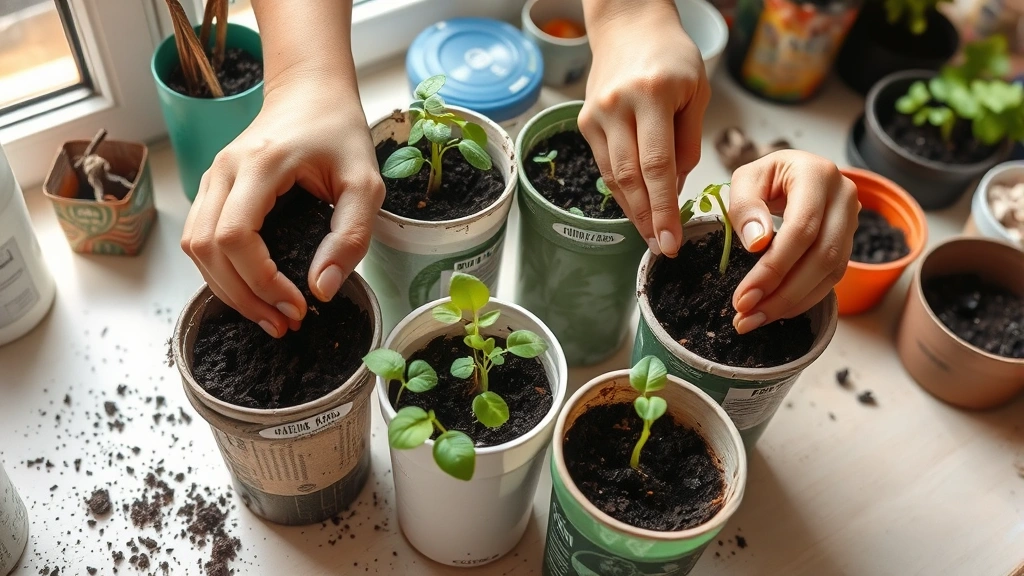
Beginning seeds indoors requires minimal equipment. Recycled containers such as yogurt cups, newspaper pots, or egg cartons serve perfectly as seed trays. Create drainage holes using a simple nail or drill bit. Prepare an affordable seed-starting mix by combining equal parts coconut coir, perlite, and compost. This homemade mixture costs significantly less than commercial seed-starting formulas while performing equally well.
Timing is crucial for indoor seed starting success. Research your local frost date and count backward from your region’s last spring frost to determine planting dates. Most vegetables require 6-8 weeks of indoor growth before transplanting outdoors. Cool-season crops like lettuce and spinach need only 4-6 weeks. Start warm-season crops such as tomatoes, peppers, and eggplants 8-10 weeks before your transplant date.
Invest in a simple grow light setup using shop lights and LED bulbs rather than expensive horticultural lighting systems. Position lights 2-3 inches above seedlings and adjust height as plants grow. A basic setup costs $30-50 but enables you to start hundreds of seeds annually, paying for itself within a single season.
Source Free or Low-Cost Garden Materials
Resourceful gardeners understand that valuable materials often lie unused in their communities. Develop relationships with local businesses, neighbors, and municipal services to access free or deeply discounted garden supplies. Coffee shops frequently offer used grounds free for composting. Tree trimming services often provide wood chips at no cost, perfect for garden pathways and mulch applications.
Visit local farmers markets near closing time when vendors might offer unsold produce and plant materials at significant discounts. Nurseries sometimes mark down healthy plants with minor cosmetic imperfections at 30-50% reductions. Check community Facebook groups and Craigslist for free plant divisions, seeds, and gardening equipment from gardeners downsizing or relocating.
Pallets represent exceptional free resources for numerous garden projects. Shipping pallets, often available from retail stores and warehouses, can be deconstructed into lumber for raised beds, trellises, and garden benches. Ensure pallets haven’t been chemically treated before using them for food gardens. Newspapers, cardboard, and leaves provide outstanding free mulch materials for suppressing weeds and retaining soil moisture.
Contact your local university extension service about free soil testing and gardening workshops. Many extension offices provide cost-free consultations and educational resources that help you make informed gardening decisions, preventing costly mistakes.
Build Raised Beds Affordably
Raised beds offer significant advantages for vegetable gardening, yet commercial kits cost $100-300 each. Building your own garden bed and trellis structures from reclaimed or inexpensive materials reduces costs to $20-50 per bed while maintaining quality and durability.
Untreated cedar boards represent the most affordable rot-resistant option, typically costing $1-2 per linear foot. For a 4×8-foot bed requiring 24 linear feet of boards, expect to spend $25-50. Avoid pressure-treated lumber containing harmful chemicals unsuitable for food production. Composite materials and recycled plastic lumber cost more initially but last 15-20 years compared to 5-10 years for cedar.
Alternative materials work equally well for raised beds. Corrugated metal panels, often available free or cheap from agricultural supply stores, create durable, attractive beds. Stacked stone or brick salvaged from demolition projects or obtained through community reuse centers provide permanent garden bed edges while utilizing materials destined for landfills.
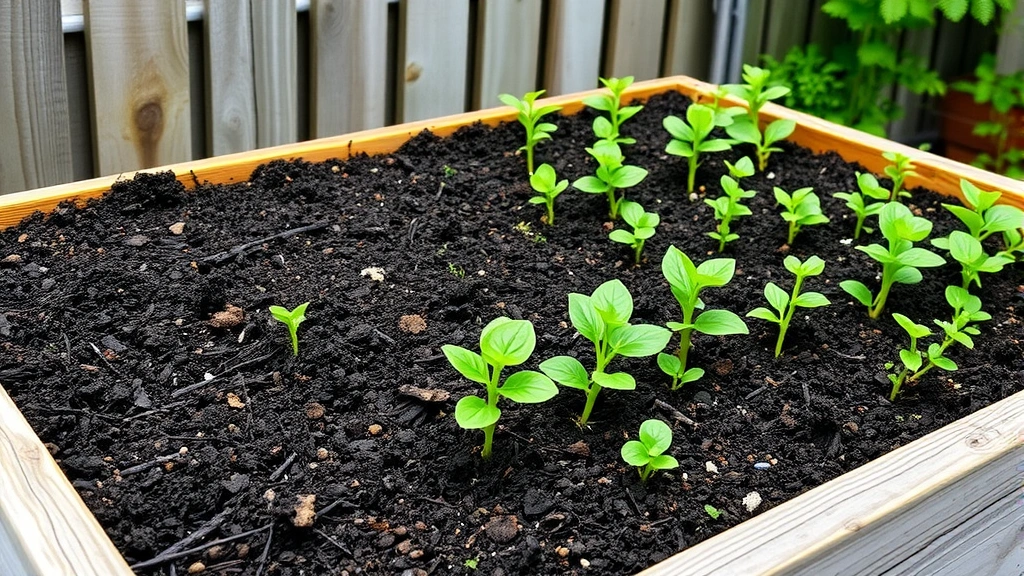
Construct bed frames using basic tools and simple carpentry skills. A power drill, saw, and screws are all you need. Avoid nails, which work loose over time. Position beds in areas receiving 6-8 hours of direct sunlight daily for optimal vegetable production. Fill beds with a mixture of compost, topsoil, and aged manure rather than purchasing expensive potting mixes.
Create Your Own Compost System
Commercial compost costs $3-8 per bag, and a typical garden requires multiple bags annually. Creating your own compost system eliminates this expense while recycling garden and kitchen waste into black gold for your beds. A basic compost pile requires no structure or investment beyond collecting appropriate materials.
Establish a compost area in an inconspicuous garden corner. Layer brown materials (dried leaves, shredded newspaper, straw) with green materials (grass clippings, vegetable scraps, coffee grounds) in a 3:1 ratio. Maintain adequate moisture—the pile should feel like a wrung-out sponge—and turn periodically to accelerate decomposition. Within 3-6 months, you’ll have finished compost ready for garden application.
For faster results, construct a simple three-bin system from pallets or wire fencing. Three bins allow simultaneous composting at different stages. Fill the first bin with fresh materials, turn contents from the first bin into the second after 4-6 weeks, then transfer to the third bin for final curing. This method produces usable compost every 4-6 weeks during growing season.
Avoid composting meat, dairy, oils, and diseased plant material. These items attract pests or spread pathogens. Shred large materials to increase surface area and accelerate decomposition. Add composting accelerants like grass clippings or manure to boost microbial activity. Your compost pile becomes a self-renewing resource, continuously improving soil structure and fertility without ongoing expenses.
Practice Water Conservation Techniques
Water costs represent a significant portion of gardening budgets, particularly in arid climates or during drought conditions. Implementing conservation techniques reduces water consumption and environmental impact while lowering utility bills. Mulching represents the single most effective water conservation strategy.
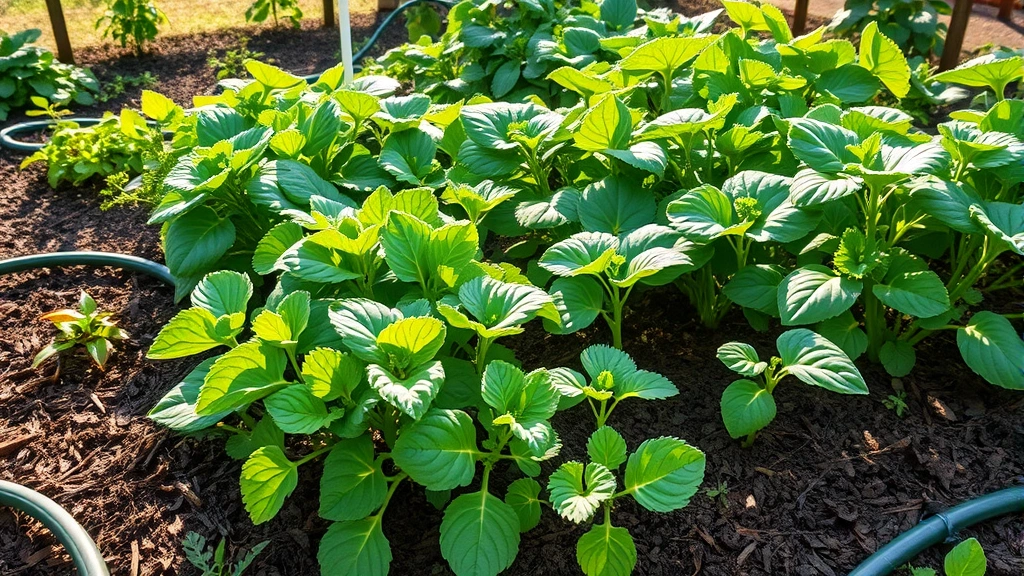
Apply 2-3 inches of organic mulch around plants, maintaining 6 inches clearance from plant stems to prevent rot. Mulch reduces soil evaporation by 70% while suppressing weeds that compete for available moisture. Use free materials like wood chips, leaves, straw, or grass clippings. As organic mulch decomposes, it improves soil structure and adds nutrients.
Install a drip irrigation system or soaker hoses to deliver water directly to plant roots, minimizing evaporation and runoff. A basic soaker hose system costs $15-30 but reduces water consumption by 50% compared to overhead sprinklers. Connect soaker hoses to a timer for automated watering, eliminating daily hand-watering while ensuring consistent moisture.
Capture free rainwater using rain barrels connected to gutter downspouts. A single 55-gallon barrel captures approximately 600 gallons annually from average rainfall. Multiple barrels connected in series provide substantial supplemental water for dry periods. Many communities offer rain barrels at discounted prices through environmental initiatives.
Choose a best expandable garden hose designed for efficient water delivery. Quality hoses resist kinking and maintain consistent water pressure, preventing waste. Water early morning or evening when temperatures are cool, reducing evaporation. Deep, infrequent watering encourages deep root development, creating drought-resilient plants requiring less frequent irrigation.
Propagate Plants from Cuttings
Expanding your garden through propagation costs virtually nothing while producing numerous new plants. Many herbs, perennials, and shrubs propagate easily from cuttings, eliminating expensive plant purchases. This technique particularly benefits gardeners seeking to expand cottage garden plantings economically.
Take 4-6 inch cuttings from healthy new growth during morning hours when plants are fully hydrated. Remove lower leaves and place cuttings in moist potting mix or water. Many plants including basil, mint, coleus, and begonias root within 1-2 weeks. Once roots develop, transplant rooted cuttings into individual containers for establishment before garden placement.
Hormone rooting powder, while inexpensive ($3-5 per container), accelerates root development. However, many plants root successfully without it. Maintain high humidity around cuttings using plastic bags or humidity domes created from recycled plastic bottles. Provide bright, indirect light and maintain consistently moist (not waterlogged) growing medium.
Propagate tender perennials before frost arrives. Coleus, impatiens, fuchsias, and tender herbs root easily indoors. Overwintered rooted cuttings provide abundant plants for spring planting, eliminating expensive nursery purchases. Share propagated plants with gardening friends and neighbors, building community connections while expanding everyone’s gardens affordably.
Utilize Seasonal Sales and Bulk Buying
Strategic purchasing during seasonal sales dramatically reduces annual gardening expenses. Nurseries and garden centers offer significant markdowns on plants, tools, and supplies during predictable periods. Understand these patterns and plan purchases accordingly to maximize savings.
Late summer through fall brings substantial discounts on perennials and shrubs as nurseries reduce inventory before winter. These plants establish excellent root systems during fall and spring, actually thriving better than spring-purchased specimens. End-of-season tool sales in late fall and winter offer 30-50% reductions on quality equipment needed for spring projects.
Seed catalogs offer bulk seed discounts for gardeners planning large-scale plantings. Purchasing seeds in bulk costs significantly less per packet. Join seed-sharing groups and split bulk purchases with fellow gardeners, reducing individual costs while expanding variety access. Save seeds from successful plants, eliminating annual seed expenses for heirloom varieties.
Buy fertilizers and soil amendments during off-season sales for spring application. Compost, mulch, and peat moss cost considerably less in fall when demand decreases. Store amendments in covered containers protected from weather. Purchasing tools during holiday sales provides superior equipment at fraction of regular prices.
Establish relationships with local nursery owners. Regular customers often receive loyalty discounts and advance notice of sales. Ask about damaged plant discounts and clearance sections where healthy plants with minor imperfections sell at deep reductions.
DIY Garden Structures and Supports
Commercial trellises, arbors, and plant supports cost $30-150 each, yet functional structures require only basic materials and minimal construction skills. Building your own garden structures reduces expenses while allowing customization for specific plant needs and aesthetic preferences.
Create sturdy tomato cages from concrete reinforcement wire available at home improvement stores for $3-5 per roll. Cut 5-foot sections and form cylinders, creating cages suitable for multiple growing seasons. Bamboo stakes cost $0.50-1 each and work well for supporting individual plants. Construct tiered trellises from scrap wood and twine, perfect for climbing plants and vigorous growers.
Pallet trellises provide excellent climbing supports for beans, peas, and cucumbers. Position pallets vertically and secure to sturdy posts. Plants climb naturally through pallet openings while maintaining excellent air circulation. This simple structure costs nothing if using free pallets while lasting multiple seasons.
Construct cold frames from old windows or plastic sheeting supported by wooden frames. Cold frames extend growing seasons by 2-4 weeks on each end, increasing harvest productivity without greenhouse expenses. Use reclaimed windows from demolition sites or salvage yards for minimal cost. Line interior with mulch or compost to retain heat during cool seasons.
Implement Natural Pest Management
Chemical pesticides cost $10-30 per application and accumulate expenses throughout growing season. Natural pest management strategies eliminate pests while avoiding chemical expenses and health risks. Implement integrated pest management (IPM) principles emphasizing prevention and cultural controls before considering treatments.
Encourage beneficial insects by planting flowering herbs and native plants. Ladybugs, lacewings, and parasitic wasps control pest populations naturally. Avoid broad-spectrum pesticides that kill beneficial insects alongside pests. Hand-pick larger pests like hornworms and beetles, removing them from plants and disposing appropriately.
Create barriers using bird netting for garden protection and row covers for young plants vulnerable to insect damage. These physical barriers cost $5-15 and protect plants without pesticides. Remove covers once plants flower and pollination becomes necessary.
Prepare homemade pest sprays from common household ingredients. Mix water with dish soap for soft-bodied insects. Combine water, hot peppers, and garlic for general insect deterrent. Dust plants with food-grade diatomaceous earth for crawling insects. These solutions cost pennies per application compared to commercial pesticides costing dollars.
Manage squirrels and other wildlife through exclusion and deterrents rather than expensive removal services. Install fencing, netting, and physical barriers. Plant extra produce expecting wildlife predation. This approach costs less than control methods while maintaining ecological balance.
Plan Multi-Year Garden Investments
Successful frugal gardening requires viewing expenses as multi-year investments rather than annual costs. Quality tools, structures, and perennial plants provide value over many seasons, justifying moderate upfront investment. Distinguish between consumable expenses (seeds, fertilizer, mulch) and capital investments (tools, beds, perennials).
Invest in quality hand tools that last decades with proper care. A $20 spade outlasts five $4 shovels while performing better. Quality pruning shears, hoes, and forks improve work efficiency and reduce physical strain. Maintain tools properly by cleaning after use, sharpening blades, and storing protected from weather.
Perennial plants provide multi-year value, flowering reliably without annual replanting. Initial perennial costs ($3-8 per plant) exceed annual bedding plants ($1-2) but divide across 5-20 years of productivity, ultimately costing significantly less. Build perennial-based gardens emphasizing long-lived plants requiring minimal intervention.
Establish fruit and nut trees producing harvests for 20-50 years. Initial trees cost $15-40 but produce hundreds of dollars in fruit over their lifespan. Plant berry bushes (blueberries, raspberries, blackberries) providing fresh fruit annually without replanting. These perennial crops become increasingly cost-effective annually.
Develop soil gradually through annual compost additions and organic amendments. Rich, well-structured soil requires less fertilizer and water while producing superior plants. Annual soil improvement investments compound, creating increasingly productive gardens requiring fewer inputs annually.
FAQ
What’s the most cost-effective way to start a garden?
Begin with seeds started indoors rather than purchasing seedlings. Create raised beds from reclaimed materials and fill with homemade compost. Focus on perennial vegetables and fruits providing multi-year harvests. This approach costs 50-75% less than traditional garden establishment while producing superior results.
How can I reduce water bills in my garden?
Apply 2-3 inches of mulch around plants to reduce evaporation by 70%. Install soaker hoses or drip irrigation for efficient water delivery. Collect rainwater in barrels for supplemental irrigation. Water deeply but infrequently, encouraging deep root development. These techniques reduce water consumption by 40-60% while improving plant health.
Can I successfully propagate plants from cuttings?
Yes, many plants including herbs, perennials, and houseplants propagate easily from cuttings. Take 4-6 inch cuttings from healthy growth, remove lower leaves, and place in moist potting mix. Most cuttings root within 1-2 weeks. This method produces numerous plants from single parent plants at virtually no cost.
When should I purchase garden supplies to save money?
Buy perennials and shrubs in late summer through fall when nurseries discount inventory. Purchase tools during winter holiday sales. Buy seeds in bulk during off-season. Shop end-of-season sales in late summer and fall. Strategic timing reduces annual expenses by 30-50%.
How do I manage pests without expensive chemicals?
Implement integrated pest management emphasizing prevention through healthy plants and beneficial insects. Hand-pick larger pests. Use physical barriers like netting and row covers. Apply homemade sprays from household ingredients (soap, water, garlic, peppers). Encourage beneficial insects through flowering plants. These methods cost pennies compared to chemical pesticides.
What’s the best way to improve soil affordably?
Create your own compost system from kitchen and garden waste. Collect free wood chips from tree trimming services for mulch. Save fallen leaves for composting. Add aged manure when available. Layer compost and mulch annually, building soil structure and fertility over time. This approach costs nothing while continuously improving soil quality.


