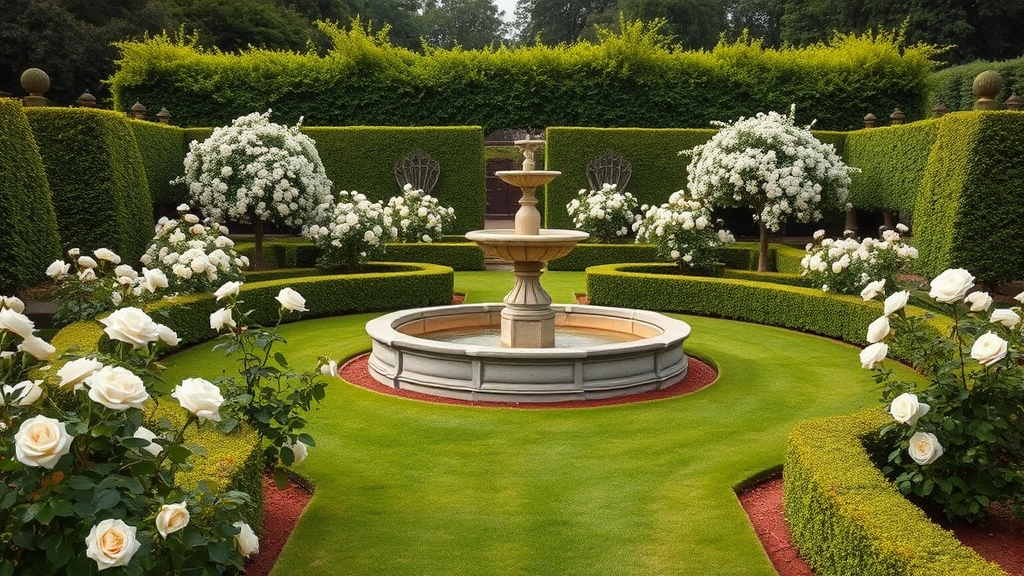
Hosting a formal garden party combines the elegance of refined entertaining with the natural beauty of your outdoor space. Whether you’re planning an intimate afternoon gathering or a sophisticated evening celebration, transforming your garden into an upscale venue requires thoughtful planning, strategic landscaping, and attention to botanical details. This comprehensive guide will walk you through expert-backed strategies to create a memorable formal garden party that impresses your guests and showcases your gardening expertise.
A successful formal garden party extends beyond decorations and table settings—it’s about leveraging your garden’s natural features, selecting appropriate plants, and maintaining pristine grounds that reflect sophistication and care. From selecting the right flowering specimens to arranging garden architecture, every element contributes to the overall ambiance. Let’s explore how to transform your garden into an elegant outdoor venue worthy of your most distinguished guests.
Creating the Perfect Garden Setting for Formal Events
The foundation of any successful formal garden party begins with assessing your existing landscape and identifying areas that naturally lend themselves to upscale entertaining. Start by evaluating your garden’s layout, considering sight lines, natural focal points, and traffic flow patterns. A well-designed formal garden party space should guide guests through the property while creating intimate gathering areas that encourage conversation.
Begin by clearing and organizing your garden beds. Preparing garden soil for a thriving garden isn’t just about growing vegetables—it’s essential for establishing a lush, vibrant backdrop for your event. Remove any dead foliage, weeds, or unsightly plant debris that might detract from the formal atmosphere. Ensure all garden beds are edged cleanly and mulched uniformly for a polished appearance.
Consider installing or refreshing hardscaping elements like pathways, patios, and terraces. Gravel, pavers, or brick walkways add structure and sophistication while directing guest movement through your garden. These functional elements should complement your home’s architectural style and create defined entertaining zones within your landscape.
Selecting Sophisticated Plants and Flowers
The botanical palette you choose sets the tone for your entire event. Formal gardens traditionally feature classic plants that convey elegance, structure, and timeless beauty. Select flowering plants that bloom during your party date, ensuring peak visual impact when your guests arrive.
Premium flowering specimens for formal settings include:
- Roses: The quintessential formal garden flower, available in sophisticated colors like deep red, blush pink, and cream. Hybrid tea roses and David Austin varieties offer romantic, full blooms perfect for creating focal points.
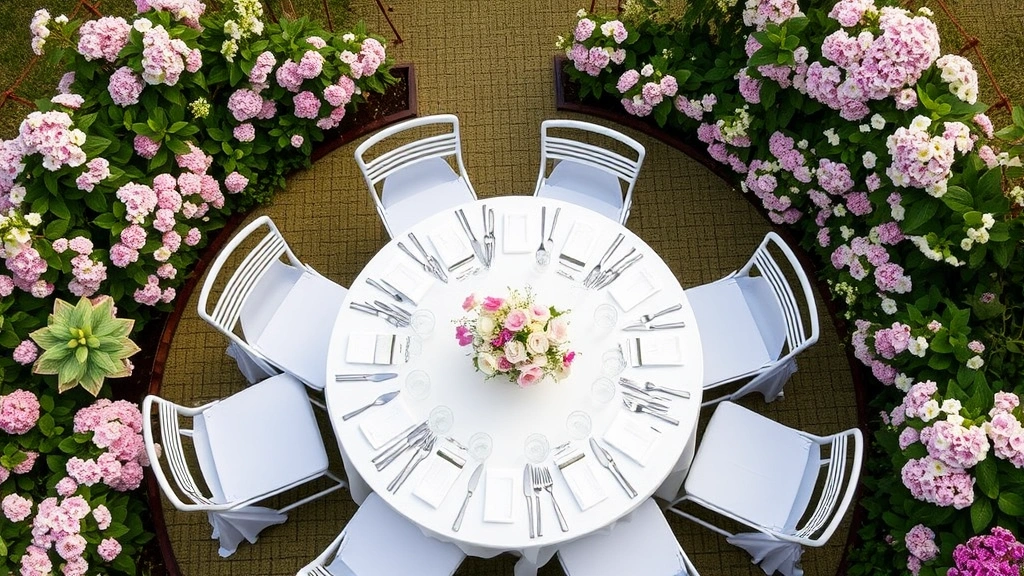
- Hydrangeas: Large mophead varieties in white, blue, and pink provide dramatic color masses and create a sense of abundance and luxury.
- Lavender: Fragrant purple spikes add sensory appeal and create soft, romantic textures while attracting beneficial pollinators.
- Peonies: Lush, romantic blooms in pink, white, and coral offer abundance and old-world garden charm, though their blooming window is limited to late spring.
- Clematis: Climbing varieties with delicate flowers can be trained over garden arch trellis structures to create elegant vertical elements and natural framing.
- Boxwood: Evergreen hedging provides year-round structure, creating formal parterres and defining garden rooms with precision.
- Ornamental grasses: Fine-textured varieties like feather reed grass and fountain grass add movement and sophistication without overwhelming the space.
When selecting plants, consider color harmony and balance. Formal gardens often employ monochromatic or complementary color schemes rather than chaotic, multicolored displays. A garden dominated by whites and soft pastels conveys elegance, while jewel tones like deep purples and burgundies suggest sophistication and luxury.
Incorporate easy to grow vegetables in dedicated kitchen garden areas if you plan to showcase farm-to-table catering. Formal vegetable gardens with raised beds, trellises, and organized plantings can be beautifully incorporated into the overall design, adding functional elegance to your outdoor space.
Garden Architecture and Structural Elements
Architectural features transform a simple garden into a sophisticated outdoor venue. These elements provide visual interest, create focal points, and define the character of your formal garden party space.
Essential architectural elements include:
- Pergolas and Gazebos: These structures provide shade, create intimate gathering spaces, and serve as dramatic backdrops for photographs. Drape them with climbing roses or clematis for added elegance.
- Water Features: Fountains, reflecting pools, or small water gardens add movement, sound, and visual interest. The gentle sound of flowing water masks background noise and creates a serene atmosphere.
- Arbors and Trellises: Strategic placement of garden arch and trellis elements creates natural room dividers, frames views, and provides vertical growing space for climbing plants.
- Stone or Brick Walls: Existing or newly constructed walls provide backdrop interest, wind protection, and opportunities for espalier training of fruit trees or flowering vines.
- Raised Garden Beds: Structured planting areas, particularly garden tower structures, add architectural interest while organizing plantings into formal, geometric patterns.
- Seating Structures: Benches, chairs, and tables should be selected for both aesthetic appeal and comfort, positioned to encourage conversation and offer respite.
These architectural elements should be installed well in advance of your party to allow plants time to establish and grow into their intended forms. Climbing vines need weeks or months to cover structures adequately, so plan accordingly.
Lighting Design for Evening Elegance
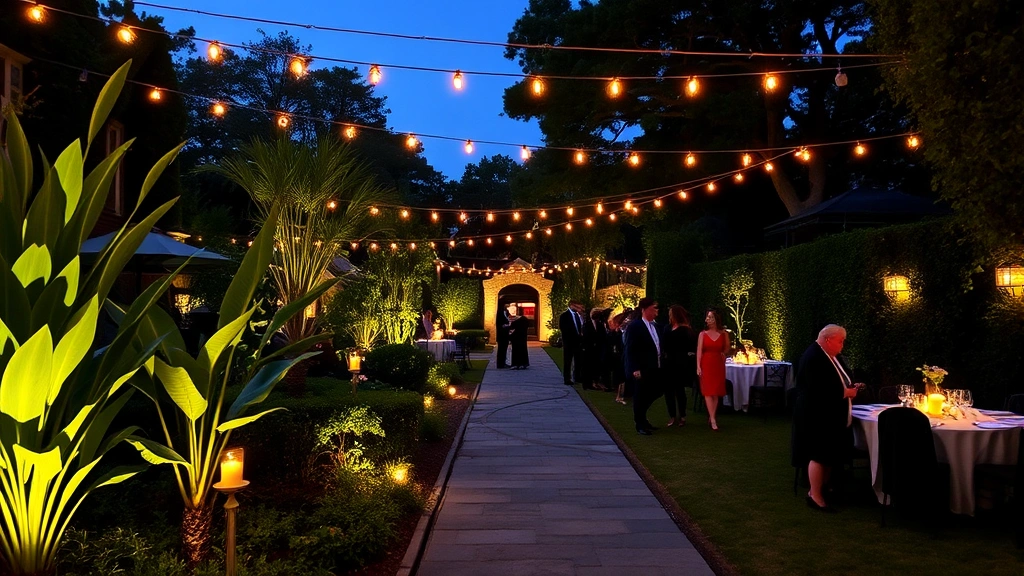
Strategic lighting transforms your formal garden into an enchanting evening venue. Beyond functional illumination, thoughtfully designed lighting creates atmosphere, highlights architectural features, and ensures guest safety.
Lighting strategies for formal garden parties:
- Uplighting: Position lights at the base of trees, architectural features, and specimen plants to create dramatic shadows and highlight texture. This technique adds depth and sophistication to the nighttime landscape.
- String Lights: Delicate bistro lights or Edison bulbs strung overhead create romantic ambiance without appearing overly casual. Ensure wiring is concealed and professional installation prevents safety hazards.
- Pathway Lighting: Low-level lights along walkways guide guests safely through the garden while maintaining intimate ambiance. Solar-powered options offer practical, elegant solutions.
- Focal Point Illumination: Highlight water features, sculptures, or specimen plants with targeted spotlights to draw attention to key garden elements.
- Candlelight: Hurricane lanterns and candles on tables add warmth and refinement, though weather protection is essential for reliability.
- Accent Lighting: Use colored or filtered light to emphasize architectural features or create thematic atmospheres without appearing garish.
Test all lighting systems in advance, considering how different intensities and colors will appear to guests. Professional electricians should install permanent fixtures to ensure safety and proper function.
Seating Arrangements and Layout Planning
Thoughtful spatial planning ensures your formal garden party flows smoothly while maximizing your garden’s natural features. Create distinct zones for different activities—cocktail areas, dining spaces, lounge seating, and perhaps a dance or entertainment area.
Layout principles for formal garden entertaining:
- Establish Clear Entry: Create a welcoming entry point that sets the tone immediately. Arch-framed entrances or avenue plantings draw guests into the space and establish formality from the moment they arrive.
- Define Multiple Gathering Spaces: Rather than one large open area, create several intimate zones using hedges, plantings, or architectural features. This prevents the feeling of one large crowd and encourages mingling.
- Position Seating Strategically: Arrange chairs and benches to face focal points—water features, flowering specimens, or architectural elements. Ensure comfortable sightlines for conversation.
- Plan Circulation Routes: Create clear pathways between zones that don’t require guests to navigate through dining or conversation areas. Wide, well-maintained paths accommodate formal dress and prevent congestion.
- Accommodate Different Needs: Provide various seating options—bar-height cocktail tables for standing, dining chairs for formal meals, and lounge seating for relaxation. Ensure adequate shade and protection from elements.
- Consider Sight Lines: Arrange furniture and plantings to prevent blocking views of key focal points or architectural features. Height variation in plantings should create visual interest without obscuring the garden’s layout.
Install or ensure adequate garden hose reel systems are discreetly located to maintain irrigation capabilities while keeping utility equipment hidden from view. Efficient watering systems ensure your garden remains vibrant throughout the event season.
Seasonal Considerations for Your Formal Garden Party
The season you choose for your formal garden party significantly impacts plant selection, bloom timing, and guest comfort. Each season offers distinct advantages and requires specific preparation strategies.
Spring (March-May): Spring formal garden parties capitalize on fresh growth and abundant blooms. Tulips, cherry blossoms, and emerging perennials create romantic atmospheres. Plan plantings in fall to ensure spring bloom. Manage unpredictable weather with tent rentals and heaters for evening events.
Summer (June-August): Summer offers reliable weather and long daylight hours, but requires careful attention to heat management. Select heat-tolerant plants, provide ample shade structures, and plan events during cooler morning or evening hours. Hydration stations become essential for guest comfort.
Fall (September-November): Autumn gardens feature rich color palettes—deep reds, oranges, and golds—creating sophisticated atmospheres. Plan spring bulb planting in advance to ensure next season’s blooms. Cool temperatures allow for daytime entertaining without excessive heat concerns.
Winter (December-February): Winter formal garden parties require evergreen plantings, festive lighting, and protected gathering spaces. Evergreen hedges, holly, and winter-blooming specimens like hellebores maintain garden interest. Outdoor heaters and enclosed structures become essential.
Consult regional frost date calendars to time plantings appropriately for your chosen party season. Consider visiting the American Horticultural Society for region-specific plant recommendations and growing guides.
Maintenance and Preparation Timeline
Professional-quality garden parties require systematic preparation well in advance. Develop a detailed timeline to ensure nothing is overlooked.
Three months before event:
- Finalize garden design and architectural plans
- Order materials, plants, and structural elements
- Begin major garden renovations or construction
- Prune shrubs and trees for desired form and size
- Install new plantings to allow establishment time
Six weeks before event:
- Complete all construction and major landscaping work
- Apply fresh mulch to all garden beds
- Begin fertilizing plants for vigorous growth and flowering
- Arrange furniture and test layout
- Plan lighting installation and test systems
- Confirm catering and entertainment arrangements
Two weeks before event:
- Perform detailed garden inspection—remove dead foliage, debris, and weeds
- Deadhead early flowers to encourage continued blooming
- Clean hardscape surfaces—patios, pathways, and steps
- Test all irrigation systems and water features
- Arrange floral arrangements and potted plant accents
- Confirm weather forecast and finalize contingency plans
One week before event:
- Final garden grooming—edging beds, removing any damaged foliage
- Clean and arrange furniture, ensure comfort items are available
- Install lighting fixtures and test all systems
- Prepare table settings and decorative elements
- Conduct final walkthrough to address any issues
Day of event:
- Water garden thoroughly in early morning
- Final touch-ups—remove any debris, adjust plants as needed
- Set up all service areas, beverage stations, and restroom facilities
- Test lighting as dusk approaches
- Ensure staff briefing covers guest flow and emergency procedures
Consult university extension services for region-specific guidance on plant care and garden preparation. Many offer free consultations for event-specific gardening questions.
FAQ
What is the best time of year for a formal garden party?
Spring and fall offer ideal conditions—moderate temperatures, abundant blooms, and reliable weather. Spring features fresh growth and romantic flowering specimens, while fall offers rich color palettes and comfortable entertaining conditions. Summer requires heat management, and winter demands protective structures and evergreen plantings.
How far in advance should I plan a formal garden party?
Begin planning 3-4 months ahead for major garden renovations and plantings. Allow 6-8 weeks minimum for simpler updates. This timeline ensures plants establish properly and architectural elements integrate seamlessly into your landscape.
What plants are essential for a formal garden atmosphere?
Roses, hydrangeas, lavender, peonies, and boxwood create classic formal garden aesthetics. Combine specimen plants with evergreen hedging for year-round structure. Select plants appropriate for your climate and bloom time to ensure peak visual impact during your event.
How can I incorporate vegetable gardens into formal entertaining spaces?
Organize vegetables in raised beds or structured garden towers with geometric patterns. Espaliered fruit trees, herb gardens with formal edging, and productive plantings in dedicated kitchen garden areas add functional elegance while supporting farm-to-table catering.
What lighting works best for evening formal garden parties?
Combine uplighting on architectural features, pathway illumination for safety, string lights for ambiance, and candlelight for intimacy. Professional installation ensures safety while creating sophisticated atmospheres that highlight your garden’s best features.
How do I maintain garden appearance throughout the event?
Assign staff to monitor garden areas, removing debris and deadheading spent flowers. Ensure irrigation systems maintain soil moisture—stressed plants appear wilted and detract from the formal atmosphere. Position maintenance supplies discreetly outside guest view areas.
Can I host a formal garden party in a small space?
Absolutely. Smaller gardens benefit from focused design—vertical elements like trellises and wall-trained plants, strategic lighting, and carefully arranged furniture create intimate elegance. Multi-use spaces that transition between gathering and dining areas maximize limited square footage.
What resources help with formal garden party planning?
Contact The Garden Club of America for design inspiration and networking with experienced garden hosts. Explore the New York Botanical Garden’s educational resources for formal garden design principles and plant selection guidance. Local cooperative extension programs provide free expertise on regional plant care and seasonal preparation.


