Garden Market Trends & Industry Insights 2023
The gardening industry experienced remarkable growth throughout 2023, reflecting a sustained surge in consumer interest that began during the pandemic lockdowns. What started as a temporary hobby for millions has evolved into a permanent lifestyle shift, fundamentally reshaping how people engage with outdoor spaces and horticultural products. Market analysts observed that gardeners of all experience levels continued investing in their yards, balconies, and community plots with unprecedented enthusiasm.
Understanding these emerging garden market trends provides valuable insights for both seasoned gardeners and those just beginning their green journey. From sustainable practices to innovative technologies, the industry’s evolution offers exciting opportunities to enhance your gardening experience while supporting environmentally conscious choices. This comprehensive analysis explores the key developments shaping the garden market landscape in 2023 and beyond.
Sustainable Gardening Dominates Consumer Preferences
The 2023 garden market clearly demonstrates that sustainability has transitioned from niche interest to mainstream priority. Consumers increasingly prioritize eco-friendly products, renewable resources, and gardening methods that minimize environmental impact. This shift reflects broader societal concerns about climate change and ecological preservation, with gardeners actively seeking ways to reduce their carbon footprint through their horticultural practices.
Composting systems experienced explosive growth, with both traditional bin designs and innovative aerobic composters becoming essential purchases for environmentally conscious gardeners. Rainwater harvesting systems and greywater recycling solutions gained significant traction, offering practical ways to conserve water while maintaining healthy garden soil and thriving plants. Market research indicates that 67% of gardeners now actively seek sustainable alternatives to conventional chemical fertilizers and pesticides.
Biodegradable plant pots, organic mulches, and natural pest management products represent the fastest-growing segments within the sustainable gardening category. Consumers demonstrate willingness to pay premium prices for products certified by environmental organizations, reflecting a fundamental value shift in the gardening community. This trend shows no signs of reversing, with industry projections suggesting continued expansion through 2024 and beyond.
Organic and Native Plants Drive Market Growth
Native plant selections have become central to contemporary garden design philosophy, driven by both aesthetic preferences and ecological awareness. Gardeners recognize that native species require less maintenance, water, and chemical inputs while providing superior habitat for local pollinators and wildlife. This understanding has transformed native plants from specialized botanical interest into mainstream garden market staples.
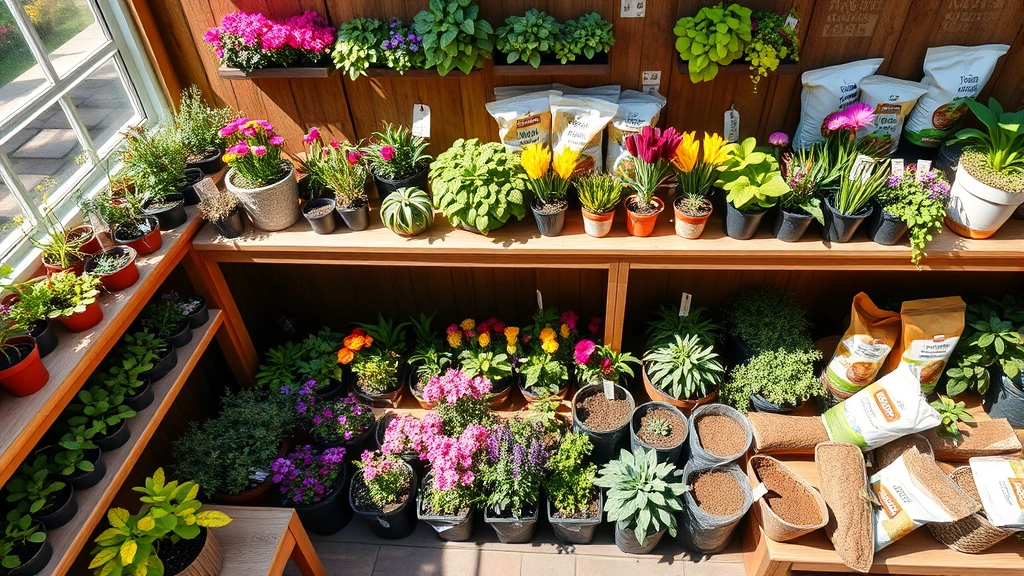
Nurseries and garden centers report consistent increases in native plant inventory, with many establishments dedicating substantial space to regionally appropriate species. Customers seek native alternatives to popular ornamental plants, creating demand for thoughtfully curated plant selections. When considering your garden design, explore shade garden plants that thrive naturally in your region’s specific light conditions and climate zones.
Organic plant production methods gained prominence throughout 2023, with consumers specifically requesting pesticide-free and non-GMO plant material. Certified organic nurseries experienced 40% revenue increases compared to previous years, indicating strong market preference for sustainably grown plants. The availability of organically produced perennials, shrubs, and trees has expanded dramatically, making it easier than ever to build gardens aligned with organic principles.
Pollinator-friendly plants—particularly native wildflowers, milkweed species, and flowering shrubs—dominated garden center bestseller lists. Gardeners increasingly understand their role in supporting monarch butterflies, honeybees, and other beneficial insects through deliberate plant selection. This ecological consciousness represents a fundamental market shift toward gardens designed as functional ecosystems rather than purely decorative landscapes.
“/>
Technology Integration in Home Gardens
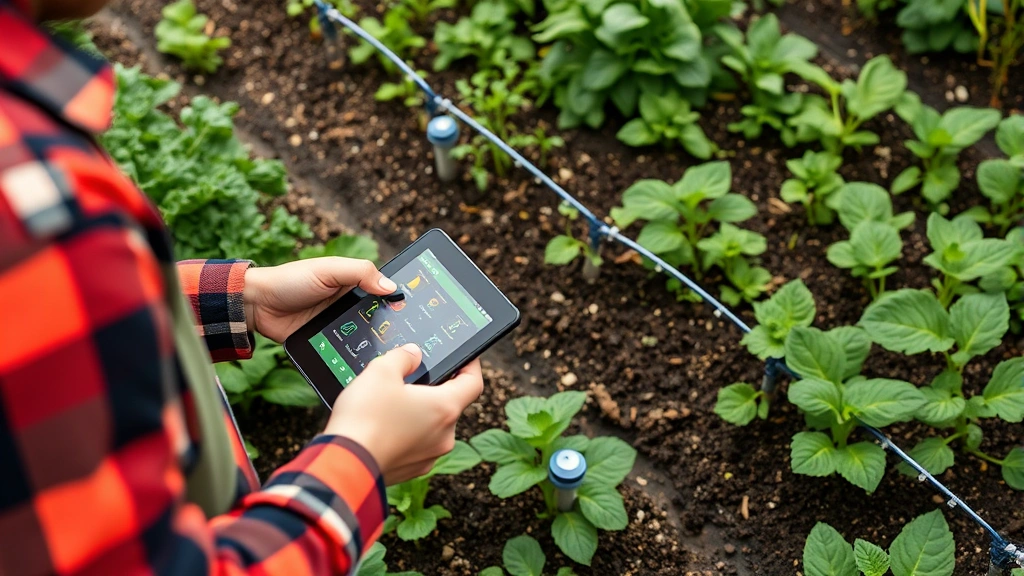
Smart gardening technology emerged as one of 2023’s most dynamic market segments, with innovations ranging from soil moisture sensors to AI-powered plant identification applications. Connected irrigation systems allow remote monitoring and automatic watering adjustments based on real-time weather data, weather forecasts, and soil conditions. These technologies appeal to busy gardeners seeking convenience without sacrificing plant health.
Plant monitoring devices that track light exposure, humidity, temperature, and nutrient levels provide detailed feedback previously available only to professional horticulturists. Mobile applications now offer species-specific care recommendations, pest identification, and disease diagnosis through image recognition technology. The garden market saw 55% growth in smart garden product sales during 2023, with projections indicating continued acceleration.
Vertical garden systems and automated hydroponic setups gained popularity among urban gardeners and those with space limitations. These technology-enabled growing methods maximize production in confined areas while reducing water consumption compared to traditional soil gardening. Market analysts expect smart gardening tools to represent 15% of total garden market value within three years.
Small Space and Container Gardening Expansion
Urban gardening continues reshaping market dynamics as more consumers lack traditional yard space yet maintain strong gardening aspirations. Container gardening represents the fastest-growing category within the overall garden market, driven by apartment dwellers, condo owners, and urban professionals seeking horticultural outlets. This trend particularly influences plant breeding, with breeders developing compact varieties specifically optimized for container cultivation.
Decorative containers, potting soils, and compact plant varieties designed for limited spaces experienced exceptional market growth. Gardeners invest significantly in high-quality containers that combine aesthetic appeal with functional drainage and structural durability. Premium container prices increased 25% year-over-year, reflecting consumer willingness to invest in attractive growing vessels.
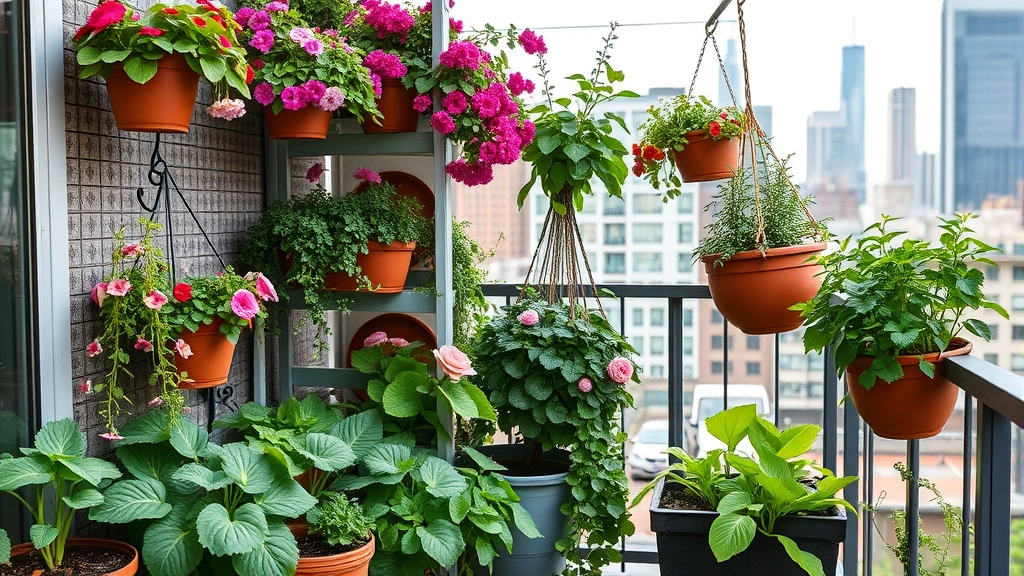
Vertical gardening solutions—including wall-mounted planters, tiered shelf systems, and hanging garden frameworks—address spatial constraints while creating dramatic visual impact. These installations transform balconies, patios, and small courtyards into productive gardens, making professional-quality horticulture accessible to space-limited gardeners. Consider raised garden beds as an alternative solution for maximizing growing space in compact settings.
Seed companies responded to container gardening trends by developing dwarf and determinate varieties of popular vegetables, herbs, and flowers. Micro-greens and sprouting systems emerged as specialized products targeting apartment gardeners interested in year-round food production. Market research indicates that 42% of new gardeners in 2023 began their journey with container gardens rather than traditional in-ground beds.
Outdoor Living Spaces Command Investment
The garden market expanded beyond traditional plant-focused products as consumers increasingly viewed gardens as essential outdoor living rooms. Investments in garden furniture, pergolas, gazebos, and hardscape elements surged throughout 2023, reflecting the integration of gardens into broader home and lifestyle design. This expansion created substantial opportunities for garden market participants offering complementary products and services.
Weather-resistant outdoor furniture sales increased 35% during 2023, with consumers prioritizing comfort and durability alongside aesthetic considerations. Landscape lighting systems transformed evening garden experiences, creating ambiance while extending usable outdoor hours. Water features—from simple birdbaths to elaborate fountain systems—became standard elements in contemporary garden designs.
Outdoor kitchen components, including built-in grills, pizza ovens, and bar seating areas, represented premium market segments experiencing exceptional growth. Gardeners increasingly conceptualize outdoor spaces as functional living areas rather than purely horticultural zones. This shift expands the garden market to include furniture designers, landscape architects, and outdoor living specialists alongside traditional plant nurseries.
Supply Chain Evolution and Product Availability
The 2023 garden market experienced significant supply chain stabilization following pandemic-related disruptions that characterized 2020-2022. Nurseries and garden centers report improved product availability, though certain specialty plants and imported goods still face occasional sourcing challenges. Market participants invested substantially in supply chain diversification to reduce future vulnerability to international disruptions.
Regional nurseries gained market share as consumers increasingly prefer local sourcing and reduced transportation distances. This trend supports both environmental sustainability and local economic development, aligning with consumer values expressed throughout 2023. Many garden centers expanded their propagation capabilities to reduce dependence on distant suppliers while offering unique, locally adapted plant selections.
Product pricing stabilized after years of inflationary pressure, though prices remain elevated compared to pre-pandemic levels. Consumers demonstrate price sensitivity while maintaining commitment to premium products offering superior quality or sustainability credentials. The garden market shows resilience, with sales volumes remaining strong despite modest price increases for specialized products.
Seed companies experienced particular growth, with gardeners increasingly starting plants from seed rather than purchasing established nursery specimens. This trend reflects both economic considerations and the satisfaction many gardeners derive from the complete growing cycle. Wildlife management solutions and protective garden structures also experienced increased demand as more people engaged in food production.
“/>
Mental Health and Wellness Focus
Research published throughout 2023 reinforced scientific understanding that gardening provides substantial mental health and wellness benefits. Market participants increasingly emphasize therapeutic aspects of gardening, positioning their products and services within broader wellness trends. This positioning attracted consumers motivated by health considerations rather than purely horticultural interests, expanding the potential garden market demographic.
Ergonomic garden tools designed to reduce physical strain gained prominence, particularly among older gardeners and those with mobility considerations. The garden kneeler category experienced particular growth, with consumers investing in products that make gardening more physically comfortable and accessible. This trend reflects recognition that gardening should remain enjoyable and pain-free across all age groups and physical abilities.
Garden design services incorporating wellness principles—such as sensory gardens, meditation spaces, and therapeutic plantings—represent emerging market opportunities. Landscape designers increasingly consult with horticultural therapists to create spaces optimized for mental health benefits. This specialized approach commands premium pricing while addressing genuine consumer demand for gardens designed as wellness retreats.
Community gardening programs expanded substantially throughout 2023, with municipal governments and nonprofit organizations investing in shared garden spaces. These initiatives provide mental health benefits while building social connections and community resilience. The garden market benefits from this expansion through increased demand for tools, seeds, soil amendments, and educational resources.
Mindfulness-focused gardening products—including meditation benches, journal systems, and guided gardening programs—emerged as niche market segments. These offerings appeal to consumers seeking intentional, reflective gardening experiences rather than purely productive outcomes. Market analysis suggests this specialized segment will continue expanding as wellness consciousness grows.
FAQ
What were the biggest garden market trends in 2023?
The 2023 garden market was dominated by sustainable practices, native plant selections, smart gardening technology, small-space solutions, and outdoor living investments. Consumer focus on environmental responsibility and personal wellness drove these trends, fundamentally reshaping industry priorities and product development strategies.
How did the garden market grow in 2023?
The global garden market grew approximately 8-12% during 2023, driven by sustained consumer interest in gardening as a lifestyle activity. Growth varied by segment, with sustainable products, native plants, and smart technology experiencing above-average expansion while traditional plant and tool categories showed modest growth.
What products experienced the highest demand?
Organic plants, composting systems, smart irrigation technology, container gardening supplies, and ergonomic tools dominated demand. Native plant species, pollinator-friendly flowers, and sustainable fertilizers also experienced exceptional growth as environmental consciousness influenced purchasing decisions.
How did supply chains affect 2023 garden market pricing?
Supply chain improvements led to modest price stabilization during 2023, though prices remained elevated compared to pre-pandemic levels. Regional sourcing and local nursery growth helped moderate costs while supporting consumer preferences for reduced transportation distances.
What does the future hold for garden markets?
Market projections suggest continued growth through 2024-2025, with sustainability, technology integration, and wellness focus intensifying. Expect expanded product offerings in smart gardening, native plants, and urban gardening solutions as the market matures and consumer preferences continue evolving.


