How to Grow Garden Eggs: Pro Tips Included
Garden eggs, also known as African eggplants or Solanum aethiopicum, are a fascinating and rewarding crop for both beginner and experienced gardeners. These small, egg-shaped vegetables are packed with nutrients and offer a unique flavor profile that differs from their larger purple cousins. Whether you’re looking to expand your vegetable garden or explore new culinary possibilities, growing garden eggs is an achievable goal with the right knowledge and preparation.
Unlike traditional eggplants, garden eggs are more compact, faster-maturing, and surprisingly hardy. They thrive in warm climates and can be grown in containers, raised beds, or traditional garden plots. This versatility makes them perfect for gardeners with limited space or those living in regions with shorter growing seasons. In this comprehensive guide, we’ll walk you through every step of the growing process, from seed selection to harvest, ensuring you have everything needed to cultivate a thriving garden egg crop.
Understanding Garden Eggs
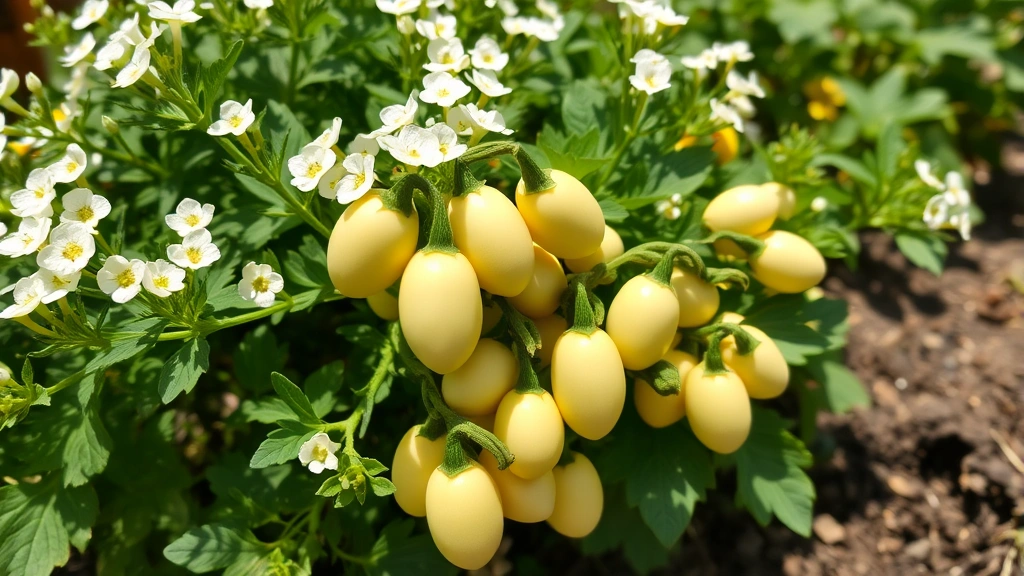
Garden eggs are small, round vegetables that typically measure 1 to 2 inches in diameter. They can range in color from white to pale yellow, and some varieties display striped patterns. These plants are native to Africa and have been cultivated for centuries in West African cuisines. Unlike their larger eggplant relatives, garden eggs are less bitter and can be eaten raw or cooked, making them incredibly versatile in the kitchen.
The plant itself grows as a compact bush, usually reaching heights of 2 to 3 feet, which makes them ideal for container gardening or space-limited gardens. Each plant can produce dozens of fruits throughout the growing season, providing excellent yields relative to the space occupied. Garden eggs are particularly popular in Nigerian, Ghanaian, and Cameroonian cuisines, but they’re becoming increasingly popular among home gardeners worldwide who appreciate their productivity and unique flavor.
Before diving into cultivation, it’s helpful to understand that garden eggs belong to the Solanaceae family, the same family as tomatoes, peppers, and potatoes. This means they have similar growing requirements and can benefit from companion planting strategies. If you’re already growing easy-to-grow vegetables for beginners, you’ll find garden eggs fit naturally into your existing gardening routine.
Climate and Growing Conditions
Garden eggs thrive in warm, tropical, and subtropical climates. They require consistent warmth to germinate and grow successfully. The ideal temperature range for growth is between 70°F and 85°F (21°C to 29°C), though they can tolerate temperatures up to 95°F (35°C) in well-watered conditions. If you live in cooler climates, starting seeds indoors 8 to 10 weeks before your last frost date is essential for success.
These plants demand full sunlight exposure—at least 6 to 8 hours of direct sun daily, though 8 to 10 hours is preferable. Insufficient light results in weak growth, fewer flowers, and reduced fruit production. Choose a garden location or container placement that receives consistent afternoon sun, particularly in regions with intense summer heat where some afternoon shade may prevent heat stress.
Humidity levels should be moderate, around 50 to 70 percent. While garden eggs appreciate moisture in the soil, they don’t tolerate waterlogged conditions or excessive humidity that promotes fungal diseases. Good air circulation around plants helps prevent disease problems and strengthens stems. If growing in containers, ensure adequate spacing between pots to allow air movement.
Garden eggs are sensitive to cold. Temperatures below 50°F (10°C) cause stunted growth, and frost will kill the plants. In temperate zones, grow them as warm-season annuals, starting seeds indoors and transplanting after all frost danger has passed. For year-round production in cooler climates, consider using covered raised garden beds or cold frames to extend the growing season.
Soil Preparation and Planting
Successful garden egg cultivation begins with proper soil preparation. These plants prefer well-draining, fertile soil rich in organic matter. Prepare your planting area by incorporating 2 to 3 inches of compost or aged manure into the top 8 to 10 inches of soil. This improves soil structure, drainage, and nutrient content simultaneously. The ideal soil pH ranges from 6.0 to 6.8, though garden eggs tolerate slightly acidic to neutral soil reasonably well.
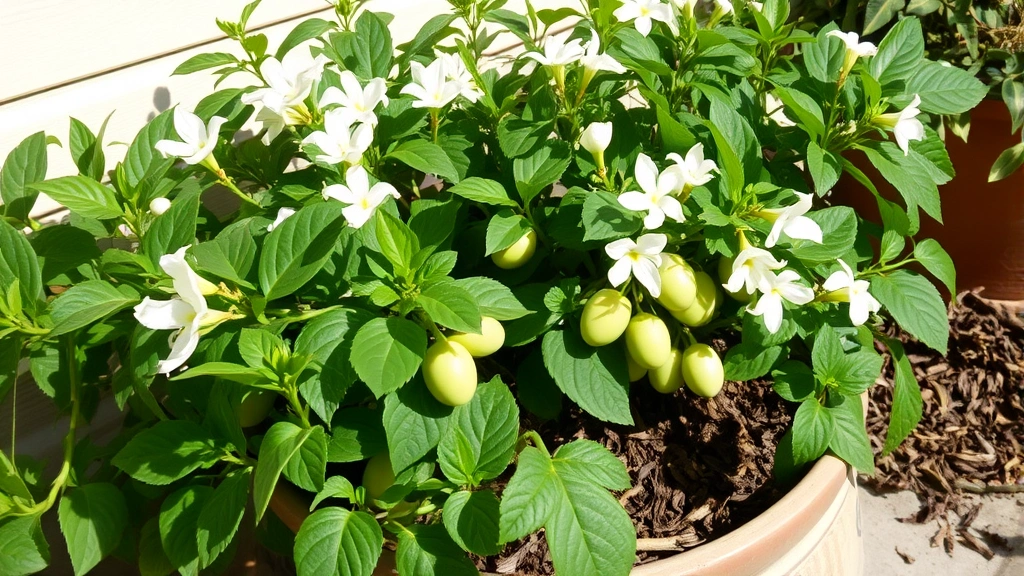
For container growing, use a high-quality potting mix combined with compost in a 1:1 ratio. Containers should be at least 12 to 14 inches in diameter for single plants, though larger containers (18 to 24 inches) allow for more robust root development and reduce watering frequency. Ensure containers have drainage holes to prevent waterlogging.
Starting from seeds is the most economical approach. Soak seeds in warm water for 2 hours before planting to improve germination rates. Sow seeds indoors in seed-starting mix, planting them ¼ inch deep. Maintain soil temperature at 75 to 80°F (24 to 27°C) for optimal germination, which typically occurs within 10 to 14 days. Once seedlings emerge, provide bright light—either from grow lights or a sunny window—to prevent leggy growth.
When seedlings develop their first true leaves, thin them or transplant the strongest ones into individual small pots. Continue growing under lights or in a warm, bright location. Harden off seedlings by gradually exposing them to outdoor conditions over 7 to 10 days before transplanting. Space transplants 18 to 24 inches apart in the garden, or one per container.
Timing is crucial. Transplant seedlings into the garden only after nighttime temperatures consistently stay above 60°F (15°C). In most regions, this occurs 2 to 4 weeks after your last frost date. Planting too early results in stunted growth and poor establishment, so patience pays dividends with garden eggs.
Watering and Fertilization Schedule
Consistent moisture is essential for healthy garden egg growth and fruit development. These plants require approximately 1 to 1.5 inches of water per week, either from rainfall or irrigation. Water deeply at the soil level, preferably in early morning, to minimize disease pressure and allow foliage to dry quickly. Inconsistent watering leads to blossom-end rot and reduced fruit quality.
In containers, check soil moisture daily during hot weather. Container plants dry out faster than in-ground plantings and may need watering every 1 to 2 days during peak summer. Mulching around plants with 2 to 3 inches of organic material—such as straw or shredded leaves—helps retain soil moisture, moderate soil temperature, and suppress weeds.
Fertilization supports vigorous growth and abundant fruiting. Begin with a balanced, slow-release fertilizer mixed into the soil at planting time. Once flowering begins, switch to a higher-potassium formula to encourage fruit development. Feed plants every 3 to 4 weeks with a diluted liquid fertilizer, or apply a balanced granular fertilizer monthly. Avoid excessive nitrogen, which promotes leafy growth at the expense of flowers and fruit.
Organic gardeners can use fish emulsion, seaweed extract, or compost tea applied every 2 to 3 weeks. Container plants, which lose nutrients through drainage water, benefit from more frequent feeding—every 2 weeks with diluted liquid fertilizer. Watch for nutrient deficiency signs such as yellowing leaves or stunted growth, and adjust feeding accordingly.
Pest and Disease Management
Garden eggs face several pest challenges, though they’re generally hardier than larger eggplant varieties. Common pests include spider mites, whiteflies, and flea beetles. Spider mites thrive in hot, dry conditions and cause stippled, yellowing leaves. Spray affected plants with a strong water stream to dislodge mites, or use neem oil for persistent infestations. Whiteflies congregate on leaf undersides and weaken plants by sucking sap. Yellow sticky traps and insecticidal soap effectively control whitefly populations.
Flea beetles chew small holes in foliage, particularly affecting young seedlings. Row covers protect seedlings until plants are established. For mature plants, spinosad or pyrethrin-based insecticides provide effective control. Encouraging beneficial insects like ladybugs and parasitic wasps through diverse plantings supports natural pest management.
Disease management focuses on prevention through good cultural practices. Fungal diseases like powdery mildew and leaf spot occur in humid conditions with poor air circulation. Space plants adequately, water at soil level, and remove infected leaves promptly. Baking soda spray (1 tablespoon per gallon of water) addresses early powdery mildew. Bacterial wilt, transmitted by flea beetles, has no cure, so controlling beetle populations prevents this disease.
Practicing crop rotation, removing plant debris, and sanitizing tools between plants minimize disease spread. If you’re also keeping squirrels out of your garden, the protective measures may also benefit your garden egg plants. Starting with disease-resistant varieties, when available, provides additional insurance against problems.
Harvesting and Storage
Garden eggs typically begin flowering 60 to 80 days after transplanting and produce harvestable fruit within 90 to 120 days from transplanting. Flowers are small, white to pale purple, and appear continuously throughout the season in warm conditions. Each flower develops into a single fruit.
Harvest garden eggs when they reach full size but while still firm and glossy, typically when they’re 1 to 2 inches in diameter. The skin should be taut and unblemished. Pick fruits regularly to encourage continued flowering and fruiting throughout the season. Use a sharp knife or pruners to cleanly remove fruits, avoiding damage to branches.
Immature fruits can be harvested and ripened indoors at room temperature. Ripe garden eggs store well in the refrigerator for up to 2 weeks in a plastic bag. For longer storage, pickle them or preserve them in oil. Many gardeners find the continuous harvest rewarding, providing fresh produce for weeks or months depending on climate and care.
A single healthy plant produces 20 to 50 fruits per season under ideal conditions, though productivity varies with climate, variety, and cultural practices. Regular harvesting, consistent watering, and proper fertilization maximize yields.
Pro Tips for Success
Select the right variety: ‘Suakoko Green’ and ‘Kumba’ are popular, productive varieties. Seed catalogs increasingly offer garden egg seeds, particularly those specializing in African or heirloom vegetables. Start with varieties proven in your climate zone.
Use container growing strategically: In short-season climates, growing garden eggs in containers allows you to move plants to the warmest location and extend the season. This approach also simplifies pest management and allows easier control of soil conditions.
Provide consistent warmth: These heat-loving plants produce prolifically only when temperatures remain warm. In marginal climates, use black landscape fabric or plastic mulch to warm the soil and maximize heat availability.
Prune strategically: Pinching the growing tip when seedlings reach 6 inches tall encourages bushier growth and more flowering branches. Remove lower leaves as plants mature to improve air circulation and reduce disease pressure.
Companion plant wisely: Garden eggs grow well alongside basil, marigolds, and other warm-season crops. Avoid planting with potatoes or tomatoes, which share similar pest and disease pressures. If you’re growing garden lettuce in cooler areas, place it in different garden sections from your warm-loving garden eggs.
Monitor for early problems: Check plants twice weekly for pest infestations, disease symptoms, and nutrient deficiencies. Early intervention prevents problems from escalating and ensures productive plants.
Save seeds for next year: Allow several fully ripe fruits to remain on plants until seeds mature inside. Extract seeds, dry them thoroughly, and store in a cool, dry place for next season. Seed-saving reduces costs and allows selection of plants performing best in your specific conditions.
FAQ
How long does it take to grow garden eggs from seed to harvest?
From seed to first harvest typically takes 120 to 150 days. This includes 8 to 10 weeks indoors for seed starting and hardening off, plus 60 to 80 days until flowering begins, and another 20 to 30 days for fruit maturation. Starting with transplants rather than seeds reduces this timeline by 8 to 10 weeks.
Can I grow garden eggs in cool climates?
Yes, but with modifications. Start seeds indoors very early, use containers to maximize heat, employ black mulch to warm soil, and select fast-maturing varieties. Growing under row covers or in covered raised beds extends your season significantly. In truly short-season areas, focus on container growing in the warmest location available.
How much space do garden eggs need?
Space plants 18 to 24 inches apart in gardens. In containers, one plant per 12 to 14-inch pot works well, though larger containers produce more vigorous plants. Adequate spacing ensures good air circulation and easier pest management.
What’s the difference between garden eggs and regular eggplants?
Garden eggs are smaller, rounder, and typically less bitter than large eggplants. They mature faster, produce more abundantly on compact plants, and can be eaten raw or cooked. They’re particularly valued in African cuisines and are increasingly popular among gardeners seeking productive plants for small spaces.
Why are my garden egg flowers dropping without setting fruit?
Flower drop typically results from temperature stress (below 60°F at night), inconsistent watering, or excessive nitrogen fertilization. Ensure plants receive warm nighttime temperatures, consistent moisture, and balanced fertilization with emphasis on potassium during flowering. Improving growing conditions usually resolves this issue.
Are garden eggs self-pollinating?
Garden eggs are largely self-pollinating, but fruit set improves with pollinator activity. Encourage bees and other pollinators by planting flowers nearby and avoiding pesticide use when flowers are open. In areas with few pollinators, gently shake flowering branches midday to distribute pollen.
What external resources can help me learn more about growing garden eggs?
Consult The American Horticultural Society for growing guides, contact your local Master Gardener program for region-specific advice, explore USDA Plant Database for variety information, visit New York Botanical Garden for research-based growing information, and check Seed Savers Exchange for heirloom varieties and preservation techniques.