Garden City TX Gardening: Local Expert Insights for Success
Garden City, Texas, located in Glasscock County in the Permian Basin region, presents unique opportunities and challenges for gardeners. With its high desert climate, intense summer heat, and specific soil conditions, successful gardening in this area requires understanding local growing seasons, water conservation strategies, and plant selection tailored to West Texas conditions. Whether you’re a beginner or experienced gardener, adapting your approach to Garden City’s environment is essential for thriving plants and productive harvests.
This comprehensive guide draws on local horticultural expertise and regional growing practices to help you maximize your gardening success. We’ll explore seasonal timing, plant varieties that thrive in Garden City’s climate, water management techniques, and practical solutions for common challenges faced by local gardeners. By implementing these expert-backed strategies, you can create a vibrant garden that flourishes despite the demanding West Texas climate.
Understanding Garden City’s Climate and Growing Season
Garden City experiences a semi-arid desert climate characterized by hot summers, mild winters, and low annual precipitation averaging around 16-18 inches per year. The last spring frost typically occurs in mid-April, while the first fall frost arrives around mid-October, providing approximately a 180-day growing season. Summer temperatures frequently exceed 95°F, with occasional peaks above 105°F during July and August.
The region’s low humidity and intense UV radiation require gardeners to implement shade strategies and select drought-tolerant varieties. Winter temperatures rarely drop below freezing for extended periods, making it possible to grow cool-season crops during winter months when properly protected. Understanding these climate patterns helps you plan your planting schedule and choose appropriate cultivars for success throughout the year.
Spring is the optimal time for establishing new gardens and transplanting warm-season crops after the last frost date. The relatively stable temperatures between April and May allow plants to establish strong root systems before the intense summer heat arrives. Fall planting (August through October) provides another excellent opportunity for cool-season vegetables and perennial establishment before winter dormancy.
Soil Preparation and Amendment Strategies
Garden City soils are typically alkaline with pH levels ranging from 7.5 to 8.5, along with calcareous (lime-rich) composition common throughout West Texas. These conditions can limit nutrient availability for acid-loving plants and create challenges for certain vegetable crops. Conducting a soil test through the Texas A&M AgriLife Extension Service provides essential information about your specific soil composition, nutrient levels, and pH before making amendments.
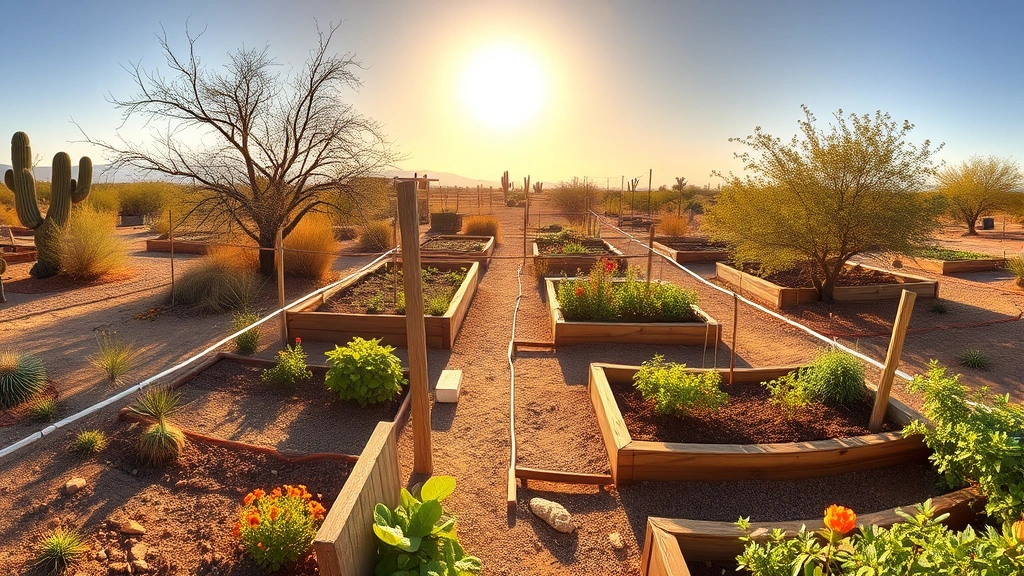
Incorporating organic matter is crucial for improving soil structure and water retention in this arid region. Adding 2-4 inches of compost, aged manure, or other organic materials helps acidify the soil slightly while increasing nutrient content and water-holding capacity. Building DIY raised garden beds with imported soil mixtures offers an excellent alternative for gardeners dealing with particularly challenging native soils, allowing complete control over soil composition and pH levels.
Sulfur amendments can gradually lower soil pH over time, though results take several months to manifest. For immediate results, consider using soil acidifiers or selecting plants naturally adapted to alkaline conditions. Mulching with 3-4 inches of wood chips or compost helps regulate soil temperature, conserve moisture, and continue breaking down organic matter as it decomposes, continually improving soil health year after year.
Best Plants for Garden City Growing Conditions
Successful gardening in Garden City requires selecting varieties proven to thrive in high desert conditions. Desert-adapted ornamentals like lantana, desert rose, esperanza, and Texas privet provide colorful landscaping while requiring minimal water once established. Native shrubs including creosote bush, cenizo, and fourwing saltbush offer authentic regional character while supporting local wildlife.
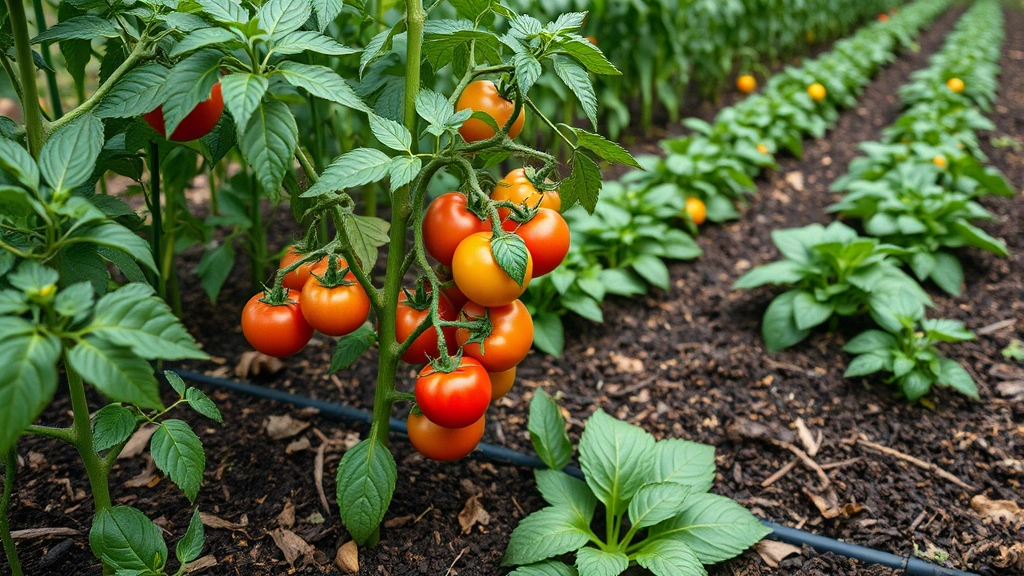
Vegetable gardening success depends on timing and variety selection. Spring crops should include cool-season vegetables like lettuce, spinach, broccoli, cabbage, and peas, planted after the April frost date for harvesting before late May heat. Fall gardens (planted in August-September) produce excellent yields of tomatoes, peppers, squash, and beans that mature during the cooler autumn months. Winter gardening is possible with cold frames or row covers, extending seasons for hardy greens and root vegetables.
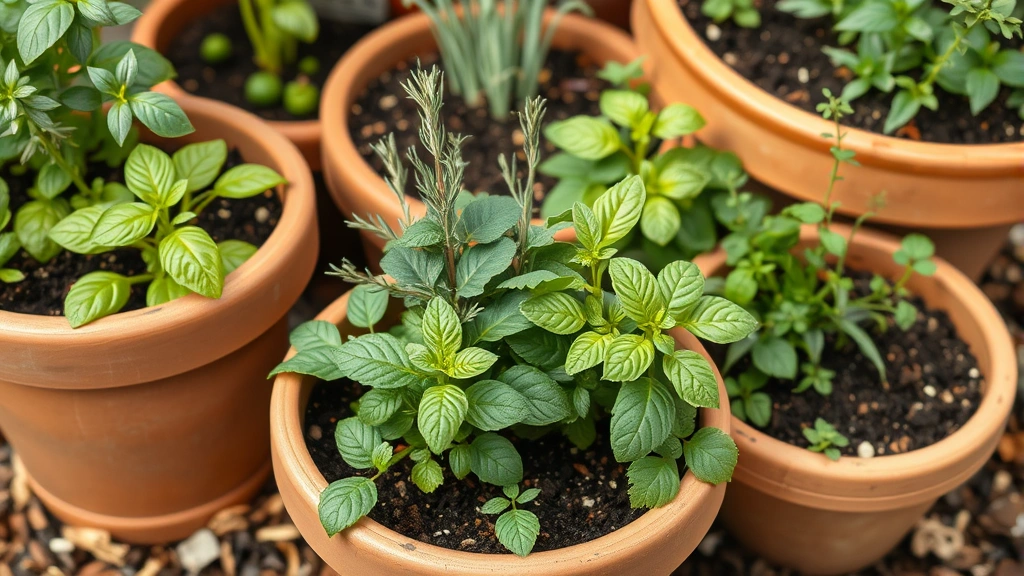
Fruit production requires careful variety selection and water management. Growing blueberries in containers allows you to control soil pH and provide consistent moisture, producing delicious berries despite Garden City’s alkaline soils. Peaches, apricots, and plums grow well when given afternoon shade and regular watering. Grapes, pomegranates, and figs thrive in the hot conditions when properly trained and pruned. Establishing herb garden planters near your kitchen provides fresh basil, oregano, rosemary, and thyme throughout the growing season with minimal maintenance.
Water Management and Irrigation Systems
Water conservation is paramount in Garden City’s arid climate. Drip irrigation systems deliver water directly to plant roots with minimal evaporation, reducing water consumption by 30-50% compared to overhead watering while improving plant health and reducing disease pressure. Soaker hoses and micro-sprinklers provide cost-effective alternatives for smaller gardens and container plantings.
Establishing proper watering schedules prevents both drought stress and overwatering problems. Most vegetables require 1-2 inches of water weekly during the growing season, delivered through deep watering less frequently rather than shallow, daily sprinkling. Morning watering is preferable, allowing foliage to dry quickly and reducing fungal disease risk. A retractable garden hose provides convenient water delivery while protecting your landscape from hose damage and tangling.
Mulching is your most important water conservation tool, reducing soil surface evaporation and maintaining consistent soil moisture. Apply 3-4 inches of organic mulch around plants, keeping it several inches away from plant stems to prevent rot. Mulch also moderates soil temperature fluctuations, critical during Garden City’s temperature extremes. In summer, mulch keeps roots cooler; in winter, it insulates against freezing temperatures.
Rainwater harvesting systems capture occasional precipitation for later use during dry periods. Even modest rain barrels (55-100 gallons) provide supplemental water during droughts. Installing rain gardens or berms directs roof runoff toward plant root zones, maximizing precipitation benefit. During extended dry periods, hand-watering selected priority plants ensures survival of newly established specimens and high-value crops.
Seasonal Planting Schedule for Garden City
Spring (March-May): After the mid-April frost date, plant warm-season vegetables including tomatoes, peppers, squash, cucumbers, and beans. Cool-season crops like lettuce, spinach, and peas should be planted in late February-early March for April-May harvesting before heat arrives. Transplant perennial herbs and ornamentals to establish root systems before summer heat.
Summer (June-August): Focus on maintenance and preservation during peak heat. Provide afternoon shade for sensitive crops using shade cloth or strategic planting near taller specimens. Water deeply and frequently, monitoring soil moisture carefully. This is ideal timing for soil improvement and mulch application. Plan fall garden preparations by ordering seeds and starting transplants indoors in July for August planting.
Fall (September-November): August-September planting produces the year’s best vegetable harvests. Direct seed beans, squash, and cucumbers in late August; transplant tomatoes and peppers in early September for October-November production. Plant cool-season crops (lettuce, broccoli, cabbage, carrots) in September-October for winter harvesting. Establish new perennial plantings to take advantage of cooler temperatures and natural fall rains.
Winter (December-February): Dormancy period for most tender plants, but cool-season vegetables thrive under row covers or in cold frames. Winter is ideal for landscape planning, soil amendment application, and pruning dormant shrubs and trees. Protect tender perennials with mulch or temporary structures during occasional freezes. Monitor irrigation needs, as established plants require less water during dormancy.
Container Gardening Solutions
Container gardening offers flexibility for Garden City gardeners managing challenging soils or limited space. Containers allow complete control over soil composition, essential for growing acid-loving plants in alkaline regions. Choose containers with drainage holes, using quality potting soil rather than garden soil, which compacts in containers and restricts root development.
Larger containers (12+ inches diameter) retain moisture better than small pots, critical in Garden City’s dry climate. Grouping containers together creates humid microclimates and reduces individual watering needs. Sinking containers partially into mulched beds insulates roots from extreme temperature fluctuations. Garden decor elements like decorative containers and plant stands add visual interest while serving functional purposes in your container garden arrangement.
Vegetables, herbs, and fruits perform excellently in containers when given consistent care. Cherry tomatoes, peppers, lettuce, basil, and strawberries are particularly well-suited to container production. Blueberries in containers provide fresh fruit while managing pH requirements impossible in native soils. Trailing herbs like thyme and oregano spill attractively from hanging baskets while providing fresh harvests for kitchen use.
Garden benches positioned near container gardens provide comfortable seating while allowing close observation of plant development and early pest detection. Containers placed on benches or elevated surfaces improve drainage, air circulation, and accessibility while creating visual depth in your garden design. Rotating containers periodically ensures even sunlight exposure and balanced growth.
Managing Pests and Diseases Locally
Garden City’s climate supports several persistent pest populations requiring integrated pest management approaches. Grasshoppers and locusts cause significant damage during hot, dry summers, managed through row covers for young plants and insecticidal soaps for severe infestations. Spider mites thrive in hot, dusty conditions; regular misting and maintaining plant vigor through proper watering reduces populations naturally.
Powdery mildew is common in Garden City’s low-humidity environment despite dry conditions, particularly on susceptible plants like squash, cucumbers, and ornamentals. Improving air circulation through pruning, spacing plants appropriately, and avoiding overhead watering prevents infection. Sulfur dust applications provide organic control when needed, most effective applied during cooler morning or evening hours to prevent leaf damage.
Whiteflies, aphids, and scale insects multiply rapidly in the warm climate. Encouraging beneficial insects through diverse plantings supports natural predation. Reflective mulches and row covers protect young plants from infestations. Insecticidal soaps and horticultural oils offer organic control options with minimal environmental impact when chemical interventions become necessary.
Soil-borne diseases like root rot and Fusarium wilt become problematic with inconsistent watering or poor drainage. Improving soil structure through organic matter incorporation, implementing proper drainage, and maintaining consistent moisture prevents most soil-borne issues. Rotating crops annually and selecting disease-resistant varieties further reduces disease pressure naturally.
Regular garden monitoring catches problems early when management is easiest. Inspect plant undersides for pest colonies, watch for disease symptoms, and remove affected plant material promptly. Maintaining healthy plants through proper nutrition, water management, and pruning provides the strongest natural defense against pests and diseases in any climate.
Frequently Asked Questions
What is the best time to plant vegetables in Garden City, TX?
Spring planting occurs after the mid-April frost date through May, producing early summer harvests. Fall planting (August-September) yields the best vegetable production, with crops maturing during October-November’s cooler temperatures. Winter gardening with cold frames extends seasons for hardy greens and root vegetables.
How much water do gardens need in Garden City’s climate?
Most vegetables require 1-2 inches of water weekly during growing seasons, delivered through deep watering less frequently than shallow daily sprinkling. Drip irrigation systems deliver water efficiently while reducing evaporation. Mulching conserves moisture and reduces total water requirements by 30-50%.
Can I grow acid-loving plants in Garden City?
Garden City’s alkaline soils make growing acid-loving plants challenging in ground. Container gardening with acidified potting soil provides the best solution. Growing blueberries in containers allows you to enjoy these nutritious fruits despite soil pH limitations. Sulfur amendments gradually lower soil pH over months, though results are slow.
What ornamental plants thrive in Garden City’s conditions?
Desert-adapted plants including lantana, desert rose, esperanza, and cenizo provide excellent landscaping while requiring minimal water once established. Native shrubs support local wildlife and require no supplemental irrigation after establishment. Grouping plants by water needs creates efficient irrigation zones.
How do I protect plants from Garden City’s intense summer heat?
Shade cloth (30-50% density) protects sensitive crops during peak summer. Planting tender vegetables near taller plants provides natural afternoon shade. Consistent deep watering, heavy mulching, and increasing irrigation frequency during heat waves prevent drought stress. Fall planting avoids peak heat entirely.
What’s the best approach to improving Garden City’s alkaline soils?
Incorporate 2-4 inches of compost or aged manure annually to improve soil structure and water retention. Building DIY raised garden beds with imported soil offers complete control over pH and composition. Sulfur amendments gradually acidify soil, though results take several months. Mulching continues improving soil as organic matter breaks down.
Are there herbs that grow well in Garden City?
Mediterranean herbs including rosemary, oregano, thyme, and sage thrive in Garden City’s hot, dry conditions. Basil performs well during warm months with regular watering. Herb garden planters positioned near kitchens provide convenient fresh harvests while managing moisture and soil conditions. Most herbs require minimal fertilizer and pest management.
What external resources help Garden City gardeners?
The Texas A&M AgriLife Extension Service provides local gardening expertise, soil testing, and pest identification assistance. The South Plains Master Gardener Association offers regional training and community support. The United States Botanic Garden provides plant information and growing guides. The USDA Plant Hardiness Zone Database helps identify appropriate plant varieties for your specific location. Local cooperative extension offices provide seasonal gardening workshops and personalized advice.