
Emerald Garden Design Ideas: Expert Insights for Lush, Vibrant Spaces
An emerald garden represents one of the most sophisticated and timeless approaches to landscape design, combining rich green hues with strategic plant placement to create spaces that feel both luxurious and naturally inviting. Whether you’re working with a sprawling backyard or a modest urban plot, emerald garden design principles can transform your outdoor space into a serene sanctuary that evolves beautifully throughout the seasons. The color emerald itself—a deep, jewel-toned green—serves as the foundation for creating gardens that feel grounded, peaceful, and perpetually vibrant.
Creating an emerald garden goes far beyond simply planting green vegetation. It requires thoughtful consideration of plant varieties, layering techniques, texture combinations, and structural elements that work in harmony to achieve that coveted lush aesthetic. Expert gardeners understand that the most successful emerald gardens balance different shades of green, incorporate varied foliage textures, and integrate hardscaping elements that complement rather than compete with the botanical focus. This comprehensive guide explores proven strategies for designing emerald gardens that thrive in various climates and growing conditions.
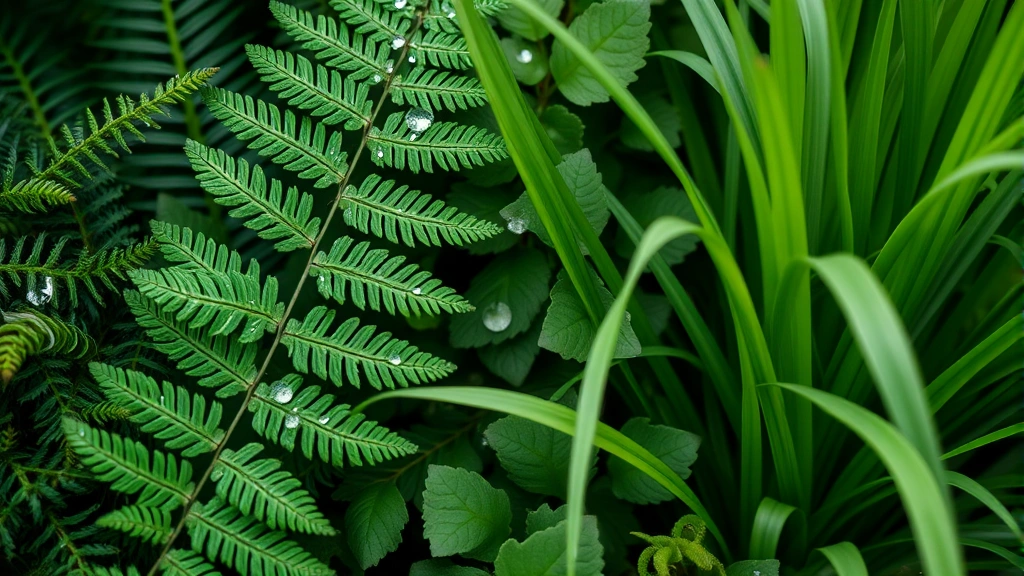
Understanding Emerald Garden Design Principles
The foundation of any successful emerald garden lies in understanding the core design principles that make these spaces visually striking and botanically sound. Emerald gardens prioritize verdancy—the quality of being green and lush—as the primary aesthetic goal, which means every plant selection should contribute to this overarching vision. This doesn’t mean monotony; rather, it means cultivating a sophisticated palette of greens that range from pale chartreuse to deep forest tones, creating visual interest through variation rather than color contrast.
One of the most important principles in emerald garden design is the concept of layering. Professional landscape designers typically work with three to four distinct layers: the canopy layer (tall trees), the understory layer (shrubs and small trees), the herbaceous layer (perennials and groundcovers), and the ground layer (moss, low-growing plants, and hardscaping). Each layer should be intentionally designed to support the overall emerald aesthetic while providing structural integrity and seasonal interest. When these layers work together harmoniously, they create the sense of depth and complexity that distinguishes truly exceptional emerald gardens from simple green spaces.
Texture plays an equally crucial role in emerald garden design. Varying leaf textures—from fine, delicate foliage to bold, architectural leaves—creates visual movement and prevents the garden from feeling flat or monotonous. Consider how light interacts with different leaf surfaces; glossy foliage reflects light differently than matte leaves, and this interplay of light and shadow adds dimensionality to your design. When combined with strategic plant placement, textural variation transforms an emerald garden into a dynamic, engaging space that rewards close observation.
Scale and proportion are equally important considerations. An emerald garden should feel balanced and proportionate to its surrounding landscape. Large, open yards can accommodate bigger plantings and taller specimens, while smaller spaces benefit from compact, multi-functional plants that provide year-round structure without overwhelming the area. Understanding how plants grow and develop over time helps ensure your emerald garden maintains its intended proportions as it matures.
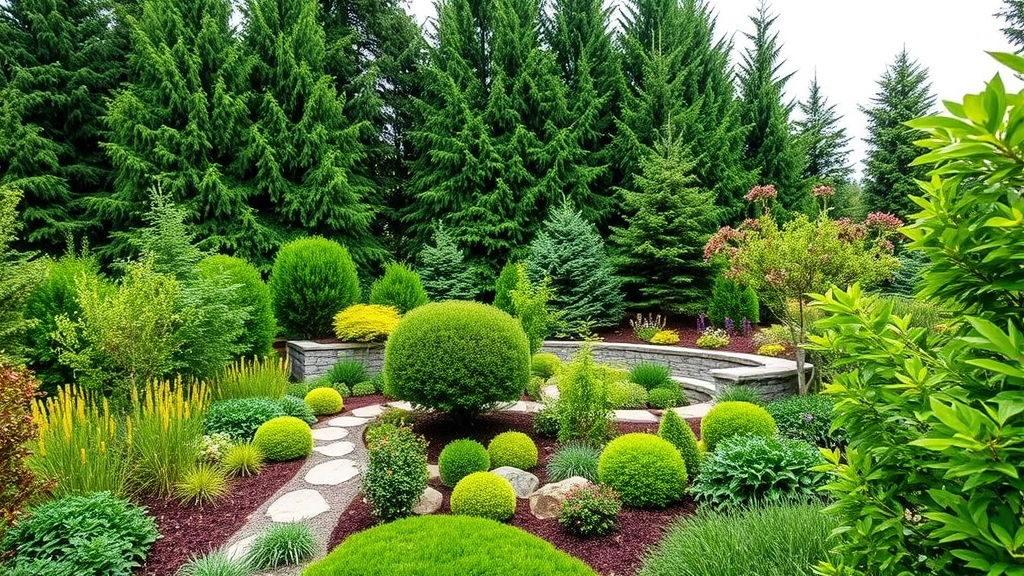
Selecting the Right Plants for Emerald Gardens
The backbone of any emerald garden consists of carefully selected plants that thrive in your specific climate zone while contributing to the desired aesthetic. Small evergreen garden plants form the foundation of most emerald designs, as they provide year-round structure and color consistency. Evergreens are invaluable in emerald gardens because they maintain their foliage throughout all seasons, ensuring your garden never loses its verdant character even during winter dormancy periods.
Excellent evergreen choices for emerald gardens include boxwoods, which offer fine-textured foliage and respond well to shaping; hollies, which provide glossy leaves and structural interest; and various species of conifers that add architectural form and varying shades of green. Dwarf Alberta spruces, emerald green arborvitaes, and compact junipers work particularly well in smaller spaces, while larger varieties can serve as focal points or screening elements in more expansive gardens. When selecting evergreens, consider their mature size, growth rate, and specific environmental requirements to ensure long-term success.
Deciduous trees and shrubs also belong in emerald gardens, particularly those with attractive foliage characteristics. Japanese maples, with their delicate, deeply lobed leaves, provide exceptional textural interest and come in numerous green cultivars. Hydrangeas contribute substantial foliage mass and seasonal variation without relying on flower color, while their large leaves create bold visual statements. Serviceberry, dogwood, and other native deciduous species offer the advantage of supporting local wildlife while maintaining the emerald aesthetic through their leafy presence.
Perennial plantings should emphasize foliage over flowers in emerald garden designs. Hostas, with their diverse leaf sizes and patterns, are nearly indispensable for shaded emerald gardens. Ferns provide unparalleled textural delicacy and thrive in moist, shaded conditions where many other plants struggle. Sedges and ornamental grasses add movement and fine texture, while larger perennials like rodgersia and astilbe create bold architectural forms. Even flowering perennials like garden phlox can work in emerald gardens when their foliage is particularly attractive and their flower colors complement the green palette.
Groundcovers are essential for completing the layered emerald garden aesthetic. Creeping thyme, ajuga, and various moss species create living carpets that soften hardscaping edges and provide textural interest at ground level. Ivy varieties, both English and other species, can be used strategically to clothe walls, fences, or tree trunks, adding vertical dimension to the emerald palette. Careful selection and management of groundcovers prevents them from becoming invasive while maximizing their design potential.
Creating Depth and Layers in Your Design
Professional emerald garden design relies heavily on the principle of layering to create spaces that feel expansive, complex, and deeply engaging. The canopy layer—your tallest trees—should be selected carefully to provide overhead structure without excessive shade that prevents lower layers from thriving. Native shade trees like oaks, maples, and birches work beautifully in many regions, while ornamental varieties like Japanese tree lilac or paperbark maple add refined character.
The understory layer consists of shrubs and small trees ranging from 6 to 15 feet tall. This is where you’ll incorporate many of your evergreen selections, creating the structural backbone that gives emerald gardens their characteristic density and year-round appeal. Spacing understory plants appropriately ensures adequate light penetration while maintaining the sense of lushness that defines the emerald aesthetic. In mature emerald gardens, you should be able to see through the understory to appreciate the canopy above while still feeling enclosed and sheltered.
The herbaceous layer—perennials, groundcovers, and smaller shrubs—creates the visual and textural richness that brings emerald gardens to life at eye level. This is where you’ll employ maximum variation in foliage texture, leaf size, and plant form. Combining fine-textured ferns with bold-leaved hostas, delicate ornamental grasses with architectural sedums creates the visual complexity that prevents emerald gardens from feeling static or boring. This layer should be designed to provide continuous coverage and visual interest from spring through fall.
Creating depth also involves strategic use of sight lines and focal points. In larger emerald gardens, winding paths that reveal new vistas encourage exploration and create a sense of discovery. Subtle focal points—a sculpture, specimen plant, or water feature—draw the eye and provide resting places for visual attention. In smaller gardens, creating the illusion of depth through perspective techniques, such as narrowing paths or placing taller plants toward the back, makes spaces feel larger and more complex than they actually are.
Hardscaping and Structural Elements
While plants form the heart of emerald garden design, hardscaping elements provide essential structure, functionality, and visual contrast. Pathways, patios, and edging should be selected to complement the verdant aesthetic without competing for visual attention. Natural materials like stone, wood, and gravel work particularly well in emerald gardens because they harmonize with the botanical focus while providing practical functionality.
Raised garden beds can be integrated beautifully into emerald garden designs, particularly when constructed from natural materials. A cedar garden bed provides not only functional growing space but also adds warm, natural tones that complement green foliage. Cedar’s natural durability and aesthetic appeal make it an excellent choice for emerald gardens. When filled with best soil for raised garden beds, these structures become focal points that provide both practical growing space and design interest.
For gardeners seeking alternative raised bed construction methods, raised garden beds breeze blocks offer a more contemporary aesthetic while maintaining functionality. These modular systems work particularly well in modern emerald gardens where clean lines and geometric forms complement the organic plant material. The neutral tones of concrete breeze blocks recede visually, allowing the plants within and around them to take center stage.
Water features—ponds, streams, fountains, or simple birdbaths—add another dimension to emerald gardens. The sound and movement of water provide sensory enrichment, while reflective surfaces multiply the visual impact of green foliage. Even small water features can create significant atmospheric effects, drawing wildlife and creating focal points that anchor garden designs. Edging these features with shade-loving plants like hostas and ferns creates seamless transitions between water and land.
Fencing and screening elements help define garden spaces while supporting climbing plants like ivy or clematis. Living walls created from trained ivy or espaliered shrubs serve as both privacy screens and dynamic botanical displays. Arbors and trellises provide vertical structure that breaks up flat expanses while supporting climbing plants that extend the emerald palette upward.
Seasonal Maintenance and Care
Maintaining an emerald garden’s lush appearance throughout the seasons requires consistent attention and strategic pruning. Spring maintenance focuses on removing winter damage, cutting back dead foliage from perennials, and applying fresh mulch to refresh the garden’s appearance. As new growth emerges, selective pruning encourages fuller, more attractive plant forms while maintaining the layered structure you’ve worked to establish.
Summer care emphasizes watering, particularly during dry periods, as consistent moisture is essential for maintaining the vibrant green tones that define emerald gardens. Deadheading spent flowers on flowering perennials redirects energy toward foliage production and prevents self-seeding of unwanted varieties. Summer is also the ideal time for best garden shears work, including light shaping of evergreens and removal of any branches that disrupt the intended form or proportion.
Fall maintenance involves removing fallen leaves (though some can be left as beneficial mulch), preparing perennials for winter dormancy, and applying dormant oil to evergreens if pest management is needed. Fall is an excellent time to evaluate your emerald garden’s performance and plan additions or modifications for the following season. Planting new specimens in fall gives them time to establish root systems before spring growth begins.
Winter care, while minimal in most regions, includes monitoring for snow damage on evergreens, particularly those with upright forms that can be damaged by heavy snow loads. In harsh climates, applying anti-desiccant sprays to evergreens protects them from winter burn. Winter also provides an opportunity to observe your garden’s structural elements and appreciate the framework that evergreens provide when deciduous plants are bare.
Consistent fertilization supports the vigorous growth necessary for emerald gardens to maintain their lush appearance. Applying balanced, slow-release fertilizers in spring and early summer provides steady nutrient availability without promoting excessive soft growth that’s prone to pest damage. Mulching with organic materials like shredded bark or compost improves soil health while maintaining the natural aesthetic that characterizes emerald gardens.
Small Space Emerald Garden Solutions
Creating an emerald garden in limited space requires strategic plant selection and creative design techniques that maximize visual impact while respecting spatial constraints. Vertical gardening becomes essential in small spaces, utilizing walls, fences, and arbors to extend the planting palette upward. Ivy-covered walls, hanging planters with trailing foliage plants, and trellised shrubs all contribute to the emerald aesthetic while using minimal ground-level space.
Container gardening offers remarkable flexibility for small-space emerald gardens. Large planters filled with shade-loving plants like hostas, ferns, and Japanese maples create focal points while allowing seasonal rotation and flexibility in design. Grouping containers of varying heights and sizes creates visual interest and maximizes the impact of limited plant material. Using containers also simplifies soil management, allowing you to provide optimal growing conditions for plants that might struggle in your native soil.
Selecting compact plant varieties ensures small emerald gardens don’t become overgrown and chaotic. Dwarf cultivars of boxwood, holly, and conifers provide structure without overwhelming limited space. Slow-growing plants like Japanese maples and dwarf Alberta spruces develop character and presence over time without requiring constant pruning to maintain proportions. Choosing plants with multiple seasons of interest—attractive foliage in summer, interesting branching in winter, perhaps colorful new growth in spring—maximizes the design value of each plant in a space-conscious garden.
Hardscaping becomes even more important in small emerald gardens, where it should occupy only 20-30% of the total space while providing essential functionality and design structure. A small patio or seating area surrounded by densely planted greenery creates an intimate sanctuary that feels larger than its actual dimensions. Narrow winding paths encourage exploration and create the illusion of greater space through strategic sight-line management.
Lighting design significantly enhances small emerald gardens, particularly in urban settings where overhead light may be limited. Subtle uplighting on key plants, pathway lighting that guides movement through the space, and accent lighting on architectural elements extend the garden’s usability and visual appeal into evening hours. Thoughtfully placed lighting also multiplies the visual impact of foliage by creating interesting shadows and highlighting textural details.
FAQ
What’s the best time to plant an emerald garden?
Early spring and fall are ideal planting times for most emerald garden plants. Spring planting allows plants to establish roots during the growing season, while fall planting gives plants time to develop strong root systems before winter dormancy. In mild climates, fall planting often produces superior results as plants experience less transplant shock and benefit from cool-season root development.
How much sunlight does an emerald garden need?
Emerald gardens can thrive in various light conditions, though most perform best in partial shade (3-6 hours of sunlight daily). Many traditional emerald garden plants like hostas, ferns, and Japanese maples are shade-tolerant, making these gardens excellent choices for properties with limited sun exposure. However, emerald gardens can also succeed in sunnier locations when plant selections emphasize sun-tolerant evergreens and shade-creating canopy trees.
What soil amendments improve emerald garden success?
Most emerald garden plants prefer rich, well-draining soil with abundant organic matter. Incorporating compost, aged manure, or peat moss improves soil structure, water retention, and nutrient availability. Regular mulching with organic materials replenishes organic matter as it decomposes, continuously improving soil health. Testing soil pH helps ensure it matches the requirements of your selected plants, as many emerald garden favorites prefer slightly acidic conditions.
Can emerald gardens work in hot, dry climates?
While traditional emerald gardens thrive in temperate, moisture-rich climates, adapted versions can succeed in hotter, drier regions. Selecting drought-tolerant evergreens like junipers, rosemary, and lavender; incorporating extensive mulching to conserve soil moisture; and using drip irrigation systems all help emerald gardens succeed in challenging climates. Providing afternoon shade through canopy trees and strategic hardscaping also reduces water stress and heat damage.
How do I prevent my emerald garden from becoming overgrown?
Selecting plants appropriate to your space’s mature dimensions prevents the need for excessive pruning. Spacing plants according to their mature size ensures they develop naturally without crowding. Regular, light pruning throughout the growing season maintains plant form more effectively than occasional heavy pruning. Understanding each plant’s growth rate and characteristics helps you make informed selections that won’t outgrow their intended space.
What’s the difference between emerald gardens and traditional shade gardens?
While emerald gardens often incorporate shade-tolerant plants, they specifically emphasize green foliage and verdancy as the primary aesthetic goal, whereas traditional shade gardens may feature flowering plants, variegated foliage, or other design elements. Emerald gardens are a specialized design approach that prioritizes the beauty of green foliage in all its textural and tonal variations, creating a cohesive, sophisticated aesthetic that differs from more eclectic shade garden designs.


