Elevated Garden Beds? Lowe’s Top Picks for Your Backyard Oasis
Elevated garden beds have revolutionized how home gardeners approach vegetable cultivation, herb growing, and ornamental planting. These raised structures offer superior drainage, easier access, and better pest management compared to traditional in-ground gardens. Lowe’s has become a go-to destination for quality elevated garden bed options, offering everything from pre-made kits to individual materials for custom builds.
Whether you’re a seasoned gardener looking to expand your growing space or a beginner eager to start your first vegetable garden, understanding what Lowe’s has to offer can save you time, money, and frustration. This comprehensive guide walks you through the best elevated garden bed options available at Lowe’s, helping you make an informed decision based on your space, budget, and gardening goals.
Why Choose Elevated Garden Beds
Elevated garden beds provide numerous advantages over traditional ground-level gardening. First and foremost, they offer exceptional drainage, which prevents waterlogging and root rot—common problems in areas with heavy rainfall or clay-based soil. By raising your planting area, you create an environment where water naturally flows away from plant roots, promoting healthier growth and reducing disease incidence.
The ergonomic benefits cannot be overstated. When you’re working with an elevated garden bed, you spend less time bending at the waist and kneeling on the ground. This makes gardening more accessible for seniors, individuals with mobility issues, and anyone who wants to reduce physical strain during planting, weeding, and harvesting activities.
Pest control becomes significantly easier with elevated beds. Many common garden pests, including slugs, snails, and certain burrowing insects, struggle to reach plants positioned higher off the ground. You can also install protective barriers and netting more effectively around elevated structures. Additionally, elevated beds allow you to use fresh, quality soil from the start—whether you choose premium Lowes garden soil or create your own custom blend.
Temperature regulation is another significant advantage. Elevated beds warm up faster in spring because the soil receives more direct sunlight and air circulation. This extends your growing season in both directions, allowing you to plant earlier in spring and continue harvesting later into fall. The improved soil warmth also accelerates seed germination and promotes stronger root development throughout the growing season.
Lowe’s Pre-Made Elevated Garden Bed Kits
Lowe’s offers several pre-made elevated garden bed kits that appeal to different gardeners based on convenience and budget preferences. These kits come partially assembled or with all materials included, eliminating the need to source individual components from multiple locations.
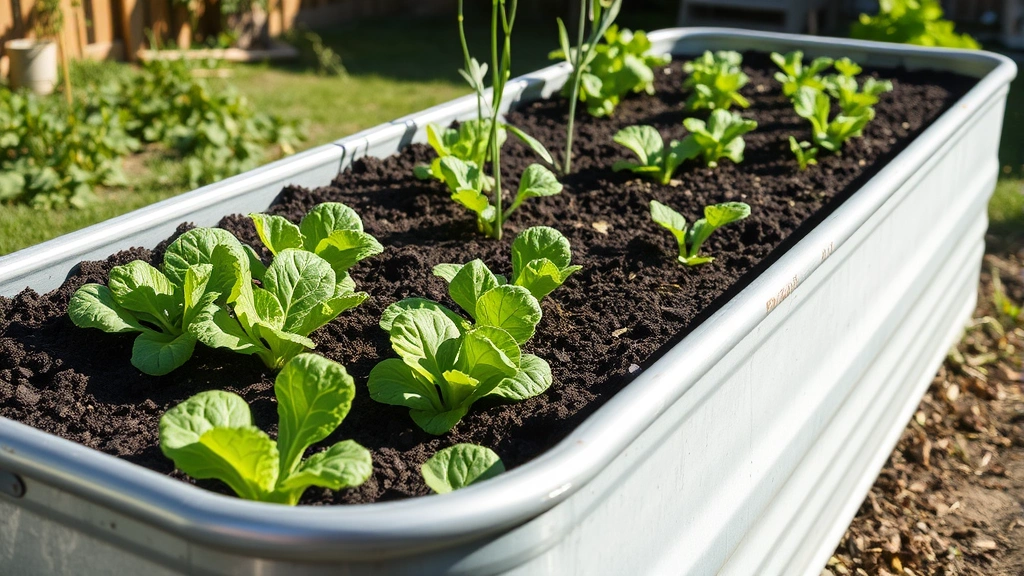
Metal Raised Bed Kits: Among Lowe’s most popular options, galvanized metal elevated beds provide excellent durability and modern aesthetics. These typically come in standard dimensions like 4×8 feet, 4×4 feet, and 2×4 feet, with varying heights from 6 to 12 inches. The galvanized finish resists rust and weathering, making these beds suitable for long-term use in various climates. Metal beds heat up quickly in spring, which can be advantageous for warm-season crops but may require mulching in extremely hot climates.
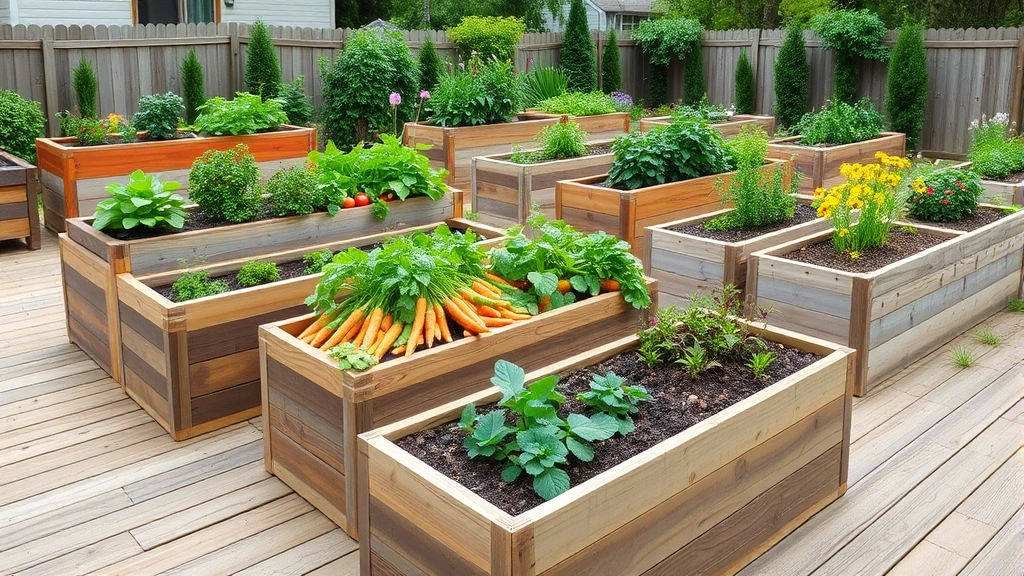
Wood Composite Kits: For gardeners seeking a more natural aesthetic, wood composite elevated beds offer the appearance of traditional wood construction without the maintenance requirements. These materials resist rot, insects, and weathering better than untreated wood. Lowe’s carries several brands featuring composite materials that maintain their appearance for years without staining, sealing, or replacement.
Treated Wood Options: Traditional pressure-treated wood elevated beds remain popular and affordable. Modern pressure-treated lumber uses copper-based preservatives rather than the arsenic compounds of older formulations, making them safe for vegetable gardening. These beds offer classic aesthetics and good structural integrity when properly maintained.
Vinyl and Plastic Alternatives: For budget-conscious gardeners or those with limited space, Lowe’s stocks smaller plastic and vinyl elevated bed options. While these don’t offer the same durability as metal or composite materials, they work well for apartment dwellers, patios, and temporary garden installations.
Material Options and Durability
Selecting the right material for your elevated garden bed determines how long your investment will last and how much maintenance you’ll invest over time. Understanding the pros and cons of each material helps you make the best choice for your specific situation.
Galvanized Steel Benefits: Galvanized metal beds offer superior durability, typically lasting 15-20 years or longer with minimal maintenance. The zinc coating prevents rust formation, and the rigid structure maintains shape even when filled with heavy soil and water. These beds don’t require staining, sealing, or replacement of rotted boards. They’re ideal for gardeners who want a permanent installation that requires minimal upkeep.
Wood Composite Longevity: High-quality composite materials engineered for outdoor use can last 10-15 years or more. Unlike wood, they won’t splinter, rot, or attract insects. However, some composite materials may fade over time and could develop surface discoloration. They’re heavier than wood, which provides stability but makes repositioning challenging.
Pressure-Treated Wood Considerations: Modern pressure-treated wood remains a viable option for budget-conscious gardeners. These boards typically last 10-15 years before showing significant deterioration. To extend the lifespan, avoid direct soil contact by lining the interior with landscape fabric or plastic. Untreated wood, while inexpensive initially, deteriorates within 3-5 years, requiring replacement or significant repairs.
Aesthetic Factors: Your choice of material should complement your landscape design. Metal beds suit contemporary gardens and offer clean lines. Wood composite materials work well in traditional settings. The color options available at Lowe’s range from natural wood tones to modern grays and blacks, allowing you to coordinate with your home’s exterior.
Size and Depth Considerations
Choosing the right dimensions for your elevated garden bed directly impacts which plants you can grow and how successful your gardening will be. Lowe’s offers various sizes to accommodate different spaces and plant requirements.
Bed Depth Requirements: Most vegetables require at least 8-10 inches of soil depth for shallow-rooted crops like lettuce, spinach, and radishes. Medium-rooted vegetables like beets and bush beans need 10-12 inches. Deep-rooted crops including tomatoes, peppers, carrots, and root vegetables require 12-18 inches of quality soil. Consider the specific plants you want to grow before selecting bed depth.
Standard Dimensions: Lowe’s carries 4×8 foot beds, which provide 32 square feet of growing space—adequate for a family of four’s vegetable needs. The 4×4 foot option works well for small spaces or dedicated herb gardens. Smaller 2×4 foot and 3×3 foot beds suit patios, balconies, and tight spaces. The standard 4-foot width allows you to reach the center from either side without stepping into the bed.
Space Optimization: Before purchasing, measure your available space carefully, accounting for walkways and access paths. Consider sun exposure patterns, as most vegetables require 6-8 hours of direct sunlight daily. Elevated beds can be positioned in partial shade for heat-sensitive plants like lettuce during summer months.
Accessibility Planning: If you’re designing a garden for accessibility purposes, position beds 18-24 inches high with knee space underneath. This height allows seated gardeners and wheelchair users to work comfortably. Lowe’s taller elevated bed options specifically address these accessibility needs.
Cost Breakdown and Budget Planning
Understanding the total cost of your elevated garden bed project helps you allocate your gardening budget effectively. Lowe’s pricing varies significantly based on materials, size, and included components.
Kit Pricing: Pre-made metal elevated bed kits typically range from $100-$400 depending on size and material quality. A standard 4×8 foot galvanized metal bed usually costs $200-$300. Wood composite kits run $150-$350 for similar dimensions. Treated wood kits offer the most budget-friendly option at $80-$200 for standard sizes.
Additional Material Costs: Beyond the bed structure itself, budget for quality Lowes garden soil, which typically costs $50-$150 depending on volume and soil quality. A 4×8 foot bed filled to 12 inches deep requires approximately 32 cubic feet of soil. Landscape fabric, hardware, and optional accessories add another $20-$50.
Long-Term Value: While metal beds represent a higher initial investment, they offer excellent long-term value through durability and minimal maintenance. Wood beds require more frequent replacement but have lower upfront costs. Calculate your cost per year of use to make an informed financial decision.
Seasonal Sales: Lowe’s frequently offers discounts on garden beds during spring planting season and fall clearance sales. Signing up for Lowe’s email alerts or checking their website regularly can help you catch sales and promotions that reduce your project costs significantly.
Installation Tips for Success
Proper installation ensures your elevated garden bed functions optimally and lasts as long as possible. Lowe’s kits typically include detailed instructions, but understanding the fundamental principles helps you avoid common mistakes.
Site Preparation: Choose a level location for your bed, as uneven ground can cause water pooling and structural stress. Remove grass, weeds, and debris from the installation area. If the ground is significantly sloped, you may need to excavate or build up portions to create a level base. This foundational step prevents long-term settling and drainage problems.
Assembly Process: For metal kit beds, follow the manufacturer’s instructions carefully, ensuring all connections are tight and secure. Wood beds require proper corner bracing to prevent spreading under the weight of soil. If you’re uncomfortable with assembly, many Lowe’s locations offer installation services for an additional fee.
Drainage Setup: Ensure your elevated bed has adequate drainage by not placing it directly on impermeable surfaces like concrete. If installing on a patio, use landscape fabric underneath to allow water penetration while preventing soil loss. For metal beds, the open bottom design naturally provides excellent drainage.
Soil Filling: Fill your bed with quality garden soil, not potting mix (which is too expensive for large-scale use) or topsoil alone (which lacks nutrients). A blend of quality garden soil, compost, and aged manure creates an ideal growing medium. Wet the soil as you fill to help it settle and eliminate air pockets.
Mulching Application: After planting, apply 2-3 inches of mulch to retain moisture, regulate soil temperature, and suppress weeds. Wood chips, straw, or shredded leaves work well. This reduces your watering frequency and creates a healthier growing environment.
Best Plants for Elevated Beds
Elevated garden beds work excellently for a wide range of plants, but certain crops thrive particularly well in this growing environment. Understanding plant compatibility helps you maximize your harvest and maintain garden health.
Vegetable Champions: Tomatoes, peppers, and eggplants flourish in elevated beds with consistent drainage and warming. Leafy greens like lettuce, kale, and spinach benefit from the controlled environment and protection from ground-level pests. Root vegetables including carrots, beets, and radishes develop straight, unblemished in the loose, quality soil. Beans, peas, and squash produce prolifically when given adequate depth and sunlight.
Herb Garden Success: Elevated beds provide the perfect home for herb garden sage and other Mediterranean herbs requiring excellent drainage. Basil, oregano, thyme, rosemary, and parsley thrive in raised beds, offering easy access for harvesting while cooking. The improved drainage prevents the root rot that often kills herbs in poorly draining ground-level gardens.
Berry Production: Strawberries and alpine varieties produce abundantly in shallow elevated beds, with the added benefit of better pest protection. The raised height makes harvesting easier and keeps berries cleaner and less susceptible to slug damage compared to ground-level plantings.
Pest Management Benefits: The elevation provides natural protection against squirrels and other ground-dwelling pests, though you may still need netting protection for birds and flying insects. The improved air circulation around elevated beds reduces fungal diseases common in dense ground-level plantings.
Maintenance and Seasonal Care
Maintaining your elevated garden bed throughout the year ensures consistent productivity and extends the lifespan of your investment. Different seasons present unique challenges and opportunities for garden management.
Spring Preparation: As soil warms in spring, refresh your bed’s soil by adding 2-3 inches of quality compost or aged manure. This replenishes nutrients and organic matter depleted by the previous season’s crops. Test soil pH and adjust if necessary before planting warm-season crops. Install trellises or support structures for vertical-growing plants early in the season.
Summer Management: Maintain consistent moisture during hot months through regular watering, as elevated beds drain faster than ground-level gardens. Mulch heavily to conserve moisture and keep soil temperatures moderate. Monitor for pests and diseases regularly, addressing problems early before they spread. Deadhead flowers and harvest vegetables regularly to encourage continued production.
Fall Transition: Plant cool-season crops like lettuce, kale, and root vegetables in late summer for fall harvest. Consider growing coffee grounds in garden beds to add organic matter and nitrogen for fall crops. Cut back spent plants and add them to compost piles rather than leaving them in beds to harbor overwintering pests.
Winter Protection: In cold climates, mulch heavily to insulate soil and protect perennial herbs. Cover beds with landscape fabric or row covers to extend the growing season for cold-hardy crops. For deciduous regions, elevated beds can be left to rest, with annual mulch application providing insulation and organic matter for spring.
Annual Refreshing: Each year, add compost or aged manure to replace depleted organic matter. This maintains soil structure, improves water retention, and provides slow-release nutrients for your plants. Every 3-4 years, consider completely refreshing the soil in your bed, recycling old soil into landscape areas or compost piles.
Structural Maintenance: Inspect your elevated bed regularly for damage or deterioration. Tighten any loose bolts or connections in metal beds. For wood beds, check for rot or insect damage, replacing compromised sections as needed. This preventive maintenance catches problems early before they affect your plants or compromise structural integrity.
FAQ
What size elevated garden bed should I choose for a beginner?
A 4×4 foot bed provides 16 square feet of growing space—an ideal size for beginners. This dimensions allows you to reach the center from all sides without stepping in the bed, minimizes maintenance requirements, and provides sufficient space to grow a variety of crops without overwhelming you with work.
Can I use untreated wood for my elevated garden bed?
While untreated wood is less expensive initially, it typically deteriorates within 3-5 years, requiring replacement. Pressure-treated wood or composite materials offer better long-term value. If using untreated wood, line the interior with landscape fabric to extend the lifespan and prevent soil from directly contacting the wood.
How often should I water my elevated garden bed?
Elevated beds typically require more frequent watering than ground-level gardens due to improved drainage. Water when the top inch of soil feels dry to the touch. This usually means daily watering during hot summer months, but depends on rainfall, humidity, and soil composition. Mulching reduces watering frequency significantly.
Can I grow vegetables year-round in an elevated bed?
Yes, with proper planning and plant selection. Plant cold-hardy vegetables like kale, spinach, and root crops in fall for winter harvest in mild climates. Use row covers or cold frames to extend the season further. In cold climates, season extension techniques allow fall and early winter gardening.
What’s the best soil mix for Lowe’s elevated garden beds?
A combination of quality garden soil (60%), compost (30%), and aged manure (10%) creates an ideal growing medium. This blend provides nutrients, organic matter, and drainage. You can also purchase pre-made garden soil blends at Lowe’s designed specifically for raised beds.
Do elevated beds attract more pests?
Elevated beds actually reduce many ground-level pest problems by keeping plants away from slugs, snails, and burrowing insects. However, you may need protection against birds and flying insects. The improved air circulation and drainage reduce fungal diseases that affect ground-level gardens.
How much does it cost to set up a complete elevated garden bed system?
A complete system including the bed structure, soil, amendments, and tools typically costs $200-$600 depending on size and material choices. A standard 4×8 foot metal bed with quality soil and basic accessories usually runs $300-$400, making it a reasonable investment for years of productive gardening.
Can I move my Lowe’s elevated garden bed if needed?
Metal beds can be disassembled and relocated, though the process is labor-intensive once filled with soil. Composite and wood beds are more difficult to move. If you think you might relocate your bed, metal options provide better flexibility. Consider placement carefully before installation to minimize future moving needs.