
Deer Fence for Garden? Expert Solutions Inside
Deer damage to gardens represents one of the most frustrating challenges gardeners face, particularly in suburban and rural areas where wildlife populations thrive. A single deer can consume up to 10 pounds of vegetation daily, decimating carefully cultivated plants, vegetables, and ornamentals in just one evening. If you’ve watched your prized plants disappear overnight or noticed telltale hoof prints and stripped bark, you understand the urgency of implementing effective deer protection strategies.
Installing a proper deer fence for garden protection is often the most reliable solution available to homeowners. Unlike repellents that fade in effectiveness or require constant reapplication, a well-constructed fence creates a physical barrier that deer cannot easily breach. This comprehensive guide explores everything you need to know about selecting, installing, and maintaining deer fencing systems that actually work.
Understanding Deer Behavior and Why Fences Work
Deer are creatures of habit and preference. They follow established trails, typically moving between bedding areas and feeding grounds during dawn and dusk hours. Unlike some animals that test barriers repeatedly, deer generally avoid jumping over obstacles they cannot clearly see beyond. This behavioral characteristic makes fencing an exceptionally effective deterrent when designed properly.
White-tailed deer, the most common garden raiders in North America, can jump heights exceeding eight feet when motivated. However, they prefer to avoid jumping whenever possible, viewing it as an unnecessary expenditure of energy. A well-constructed fence exploits this natural reluctance by creating an obstacle that appears too risky or difficult to overcome. The psychological barrier often proves as important as the physical one.
Deer also struggle with narrow gaps and unstable surfaces. They require solid footing and clear visibility to feel confident jumping. This is why angled fencing, double fencing, and designs that create visual confusion are particularly effective. Understanding these behavioral patterns allows you to design a fence that works with deer psychology rather than simply relying on brute strength.

Types of Deer Fencing Systems
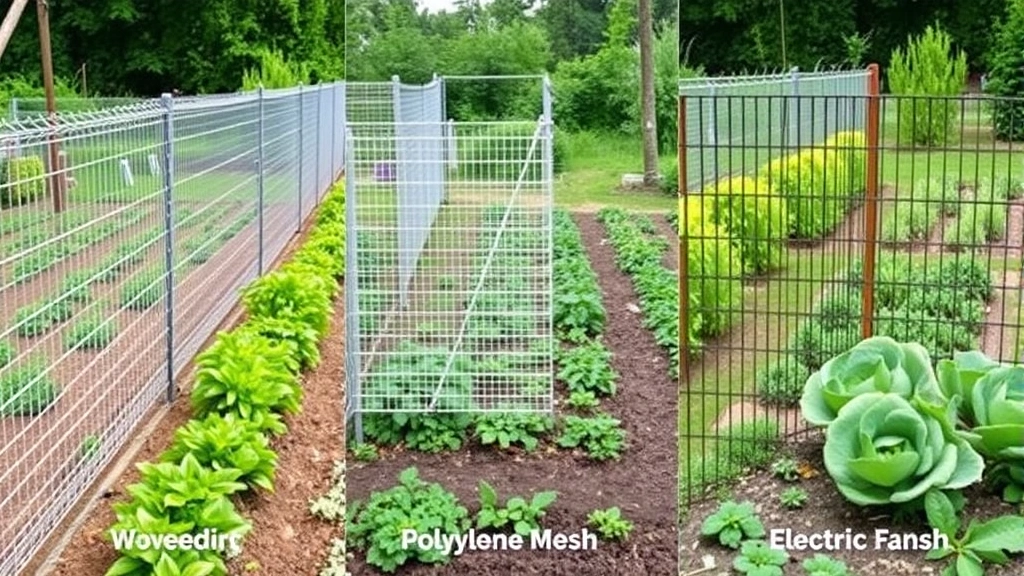
Woven Wire Fencing remains the most popular option for residential gardens. Typically constructed from galvanized steel, woven wire fencing provides excellent durability and visibility. Standard agricultural fencing comes in various heights, with 6-foot being the minimum recommendation for deer protection. The woven pattern creates a solid visual barrier that deer perceive as impenetrable, discouraging jumping attempts. This fencing style works well when integrated with metal garden edging for a cohesive landscape appearance.
Electric Fencing offers an innovative alternative that uses psychological conditioning rather than physical barriers. A properly installed electric fence delivers a memorable but harmless shock that teaches deer to avoid the area. This system works best when combined with visual elements like flags or tape that alert animals to the fence’s presence. Electric fencing requires consistent maintenance to ensure proper voltage and vegetation control around the perimeter.
Polypropylene Mesh Fencing provides a lightweight, affordable option that’s gaining popularity among gardeners. This high-tensile synthetic material resists UV degradation and lasts 15-20 years with minimal maintenance. The semi-transparent nature of mesh fencing creates visual confusion for deer while remaining relatively inconspicuous in the landscape. Installation is straightforward and requires fewer posts than traditional wire fencing.
Double Fencing Systems involve two parallel fences spaced 4-6 feet apart. This design forces deer to navigate a narrow corridor they cannot comfortably jump within, making the enclosed space feel too confined and risky. While requiring more materials and space, double fencing provides exceptional reliability in high-pressure deer areas.
Angled or Slanted Fencing extends the top of the fence outward at a 45-degree angle, effectively increasing the jumping distance required without adding height. A 4-foot fence with a 2-foot angled extension creates a formidable barrier that deer typically avoid. This design works particularly well in smaller gardens where space permits the outward extension.
Height Requirements and Design Specifications
The most critical factor in deer fence design is height. Research from horticultural extension services consistently demonstrates that fences under 6 feet tall provide inadequate protection in most situations. While deer can jump higher, a 6-foot minimum creates a psychological barrier combined with practical difficulty that deters most jumping attempts.
In areas with extremely high deer populations or where particularly motivated deer have demonstrated jumping ability, 8-foot fencing becomes necessary. Conversely, in low-pressure areas where deer populations remain minimal, a well-designed 5-foot fence with visual elements may suffice. Assess your local deer pressure by observing tracks, scat, and browse patterns before finalizing fence height.
The bottom of the fence deserves equal attention to the top. Deer will burrow under inadequate fencing, particularly young deer or does with fawns. Bury fencing at least 6 inches deep, bending the bottom 12 inches outward to create an underground barrier that prevents tunneling. Alternatively, create a tight seal to the ground by overlapping fence material and securing it firmly with landscape staples every 12 inches.
Post spacing significantly impacts fence stability and effectiveness. Space posts 6-8 feet apart for woven wire fencing, ensuring they’re firmly set in concrete footings at least 2 feet deep. Closer spacing may be necessary in areas with heavy snow load or extreme wind conditions. Posts should be at least 4×4 inches for wooden construction or 2-3 inch diameter for metal, providing the rigidity necessary to support deer pressure.
The fence line itself should be smooth and free of gaps. Deer will exploit any opening larger than 6 inches, squeezing through seemingly impossibly small spaces. Regularly inspect your fence for damage, sagging sections, or gaps created by ground settling. A single breach point can render an otherwise excellent fence ineffective.
Installation Best Practices
Proper installation determines whether your deer fence becomes a long-term asset or a frustrating failure. Begin by planning your fence line carefully, walking the perimeter and marking post locations with bright tape or paint. Consider sight lines, existing landscape features, and future garden expansion when determining the optimal route.
Prepare the ground before beginning installation. Remove vegetation, rocks, and debris from the fence line. For woven wire fencing, ensure the ground is relatively level to maintain consistent height and prevent gaps at ground level. Grade changes of more than 12 inches require careful planning—either stepping the fence down the slope or adjusting post heights to maintain consistent fence height relative to the ground.
Set posts in concrete footings rather than simply driving them into soil. Dig holes 2-3 feet deep, place posts, and fill with concrete mixed to manufacturer specifications. This prevents settling and leaning that compromises fence integrity. Allow concrete to cure fully (typically 48 hours) before applying tension to the fence.
Install fencing material with consistent tension throughout. For woven wire, begin at a corner post and work your way around the perimeter, maintaining even pressure. Secure with fence staples spaced 6-8 inches apart vertically and 12 inches apart horizontally. Avoid over-tightening, which can distort the fence material and create weak points.
When installing electric fencing, follow manufacturer guidelines carefully regarding voltage requirements, grounding specifications, and vegetation clearance. Most electric fence systems require a minimum 2-inch clearance from vegetation to prevent shorts. Establish a solid ground rod system, typically consisting of multiple 6-foot copper rods spaced 10 feet apart and connected with copper wire.
For raised bed gardens, consider portable or removable fencing options that accommodate seasonal changes. Lightweight polypropylene fencing works particularly well for this application, allowing you to adjust protection as different crops mature and become attractive to browsing deer.
Maintenance and Longevity
A properly installed deer fence requires minimal maintenance but benefits from regular inspection and seasonal care. Walk your fence perimeter quarterly, checking for sagging sections, rust development, vegetation damage, or gaps created by settling or frost heave. Address issues immediately to prevent small problems from becoming major failures.
Vegetation management around the fence is critical for both safety and longevity. Keep brush and trees cleared at least 8 feet from the fence line to prevent deer from using them as jumping platforms. Trim low-hanging branches that might provide handholds or create visual confusion. This clearance also allows you to inspect the fence thoroughly and prevents vegetation from damaging or concealing damage.
Woven wire fencing typically lasts 15-20 years when properly installed with galvanized materials. Rust development indicates compromised protection and should prompt replacement of affected sections. Inspect staples annually, re-driving any that have worked loose. Wooden posts may require treatment or replacement after 10-15 years depending on climate and wood species.
Electric fencing systems require more intensive maintenance. Test voltage regularly using a multimeter to ensure adequate charge. Clear vegetation from around fence lines monthly during growing season. Inspect insulators for cracks or contamination that might prevent proper operation. Battery or solar power systems need seasonal checks and may require annual replacement of batteries.
Polypropylene mesh fencing resists UV degradation better than most materials and requires primarily visual inspection for tears or damage. Repair small tears with fence patch kits or replacement sections. The synthetic material doesn’t rust and requires no chemical treatment, making long-term maintenance straightforward.
Combining Fencing with Other Strategies
While fencing provides the most reliable protection, combining it with additional strategies creates a comprehensive defense system that addresses different aspects of deer behavior. This multi-layered approach often proves more cost-effective than relying solely on fencing, particularly in moderate-pressure situations.
Plant Selection significantly impacts garden vulnerability. Deer have strong preferences, avoiding bitter, aromatic, or toxic plants while eagerly consuming tender vegetables and ornamentals. Incorporating deer-resistant plants within your fenced area reduces overall pressure and provides attractive alternatives outside protected zones. Native plants adapted to your region typically offer better deer resistance than exotic ornamentals.
Repellent applications work best as supplementary measures. Capsaicin-based sprays, predator urine products, and commercial deer repellents provide short-term protection for unfenced areas or newly transplanted sensitive plants. Rotate products monthly to prevent habituation, as deer quickly learn to ignore ineffective deterrents. Reapply after rain or according to product directions.
Motion-activated sprinklers and sound devices provide psychological deterrence that complements physical barriers. These systems work best in smaller areas and tend to lose effectiveness as deer habituate, but they’re valuable for protecting specific high-value plants or newly fenced areas during the adjustment period.
Scare tactics including reflective tape, predator decoys, or noise makers offer temporary relief during peak deer activity periods. Combine multiple scare tactics and rotate them frequently to maintain effectiveness. Many successful gardeners use these methods during early spring and fall migration periods when deer populations increase.
Creating wildlife corridors and alternative food sources in designated areas can reduce pressure on gardens. Establishing native plantings in buffer zones between developed areas and natural habitat encourages deer to utilize less managed spaces. This landscape-level approach requires community coordination but provides long-term population management benefits.
When considering vertical gardening structures, remember that elevated growing spaces naturally provide some deer protection. Deer struggle with awkward angles and elevated access points, making tiered gardens and tower systems valuable components of comprehensive protection strategies.
For specialty gardens like bonsai collections, targeted fencing around display areas may prove more practical than enclosing entire gardens. Create protected microclimates for your most valuable plants while using less intensive methods in surrounding areas.
FAQ
What is the minimum height for an effective deer fence?
Most experts recommend a minimum of 6 feet for adequate protection in moderate to high deer pressure areas. However, 5 feet may suffice in low-pressure situations, particularly when combined with visual deterrents or angled extensions. In extreme cases with very high deer populations, 8-foot fencing becomes necessary.
Can deer jump over an 8-foot fence?
While white-tailed deer can technically jump heights exceeding 8 feet, they rarely do so when other options exist. An 8-foot fence combined with proper design elements (no visual clear-over, no jumping platforms nearby) creates a formidable barrier that deer typically avoid. The psychological component of fence design often matters more than absolute height.
Is electric fencing effective for deer protection?
Electric fencing can be highly effective when properly installed and maintained. Deer learn quickly to associate the fence with negative consequences and typically avoid it after one or two contacts. Success depends on consistent voltage, proper grounding, and visibility elements that alert deer to the fence’s presence.
How deep should deer fence be buried?
Bury fencing at least 6 inches deep with an additional 12-inch section bent outward at ground level to prevent tunneling. This creates both a vertical and horizontal barrier that discourages burrowing under the fence. In areas with persistent burrowing problems, increase burial depth to 12 inches.
What materials last longest for deer fencing?
Galvanized woven wire fencing typically lasts 15-20 years, while polypropylene mesh fencing can last 15-20+ years due to UV resistance. Electric fencing lifespan depends on component quality and maintenance. Wooden posts typically require replacement after 10-15 years depending on climate and treatment.
Can I use a shorter fence if I add an angled extension?
Yes, angled or slanted fencing effectively increases the jumping distance required. A 4-foot fence with a 2-foot angled extension extending outward at 45 degrees creates a barrier equivalent to a 6-foot vertical fence. This design works well in space-limited situations.
How often should I maintain my deer fence?
Inspect your fence quarterly for damage, sagging, or gaps. Perform vegetation management around the fence line monthly during growing season. Check staples and hardware annually, re-driving or replacing as needed. Most properly installed fencing requires minimal active maintenance between inspections.
Will deer eventually learn to jump my fence?
Deer don’t “learn” to jump higher fences in the way some people imagine. Instead, they assess risk and effort. A properly designed 6-foot fence with no jumping platforms nearby and consistent height discourages jumping attempts. Habituation occurs with ineffective deterrents, not with well-designed physical barriers.


