Cedar Garden Bed Benefits: Expert Insights on Building Better Raised Gardens
Cedar garden beds have become increasingly popular among gardeners seeking durable, attractive, and functional growing spaces. Whether you’re a seasoned horticulturist or a beginner looking to establish your first raised bed, understanding the specific advantages of cedar construction can help you make an informed decision about your garden infrastructure. Cedar offers a unique combination of natural durability, aesthetic appeal, and practical benefits that distinguish it from other common raised bed materials.
In this comprehensive guide, we’ll explore the multifaceted benefits of cedar garden beds, from their natural pest-resistant properties to their environmental considerations. We’ll examine how cedar compares to alternative materials, discuss proper installation and maintenance, and provide expert insights to help you maximize your investment in this garden infrastructure. By the end, you’ll understand why many experienced gardeners choose cedar and how to get the most from your cedar garden bed.
Natural Durability and Longevity
Cedar wood possesses inherent qualities that make it exceptionally durable for outdoor garden applications. Unlike softwoods such as pine or spruce, cedar contains natural oils and compounds that provide resistance to decay, rot, and weathering. These properties extend the lifespan of cedar garden beds significantly, often lasting 10-20 years or more with proper care, compared to 5-10 years for untreated pine alternatives.
The heartwood of cedar—the inner, darker portion of the tree—contains concentrated levels of these protective compounds. When you select cedar lumber for your garden bed, you’re benefiting from wood that naturally resists the moisture infiltration that causes deterioration in other materials. This resistance means your cedar bed maintains its structural integrity through multiple growing seasons, freeze-thaw cycles, and exposure to constant moisture from soil and irrigation.
Cedar’s natural durability also means you won’t need to apply chemical treatments or sealants to achieve longevity, unlike pressure-treated lumber alternatives. This characteristic makes cedar an attractive choice for gardeners who prioritize organic growing practices and want to minimize chemical exposure in their growing environment. The wood gradually weathers to an attractive silver-gray patina if left untreated, or you can apply natural finishes to maintain its original color.

Cedar’s Pest and Disease Resistance
One of the most compelling benefits of cedar garden beds is their natural resistance to insects and fungal diseases. Cedar wood contains aromatic compounds, particularly thujaplicin and other volatile oils, that deter common garden pests including termites, carpenter ants, and various wood-boring insects. These same compounds inhibit fungal growth that typically causes wood decay.
This pest resistance means your cedar bed itself remains protected from damage while also providing some benefits to the plants growing within it. The aromatic properties of cedar can help repel certain garden pests, though this effect is most pronounced when the wood is freshly cut. Over time, as the wood weathers, the aromatic intensity diminishes, but the structural pest resistance remains intact.
When combined with proper soil selection for raised garden beds, cedar’s natural properties create an environment less hospitable to soil-borne diseases. The good drainage characteristics of properly installed cedar beds, combined with the wood’s fungal resistance, help prevent the moisture accumulation that promotes pathogenic fungi and root diseases in susceptible plants.
If you’re growing herbs like mint in containers or raised beds, the cedar construction provides an additional layer of protection against pest problems that can quickly overwhelm herbaceous plants in moist environments.
Aesthetic and Design Advantages
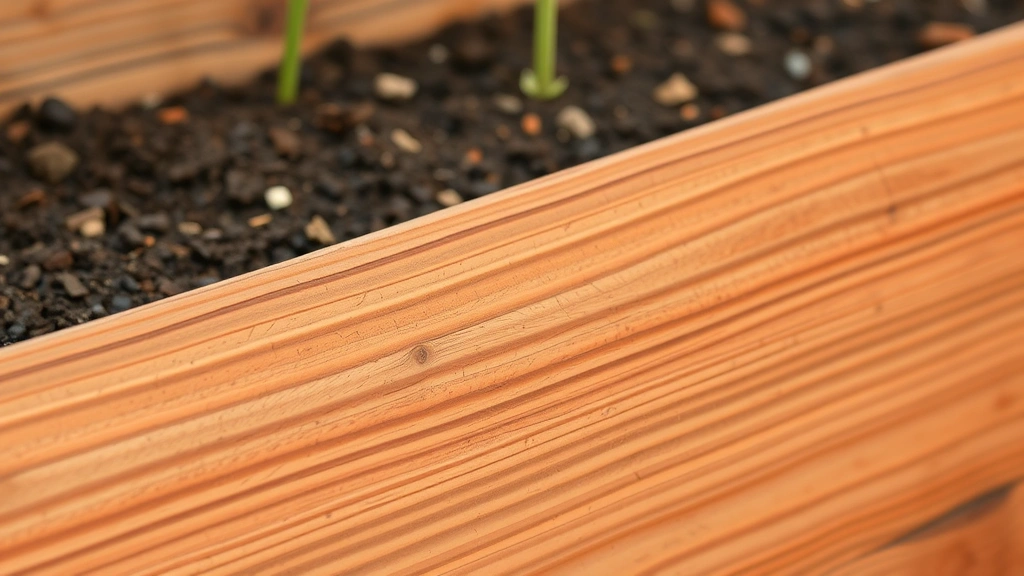
Cedar garden beds offer significant visual appeal that enhances your overall landscape design. The warm, reddish-brown color of freshly milled cedar provides immediate aesthetic value, creating defined, attractive growing spaces that complement both formal and informal garden designs. This visual appeal can increase your home’s curb appeal and create a polished, intentional appearance for your vegetable or ornamental gardens.
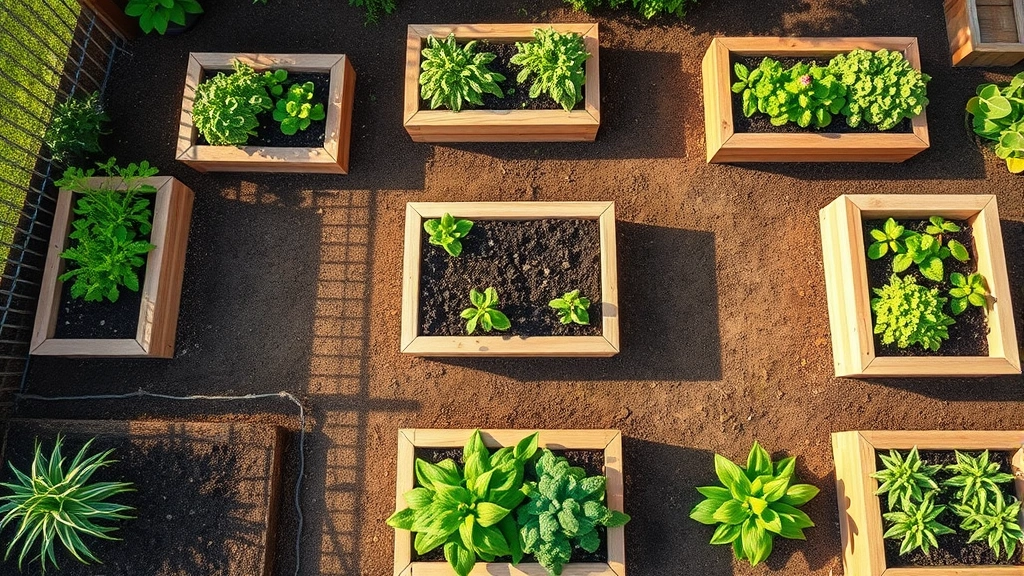
The wood’s natural grain and color variations add visual interest and character that synthetic or composite alternatives cannot match. Cedar integrates seamlessly into garden landscapes, creating a sense of permanence and intentional design. Whether you’re building a small 4×8 bed for herbs or a series of interconnected beds for a comprehensive kitchen garden, cedar provides the flexibility to match your aesthetic vision.
Cedar’s workability also means you can customize your garden beds to fit specific spaces and design requirements. The wood is easier to cut, drill, and modify than harder woods, allowing you to create tiered beds, curved edges, or specific dimensions that match your garden layout precisely. This customization potential makes cedar ideal for gardeners with creative design ideas or unique space constraints.
Beyond the beds themselves, cedar’s attractive appearance means you might incorporate it into complementary garden structures. Many gardeners who install cedar beds also add cedar trellises, arbors, or other garden features that create a cohesive, professionally designed appearance throughout their growing space.
Environmental and Health Considerations
Cedar represents a more environmentally conscious choice compared to pressure-treated lumber, which contains chemical preservatives that can potentially leach into soil over time. Western red cedar, the most common species used for garden beds, grows in managed forests and regenerates relatively quickly, making it a sustainable resource when sourced responsibly.
Unlike composite materials that combine plastic and wood fibers—creating products that never fully decompose—cedar is completely biodegradable. At the end of its useful life, your cedar bed can be composted or naturally recycled, leaving no persistent waste. This environmental advantage appeals to gardeners who prioritize sustainability and want to minimize their ecological footprint.
For gardeners concerned about chemical exposure in their food production, cedar’s natural durability without chemical treatment is particularly valuable. You can grow vegetables, herbs, and fruits in your cedar bed without worrying about synthetic preservatives or treatments leaching into the soil where your edible plants feed. This peace of mind is especially important for families growing produce for consumption.
The natural oils in cedar also contribute to a healthier growing environment by providing some antimicrobial properties that support beneficial soil microorganisms while inhibiting pathogenic organisms. This creates a more balanced soil ecosystem that supports plant health naturally.
Installation and Setup Best Practices
Proper installation is crucial for maximizing the benefits of your cedar garden bed. Begin by selecting a level location that receives appropriate sunlight for your intended plants. Clear the area of grass, weeds, and debris, then position your cedar frame. For beds built directly on soil, avoid placing cedar directly on wet ground—use landscape fabric or cardboard as a moisture barrier between the soil and the wood.
When assembling your cedar bed, use galvanized or stainless steel fasteners rather than standard steel bolts or nails, which will rust and potentially damage the wood. These corrosion-resistant fasteners ensure your bed remains structurally sound for years. Cedar wood screws are ideal, as they hold better than nails and won’t work loose over time.
For larger beds, consider adding internal bracing or supports to prevent the sides from bowing outward under the weight of moist soil. Beds wider than 3-4 feet benefit from cross-bracing or additional support boards, particularly in the first year before the wood fully settles.
Fill your cedar bed with high-quality soil formulated for raised garden beds, which typically combines topsoil, compost, and other amendments to create an ideal growing medium. Avoid packing the soil too densely; it should be loose enough to allow good root penetration and water drainage.
Maintenance and Care Guide
Maintaining your cedar garden bed ensures maximum longevity and continued aesthetic appeal. In the first year, monitor your bed for any settling or shifting, and adjust soil levels as needed. The wood will naturally begin to weather and change color—this is normal and doesn’t affect durability.
To preserve the original cedar color and protect the wood from weathering, consider applying a natural finish such as linseed oil or a cedar-specific sealer every 2-3 years. These treatments maintain the wood’s appearance while enhancing its weather resistance. Avoid paint or solid stains that can trap moisture and actually accelerate decay.
Inspect your cedar bed annually for any signs of damage, rot, or pest issues. While cedar is naturally resistant to these problems, addressing any issues promptly prevents them from spreading. Check the corners and joints where moisture might accumulate, as these areas are most susceptible to eventual deterioration.
Keep your bed clear of debris and dead plant material that might trap moisture against the wood. At the end of each growing season, remove spent plants and excess mulch, allowing the wood to dry thoroughly before winter. In areas with extreme weather, consider removing any accumulated leaves or snow that might prevent proper air circulation around the bed.
If you notice small cracks developing in the wood, these are typically cosmetic and don’t affect structural integrity or longevity. Cedar naturally shrinks and expands with seasonal moisture changes, and minor checking (surface cracking) is a normal part of this process.
Cost Analysis and Value Proposition
While cedar garden beds require a higher initial investment than untreated pine alternatives, the superior longevity and reduced maintenance requirements often make them more economical over time. A quality cedar bed might cost 30-50% more than pine initially, but lasting 15-20 years instead of 5-10 years represents significant long-term value.
When calculating total cost of ownership, consider that cedar requires no chemical treatments and minimal maintenance compared to alternatives. You won’t need to replace the bed as frequently, and you’ll avoid the cost of replacement wood, reassembly, and disruption to your garden layout.
The aesthetic benefits also add value by enhancing your property’s appearance and potentially increasing curb appeal. For homeowners concerned about property values, the attractive appearance of a well-maintained cedar bed contributes to overall landscape quality in ways that affect home desirability.
For serious gardeners planning to maintain permanent growing spaces for many years, cedar’s cost-benefit ratio becomes even more favorable. The investment in quality cedar beds pays dividends through years of reliable, attractive growing space without the worry of structural failure or chemical concerns.
Selecting the Right Soil for Your Cedar Bed
The benefits of your cedar garden bed extend beyond the wood itself to the growing environment you create within it. Selecting appropriate soil for your raised garden bed maximizes the advantages of your cedar construction. A well-draining soil mix prevents moisture from accumulating against the wood while providing excellent growing conditions for your plants.
Ideal soil for cedar beds combines topsoil, compost, and other organic amendments in proportions that suit your specific plants. Vegetables and herbs typically thrive in soil with 40-50% compost, while ornamental plants might prefer slightly less organic matter. The raised bed format allows you to create custom soil conditions regardless of your native soil quality.
When you combine cedar’s natural durability with premium soil, you create an optimal growing environment. The good drainage characteristics of raised beds prevent the waterlogged conditions that stress plants and promote disease. This synergy between cedar’s properties and proper soil selection results in healthier, more productive plants.
Protecting your garden from pests extends to preventing squirrels and other wildlife from damaging your beds, which becomes easier when your growing space is elevated and well-defined by your cedar structure. The raised format itself provides some protection while the attractive appearance of your cedar bed makes adding protective netting or fencing more visually acceptable.
FAQ
How long do cedar garden beds typically last?
Quality cedar garden beds typically last 10-20 years or more with minimal maintenance. The lifespan depends on climate conditions, soil moisture levels, and how well you maintain the wood. In drier climates, cedar beds may last even longer, while very wet regions might see slightly shorter lifespans. Regular maintenance and occasional sealing can extend longevity further.
Is cedar safe for growing edible plants?
Yes, cedar is completely safe for growing vegetables, herbs, and fruits. Unlike pressure-treated lumber containing chemical preservatives, cedar’s natural durability comes from inherent wood properties that don’t leach into soil. This makes it an excellent choice for food production and organic gardening practices.
Do cedar beds need to be sealed or stained?
Cedar beds don’t require sealing to remain durable, though optional sealing can preserve the wood’s original color and enhance weather resistance. If you prefer the natural weathered appearance, no treatment is necessary. If you want to maintain the warm reddish-brown color, apply natural finishes like linseed oil every 2-3 years.
What’s the difference between cedar and composite raised beds?
Cedar is a natural wood that eventually biodegrades, requires minimal maintenance, and offers aesthetic appeal. Composite beds combine plastic and wood fibers, never decompose, and resist rot but may contain synthetic materials. Cedar costs more initially but lasts longer and feels more natural in garden settings.
Can I use cedar boards from a lumberyard, or do I need special garden bed kits?
You can absolutely build cedar beds from standard lumber boards available at most lumberyards. Specify western red cedar heartwood for best durability. Garden bed kits offer convenience with pre-cut materials and fasteners, but purchasing individual boards often provides better value and customization options.
How do I prevent my cedar bed from bowing outward?
Prevent bowing by using internal bracing for beds wider than 3-4 feet, using quality fasteners that won’t loosen, and ensuring proper soil moisture (not waterlogged). For very large beds, consider building multiple smaller connected beds rather than one expansive bed. Proper installation with reinforcement prevents structural problems.
Are there any pests or diseases cedar beds are susceptible to?
Cedar is naturally resistant to most wood-boring insects and fungal decay. However, extremely wet conditions or direct soil contact without barriers can eventually lead to issues. Proper installation with moisture barriers and good drainage prevents these rare problems. Cedar’s natural properties provide excellent protection compared to alternative materials.


