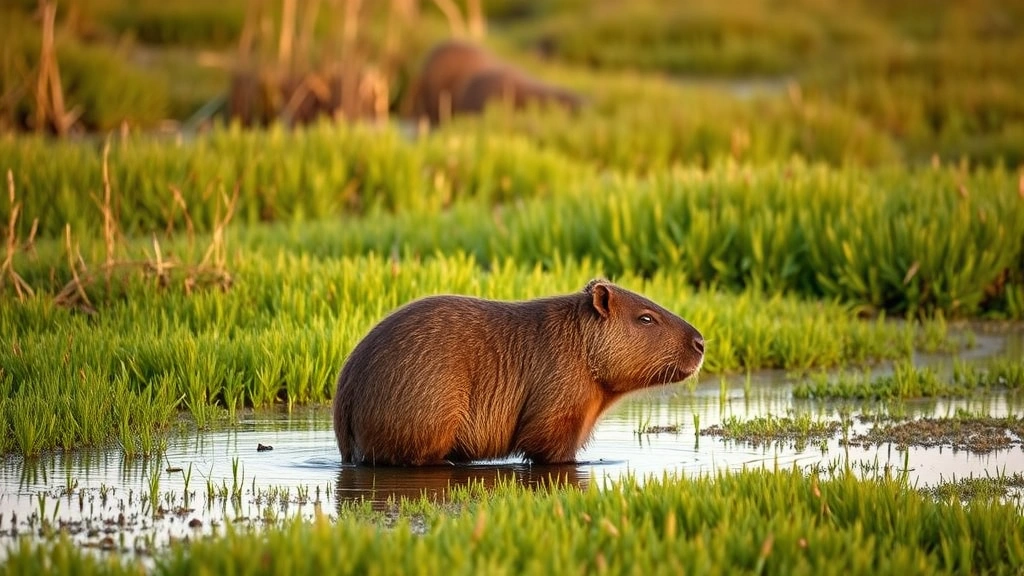
Can Capybaras Help in Gardening? Expert Insights
Capybaras, the world’s largest living rodents, have captured the imagination of gardeners and animal enthusiasts alike. These gentle, semi-aquatic mammals native to South America have become increasingly popular in discussions about alternative garden management strategies. While capybaras are undeniably fascinating creatures, the question of whether they can genuinely assist in gardening requires a nuanced examination of their behavior, dietary preferences, and practical implications for home gardeners.
The idea of using capybaras for garden maintenance stems from their herbivorous diet and grazing habits. However, the reality of incorporating these large animals into a typical gardening operation presents significant challenges and considerations that every gardener should understand before entertaining such a notion.
Understanding Capybara Behavior and Diet
Capybaras are herbivorous grazers that can weigh between 77 to 146 pounds, making them substantial animals with significant appetites. In their natural habitat along riverbanks and wetlands throughout South America, capybaras spend much of their day grazing on grasses, aquatic vegetation, and various plant materials. Their digestive system is designed to process large quantities of fibrous plant matter efficiently.
When considering capybaras for garden use, understanding their feeding preferences becomes critical. These animals are indiscriminate grazers, meaning they will consume whatever vegetation is available rather than selectively targeting problem plants or weeds. They demonstrate a preference for grasses and herbaceous plants, which might seem beneficial for lawn maintenance. However, capybaras will equally consume desirable garden plants, vegetables, and ornamental species without discrimination.
Capybaras are social animals that naturally live in groups ranging from 10 to 100 individuals in the wild. A single capybara can consume up to 3.5 pounds of grass daily, while a group would require substantially more vegetation. This dietary requirement means that maintaining capybaras for garden purposes would necessitate a significant land area dedicated entirely to feeding these animals, leaving little space for actual gardening.
Their behavior patterns also include being primarily active during dawn and dusk, with extended rest periods during the hottest parts of the day. Capybaras are excellent swimmers and require regular access to water for thermoregulation and comfort. These behavioral needs make them poorly suited to confined garden environments where they might cause stress and behavioral problems.
Potential Garden Benefits and Limitations
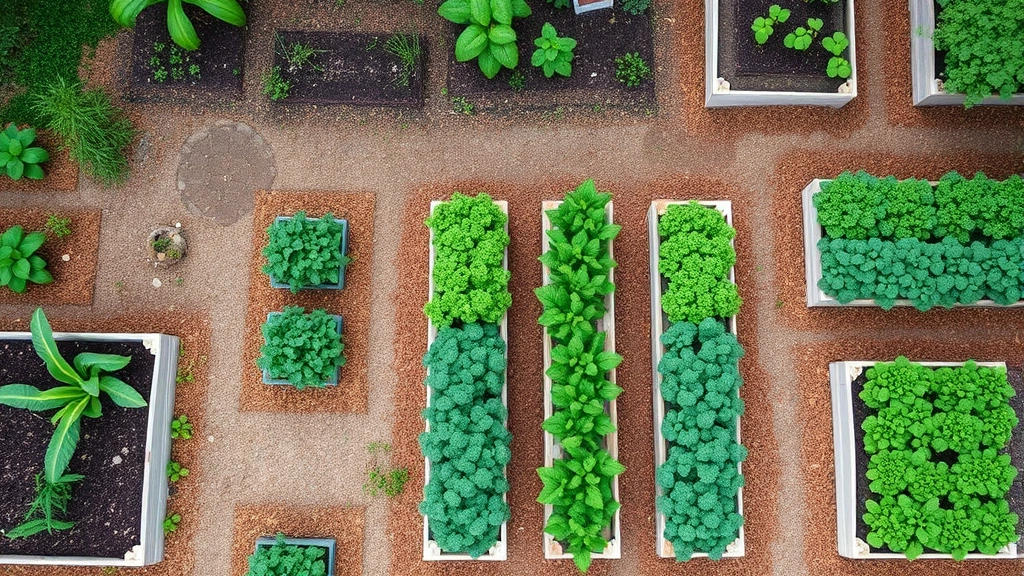
On the surface, using capybaras for garden maintenance appears to offer certain theoretical advantages. Their grazing activity could theoretically reduce grass overgrowth and eliminate some weeds without chemical herbicides. For gardeners interested in organic approaches to land management, the idea of natural animal grazing holds appeal. However, the practical benefits quickly diminish when examining real-world gardening scenarios.
The primary limitation is selectivity. Unlike certain specialized animals used in agriculture—such as goats for brush clearing or chickens for pest control—capybaras cannot distinguish between desirable plants and undesirable vegetation. If you maintain a vegetable garden layout with carefully planned crop placement, capybaras would consume your vegetables with the same enthusiasm they display toward weeds. Your prized ornamentals, succulent garden specimens, and landscape investments would face constant danger.
Capybaras also create compaction damage through their movement across garden areas. Their substantial weight causes soil compaction, which reduces soil porosity, impedes water infiltration, and restricts root development for garden plants. This damage would require significant remediation efforts, including aeration and soil amendment, negating any benefits from vegetation management.
Additionally, capybaras are destructive diggers. They create burrows and wallows, excavating areas to cool themselves and rest. These activities would destroy garden beds, damage irrigation systems, and create unsightly holes throughout your gardening space. The structural damage alone would require constant repair and maintenance.
Another critical factor involves waste management. A capybara produces substantial quantities of fecal matter daily. While herbivore manure can be beneficial for gardens when properly composted, the volume and concentrated deposition patterns of capybara waste would create sanitation challenges, potential pathogen issues, and overwhelming organic matter that would require sophisticated management systems.
Capybaras vs. Traditional Garden Management
When comparing capybaras to established garden management techniques, the superiority of traditional methods becomes evident. Modern gardening has developed numerous effective, proven strategies for weed control, pest management, and vegetation maintenance that offer far greater precision and reliability than relying on animal grazing.
Mulching, one of the most fundamental garden practices, provides superior weed suppression compared to capybara grazing. A well-applied mulch layer blocks sunlight from reaching weed seeds, prevents germination, and reduces moisture loss from soil. This approach works consistently, requires no animal care, and simultaneously improves soil health as organic mulch decomposes. Mulching is far more effective than hoping capybaras will graze specific areas.
For structural support in gardens, features like a garden arch provide functional and aesthetic benefits without the complications of animal management. These permanent structures enable vertical gardening, support climbing roses and other vining plants, and create defined garden spaces that animals cannot damage.
Chemical-free pest control options, including beneficial insects, companion planting, and targeted organic treatments, provide effective alternatives to animal-based management. These methods allow precise targeting of specific pest problems without the collateral damage and resource demands associated with maintaining capybaras.
Mechanical weed control through hand-pulling, hoeing, and cultivation offers gardeners direct control over their spaces. While more labor-intensive than animal grazing, these methods prevent damage to desirable plants and allow gardeners to remove weeds at optimal times for maximum effectiveness.
Herbicide applications, when necessary, can be applied with precision to target problem areas while protecting desired vegetation. Modern selective herbicides allow gardeners to eliminate specific weed species without affecting surrounding plants, a level of control impossible with capybara grazing.
Legal and Practical Considerations
Before considering capybaras for any gardening purpose, potential owners must navigate complex legal frameworks. In most jurisdictions, capybaras are classified as exotic animals requiring special permits or licenses to keep legally. Zoning laws in residential areas typically prohibit large exotic animals, and many municipalities have specific regulations against keeping capybaras on private property.
Veterinary care for capybaras presents another significant challenge. These animals require specialized veterinary attention from exotic animal practitioners, who are relatively rare and often expensive. Preventive care, illness treatment, and emergency services would constitute substantial ongoing expenses that far exceed typical gardening costs.
Housing requirements for capybaras include adequate shelter, secure fencing, and water access. Capybaras are escape artists capable of climbing and jumping, requiring substantial enclosures with six-foot fencing and secure gates. The infrastructure investment alone would rival or exceed the cost of professional landscaping services.
Liability concerns arise from keeping large wild animals on residential property. If a capybara escaped or injured someone, property owners could face significant legal and financial consequences. Insurance companies often exclude coverage for exotic animal-related incidents, leaving owners fully responsible for damages.
Seasonal considerations also matter significantly. In colder climates, capybaras require heated shelter during winter months, as they are sensitive to cold temperatures. This seasonal infrastructure requirement adds complexity and expense to year-round capybara maintenance.
Creating a Capybara-Friendly Garden Space
If someone were to legally maintain capybaras despite the challenges, creating an appropriate environment would require substantial modifications to typical garden spaces. Rather than using capybaras to help gardens, the situation reverses, with gardens needing to accommodate capybara requirements.
Capybaras require access to bodies of water deep enough for full immersion. A minimum water feature would need to be 3-4 feet deep and at least 15-20 feet in diameter to accommodate a single animal comfortably. This water area would require regular maintenance, filtration, and cleaning to prevent disease and parasitic issues.
Grazing areas must provide sufficient vegetation to meet daily nutritional requirements. For a single capybara consuming 3.5 pounds of vegetation daily, you would need approximately one acre of productive grazing land. For multiple animals, space requirements multiply accordingly, making typical residential lots inadequate.
Shelter structures must provide protection from extreme weather, predators, and excessive heat. These structures need to be substantially built, predator-proof, and properly ventilated. Building codes and local regulations would apply to any permanent structures, adding design and construction complexity.
Fencing must be robust, secure, and regularly maintained. Capybaras test enclosure boundaries and require reinforced fencing to prevent escapes. Fencing installation and maintenance would constitute ongoing expenses and effort.
Waste management systems become essential with capybaras present. Rather than allowing waste to accumulate throughout garden spaces, dedicated composting areas or waste collection systems must be implemented to prevent sanitation problems and nutrient runoff into groundwater.
The reality is that creating proper capybara habitat essentially eliminates usable gardening space. You would be building an animal sanctuary rather than maintaining a productive garden, fundamentally contradicting the premise of using capybaras to help gardens.
Alternative Garden Helpers Worth Considering
Rather than pursuing the impractical idea of capybara gardening, numerous genuinely beneficial animals can assist with garden management. These alternatives offer actual advantages without the complications and drawbacks of maintaining large exotic animals.
Chickens represent the most practical animal addition to many home gardens. These birds consume vast quantities of insects, including garden pests like beetles, grasshoppers, and caterpillars. They also eat ticks and other parasites, provide manure for composting, and produce eggs as an additional benefit. Chickens require minimal space, affordable housing, and simple care, making them accessible to most gardeners.
Bees offer essential pollination services that directly improve vegetable and fruit production. Maintaining bee colonies or simply planting flowers that attract native bees enhances garden productivity without requiring direct management of the animals.
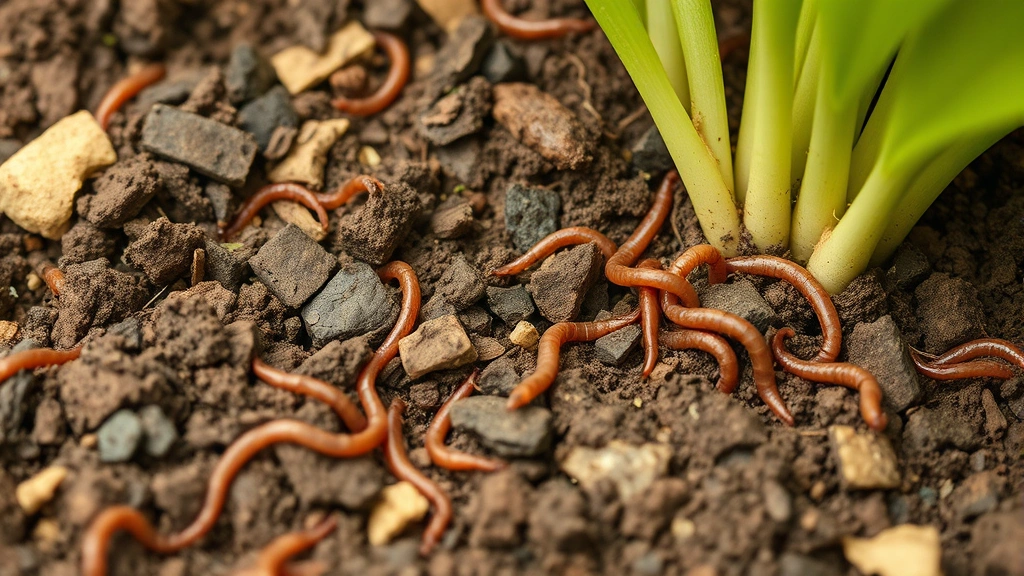
Earthworms improve soil structure, enhance drainage, and increase nutrient availability for plants. Rather than keeping specific earthworm species, gardeners can encourage native earthworm populations through proper soil management and organic matter addition.
Beneficial insects like ladybugs, lacewings, and parasitic wasps provide natural pest control. Gardeners can attract these beneficial species through specific plantings and habitat creation, achieving pest management without chemical interventions.
Goats can be practical for larger properties, offering selective browsing of brush and woody vegetation. Unlike capybaras, goats are domesticated animals with established care protocols, lower legal barriers, and proven effectiveness for vegetation management in appropriate settings.
Visit our comprehensive gardening blog for detailed guides on incorporating these beneficial animals and strategies into your garden ecosystem. Each offers genuine advantages that have been proven through generations of gardening practice.
FAQ
Can capybaras eat garden weeds?
Capybaras will consume weeds, but they will consume desirable plants with equal enthusiasm. Their indiscriminate grazing makes them unsuitable for targeted weed control in gardens where you want to preserve specific plants.
Are capybaras legal to keep in residential areas?
Capybara legality varies by location. Most residential areas prohibit them through zoning laws or exotic animal regulations. Check with local authorities and obtain necessary permits before considering capybara ownership.
How much space do capybaras need?
A single capybara requires approximately one acre of grazing land, plus water access and shelter space. Multiple capybaras need proportionally more space, making typical residential lots inadequate.
What animals actually help gardens?
Chickens, bees, earthworms, and beneficial insects provide genuine gardening benefits. Goats work well for larger properties needing brush management. These animals offer proven advantages without the complications of capybara maintenance.
Do capybaras damage gardens?
Yes significantly. Capybaras cause soil compaction, create burrows and wallows, consume all vegetation indiscriminately, and produce substantial waste quantities. The damage outweighs any theoretical benefits.
What is the cost of keeping capybaras?
Capybara ownership involves substantial costs including permits, specialized veterinary care, housing construction, fencing, water feature development, and ongoing food and maintenance expenses. Total investment easily exceeds thousands of dollars annually.
Can capybaras replace herbicide use?
No. Capybaras cannot selectively eliminate specific weeds while preserving desirable plants. Alternative weed management strategies, including mulching, mechanical removal, and targeted treatments, provide superior control.
Are capybaras good for composting?
While capybara manure could theoretically be composted, the volume produced and management challenges make this impractical compared to traditional composting methods or chicken manure collection.


