
Best Plants for Garden Grove: Local Expert Advice
If you’re considering buying a house in Garden Grove, California, understanding what plants thrive in this unique coastal climate is essential for creating a beautiful, sustainable landscape. Garden Grove’s Mediterranean climate—characterized by mild winters, warm summers, and moderate rainfall—creates ideal conditions for a diverse range of ornamental and edible plants. Whether you’re starting fresh with a new property or enhancing an existing landscape, selecting the right plants can transform your outdoor space into a vibrant, low-maintenance garden that reflects the region’s natural beauty.
As a local gardening expert, I’ve spent years helping homeowners in Orange County cultivate gardens that not only survive but flourish year-round. The key to success lies in choosing plants adapted to our specific conditions: well-draining soil, full sun exposure in most areas, and the occasional frost during winter months. This guide will walk you through the best plant selections for Garden Grove, offering practical advice on planting, care, and design strategies that will help your landscape thrive.
Understanding Garden Grove’s Climate and Growing Conditions
Garden Grove sits in USDA Hardiness Zone 9b-10a, which means winter temperatures rarely dip below 35°F (-1.7°C). This mild climate is a tremendous advantage for gardeners, allowing you to grow a wider variety of plants compared to colder regions. However, the proximity to the coast means occasional salt spray, cooling marine layers during summer evenings, and the challenge of intense afternoon sun in inland areas.
The soil in Garden Grove typically ranges from sandy to loamy, with varying pH levels depending on your specific neighborhood. Before planting, I recommend conducting a soil test through the UC Cooperative Extension to understand your soil composition, nutrient content, and drainage characteristics. This information will guide your plant selections and help you amend soil appropriately. Most Mediterranean-adapted plants prefer well-draining soil, so if you have clay-heavy soil, incorporating organic matter and creating raised garden beds can significantly improve growing conditions.
Water availability is another critical consideration. While Garden Grove receives about 12 inches of annual rainfall, most precipitation falls between November and March. This means you’ll need to supplement with irrigation during the dry season, making it essential to choose drought-tolerant species or implement efficient watering systems like drip irrigation paired with a quality garden hose.
Best Trees for Garden Grove Landscapes
Selecting appropriate trees is foundational to your landscape design, as they provide structure, shade, and long-term visual interest. For Garden Grove, several tree species excel:
- Coast Live Oak (Quercus agrifolia): A native California tree that’s perfectly adapted to local conditions. It grows 40-60 feet tall and provides excellent shade while requiring minimal water once established. Coast live oaks are ideal for larger properties and create a distinctly Californian aesthetic.
- California Pepper Tree (Schinus molle): This graceful tree features feathery foliage and attractive red berries. It reaches 25-40 feet and thrives in full sun with excellent drought tolerance. The tree’s weeping form makes it a stunning focal point in any landscape.
- Crape Myrtle (Lagerstroemia indica): Beloved for its vibrant summer flowers in pink, red, white, or purple, crape myrtles are deciduous and reach 15-30 feet depending on variety. They perform exceptionally well in Garden Grove’s warm summers and provide beautiful exfoliating bark in winter.
- California Sycamore (Platanus racemosa): Another native option, these majestic trees grow 40-80 feet tall with striking white and gray bark. They’re best suited for properties with space and prefer slightly moister conditions.
- Liquidambar (Sweet Gum): While not native, these trees adapt well to Garden Grove conditions and provide stunning fall color—a rarity in Southern California. They reach 60-75 feet and prefer consistent moisture.
When planting trees, ensure you provide adequate spacing (at least 20-30 feet from structures), proper hole depth (equal to the root ball height), and consistent watering during the first two growing seasons. Staking young trees protects them from wind damage common in some Garden Grove neighborhoods near the coast.
Shrubs and Hedging Plants That Thrive Locally
Shrubs form the backbone of most residential landscapes, providing privacy, structure, and seasonal interest. Garden Grove gardeners have excellent options:
- California Lilac (Ceanothus): These native shrubs explode with blue, purple, or white flowers in spring. They’re incredibly drought-tolerant and attract native pollinators. Varieties range from 2-12 feet, offering flexibility for different design schemes.
- Myrtle (Myrtus communis): Perfect for hedging, myrtle grows 6-15 feet depending on variety and produces fragrant white flowers followed by blue-black berries. It tolerates pruning exceptionally well, making it ideal for cottage garden aesthetics.
- Rosemary (Rosmarinus officinalis): This Mediterranean native thrives in Garden Grove’s climate while offering culinary and ornamental value. Upright varieties reach 4-6 feet, while spreading types work beautifully as ground covers. Flowers range from blue to pink to white.
- Texas Privet (Forestiera neomexicana): A native shrub growing 8-12 feet with fine-textured foliage and white flowers. It’s excellent for screening and incredibly drought-tolerant once established.
- Toyon (Heteromeles arbutifolia): This native California shrub produces stunning red berries in fall and winter, creating visual interest when other plants fade. It reaches 6-12 feet and attracts birds.
For formal hedging, consider boxwood varieties, privet, or the aforementioned myrtle. These plants respond well to regular pruning and can be shaped into clean lines or topiaries for fairy garden ideas and structured landscapes.
Colorful Perennials and Flowering Plants
Perennials provide continuous color and texture throughout the growing season. In Garden Grove, these plants excel:
- California Poppy (Eschscholzia californica): The state flower thrives in full sun with minimal water. These cheerful orange flowers bloom prolifically from spring through early summer, self-seeding for next year’s display.
- Black-eyed Susan (Rudbeckia): These golden-yellow flowers with dark centers bloom from summer through fall, attracting pollinators. They’re extremely low-maintenance and drought-tolerant once established.
- Salvia: Multiple varieties perform exceptionally well in Garden Grove. Autumn Sage (Salvia greggii) offers continuous color, while Desert Marigold Sage provides golden foliage and orange flowers. All salvias attract hummingbirds and butterflies.
- Lantana: These heat-loving plants produce clusters of colorful flowers in red, orange, yellow, pink, and white combinations. They bloom continuously in warm weather and require minimal supplemental water.
- Penstemon: Native California penstemons offer tubular flowers in various colors and heights (1-4 feet depending on variety). They’re excellent for attracting hummingbirds and thrive in well-draining soil.
For extended blooms and seasonal interest, create raised garden beds combining early spring bloomers (like snapdragons and calendula) with summer-flowering perennials and fall bloomers (like asters and chrysanthemums).

Drought-Tolerant Plants for Water Conservation
Water conservation is increasingly important in Southern California. These plants thrive with minimal irrigation:
- Agave: These architectural succulents come in numerous sizes and colors. Blue agave varieties create stunning focal points, while smaller types work well in containers. Once established, they need virtually no supplemental water.
- Lavender (Lavandula): This Mediterranean native loves Garden Grove’s conditions. English lavender blooms in early summer with fragrant purple flowers, while Spanish and French varieties provide longer blooming periods. All attract pollinators and offer culinary and aromatic uses.
- Desert Marigold (Baileya multiradiata): Bright yellow flowers bloom nearly year-round in Garden Grove. This native perennial is extremely drought-tolerant and self-seeds readily.
- California Buckwheat (Eriogonum fasciculatum): A native shrub producing white flowers that turn reddish as they age. It’s an excellent pollinator plant and requires no supplemental water once established.
- Sedums and Echeveria: These succulents offer year-round foliage interest in various colors—from deep purple to silvery-blue. They’re perfect for containers, rock gardens, or ground cover applications.
Implementing drought-tolerant landscaping doesn’t mean sacrificing beauty. By combining plants with varying textures, colors, and blooming periods, you can create visually rich gardens while reducing water consumption by 50% or more compared to traditional lawns.
Edible Plants and Vegetable Gardens
Garden Grove’s climate is excellent for food production. You can grow vegetables year-round with proper planning:
Cool Season Crops (October-April): Lettuce, kale, broccoli, cabbage, carrots, beets, peas, and spinach thrive during mild Garden Grove winters. These crops prefer partial shade during hot spells and consistent moisture.
Warm Season Crops (May-September): Tomatoes, peppers, eggplant, zucchini, beans, and cucumbers flourish in the warmth. Cherry and heirloom tomato varieties perform particularly well. Provide afternoon shade during peak summer to prevent sunscald.
Fruit Trees: Citrus trees are naturals in Garden Grove. Oranges, lemons, limes, and grapefruits thrive with full sun and well-draining soil. Avocado, fig, and olive trees also perform well in many Garden Grove neighborhoods. Propagate plants through cuttings to expand your fruit production or share with neighbors.
Herbs: Beyond rosemary, try basil, oregano, thyme, sage, and marjoram. Most Mediterranean herbs adapt perfectly to Garden Grove conditions and provide culinary value.
For vegetable gardening success, amend soil with 2-3 inches of compost before planting, implement drip irrigation for consistent moisture, and use mulch to regulate soil temperature and suppress weeds. Start seeds indoors 6-8 weeks before planting time to maximize your growing season.
Native Plants for Ecological Gardening
Incorporating native plants supports local ecosystems while reducing maintenance needs. The Theodore Payne Foundation and CalFlora offer excellent resources for finding native plants suited to your area.
Native Trees: Coast live oak, California sycamore, and California bay laurel are excellent choices. These trees support native insects, birds, and wildlife while requiring minimal supplemental water once established.
Native Shrubs: California lilac, toyon, myrtle oak, and California buckwheat provide food and shelter for native species. Their flowers attract pollinators essential for food production and ecosystem health.
Native Wildflowers: Lupines, poppies, clarkia, and tidy tips create stunning seasonal displays while supporting butterflies, bees, and other pollinators. These flowers typically bloom spring through early summer, creating dynamic seasonal interest.
Native plant gardens require less supplemental water, fertilizer, and pest management than non-native landscapes. Over time, they become self-sustaining ecosystems that attract beneficial insects and birds while reducing your maintenance workload.
Creating Garden Beds and Design Strategies
Successful Garden Grove landscapes combine plant selection with thoughtful design. Consider these strategies:
Layering and Structure: Combine tall trees, mid-story shrubs, and low-growing perennials to create visual depth and texture. This layered approach maximizes space and creates habitat for beneficial insects and birds.
Color Theory: Plan for continuous color throughout the year. Combine spring bloomers (California poppies, lupines), summer flowers (salvias, lantana, black-eyed Susan), and fall interest (toyon berries, fall foliage). Include evergreen plants for winter structure.
Water Zones: Group plants by water needs. Create a high-water zone near your home for vegetables and tender plants, a moderate-water zone for most shrubs and perennials, and a low-water zone for drought-tolerant species. This approach optimizes irrigation efficiency and prevents overwatering.
Raised Beds for Control: Building raised garden beds allows you to control soil composition, improve drainage, and reduce pest pressure. Elevated beds warm faster in spring, extending your growing season.
Maintenance Considerations: When selecting plants, honestly assess your maintenance capacity. If you prefer low-maintenance landscapes, emphasize native plants, shrubs requiring minimal pruning, and drought-tolerant species. If you enjoy active gardening, prune hydrangea bushes and other specimen plants regularly to maintain shape and vigor.
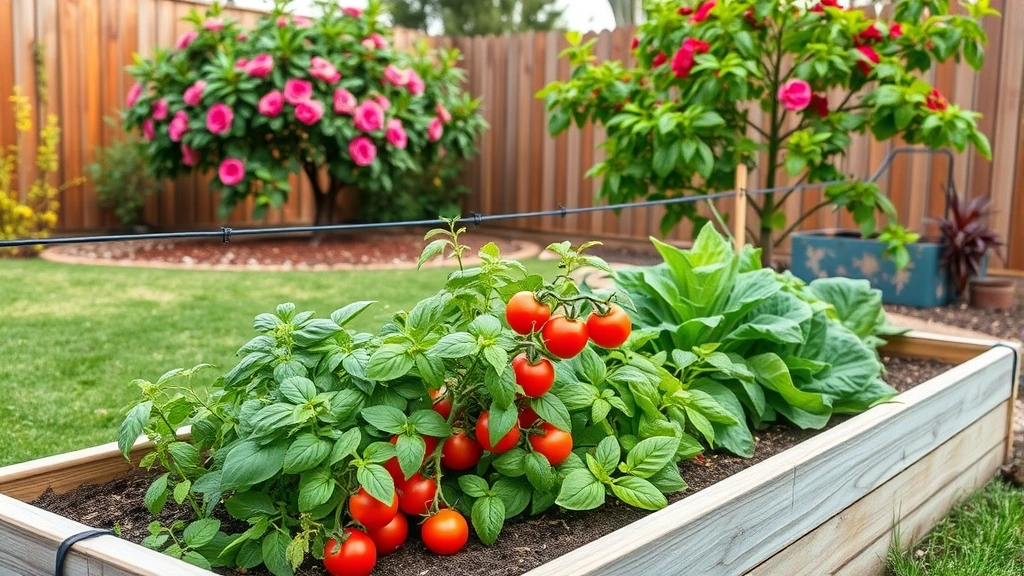
Proper installation is crucial for long-term success. When planting, dig holes 1.5 times wider than root balls to encourage root expansion. Backfill with amended soil, water thoroughly, and apply 2-3 inches of mulch around plants (keeping mulch 6 inches from tree trunks to prevent rot). This initial care investment pays dividends through healthier, more vigorous plants.
FAQ
What’s the best time to plant in Garden Grove?
Fall (September-November) is ideal for establishing most plants, as cool temperatures and occasional rain reduce transplant stress. Spring (February-April) is also excellent. Avoid planting during peak summer heat unless you can provide consistent irrigation. Winter planting is possible for cold-hardy species but less ideal due to occasional frost.
How often should I water my Garden Grove garden?
Water frequency depends on plant type, soil composition, and season. Newly planted trees and shrubs need weekly deep watering for the first year. Established drought-tolerant plants may need irrigation only during extreme heat. Vegetables and fruit trees typically need consistent moisture—aim for 1-2 inches weekly during growing season. Use drip irrigation for efficiency.
Are chemical pesticides necessary in Garden Grove gardens?
Not typically. Native plants and well-maintained gardens attract beneficial insects that control pests naturally. For problems, try organic solutions first: neem oil, insecticidal soap, or hand-removal. Chemical pesticides can harm beneficial insects, pollinators, and local ecosystems.
Can I grow hydrangeas in Garden Grove?
Yes, but with care. Hydrangeas prefer afternoon shade and consistent moisture—challenging in hot inland areas but manageable near the coast. Choose heat-tolerant varieties like panicle hydrangea. Prune hydrangea bushes in late winter to maintain shape and encourage flowering.
What resources help identify plants suitable for Garden Grove?
The UC Cooperative Extension Orange County provides free gardening advice and plant recommendations. The California Master Gardener Program offers volunteer expertise. The USDA Plant Hardiness Zone Map confirms your growing zone. Local nurseries with Garden Grove knowledge are invaluable resources for climate-specific recommendations.
How do I improve Garden Grove’s sandy or clay soil?
Incorporate 2-4 inches of compost or aged manure annually to improve structure and fertility. For sandy soil, this increases water retention. For clay soil, it improves drainage. Mulching conserves moisture and adds organic matter as it decomposes. Raised beds offer the fastest improvement by allowing you to fill with quality soil mix immediately.


