Spring Garden Care: Tenant-Friendly Tips for Apartment Gardeners
Spring brings renewed energy to gardens everywhere, and apartment dwellers shouldn’t miss out on the joy of growing plants. Whether you’re renting a cozy studio or a spacious two-bedroom, you can create a thriving garden without making permanent changes to your space. Tenant-friendly gardening focuses on portable solutions, non-invasive techniques, and plants that thrive in containers and limited outdoor areas.
The key to successful apartment gardening is understanding your specific growing conditions—how much sunlight your balcony or patio receives, wind exposure, and available space. Spring is the perfect season to assess these factors and plan your garden accordingly. With the right approach, you can grow vegetables, herbs, flowers, and ornamental plants while respecting your lease agreement and maintaining your security deposit.
Understanding Your Apartment Growing Space
Before purchasing a single plant, spend a week observing your available outdoor space. Note how sunlight moves across your balcony, patio, or windowsill throughout the day. Most vegetables and herbs require 6-8 hours of direct sunlight, while shade-tolerant plants like hostas and ferns thrive in 2-4 hours. Document wind patterns as well—strong winds can damage tender seedlings and stress potted plants by increasing water evaporation.
Check your lease agreement for any restrictions on balcony gardens, weight limits, or plant policies. Some landlords prohibit exterior decorations entirely, while others simply require approval. Building management often has legitimate concerns about water damage to units below, so demonstrating responsible watering practices builds goodwill. Consider the structural integrity of your space—a typical apartment balcony can safely support 40-50 pounds of weight per square foot, which accommodates numerous container gardens.
Assess your indoor growing potential as well. Sunny windowsills are perfect for starting seeds in spring, and herb garden planters thrive on kitchen counters near south or west-facing windows. Even apartments with limited natural light can support shade plants and microgreens with proper care.
Container Gardening Essentials
Containers are the foundation of tenant-friendly gardening. Choose pots with drainage holes to prevent waterlogging and root rot—non-negotiable for plant health. Containers should be at least 6-8 inches deep for herbs, 10-12 inches for most vegetables, and 12-18 inches for tomatoes and larger plants. Raised bed gardening principles apply to containers: excellent drainage, quality soil, and proper spacing ensure robust growth.
Material choices matter for apartment gardening. Ceramic and terracotta pots are attractive but heavy and breakable. Plastic containers are lightweight, durable, and affordable—perfect for renters. Fabric grow bags offer excellent drainage and air pruning of roots, promoting healthier plants. Recycled containers like food-grade buckets work wonderfully if you drill drainage holes. Avoid dark colors in sunny locations, as they absorb heat and dry soil too quickly.
Fill containers with high-quality potting mix, not garden soil from the ground. Potting mixes are formulated for container gardening with ideal moisture retention and aeration. Look for mixes containing peat moss or coconut coir, perlite, and compost. Some gardeners create custom blends: 40% compost, 30% peat moss, 20% perlite, and 10% vermiculite provides excellent balance for most plants. Spring is an ideal time to refresh potting mix in containers from previous seasons, removing the top 2-3 inches and replacing with fresh mix.
Portable Growing Solutions
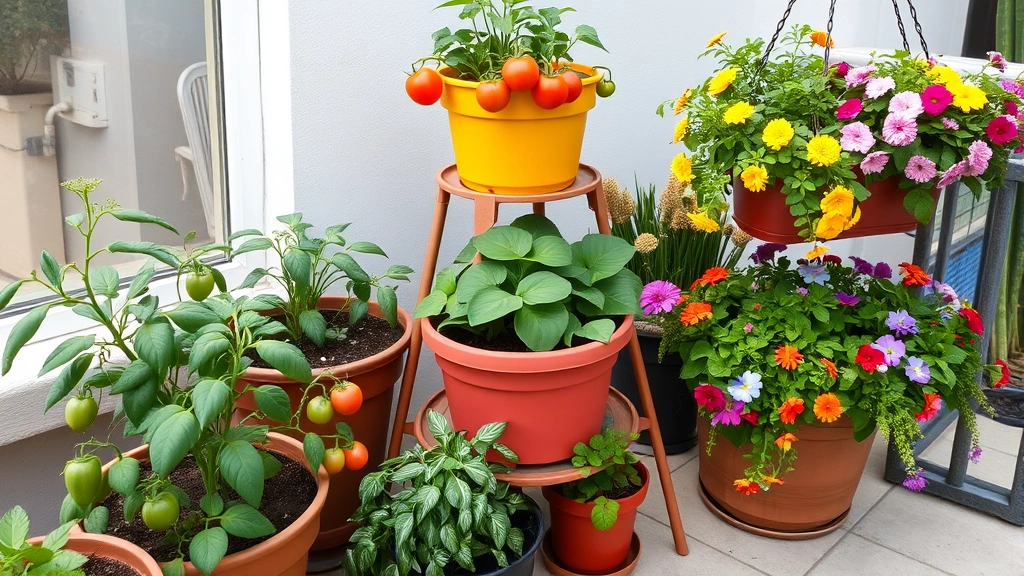
Tiered plant stands and shelving units maximize vertical growing space in apartments. A simple 3-tier plant stand holds 9-12 containers in minimal floor space. Wall-mounted shelves, hanging baskets, and tension rod plant hangers transform blank balcony or patio walls into productive gardens. These solutions are completely removable and leave no permanent marks.
Window boxes are excellent for apartments with south or west-facing windows. They attach securely without drilling or permanent installation. Spring is prime time for planting window boxes with trailing petunias, marigolds, and ornamental grasses. Ensure water drains away from the building’s exterior and your downstairs neighbors.
Hanging planters create visual interest while freeing up floor space. Macramé plant hangers, pulley systems, and shepherd’s hooks (if permitted) suspend containers from balcony railings or ceiling hooks. This approach is particularly effective for trailing herbs like oregano and thyme, and vining vegetables like peas and beans that can grow vertically along trellises.
Raised bed alternatives for apartments include large containers (20+ gallons) that function as mini raised beds. These provide deep soil for root vegetables and offer better water retention than smaller pots. Grouping several large containers creates the visual effect of a traditional garden bed while maintaining portability.
Spring Planting Schedule for Apartments
Timing is crucial for spring apartment gardening. After the last frost date in your region, direct sow cool-season crops like lettuce, spinach, peas, and radishes. These establish quickly and tolerate cool spring nights. Check your USDA Plant Hardiness Zone to determine your last frost date—typically mid-April in northern regions and February in southern areas.
Start warm-season crops like tomatoes, peppers, and basil indoors 6-8 weeks before your last frost date. Apartment windowsills work perfectly for seed starting with supplemental grow lights if needed. Once nighttime temperatures consistently stay above 50°F, transplant seedlings to containers. Space tomatoes in 5-gallon containers, peppers in 3-gallon pots, and basil in 6-inch containers.
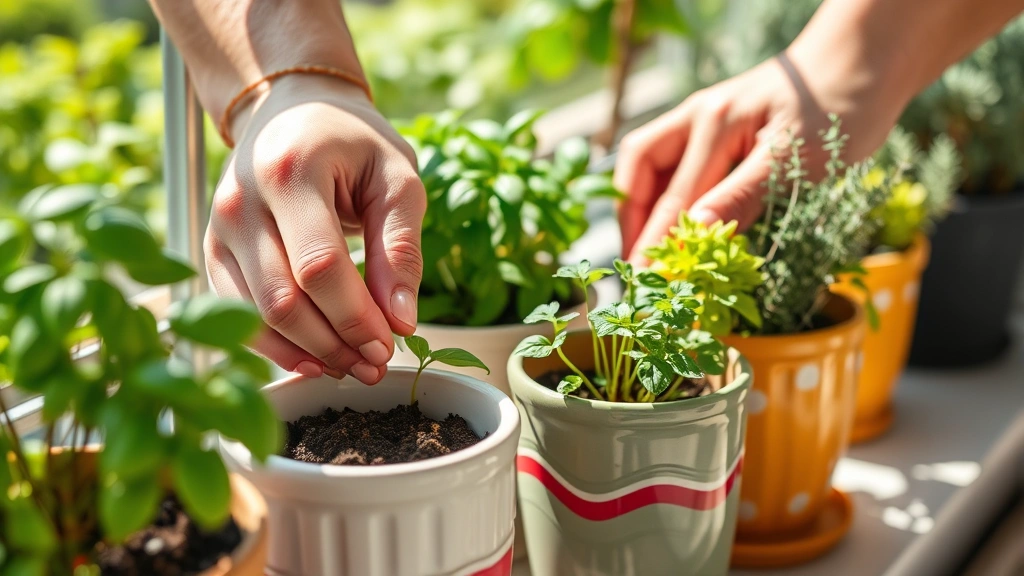
Spring is ideal for starting an herb garden planter with perennial herbs like rosemary, thyme, oregano, and sage. These thrive in containers and provide fresh harvests throughout the growing season. Annual herbs like basil, dill, and cilantro should be direct seeded or transplanted after frost danger passes.
Consider microgreens and sprouts for instant gratification and maximum nutrition from minimal space. These germinate in 7-14 days on windowsills using only a jar and cheesecloth. Radish, mustard, and alfalfa sprouts require no soil and grow on damp paper towels in shallow trays.
Watering and Fertilizing Strategies
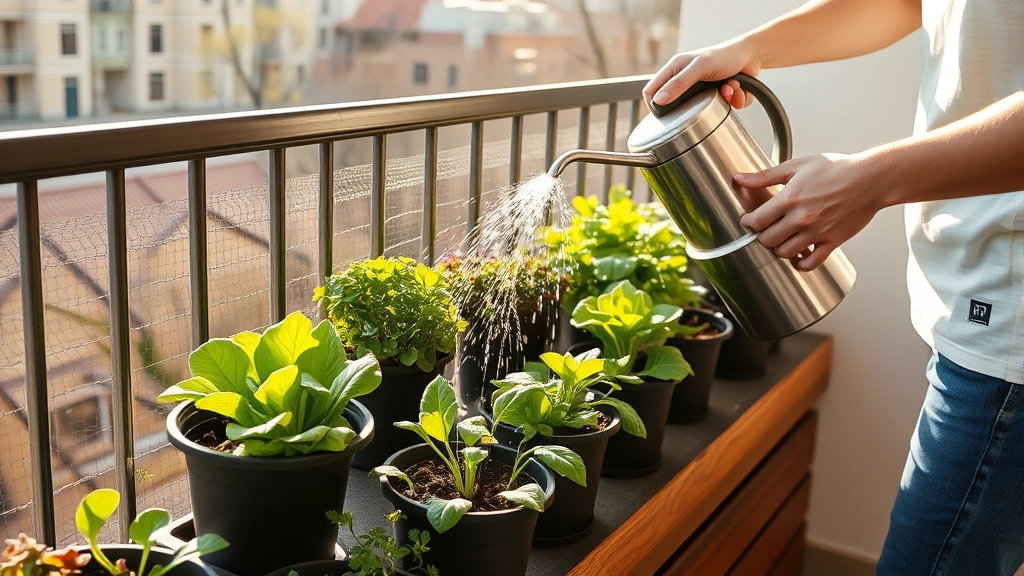
Container plants dry out faster than ground gardens, especially in spring breezes and sunny locations. Check soil moisture daily by inserting your finger 1-2 inches deep. Water when soil feels dry at this depth. Morning watering is ideal, allowing foliage to dry and reducing disease risk. Afternoon watering in spring often means evening-wet plants, inviting fungal issues.
Use room-temperature water when possible. Cold water shocks tender spring plants and slows growth. Collect rainwater in buckets to reduce municipal water use and provide chlorine-free irrigation. Rain gardens aren’t practical for apartments, but rain barrels on patios or balconies capture valuable spring showers.
Watering from above wets foliage and wastes water. Use drip irrigation or soaker hoses in containers to deliver water directly to roots. Simple drip systems attach to outdoor faucets with timers, allowing automated watering during spring’s variable weather. Soaker hoses lay on soil surfaces and deliver slow, steady moisture perfect for container gardens.
Spring container plants need regular feeding since water drains away nutrients with each watering. Start fertilizing 4-6 weeks after transplanting or when plants have 4-6 true leaves. Use balanced, water-soluble fertilizers (10-10-10 NPK) every 2-3 weeks, or slow-release granules mixed into potting soil at planting. Organic options like fish emulsion and compost tea provide nutrients without chemical residues.
Managing Pests Without Chemicals
Spring brings pest activity to apartment gardens. Inspect plants regularly, checking leaf undersides and stems for aphids, spider mites, and mealybugs. Early detection prevents infestations from spreading to neighboring plants or units.
Isolate infested plants immediately, moving them away from healthy specimens. Spray affected plants with strong water jets to dislodge pests, or wash leaves with insecticidal soap made from water and a few drops of dish soap. Neem oil is an organic option effective against many pests, though it requires multiple applications.
Encourage beneficial insects by planting flowers alongside vegetables. Marigolds, nasturtiums, and zinnias attract pollinators and beneficial predators. Spring is perfect for sowing these companion plants directly into containers or transplanting nursery starts.
Prevent pest problems through proper spacing, adequate air circulation, and sanitation. Remove dead leaves and debris promptly, as these harbor pests and disease. Ensure containers have drainage holes and don’t allow water to pool on saucers, which creates mosquito breeding habitat—a concern in multi-unit buildings.
Seasonal Maintenance Tasks
Spring gardening requires consistent maintenance to establish healthy plants. Deadhead flowers regularly to encourage continued blooming and redirect energy from seed production to flower formation. Pinch off tomato and pepper suckers when plants are young to promote bushier growth and larger fruit.
Support heavy feeders like tomatoes with sturdy stakes or cages installed at planting time. Spring transplants establish better when stakes are in place before root systems form. Ensure stakes are secure and won’t topple in spring winds that frequently occur in April and May.
Monitor soil moisture during spring’s temperature fluctuations. Cool, cloudy days reduce evaporation, while sunny, breezy periods increase water demand rapidly. Adjust watering frequency accordingly. Spring rain is unpredictable—move containers under cover or tilt them if heavy rain is forecast to prevent waterlogging.
Check for disease signs including yellowing leaves, powdery white coating (powdery mildew), or dark spots (fungal leaf spot). Remove affected leaves immediately and improve air circulation by spacing containers farther apart and removing lower foliage. Spring’s cool, moist conditions favor fungal diseases, so preventive measures are essential.
Garden border edging principles apply to container arrangements as well. Create visual cohesion by grouping containers of similar heights and colors. Tall plants like tomatoes and pole beans form backdrops, while shorter herbs and flowers occupy front positions. This arrangement maximizes sunlight exposure for all plants and creates an attractive display.
Spring cleaning extends to garden infrastructure. Scrub containers with a 10% bleach solution before planting to eliminate overwintering pathogens. Clean balcony railings and surfaces to prevent water damage and maintain good relationships with neighbors. Organize tools and supplies in compact storage solutions—vertical wall organizers and hanging tool racks keep apartments tidy while providing easy access.
FAQ
Can I grow vegetables in apartment containers?
Absolutely! Tomatoes, peppers, lettuce, spinach, radishes, beans, and herbs thrive in containers. Choose varieties labeled ‘determinate’ or ‘dwarf’ for better apartment suitability. Ensure containers are at least 10-12 inches deep with drainage holes, and provide 6-8 hours of direct sunlight daily.
What’s the best container size for apartment gardening?
Size depends on plant type. Herbs need 6-8 inch pots, leafy greens need 8-10 inches, and vegetables like tomatoes need 5-gallon containers. Larger containers retain moisture better and require less frequent watering, ideal for busy apartment dwellers.
How do I prevent water damage to neighbors below?
Use containers with drainage holes and saucers to catch excess water. Water early in the morning so soil absorbs moisture before evening. Avoid overwatering—let soil dry slightly between waterings. Keep saucers emptied and never allow water to pool on balconies or patios.
Can I garden on a north-facing balcony?
North-facing areas receive limited sunlight (2-4 hours), suitable only for shade-tolerant plants like hostas, ferns, impatiens, and shade-loving herbs like mint and parsley. Consider supplemental grow lights for vegetables requiring more sun.
What’s the best fertilizer for container gardens?
Water-soluble balanced fertilizers (10-10-10) applied every 2-3 weeks work well. Slow-release granules mixed into potting soil at planting provide consistent nutrition. Organic options like fish emulsion and compost tea are excellent for chemical-free gardens.
How do I start seeds indoors for spring planting?
Use seed-starting mix in shallow trays placed on sunny windowsills or under grow lights. Keep soil consistently moist until germination. Once seedlings develop true leaves, thin to strongest specimens or transplant to larger containers. Harden off seedlings by gradually exposing them to outdoor conditions before transplanting to final containers.