Zen Garden Plants to Sell: Proven Tips for Profitable Plant Selection
Creating a profitable zen garden plant business requires understanding which species offer the best combination of market appeal, growth speed, and aesthetic value. Whether you’re growing plants for local sales, online markets, or wholesale distribution, selecting the right zen garden plants can significantly impact your revenue and customer satisfaction. The zen garden aesthetic has experienced remarkable growth in recent years, with homeowners and businesses seeking peaceful, minimalist outdoor spaces that promote relaxation and mindfulness.
The key to success in selling zen garden plants lies in understanding both horticultural requirements and market demand. Plants that thrive in low-maintenance conditions, maintain visual appeal year-round, and complement zen design principles are your most profitable options. This comprehensive guide will help you identify which plants to prioritize, how to cultivate them efficiently, and strategies for maximizing your sales potential in this growing market segment.
Best Zen Garden Plants for Selling
When determining which plants to sell, focus on species that embody zen principles: simplicity, elegance, and harmony with nature. The most profitable zen garden plants share several characteristics: they’re visually striking, require minimal maintenance once established, support slow and deliberate growth patterns, and command premium prices due to their aesthetic value. Understanding your local climate zone is essential, as this determines which species will thrive in your area and which will require specialized care.
The market for zen garden plants extends beyond traditional Japanese gardens. Contemporary zen aesthetics appeal to urban gardeners, corporate landscape designers, wellness centers, and meditation studios. By offering a curated selection of high-quality plants, you position yourself as an expert supplier rather than a generic plant retailer. This positioning allows you to command higher prices and build a loyal customer base that values quality and expertise.
Consider starting with a diverse portfolio that includes plants at different maturity levels and price points. Offering starter plants alongside more mature specimens gives customers options and allows you to capture different market segments. Young bamboo shoots might sell for $15-25, while a mature Japanese maple specimen could command $100-300 or more.
Bamboo Species: Premium Profit Margins
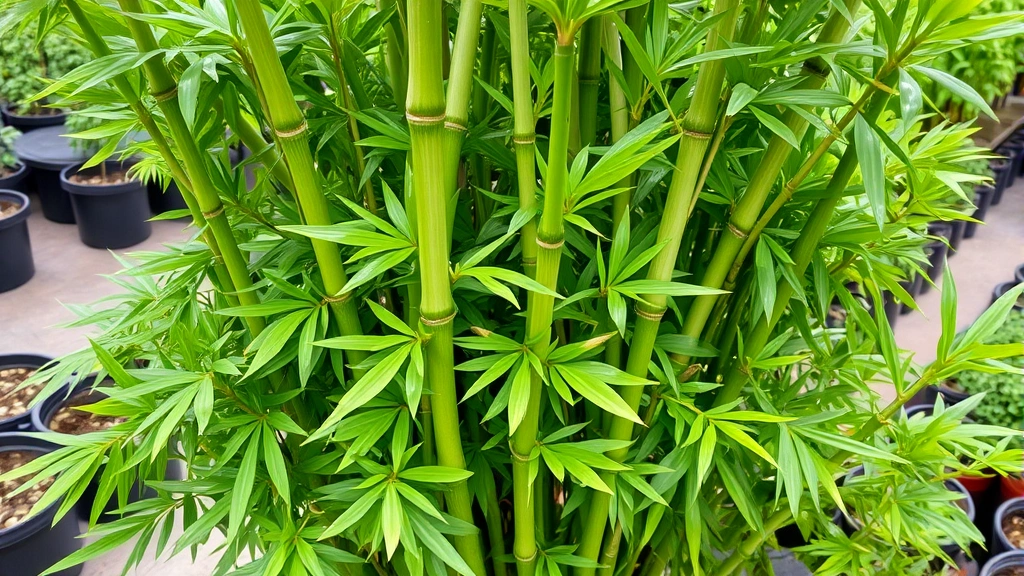
Bamboo represents one of the most profitable zen garden plant categories due to its rapid growth, visual appeal, and cultural significance in Japanese garden design. However, success with bamboo requires understanding the distinction between running and clumping varieties. Running bamboo spreads aggressively through rhizomes and can become invasive, while clumping bamboo grows in contained clusters, making it ideal for residential gardens and container cultivation.
The most popular clumping bamboo varieties for zen gardens include Fargesia robusta, Fargesia nitida, and Phyllostachys aurea. Fargesia robusta, known as umbrella bamboo, grows 10-15 feet tall and develops a graceful, fountain-like appearance that’s highly desirable in zen landscapes. Fargesia nitida, or fountain bamboo, reaches 8-12 feet with delicate, arching canes that create elegant visual interest. These varieties command premium prices because they’re cold-hardy, elegant, and truly suitable for small to medium gardens without aggressive spreading concerns.
For maximum profitability, propagate bamboo through division of established clumps. A mature clump can be divided into 4-6 new plants, each ready to be potted and sold within one growing season. Bamboo grows rapidly in spring and early summer, allowing you to produce multiple harvests annually. Customers particularly value bamboo for creating natural privacy screens and adding authentic zen aesthetics to their outdoor spaces. Market bamboo plants with emphasis on their non-invasive nature and their ability to establish quickly.
Consider offering bamboo in various pot sizes: 2-gallon containers for budget-conscious customers and 5-7 gallon containers for those seeking more mature specimens. Provide care instructions emphasizing watering needs and container drainage requirements, as proper moisture management is critical for bamboo success. Many zen garden enthusiasts specifically seek bamboo to incorporate into their meditation spaces, making them willing to invest in quality plants.
Japanese Maples and Ornamental Trees
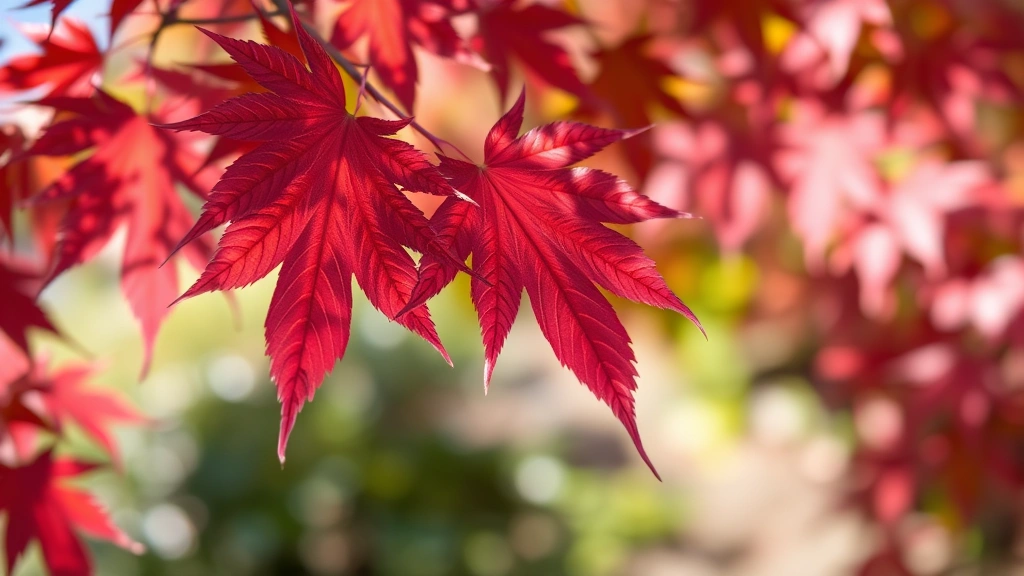
Japanese maples (Acer palmatum) are quintessential zen garden plants that command the highest prices in the ornamental tree market. These deciduous trees offer year-round visual interest through their delicate leaf structure, vibrant seasonal color changes, and distinctive branching patterns. A mature Japanese maple specimen in a large container can sell for $200-500, making them an excellent focus plant for serious zen garden enthusiasts.
The market for Japanese maples is strong year-round, though sales typically peak in spring and fall when customers are actively planning garden projects. Different cultivars offer distinct characteristics: ‘Bloodgood’ features deep red foliage throughout the growing season, ‘Dissectum’ varieties display finely dissected leaves creating a lacy appearance, and ‘Katsura’ offers soft yellow spring growth that transitions to orange in autumn. By offering 3-5 different cultivars, you cater to varying aesthetic preferences and price points.
Growing Japanese maples requires attention to light and moisture conditions. They prefer dappled shade and consistently moist, well-draining soil rich in organic matter. Using quality potting mix amended with compost—similar to what you’d find in a quality garden soil product—ensures healthy root development and attracts buyers seeking premium specimens. Japanese maples can take 3-5 years to reach substantial size, so starting from nursery stock or small whips accelerates your time to market.
Companion planting suggestions increase your selling potential. Customers often purchase Japanese maples alongside shade-tolerant hostas, hellebores, or Japanese forest grass. By offering these combinations or providing planting recommendations, you increase overall sales value and position yourself as a knowledgeable resource.
Moss and Ground Covers
Moss occupies a special place in zen garden philosophy, symbolizing age, tranquility, and harmony with nature. While moss gardening requires specific conditions—consistent moisture, shade, and acidic soil—the market for quality moss is robust. Japanese moss gardens can sell for $50-150 depending on size and moss variety, and moss is lightweight for shipping, making it ideal for online sales.
Cultivating moss involves collecting or propagating species native to your region. Common moss varieties suitable for zen gardens include Hypnum cupressiforme (cypress-leaved plait moss), Dicranum scoparium (mood moss), and Leucobryum glaucum (pincushion moss). Create moss by blending moss fragments with water and a nutrient medium, then spreading the mixture on appropriate substrates. Within 4-6 weeks, new moss growth appears, creating harvestable specimens.
Market moss in shallow containers, on decorative rocks, or as moss poles for creating living sculptures. Provide detailed care instructions emphasizing misting requirements and the importance of maintaining humidity. Many customers new to zen gardening initially underestimate moss care requirements, so education is crucial for customer satisfaction and repeat purchases. Consider offering moss care packages that include misting bottles and care guides.
Ground covers like Soleirolia soleirolii (baby tears) and Sagina subulata (Irish moss) serve similar aesthetic functions while being easier to cultivate. These low-growing plants create lush, carpet-like effects that enhance the minimalist aesthetic of zen gardens. They’re particularly popular for filling spaces between stepping stones and creating soft transitions in landscape designs.
Dwarf Conifers and Evergreens
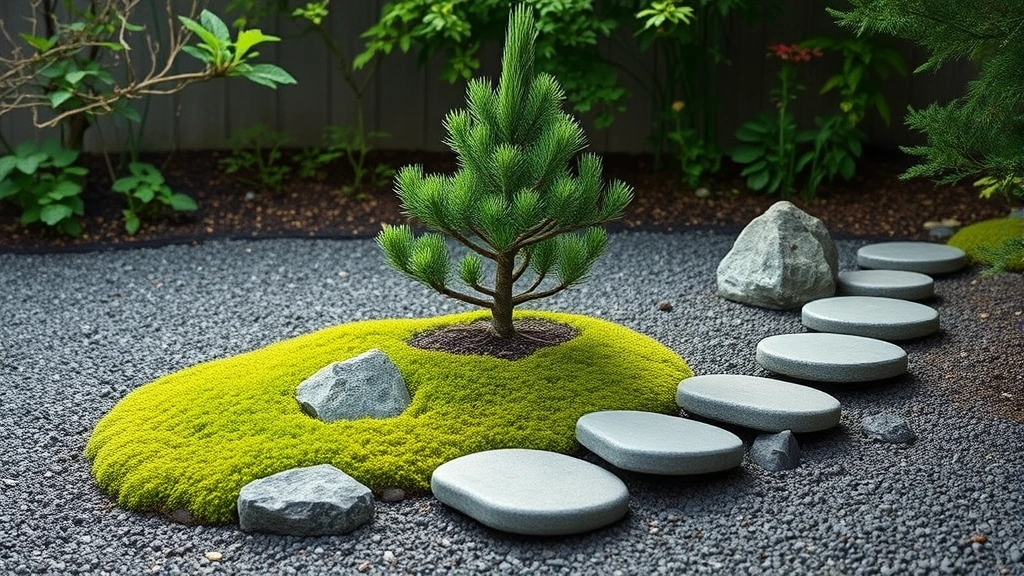
Dwarf conifers and evergreens form the structural backbone of many zen gardens, providing year-round interest and strong visual architecture. These plants are highly profitable because they grow slowly, allowing you to maintain inventory longer without rapid scaling requirements. A dwarf conifer can remain marketable for 2-3 years as it gradually matures, providing consistent inventory without intensive propagation demands.
Premium dwarf conifer varieties include Chamaecyparis obtusa ‘Crippsii’ (golden Hinoki cypress), Pinus mugo (dwarf mountain pine), and Ilex crenata ‘Green Hedge’ (Japanese holly). These species offer distinct visual characteristics: golden foliage, compact growth habits, and formal shapes that complement zen aesthetics. Customers value conifers for creating focal points and establishing permanent garden structure.
Evergreen ground covers like Vinca minor (periwinkle) and Ajuga reptans provide budget-friendly options for customers seeking to fill larger areas. While individual plants command lower prices ($5-15), they’re easy to propagate through division and cuttings, allowing high-volume sales with minimal investment. A single mature Vinca plant can be divided into 3-4 new plants within one season.
Combine conifers with complementary plants to increase sales potential. A well-planned herb garden featuring dwarf conifers as structural elements appeals to customers seeking functional beauty. Japanese herbs like shiso and wasabi grow well alongside ornamental conifers, creating appealing combinations for the zen gardening market.
Growing and Propagation Strategies
Maximizing profitability requires developing efficient propagation and growing systems. Different plants demand different approaches: woody plants like Japanese maples benefit from propagation via hardwood cuttings or air-layering, herbaceous plants like hostas propagate readily through division, and bamboo multiplies through rhizome division. Understanding each plant’s optimal propagation method ensures you maintain consistent inventory while minimizing waste.
Establish a dedicated growing area with proper infrastructure. Shade cloth protects delicate seedlings and young plants from intense sun exposure. Drip irrigation systems ensure consistent moisture without labor-intensive hand watering. Misting systems maintain humidity for plants requiring higher moisture levels. These infrastructure investments pay dividends through improved plant quality and reduced labor costs.
Develop relationships with specialty nurseries and botanical garden propagation programs. Many botanical institutions maintain seed exchanges and plant sharing networks that provide access to rare cultivars and diverse genetic stock. Building your network within horticultural communities enhances your ability to source unique plants that command premium prices.
Implement a tracking system monitoring plant maturity, pot size progression, and time-to-market for each species. This data guides inventory decisions and helps you understand which plants offer the best return on investment. Some plants reach market size in 6 months while others require 18-24 months, significantly impacting cash flow and profitability calculations.
Pricing and Market Positioning
Successful pricing reflects both production costs and market value. Calculate your actual expenses: container costs, soil, amendments, utilities, labor, and overhead. Then research comparable plants in your market to understand what customers will pay. Premium zen garden plants typically command 2-3 times the production cost, allowing healthy profit margins while remaining competitive.
Position yourself strategically within the market. Are you targeting budget-conscious homeowners or affluent collectors? Are you selling locally at farmers markets or shipping nationally online? Each channel requires different pricing strategies and plant selections. Online sales allow you to reach customers nationwide but require careful packaging and shipping cost calculations. Local sales build relationships and allow customers to inspect plant quality directly.
Create tiered product offerings: starter plants (small, affordable), intermediate specimens (established, visually appealing), and premium plants (mature, show-quality). This approach captures customers at different budget levels while encouraging repeat purchases as customers upgrade their gardens. A customer might purchase a small bamboo starter plant for $20, then return a year later for a mature specimen at $75 once they’ve confirmed their commitment to zen gardening.
Develop supplementary revenue streams: plant care services, garden design consultations, potting workshops, and curated plant collections. A customer purchasing a Japanese maple might also buy fertilizer, moss, decorative rocks, and plant stands, increasing the total transaction value. These complementary sales often have higher profit margins than plants themselves.
Seasonal Considerations
Understanding seasonal demand patterns optimizes your production schedule and marketing efforts. Spring represents the peak season for garden plant sales as customers prepare for the growing season. By February-March, have your inventory well-established and ready for spring rush. Japanese maples, bamboo, and other woody plants should be at attractive sizes by late March.
Fall offers a secondary peak season, particularly for plants with autumn color appeal. Japanese maples with brilliant red fall foliage sell exceptionally well in September-October. Plan your propagation and growth schedules to align plants with peak demand periods. Plants that reach peak maturity during off-season months can be stored or maintained until the next relevant selling season.
Winter presents challenges for tender plants but opportunities for hardy species. Evergreen conifers and cold-hardy bamboos remain attractive during winter months, particularly in regions where gardens appear dormant. Winter is ideal for educational content and customer engagement through newsletters and social media, maintaining customer interest until spring sales season arrives.
Consider regional climate variations when planning your business. Customers in colder zones require cold-hardy species, while southern gardeners can grow more tender varieties. Tailor your plant selection and marketing messages to your specific geographic market. Research horticultural society recommendations for your USDA hardiness zone to ensure you’re offering appropriate species for your area.
Seasonal care requirements also impact pricing and positioning. Plants requiring intensive winter protection command lower prices than those thriving with minimal intervention. Emphasize low-maintenance characteristics of hardy species to appeal to customers seeking trouble-free gardens. Conversely, customers willing to provide specialized care for tender plants often pay premium prices for rare or unusual specimens.
FAQ
Which zen garden plants are easiest to propagate for maximum profit?
Bamboo through rhizome division, hostas through division, and moss through fragmentation offer the fastest multiplication rates. These species allow you to generate multiple saleable plants from single parent specimens within one growing season, maximizing production efficiency and profit potential.
What’s the best way to price zen garden plants competitively?
Research comparable plants at local nurseries and online retailers, calculate your actual production costs including overhead, then price at 2-3 times your cost basis. Premium cultivars and mature specimens justify higher prices. Offer tiered pricing for different plant sizes to capture various customer segments.
Can I sell zen garden plants online successfully?
Yes, online sales reach a national market willing to pay premium prices for quality plants. However, factor in careful packaging, shipping costs, and potential damage during transit. Offer detailed plant descriptions, care instructions, and high-quality photos. Consider specializing in lightweight plants like moss or small conifers that ship more economically than large specimens.
How long does it take to grow zen garden plants to sellable size?
Timeline varies significantly: moss reaches maturity in 4-6 weeks, herbaceous plants like hostas in 6-8 months, dwarf conifers in 12-18 months, and Japanese maples in 18-36 months. Diversify your plant selection to maintain consistent inventory across different maturity timeframes.
What companion plants increase zen garden plant sales?
Japanese forest grass, hostas, hellebores, ferns, and shade-tolerant perennials complement woody zen plants beautifully. Offering curated combinations or providing planting recommendations increases total transaction value. Consider creating themed plant packages for different garden styles and budgets.
Are there low-maintenance zen plants suitable for beginners?
Absolutely. Dwarf conifers, hardy bamboo, Japanese holly, and evergreen ground covers require minimal care once established. Market these plants specifically to beginning gardeners seeking beautiful results without intensive maintenance. Provide clear care instructions emphasizing their forgiving nature.


