How to Start a Plum Garden: Expert Tips for Growing Delicious Fruit
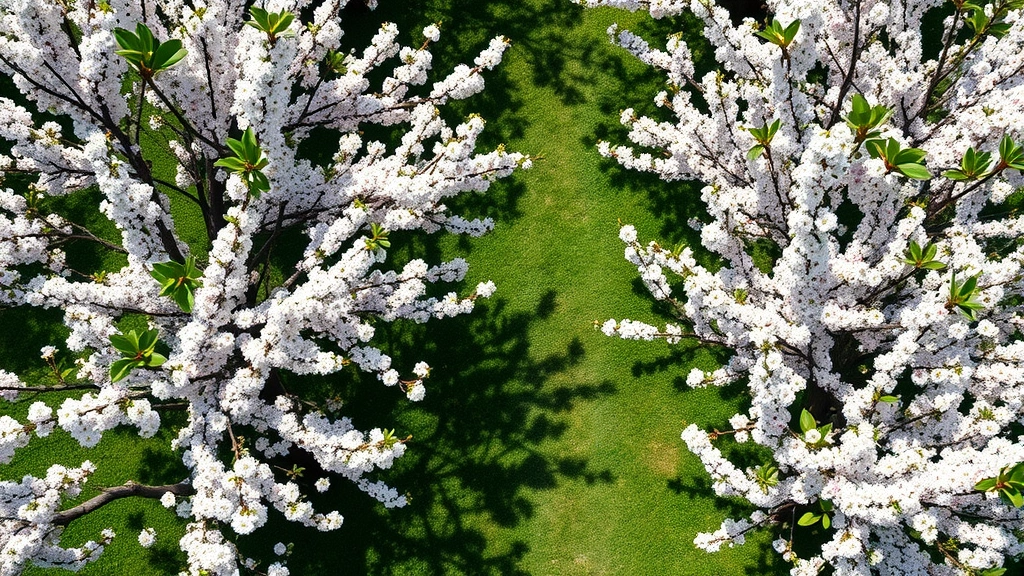
Starting a plum garden transforms your outdoor space into a productive fruit-bearing landscape that rewards you with sweet harvests for decades. Whether you’re a seasoned gardener or a curious beginner, plum trees offer remarkable versatility, adapting to various climates and growing conditions across North America. These stone fruits thrive in well-planned gardens, providing not only delicious fresh fruit but also stunning spring blossoms and beautiful foliage throughout the growing season.
The key to establishing a successful plum garden lies in understanding your local climate, selecting appropriate varieties, and providing consistent care during the establishment phase. With proper planning and attention to fundamental growing requirements, you can cultivate a thriving plum garden that produces abundant fruit while enhancing your property’s aesthetic appeal. This comprehensive guide walks you through every essential step, from site selection to harvesting your first crop.
Choosing the Right Location for Your Plum Garden
Location represents the foundation of plum garden success, influencing tree health, productivity, and fruit quality for years to come. Plum trees demand full sunlight exposure, requiring a minimum of six to eight hours of direct sun daily, though eight to ten hours produces superior fruit development and flavor concentration. South-facing locations prove ideal in northern climates, capturing maximum solar radiation during the shorter growing season.
Assess your site’s drainage characteristics carefully, as plum trees cannot tolerate waterlogged conditions that lead to root rot and fungal diseases. Areas prone to standing water or poor air circulation create problematic microclimates that encourage disease development. Conversely, excessively dry locations stress trees and reduce fruit production. Seek locations with gentle slopes that allow water to drain naturally while maintaining adequate soil moisture during dry periods.
Wind exposure warrants consideration when establishing your plum garden. While moderate air circulation benefits trees by reducing fungal disease pressure, strong winds damage delicate blossoms and young fruit, reducing yields significantly. Plant windbreaks using native shrubs or existing structures to moderate wind velocity without eliminating beneficial air movement. Proximity to structures, property lines, and utilities influences both immediate planting success and long-term tree development, as mature plum trees reach fifteen to twenty feet in height.
Selecting Plum Varieties for Your Climate
Successful plum gardens begin with variety selection matched to your specific hardiness zone and growing conditions. The three primary plum types—European, Japanese, and hybrid—each possess distinct characteristics, flavor profiles, and climatic requirements that determine suitability for your region.
European plums demonstrate exceptional cold hardiness, thriving in zones three through nine and producing dense, sweet fruit ideal for fresh eating and preserving. Varieties like ‘Stanley,’ ‘Damson,’ and ‘Greengage’ offer reliable production and excellent flavor. These self-fertile cultivars require minimal cross-pollination, simplifying garden planning for small spaces.
Japanese plums prefer warmer climates (zones five through ten) and produce larger, juicier fruit with earlier ripening periods. However, Japanese varieties demonstrate lower cold tolerance and often require cross-pollination from compatible cultivars. ‘Methley,’ ‘Santa Rosa,’ and ‘Shiro’ represent popular choices offering vigorous growth and abundant harvests in appropriate climates.
Hybrid plums combine European and Japanese genetics, offering intermediate hardiness and unique flavor characteristics. These modern introductions frequently exhibit disease resistance superior to their parent types, making them excellent choices for gardeners in transition zones or regions with significant disease pressure.
Consult your local cooperative extension service to identify varieties proven successful in your specific region. These resources provide invaluable guidance based on decades of local growing experience, ensuring your variety selections thrive in your unique microclimate and soil conditions.
Soil Preparation and Site Setup
Comprehensive soil analysis precedes planting, revealing nutrient levels, pH balance, and structural characteristics that influence long-term tree performance. Plum trees prefer slightly acidic to neutral soil (pH 6.0-7.0), tolerating a broader range than many fruit trees but performing optimally within this window. Obtain soil testing through your local extension office, which provides detailed recommendations for amendment requirements specific to your soil composition.
Most plum gardens benefit from incorporating three to four inches of well-aged compost into the planting area, improving soil structure, water retention, and microbial activity simultaneously. This organic matter addition proves particularly valuable in clay-heavy soils, where it reduces compaction and enhances drainage. Sandy soils benefit from compost incorporation that increases water-holding capacity and nutrient availability.
Consider constructing a raised garden bed if native soil proves problematic—excessive clay, poor drainage, or contamination issues warrant this approach. Raised beds provide complete control over soil composition, ensuring optimal growing conditions from establishment through maturity. Beds measuring four feet wide by eight feet long accommodate multiple plum trees while remaining accessible for maintenance activities.
Implement mulching strategies immediately after planting, applying three to four inches of wood chip mulch around the tree base while maintaining a six-inch clearance from the trunk. This protective layer moderates soil temperature fluctuations, suppresses weed competition, conserves moisture during dry periods, and gradually decomposes into soil-enriching organic matter. Avoid mulch contact with tree bark, which promotes rodent damage and fungal issues.
Planting Your Plum Trees
Timing your planting to coincide with dormant season ensures optimal establishment success, with fall and early spring representing ideal planting windows across most regions. Bare-root trees planted during dormancy recover quickly from transplant shock, establishing extensive root systems before spring growth demands accelerate. Container-grown trees plant successfully throughout the growing season if provided consistent watering during establishment.
Dig planting holes approximately twice the width of the root ball, creating a wide basin that encourages lateral root development into surrounding soil. Position trees at the same depth they occupied in the nursery, avoiding excessive planting depth that suffocates roots or exposes them to surface drying. Backfill with amended soil mixture, firming gently to eliminate air pockets while maintaining soil contact with roots.
Water newly planted trees thoroughly, settling soil and activating beneficial microorganisms. Create a watering basin by mounding soil in a circle around the planting hole, concentrating water application directly to the root zone. This basin proves invaluable during establishment, ensuring water penetrates deeply rather than running off sloped soil surfaces.
Space plum trees according to expected mature size—typically twenty to twenty-five feet apart for standard varieties, though dwarf rootstocks reduce spacing requirements to twelve to fifteen feet. Adequate spacing ensures sufficient light penetration to all canopy levels, reduces disease pressure through improved air circulation, and simplifies harvesting and maintenance activities as trees mature.
Watering and Irrigation Strategies
Establishing consistent moisture availability during the first growing season determines root system development and long-term vigor. Young plum trees require approximately one inch of water weekly during the growing season, whether supplied through rainfall or irrigation. Deep watering encourages profound root penetration, developing drought-resistant trees less dependent on supplemental irrigation during mature years.
Employ the best best garden hose reel systems for efficient water delivery, facilitating consistent irrigation schedules without excessive labor. Drip irrigation systems prove superior to overhead sprinklers, delivering water directly to root zones while minimizing foliar wetting that promotes fungal disease development. Soaker hoses positioned around tree bases provide economical alternatives to complex irrigation systems.
Monitor soil moisture regularly during establishment years, checking soil moisture at depths of six to eight inches where active root absorption occurs. Soil should feel consistently moist but never waterlogged—a simple squeeze test reveals moisture adequacy, with properly moistened soil holding shape without excessive water expression. Adjust irrigation frequency based on rainfall patterns, reducing supplemental watering during rainy periods to prevent waterlogging.
Mature trees typically require irrigation only during extended drought periods, though consistent moisture improves fruit quality and prevents fruit cracking. Mulch application moderates moisture fluctuations, reducing irrigation requirements while protecting roots from temperature extremes. During fruiting years, increased water demands occur when fruit begins sizing rapidly—typically mid to late summer depending on variety and climate.
Pruning and Training Techniques
Systematic pruning shapes young trees into productive frameworks while removing diseased, damaged, or competing growth. The open-center or vase-shaped training system works particularly well for plum trees, creating a goblet-like structure that permits excellent light penetration and air circulation throughout the canopy.
Begin pruning during the first dormant season after planting, selecting three to four well-spaced primary scaffold branches positioned around the trunk. These scaffolds should originate at different heights, spreading evenly around the trunk to create balanced, structurally sound frameworks. Remove all competing leaders and excessively low branches that will eventually drag on the ground or impede access beneath the canopy.
Subsequent pruning during dormant seasons removes crossing branches, dead wood, and growth exceeding desired height limits. Plum trees bear fruit on short spurs that remain productive for multiple years, so avoid excessive pruning that removes fruiting wood. Summer pruning helps manage excessive vegetative growth and improves light penetration during the growing season without stimulating aggressive regrowth.
Maintain open canopy structures throughout the tree’s life, progressively removing lower branches as the tree matures. This creates natural clearance for equipment operation, reduces disease pressure through improved air circulation, and simplifies fruit harvesting from ladders. Remove any branches showing signs of disease or pest damage immediately, sterilizing pruning tools between cuts to prevent pathogen spread.
Pest and Disease Management
Integrated pest management strategies minimize chemical inputs while maintaining healthy, productive plum gardens. Common plum pests include plum curculios, Japanese beetles, and various aphid species that damage fruit and foliage through feeding activities. Monitor trees regularly during growing season, inspecting new growth and developing fruit for pest presence.
Brown rot and black knot represent serious fungal diseases affecting many plum varieties, particularly in humid climates with poor air circulation. Preventive practices prove more effective than curative treatments—maintain open canopy structures, remove fallen fruit and debris that harbor fungal spores, and prune branches showing disease symptoms immediately. Dormant oil sprays applied during late winter suppress overwintering pest populations and fungal spores.
Select disease-resistant varieties when available, significantly reducing pest and disease management requirements throughout the tree’s productive life. Modern hybrid plums frequently exhibit superior disease resistance compared to traditional European or Japanese varieties. Consult USDA APHIS resources for current pest and disease information relevant to your region.
Encourage beneficial insect populations through diverse planting strategies. Incorporating butterfly garden plants near your plum garden attracts pollinators and predatory insects that naturally control pest populations. Native flowering plants, particularly umbels and composite flowers, provide essential nutrition for beneficial insects while enhancing landscape aesthetics.
Fertilizing for Optimal Growth
Plum trees demonstrate moderate fertility requirements, thriving in reasonably fertile soils without excessive nitrogen inputs that promote vegetative growth at the expense of fruit production. Annual soil testing guides fertilization decisions, preventing both deficiency symptoms and nutrient excess that complicates tree management.
Young, establishing trees benefit from balanced fertilizer applications (10-10-10 or similar ratios) applied in early spring as growth begins. Apply fertilizer in a circle around the tree base, maintaining distance from the trunk to prevent root burn. Dissolve granular fertilizers in water, ensuring even nutrient distribution and immediate availability to developing roots.
Mature, fruit-bearing trees typically require less nitrogen than young trees, shifting toward higher potassium ratios that support fruit development and quality. Phosphorus supports root development and flowering, while potassium enhances fruit flavor and storage characteristics. Organic fertilizer options including compost, aged manure, and specialized fruit tree formulations provide slow-release nutrition supporting long-term soil health.
Foliar nutrient deficiencies occasionally develop despite adequate soil fertility, manifesting as yellowing leaves, poor fruit development, or reduced vigor. Zinc and boron deficiencies occur most frequently in plum gardens, treatable through targeted foliar sprays or soil amendments. Consult your extension service when unusual symptoms develop, ensuring accurate diagnosis before implementing treatments.
Harvesting and Storage Tips
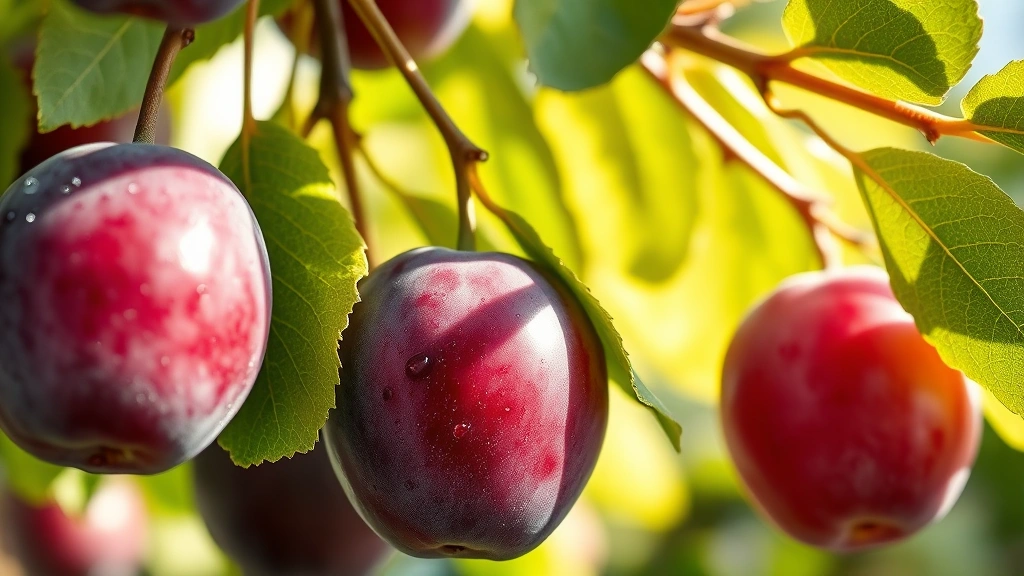
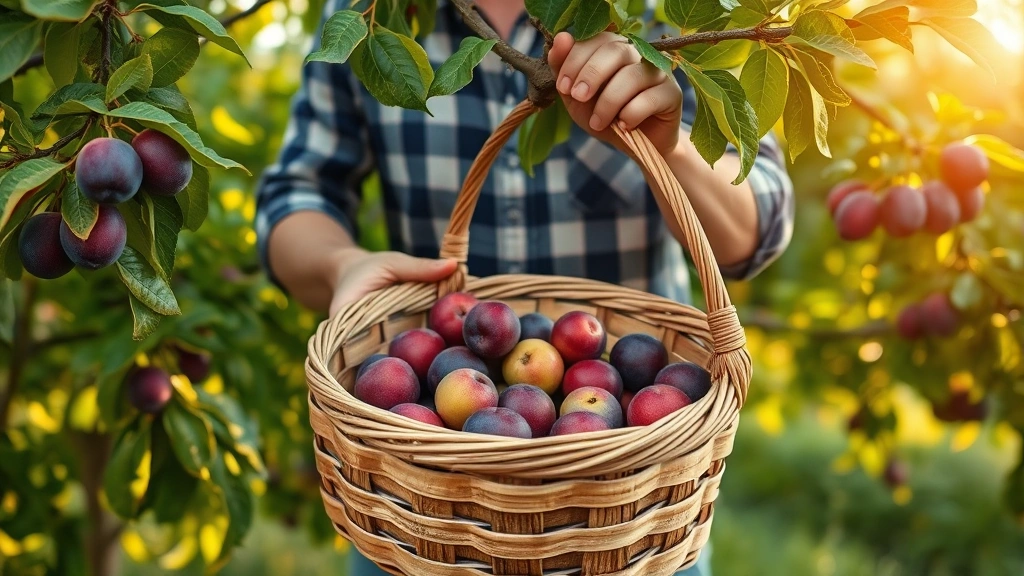
Plum harvest timing dramatically influences fruit quality, flavor development, and storage potential. Unlike many fruits, plums continue ripening after harvest, achieving full sweetness and color development at room temperature over several days. Harvest when fruit displays full varietal color and yields slightly to gentle pressure, but before becoming overly soft.
Collect fallen fruit daily during harvest season, removing diseased or damaged fruit that attracts pests and harbors fungal spores. Handle harvested plums gently to minimize bruising and skin damage that reduces storage life and creates entry points for decay organisms. Sort fruit by ripeness, grouping similar maturity stages for coordinated storage or processing.
Store plums in cool conditions (32-40°F) to dramatically extend storage life, preventing overripening and maintaining quality characteristics. Proper storage extends shelf life from days at room temperature to several weeks under refrigeration. Arrange fruit in single layers with slight separation, preventing contact that concentrates ripening ethylene gas and accelerates decay.
Fresh plums represent the ultimate garden reward, but consider preservation through canning, freezing, or jam production to extend enjoyment throughout the year. Plum preserves, jams, and sauces capture summer flavors for winter enjoyment, while frozen fruit maintains quality for baking and cooking applications. These preservation methods transform abundant harvests into shelf-stable products that celebrate your plum garden investment.
FAQ
How long before plum trees produce fruit?
Most plum trees begin producing fruit three to four years after planting, though some precocious varieties fruit within two years. Dwarf rootstocks frequently produce earlier than standard trees, rewarding patient gardeners with harvests during the establishment phase. Consistent care, proper pollination, and favorable growing conditions accelerate fruit production.
Do plum trees require cross-pollination?
Many plum varieties produce fruit with cross-pollination from compatible cultivars, though some self-fertile varieties produce adequately without pollinizers. European plums generally demonstrate greater self-fertility than Japanese varieties, though cross-pollination typically increases fruit set and yield. Consult variety descriptions when planning your plum garden, selecting complementary cultivars that bloom simultaneously.
What’s the best time to prune plum trees?
Dormant season pruning (late winter to early spring) proves most effective for structural training and major branch removal, as trees rapidly heal pruning wounds during active growth. Summer pruning manages excessive growth and improves light penetration without stimulating aggressive regrowth. Avoid fall pruning that stimulates tender new growth vulnerable to winter damage.
How can I protect young plum blossoms from late frost?
Site selection in frost-prone valleys or low-lying areas increases frost risk, as cold air settles in depressions. Position plum gardens on gentle slopes where cold air drains away from trees. Late-blooming varieties suffer less frost damage than early bloomers, providing another selection strategy for frost-prone regions. Frost cloth temporarily protects blooms during unexpected late freezes.
What causes plum fruit to crack?
Inconsistent soil moisture represents the primary cause of fruit cracking, occurring when heavy rains or excessive irrigation follow dry periods. Soil moisture fluctuations create internal pressure differentials that burst fruit skin. Mulching moderates moisture fluctuations, while consistent irrigation schedules prevent dramatic water availability swings that crack developing fruit.
How do I know when plums are ripe for harvest?
Ripe plums display full varietal color and yield gently to pressure without becoming mushy. Taste testing small samples confirms sweetness and flavor development, though remember that plums continue ripening after harvest. Morning harvest when temperatures remain cool preserves fruit quality, reducing softening and spoilage during handling and storage.