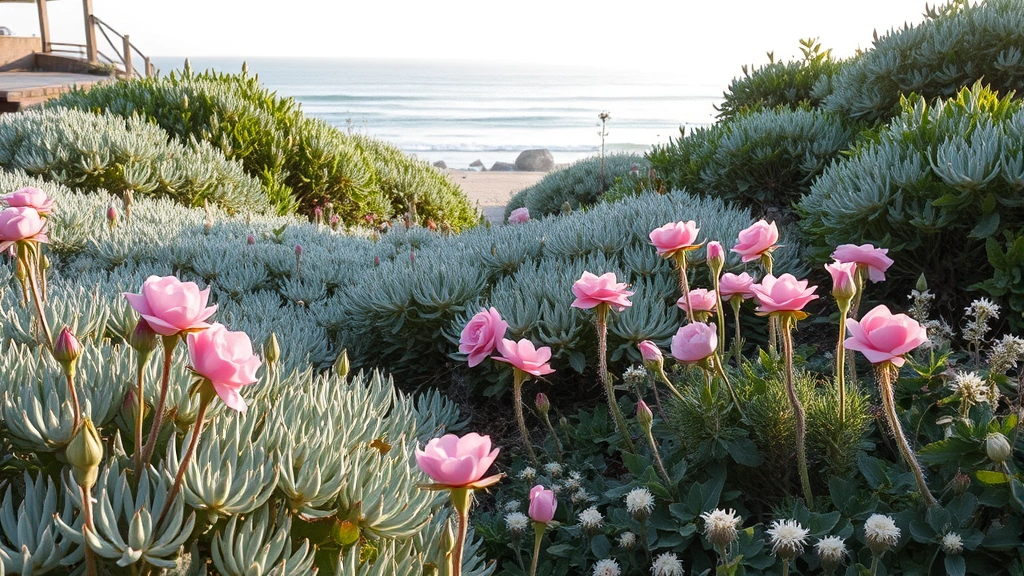
Creating an ocean garden transforms your outdoor space into a coastal paradise that celebrates marine ecosystems and aquatic beauty. Whether you’re drawn to the tranquility of seaside landscapes or inspired by oceanic biodiversity, an ocean garden combines salt-tolerant plants, water features, and coastal design principles to evoke the essence of the sea. Marine biologists increasingly recognize how residential ocean gardens can raise awareness about ocean conservation while creating stunning, functional outdoor spaces that thrive in challenging coastal conditions.
This comprehensive guide explores ocean garden design through the lens of marine science, offering practical insights for creating a thriving coastal garden that mirrors natural ocean ecosystems. We’ll examine salt-tolerant plant selections, water management strategies, and design elements that bring oceanic beauty into your backyard while supporting local wildlife and environmental sustainability.
Understanding Ocean Garden Fundamentals
An ocean garden represents more than aesthetic landscaping—it’s an ecological approach to gardening that acknowledges coastal environmental challenges while celebrating maritime beauty. Marine biologists emphasize that coastal gardens must address specific growing conditions including salt spray, wind exposure, sandy soils, and fluctuating moisture levels. These conditions mirror natural seaside habitats where specialized plants have evolved remarkable adaptations.
The foundation of successful ocean gardening lies in understanding your specific coastal microclimate. Proximity to ocean, elevation, prevailing wind patterns, and salt spray intensity all influence plant selection and garden design. Properties within one mile of the ocean typically experience significant salt spray, while gardens further inland face different challenges. Testing your soil’s salinity levels provides crucial baseline data for determining which herb garden planter options and plant varieties will thrive in your specific location.
Marine scientists note that ocean gardens serve important ecological functions beyond residential enjoyment. They can provide habitat corridors for coastal wildlife, reduce erosion through strategic plantings, filter runoff before it reaches waterways, and demonstrate sustainable landscaping principles that reduce chemical inputs into marine ecosystems. By designing thoughtfully, you contribute to broader conservation efforts while creating a beautiful outdoor sanctuary.
Salt-Tolerant Plants for Coastal Conditions
Selecting appropriate plants forms the cornerstone of ocean garden success. Salt tolerance varies significantly among species, and marine biologists have documented how certain plants have evolved halophytic characteristics—the ability to survive and even thrive in saline conditions. Understanding plant salt tolerance ratings helps you choose species that won’t struggle in your coastal environment.
Exceptional salt-tolerant options include:
- Beach plum (Prunus maritima)—Produces edible fruit while tolerating extreme salt exposure and sandy soils
- Sea oats (Uniola paniculata)—Native coastal grass that stabilizes dunes and provides wildlife habitat
- Bayberry (Myrica pensylvanica)—Fragrant native shrub with exceptional salt tolerance and wildlife value
- Russian olive (Elaeagnus angustifolia)—Silvery-foliaged tree with remarkable drought and salt tolerance
- Coastal sage brush (Artemisia californica)—Mediterranean native with aromatic foliage and minimal water needs
- Sea thrift (Armeria maritima)—Low-growing perennial producing pink or white flower clusters
- Dusty miller (Senecio cineraria)—Silvery foliage plant that creates elegant color contrasts
- Inkberry holly (Ilex glabra)—Native evergreen shrub with superior salt tolerance
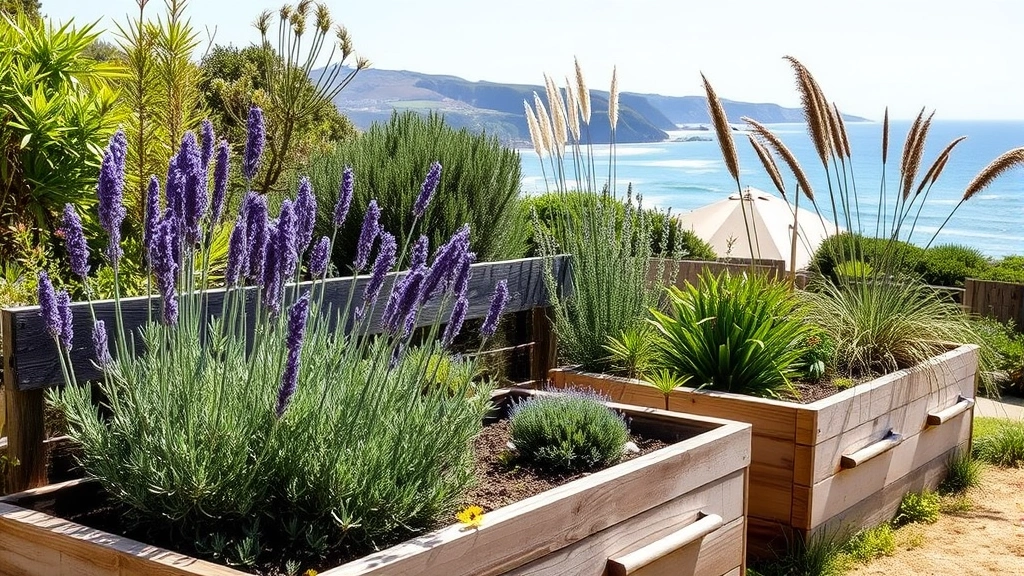
For coastal herb gardens, consider establishing a dedicated herb garden planter featuring salt-tolerant culinary herbs. Rosemary, lavender, thyme, and oregano demonstrate exceptional salinity tolerance while providing aromatic foliage and edible harvests. These Mediterranean natives thrive in well-draining conditions typical of coastal gardens and require minimal fertilization.
Native plant selection deserves particular emphasis—species naturally occurring in your coastal region possess evolutionary adaptations specifically suited to local conditions. Consulting native plant societies or your regional master gardener program provides access to regionally appropriate plant lists and cultivation advice from local experts.
Water Features and Marine Elements
Incorporating water features elevates ocean gardens from simple plantings into immersive maritime experiences. Water elements serve practical functions—creating humidity, moderating temperature, and providing wildlife habitat—while establishing the oceanic theme central to your garden’s identity.
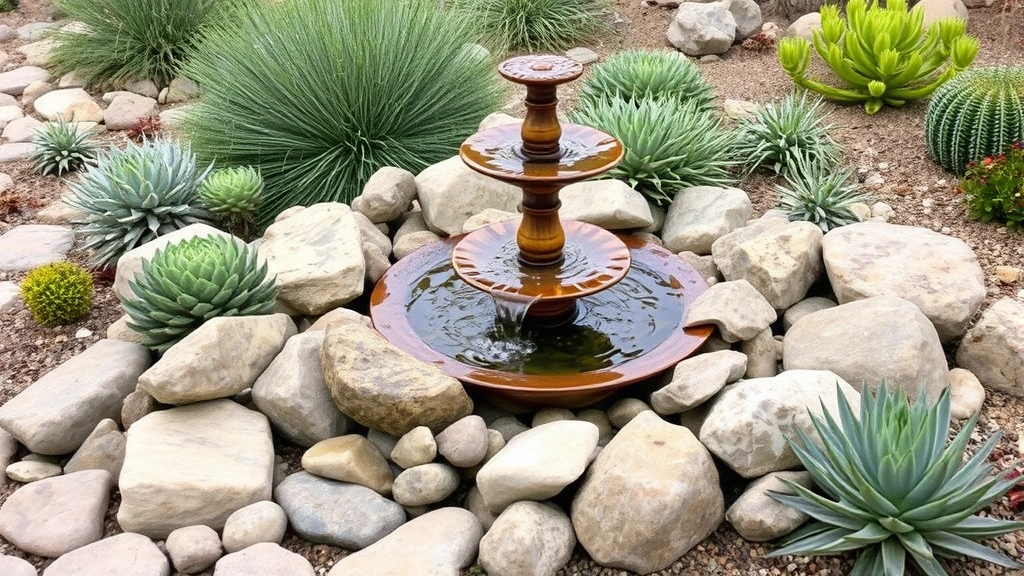
A garden fountain creates dynamic visual and auditory focal points while circulating water that benefits surrounding plants. Consider fountain designs featuring ocean-inspired elements: tiered shells, sculptural waves, or integrated planters that echo seaside rock formations. Fountains positioned near salt-tolerant plantings create microhabitats where moisture-loving species thrive despite coastal conditions.
Reflecting pools mirror coastal lagoons and provide calm visual counterpoints to more dynamic water features. These shallow basins, typically 18-24 inches deep, can incorporate marginal plants like pickerel rush, cattails, or water-loving sedges. Marine biologists recognize that even small residential water features support aquatic invertebrates, amphibians, and birds, contributing meaningfully to urban biodiversity.
Rain gardens represent sophisticated water management solutions for ocean gardens. By capturing and filtering runoff through layers of sand and native plants, rain gardens reduce saltwater and fertilizer contamination reaching coastal waters while creating beautiful landscape features. These bioswales can be covered with shade cloth during winter storms to protect sensitive plantings.
Consider incorporating tide-inspired elements—pea gravel mulches suggesting sandy beaches, rock formations evoking tide pools, or sculptural pieces representing ocean creatures. These design elements reinforce your garden’s maritime theme while providing practical benefits like improved drainage and temperature moderation.
Soil Preparation for Saline Environments
Coastal soil presents unique challenges requiring specialized preparation. Sandy soils typical of beach properties drain rapidly, limiting nutrient and water retention. Salt accumulation from spray and winter de-icing further complicates growing conditions. Marine scientists recommend comprehensive soil analysis before establishing ocean gardens.
Begin with professional soil testing through your USDA cooperative extension service, which identifies salinity levels, pH, nutrient content, and organic matter percentages. This baseline data guides targeted amendments ensuring optimal growing conditions for salt-tolerant species.
Building raised garden beds provides excellent solutions for saline soil conditions. Raised beds allow complete soil replacement with custom-formulated growing media optimized for coastal plants. A typical ocean garden raised bed formula combines aged compost (40%), coarse sand (30%), perlite (15%), and peat moss or coconut coir (15%), creating excellent drainage while retaining essential moisture and nutrients.
Critical soil amendments for coastal gardens include:
- Organic matter—increases water retention and provides slow-release nutrients
- Sulfur—lowers pH in alkaline coastal soils, improving nutrient availability
- Mycorrhizal fungi—enhances root function and salt tolerance in established plants
- Kelp meal—provides micronutrients while improving soil structure
- Compost—introduces beneficial microorganisms supporting plant health
Mulching strategies deserve careful attention in ocean gardens. Coarse sand, crushed shells, or decorative gravel provide aesthetic appeal while improving drainage. Apply 2-3 inches of mulch around plantings, maintaining several inches clearance from plant stems to prevent rot. Mulch reduces salt accumulation at the soil surface while moderating soil temperature fluctuations common in coastal environments.
Designing Your Ocean Garden Layout
Strategic design transforms individual plantings into cohesive ocean gardens that tell visual stories and create harmonious outdoor spaces. Marine biologists and landscape designers increasingly collaborate, recognizing how thoughtful spatial planning enhances both aesthetics and ecological function.
Begin by establishing focal points—areas drawing the eye and anchoring your garden’s design. A specimen salt-tolerant tree like a Japanese black pine or coastal oak creates powerful vertical interest while providing wildlife habitat. Sculptural water features, tide pool gardens, or carefully positioned seating areas serve as secondary focal points guiding visitors through your space.
Layered plantings create depth and visual complexity mimicking natural coastal ecosystems. Establish three distinct layers: tall background plantings (trees and large shrubs), mid-story elements (smaller shrubs and ornamental grasses), and low foreground plantings (groundcovers and perennials). This stratified approach maximizes visual interest while providing varied habitat structures supporting diverse wildlife.
Color palettes reflecting oceanic themes enhance garden cohesion. Blues, teals, grays, and silvers create calming maritime moods, while strategically placed coral, orange, or deep purple accents provide vibrant contrast. Many salt-tolerant plants naturally exhibit silvery or blue-gray foliage, simplifying color coordination and reinforcing your ocean garden theme.
Pathways guide circulation while creating opportunities for intimate plant observation. Curved paths suggest flowing water while encouraging slower, more contemplative movement through your space. Consider using beach sand, crushed shells, or permeable hardscaping materials that evoke coastal landscapes while managing water runoff appropriately.
Incorporating shade cloth protection proves essential in exposed coastal gardens where intense sun and wind stress vulnerable plantings. Shade cloth installed during establishment periods reduces transplant shock while protecting young plants from salt-laden wind exposure.
Seasonal Care and Maintenance
Ocean gardens require seasonal adjustments addressing coastal weather patterns and plant dormancy cycles. Marine-influenced climates create unique seasonal challenges demanding specialized care protocols.
Spring maintenance focuses on:
- Removing winter-accumulated salt deposits through gentle rinsing
- Pruning frost-damaged growth after last frost date
- Applying mulch refreshment to maintain 2-3 inch coverage
- Planting salt-tolerant annuals and perennials
- Establishing new raised beds and water features
Summer care emphasizes:
- Consistent irrigation during establishment periods (first 2-3 years)
- Monitoring for salt stress symptoms including leaf burn or stunted growth
- Deadheading spent flowers to encourage continued blooming
- Managing wind exposure through strategic staking or windbreaks
- Maintaining fountain and water feature water levels
Fall preparation includes:
- Reducing irrigation as temperatures cool and growth slows
- Harvesting herbs and preparing plants for dormancy
- Installing winter protection for marginally hardy species
- Clearing debris from water features and rain gardens
- Dividing overcrowded perennials
Winter considerations address:
- Protecting sensitive plantings from salt-laden winter winds
- Avoiding salt-based de-icing products near plantings
- Monitoring water features for ice damage
- Planning spring improvements and new installations
Fertilization requires careful management in ocean gardens. Many salt-tolerant species evolved in nutrient-poor environments and perform better with minimal supplementation. Excessive nitrogen promotes tender growth susceptible to salt damage and disease. Prefer slow-release organic fertilizers or foliar applications of seaweed extract providing balanced nutrition without excessive salts.
Wildlife Integration and Ecosystem Support
Marine biologists emphasize that ocean gardens serve crucial roles in supporting coastal wildlife populations increasingly pressured by habitat loss and climate change. Thoughtful plant selection and garden management create refuges for birds, butterflies, native bees, and beneficial insects.
Native salt-tolerant plants provide superior wildlife value compared to ornamental exotics. Native species evolved alongside local wildlife, producing seeds, fruits, and nectar timed to animal life cycles. Beach plum, bayberry, and native viburnums offer abundant berries supporting migrating birds. Coastal wildflowers attract specialized pollinators adapted to maritime conditions.
Water features dramatically increase wildlife value, providing essential drinking and bathing habitat for birds and insects. Even shallow basins support aquatic invertebrates forming food chains supporting amphibians and birds. Position water features near sheltering plantings where wildlife feels safe while visiting your garden.
Avoid pesticides and herbicides, which contaminate groundwater and coastal aquifers while killing beneficial insects supporting food webs. Integrated pest management approaches—encouraging predatory insects, hand-removing pests, and accepting minor plant damage—maintain ecological balance while reducing chemical inputs reaching marine ecosystems.
Creating seasonal interest through staggered blooming ensures consistent nectar and pollen availability. Spring-blooming coastal sage and sea thrift transition to summer-flowering lavender and rosemary, followed by fall asters and ornamental grasses providing seeds for overwintering birds. This succession supports wildlife throughout annual cycles.
Leaving seed heads on perennials and ornamental grasses through winter provides crucial food sources for finches, juncoes, and other seed-eating birds. Similarly, leaving some leaf litter creates overwintering habitat for beneficial insects and ground-nesting bees. These seemingly “messy” garden practices support biodiversity essential to healthy coastal ecosystems.
FAQ
What defines an ocean garden versus standard coastal landscaping?
Ocean gardens intentionally celebrate maritime themes and marine ecosystem principles through specialized plant selections, water features, and design elements evoking oceanic environments. They prioritize salt-tolerant species, incorporate water elements, and often include wildlife habitat features. Standard coastal landscaping may include some salt-tolerant plants but doesn’t necessarily embrace the comprehensive ecological and aesthetic approach central to ocean garden philosophy.
Can ocean gardens succeed in inland locations?
Yes, inland gardeners can create ocean-inspired gardens using salt-tolerant plants, water features, and maritime design elements. While you’ll avoid salt spray challenges, inland ocean gardens emphasize water features, appropriate plant selections, and coastal color palettes creating oceanic atmospheres. Many salt-tolerant species thrive in inland climates with proper drainage and minimal supplemental water.
How long before newly planted salt-tolerant species establish?
Most salt-tolerant plants require 2-3 years for complete establishment, during which consistent irrigation supports root development. Growth appears slow during establishment as plants invest energy underground developing extensive root systems. Once established, mature plants require minimal supplemental water, demonstrating the long-term resilience justifying initial investment.
What’s the best time for ocean garden installation?
Spring and fall offer optimal planting windows in most coastal regions. Spring plantings benefit from warming soil and increasing day length, while fall plantings establish roots before winter dormancy. Avoid summer planting when intense heat stresses newly transplanted specimens, and delay winter installation when frozen soil prevents proper planting depth.
How do I manage salt accumulation in ocean gardens?
Regular rinsing during calm weather removes salt deposits from foliage. Improving soil drainage through raised beds and organic matter additions prevents salt accumulation at root zones. Selecting truly salt-tolerant species rather than marginal options eliminates the need for extensive salt management. Mulching reduces salt spray contact with soil and plant bases.
Can I incorporate vegetables in ocean gardens?
Yes, many vegetables tolerate moderate salt conditions. Beans, peas, lettuce, and root vegetables demonstrate reasonable salt tolerance. Establishing raised beds with imported soil isolates vegetables from saline native soils. Focus on shorter-season crops completing growth before peak salt spray periods, and prioritize salt-tolerant herb varieties like rosemary and thyme for culinary harvests.
What external resources help with ocean garden planning?
Your local cooperative extension office provides region-specific plant recommendations and soil testing services. Native plant societies maintain curated species lists and cultivation guides. Botanical gardens often feature coastal plant collections and seasonal displays demonstrating successful ocean garden design. Master gardener programs offer personalized consultation from trained volunteers with local expertise.


