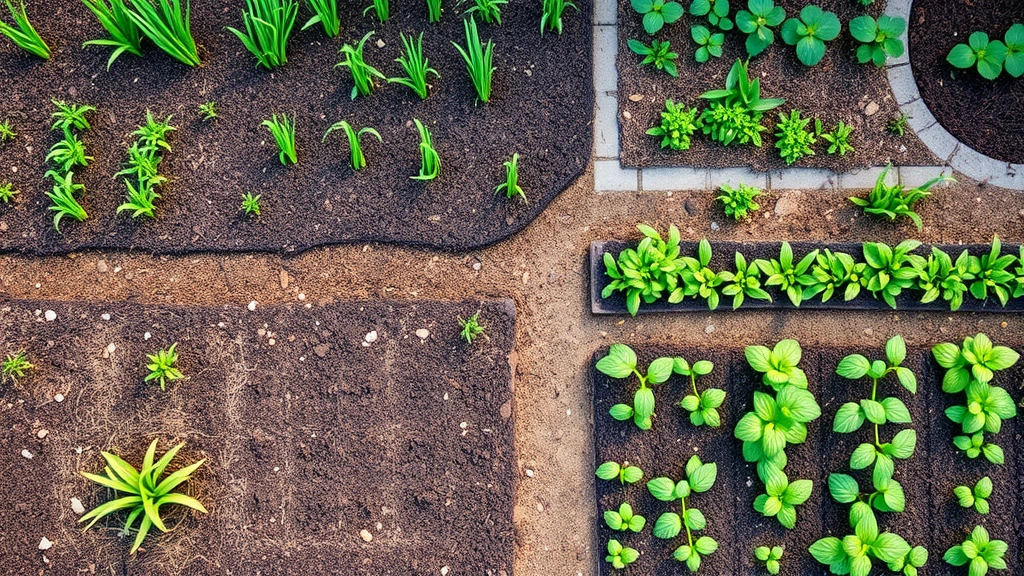
Creating a happy garden menu means understanding what your plants need throughout the year. Just like a chef carefully selects seasonal ingredients for the perfect meal, gardeners should plan their planting schedule, soil amendments, and harvests based on what each season offers. This approach transforms your garden into a thriving ecosystem that produces vegetables, fruits, and ornamental plants at their peak.
A seasonal garden menu isn’t just about aesthetics—it’s a practical strategy for maximizing yields, reducing pest problems, and working with nature rather than against it. By aligning your gardening activities with natural seasonal rhythms, you’ll spend less time fighting environmental conditions and more time enjoying a bountiful, beautiful garden.
Spring: The Garden’s Fresh Start
Spring awakens the garden from winter dormancy, bringing longer days and warming soil. This season demands immediate action to set the tone for your entire year. Begin by assessing your garden beds—remove winter mulch gradually as temperatures stabilize, allowing soil to warm naturally. Before planting anything new, test your soil composition and pH levels. Spring is the perfect time to apply garden fertilizer to refresh nutrient levels depleted by previous seasons.
Start seeds indoors 6-8 weeks before your last frost date. Cool-season vegetables like lettuce, peas, spinach, and broccoli can go directly into prepared beds once soil is workable. These crops thrive in spring’s moderate temperatures and actually prefer cooler conditions. Meanwhile, prepare DIY raised garden bed structures if you’re expanding your growing space—spring is ideal for construction before the intense heat arrives.
Spring is also when you should prune winter-damaged branches from perennials and shrubs, allowing new growth to flourish. Divide overcrowded perennials and plant new specimens. Deadhead spent flowers from spring bulbs to encourage energy redirection into root systems rather than seed production. Don’t forget to sharpen your garden tool collection now, before the busy growing season demands constant use.
Mulch around plants once soil warms to conserve moisture and suppress weeds. A 2-3 inch layer of organic mulch regulates soil temperature and gradually breaks down to improve soil structure. Spring rains provide ample moisture, but establish consistent watering habits early—plants develop stronger root systems when they must search deeper for water.
Summer: Peak Growing Season
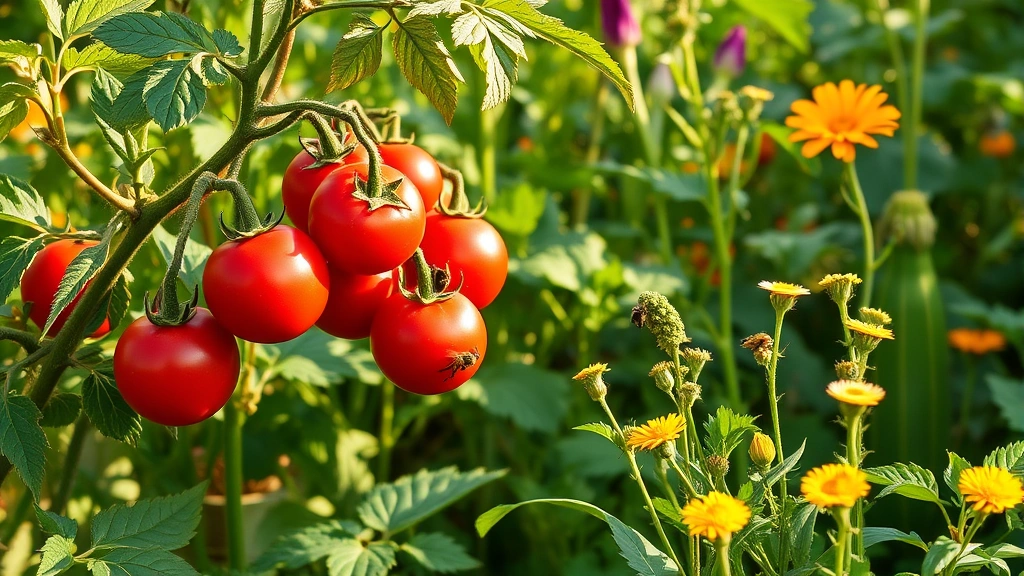
Summer brings the garden’s most dramatic growth and productivity. Warmth-loving plants like tomatoes, peppers, squash, and beans reach their peak performance. However, intense heat and longer days also accelerate water loss from soil and plant tissues. Water deeply and consistently—most vegetables need 1-2 inches weekly, delivered through drip irrigation or soaker hoses rather than overhead sprinklers. Morning watering allows foliage to dry, reducing fungal disease pressure.
Heat stress challenges many plants, so provide shade cloth for sensitive crops like lettuce and peas if temperatures exceed 85°F consistently. Succession planting extends your harvest—sow beans, squash, and cucumbers every 2-3 weeks for continuous production rather than overwhelming gluts. Remove spent spring vegetables to make room for heat-loving replacements.
Summer demands vigilant pest management. Regular garden inspections catch problems early when they’re easiest to address. Hand-pick larger pests, use row covers for vulnerable young plants, and encourage beneficial insects. If you’re concerned about how to keep rabbits out of garden, summer is when populations peak, so ensure fencing and barriers are secure.
Deadhead flowering plants constantly to promote continued blooming rather than seed production. Pinch back herbs regularly to encourage bushier growth and delay flowering. Fertilize heavy feeders like tomatoes and squash every 3-4 weeks with balanced or slightly nitrogen-rich fertilizer. Mulch heavily to moderate soil temperature and retain moisture—this simple practice reduces summer watering needs significantly.
Fall: Harvest and Preparation
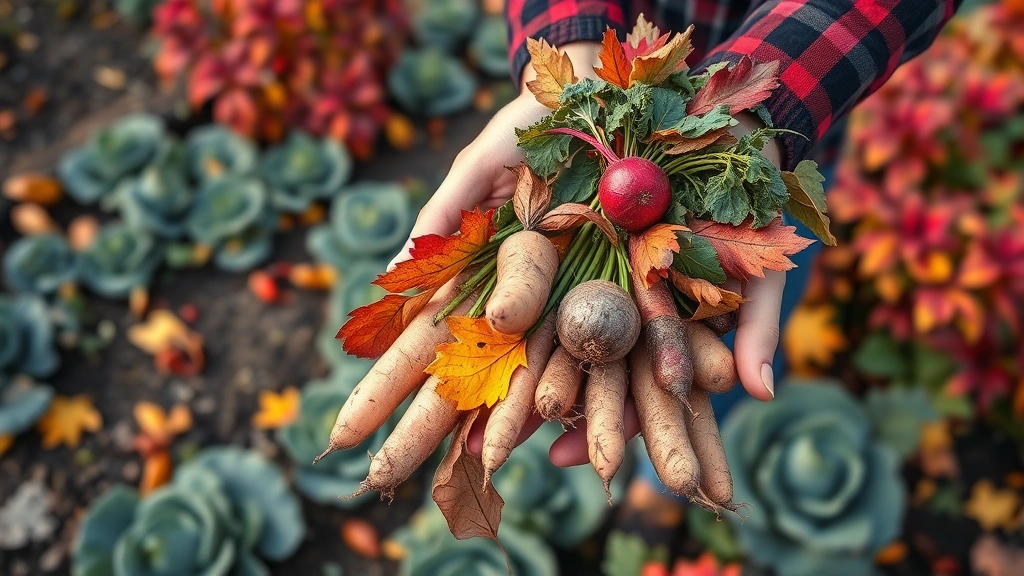
As temperatures cool and days shorten, fall transforms the garden into a harvest paradise. This season produces some of the most flavorful vegetables—cool nights concentrate sugars in root vegetables, leafy greens, and brassicas. Plant cool-season crops like kale, cabbage, Brussels sprouts, carrots, and beets 8-10 weeks before your first fall frost. These crops actually improve in flavor after light frosts, which convert starches to sugars.
Fall is also prime planting time for spring-blooming bulbs. Tulips, daffodils, crocuses, and hyacinths need 12-16 weeks of cold temperatures to develop properly. Plant them immediately after soil cools—typically September through November depending on your region. Butterfly garden plants like coneflowers and black-eyed Susans produce abundant seeds in fall that birds enjoy and that self-sow for next year’s display.
Gradually reduce watering as temperatures drop and growth slows. Stop fertilizing by late summer to allow tender new growth time to harden before frost. Remove annuals as they decline, but leave perennial seed heads standing—they provide winter interest and food for birds and beneficial insects. Cut back perennials only after they’re completely dormant and blackened by frost.
Fall is prime time for soil improvement. Spread compost, aged manure, and other organic amendments over beds—cool temperatures slow decomposition, allowing winter weather to break materials into smaller particles. Fallen leaves are gardening gold; shred them and layer into beds or compost piles. Cover crops like winter rye, clover, and hairy vetch planted in fall establish root systems and prevent erosion while adding nitrogen.
Winter: Rest and Planning
Winter seems quiet but offers essential rest for both gardener and garden. Perennials and shrubs undergo dormancy, storing energy in roots for spring emergence. Evergreens provide winter interest and shelter for wildlife. In mild climates, hardy crops like kale, spinach, and mâche continue producing under row covers.
This is the season for garden planning. Review notes from the past year—what thrived, what struggled, what you’d change. Sketch new beds, plan rotations, and order seed catalogs. Winter is perfect for maintaining your garden tool collection: sharpen blades, oil handles, repair or replace damaged equipment. Drain and store hoses; disconnect irrigation systems in freezing climates.
Late winter brings opportunities for pruning deciduous trees and shrubs while dormant. Remove dead, damaged, or crossing branches. Thin dense growth to improve air circulation. In late winter, apply dormant oil sprays to control overwintering pests on woody plants. Toward season’s end, prune summer-blooming shrubs before new growth emerges.
Consider structural improvements during winter when access is easier and plants aren’t actively growing. Build new raised beds, install irrigation, create pathways, or construct trellises. Winter is also ideal for starting seeds indoors under grow lights in late winter, preparing transplants for spring planting.
Soil Management Year-Round
Healthy soil is a happy garden’s foundation. Soil testing every 3-5 years reveals nutrient levels and pH, guiding amendment decisions. Spring and fall are ideal testing times. Most vegetables prefer slightly acidic to neutral soil (pH 6.0-7.0), while acid-loving plants like blueberries and rhododendrons need pH 4.5-5.5.
Incorporate garden fertilizer based on test results and plant needs. Organic gardeners build soil fertility through compost, aged manure, and cover crops. Conventional gardeners might use balanced fertilizers like 10-10-10 or specialized formulations for specific crops. Spring and early summer are peak fertilizing seasons for most plants; reduce or stop by midsummer to avoid promoting tender growth susceptible to frost damage.
Mulching is perhaps the most impactful year-round practice. Organic mulch (shredded bark, wood chips, compost) moderates soil temperature, retains moisture, suppresses weeds, and gradually decomposes to improve soil structure. Apply 2-3 inches around plants, keeping mulch a few inches away from plant stems to prevent rot. Refresh mulch annually as it breaks down.
Composting returns garden waste to soil as valuable organic matter. Layer brown materials (dried leaves, straw) with green materials (grass clippings, vegetable scraps) in a 3:1 ratio. Turn regularly for faster decomposition or leave undisturbed for slower, passive composting. Well-made compost transforms poor soil into rich, productive growing medium.
Choosing Plants for Each Season
Your happy garden menu depends on selecting appropriate plants for each season. Spring offers cool-season vegetables (peas, lettuce, spinach, broccoli), spring bulbs (tulips, daffodils, hyacinths), and early-blooming perennials. Ornamental trees and shrubs show off new foliage and flowers. Herbs like parsley, chives, and cilantro thrive in cool spring weather.
Summer’s warm-loving crops include tomatoes, peppers, eggplants, squash, cucumbers, and beans. Annual flowers like zinnias, marigolds, and sunflowers reach peak bloom and provide continuous color through frost. Perennials like coneflowers, daylilies, and coreopsis bloom prolifically. Consider butterfly garden plants to attract pollinators and beneficial insects throughout summer.
Fall’s cool-season crops return—now is the ideal time for brassicas like kale, cabbage, and broccoli. Root vegetables (carrots, beets, turnips) develop superior flavor. Ornamental grasses peak, and fall mums provide brilliant color. Spring-blooming bulbs planted now create next year’s early season display. Late-blooming perennials like asters and sedum bridge seasons beautifully.
Winter’s palette depends on your climate. In cold regions, evergreens, winter berries, and ornamental grasses provide structure and interest. In mild climates, cool-season vegetables continue producing under protection. Winter-blooming shrubs and hellebores offer unexpected flowers. Consider forcing spring bulbs indoors for winter blooms.
Managing Pests and Wildlife
Seasonal pest management aligns with pest life cycles. Spring brings emerging insects and disease spores; vigilant monitoring catches problems early. Summer’s warm weather accelerates pest reproduction; maintain consistent management practices. Fall’s cooling slows pest activity but allows them to prepare for dormancy. Winter’s cold kills many pests’ overwintering stages, though some survive protected under bark or mulch.
Encourage beneficial insects year-round by providing diverse plants with staggered bloom times. Native plants support local insect populations better than exotic species. Leave some areas unmulched for ground-nesting bees. Avoid broad-spectrum pesticides that kill beneficial insects along with pests.
If how to keep rabbits out of garden is a concern, physical barriers like 2-foot fencing are most effective. Repellents have limited effectiveness. Motion-activated sprinklers or predator decoys offer seasonal solutions. Remove brush piles and tall grass where rabbits hide.
Deer, squirrels, and other wildlife require different strategies. Fencing deters deer but must be 7-8 feet tall. Netting protects vegetables from birds and squirrels. Removing food sources (fallen fruit, accessible compost) reduces wildlife attraction. In many cases, coexisting with wildlife through strategic planting of both crops and plants for wildlife is more practical than exclusion.
Disease management follows seasonal patterns. Spring’s moisture promotes fungal diseases; improve air circulation and water at soil level. Summer heat can stress plants, making them disease-susceptible; consistent watering and mulching reduce stress. Fall’s cool, damp conditions favor fungal problems; remove diseased foliage promptly. Winter’s dormancy naturally controls many diseases.
FAQ
When should I start my vegetable garden?
Start cool-season crops (peas, lettuce, spinach) 2-3 weeks before your last spring frost. Start warm-season crops (tomatoes, peppers, squash) after all frost danger passes and soil warms to 60°F. Check your local USDA Plant Hardiness Zone for specific frost dates.
How often should I water my garden?
Most gardens need 1-2 inches of water weekly during growing season, delivered through deep, infrequent watering rather than daily shallow watering. Adjust based on rainfall, temperature, and soil type. Sandy soils need more frequent watering; clay soils less frequent. Morning watering is ideal to reduce disease pressure.
What’s the best fertilizer for my garden?
The best fertilizer depends on your soil test results and plant needs. Organic gardeners use compost, aged manure, and specialized organic fertilizers. Conventional gardeners use balanced or targeted chemical fertilizers. Apply garden fertilizer according to package directions and plant requirements.
Can I garden in containers year-round?
Yes, containers allow year-round gardening even in small spaces. Use quality potting mix (not garden soil), ensure drainage holes, and adjust watering frequency—containers dry faster than in-ground beds. In winter, move tender containers to protection or choose cold-hardy plants. Garden Myths offers excellent container gardening guidance.
How do I prepare beds for winter?
Remove spent plants, add compost or aged manure, and plant cover crops if desired. Leave perennial seed heads standing for wildlife. Mulch around established plants to insulate roots. In spring, work amendments into soil before planting. This improves soil structure and nutrient content for next season.
What’s the easiest way to build raised beds?
Follow a DIY raised garden bed guide for detailed instructions. Typically, use untreated cedar or composite boards, assemble into rectangles, fill with quality soil mix, and plant. Raised beds warm faster in spring, drain better, and reduce bending. They’re ideal for Extension Services recommendations on accessible gardening.
When should I prune my trees and shrubs?
Prune deciduous trees and shrubs in late winter while dormant. Prune spring-blooming shrubs immediately after flowering. Prune summer-blooming shrubs in late winter. Avoid heavy pruning in late summer, which stimulates tender growth vulnerable to frost. Always use sharp, clean garden tool equipment to prevent disease transmission.
How can I attract pollinators to my garden?
Plant diverse flowers with staggered bloom times throughout seasons. Native plants support local pollinators best. Butterfly garden plants like milkweed, coneflowers, and zinnias attract butterflies. Provide water sources, avoid pesticides, and leave some unmulched areas for ground-nesting bees. Pollinator Partnership offers regional guides for pollinator plants.


