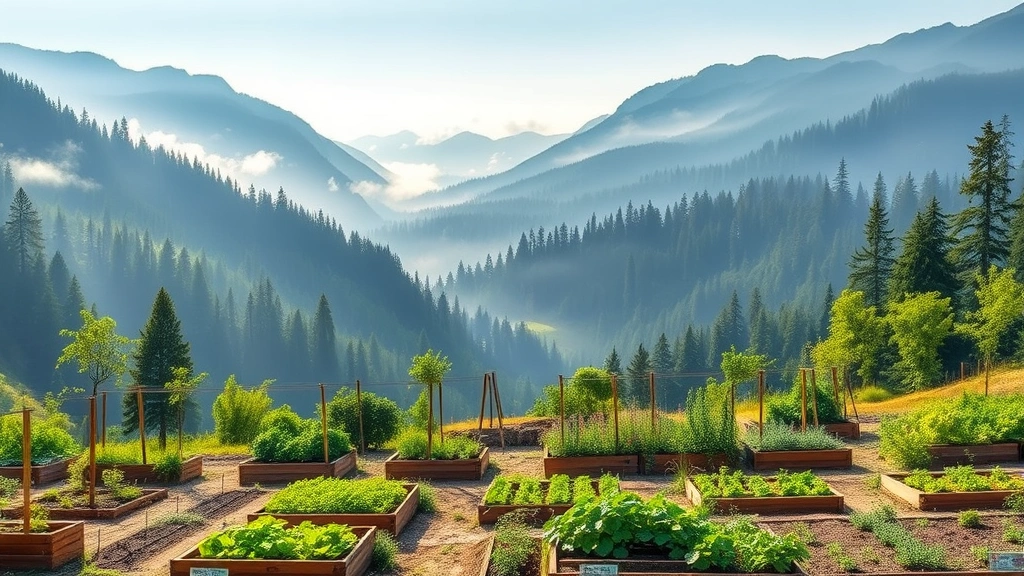
Exploring Garden Valley Idaho: A Local’s Guide to Growing Plants in This Unique Region
Garden Valley, Idaho, nestled in the scenic Boise National Forest foothills, offers gardeners a distinctive climate and growing environment that rewards both novice and experienced plant enthusiasts. This charming mountain community, located about 50 miles northeast of Boise, sits at an elevation of approximately 3,500 feet, creating a unique horticultural zone with distinct seasonal patterns and plant-growing opportunities. Understanding the local climate, soil conditions, and seasonal timing is essential for anyone looking to establish a thriving garden in this picturesque Idaho location.
The Garden Valley area experiences a true four-season climate that presents both challenges and advantages for gardeners. With cold winters, moderate summers, and unpredictable spring frosts, local gardeners must carefully select plants and time their planting schedules to maximize success. The region’s elevation and proximity to mountain weather patterns mean that gardening in Garden Valley requires knowledge of frost dates, hardy plant varieties, and strategic garden planning that differs from lower-elevation Idaho communities.
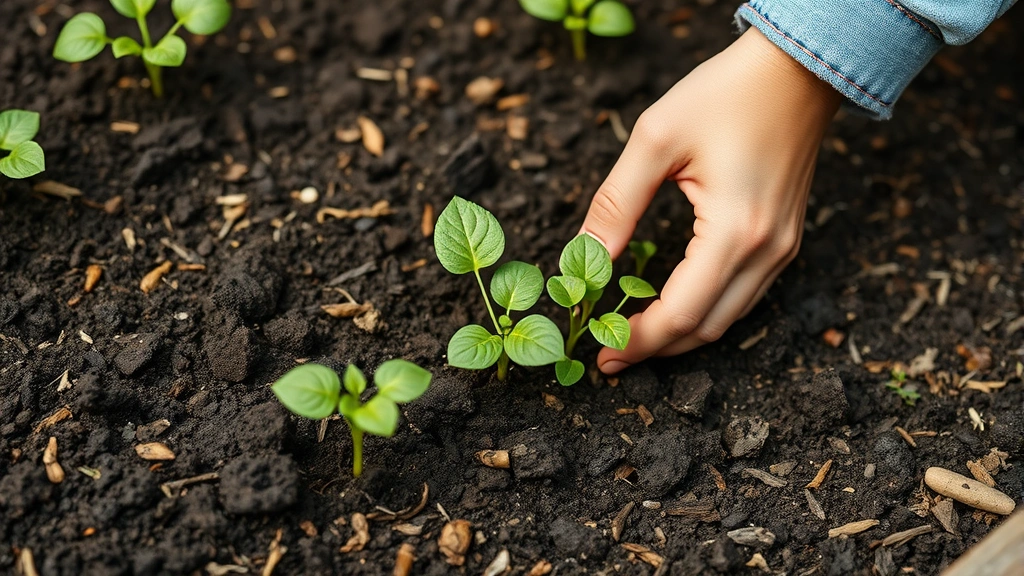
Garden Valley’s Climate and Growing Zones
Garden Valley falls within USDA hardiness zone 5b to 6a, which means winter temperatures can dip to -15°F to -20°F. This classification is crucial for selecting perennials, shrubs, and trees that will survive the harsh winters. The last spring frost typically occurs around May 25th to June 5th, while the first fall frost arrives around September 15th to 25th, giving gardeners a growing season of approximately 105-120 days. This relatively short growing season influences crop selection and planting schedules significantly.
The elevation brings cooler nights even during summer months, which can be advantageous for certain crops like cool-season greens and root vegetables. However, this same elevation means that tender perennials and tropical plants require winter protection or must be grown as annuals. Understanding microclimates within your property is also important—south-facing slopes warm faster in spring and retain heat longer in fall, while north-facing areas remain cooler and may hold frost longer.
Local gardeners often consult the USDA Plant Hardiness Zone Map to verify their specific zone and select appropriate plants. The region’s precipitation averages 20-25 inches annually, with most falling as snow during winter months, requiring gardeners to plan irrigation strategies for the drier growing season.
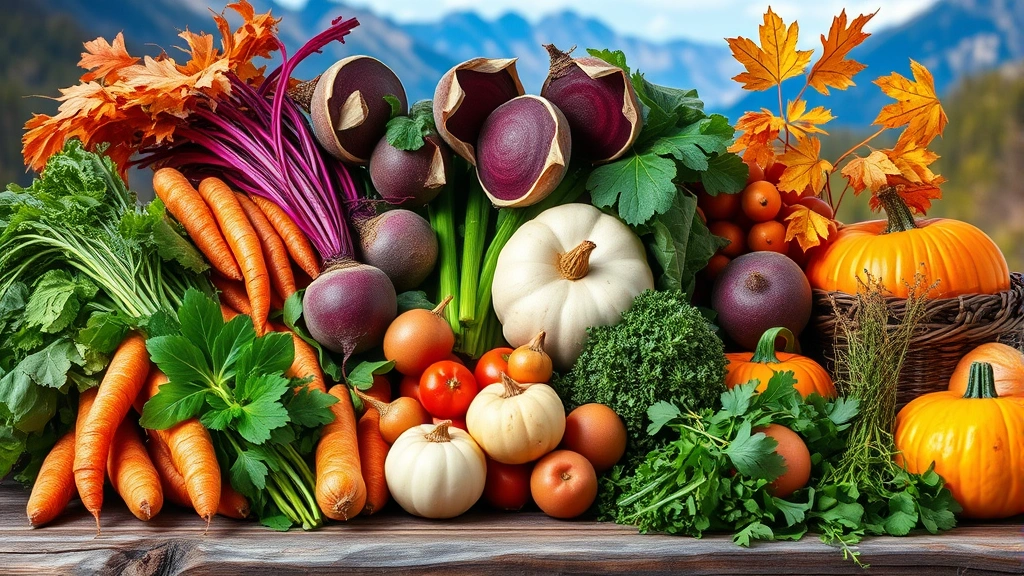
Best Vegetables and Herbs for Mountain Gardening
Growing easy to grow vegetables for beginners in Garden Valley means focusing on cold-hardy, short-season varieties. Root vegetables thrive in this climate, including carrots, beets, turnips, and potatoes. These crops appreciate the cool mountain temperatures and can be planted directly into garden beds once soil has warmed sufficiently. Potatoes are particularly popular among local gardeners, as they grow exceptionally well in the region’s loose, well-draining soils.
Leafy greens perform remarkably well in Garden Valley’s cooler climate. Lettuce, spinach, kale, arugula, and Swiss chard all tolerate frost and actually develop better flavor when exposed to cool temperatures. Many local gardeners plant cool-season greens in early spring and again in late summer for fall harvest, effectively extending the growing season beyond what lower-elevation areas can achieve.
Brassicas—including broccoli, cauliflower, and cabbage—are excellent choices for this region. Starting these plants indoors or purchasing transplants allows gardeners to have established plants ready to transplant after the last frost. Peas, both snap and snow varieties, can be direct seeded in early spring and will produce prolifically before summer heat arrives.
Herbs represent another gardening opportunity in Garden Valley. Growing mint in pots is particularly effective in this region, as containerized herbs can be moved to protected locations during unexpected frosts. Perennial herbs like thyme, oregano, and sage are hardy to zone 5b and establish well in Garden Valley gardens. Annual herbs such as basil require waiting until after the last frost date but grow vigorously during the summer months.
Summer vegetables like tomatoes, peppers, and squash can be grown successfully but require careful variety selection and may benefit from season extension techniques. Choose short-season tomato varieties bred for cooler climates, and consider using black landscape fabric or mulch to warm the soil. Cherry tomatoes typically mature faster than large slicing varieties and perform more reliably in Garden Valley’s climate.
Soil Preparation and Amendment
Garden Valley’s native soils vary considerably depending on location, but many areas feature volcanic-derived soils that can be rocky and require amendment. Before establishing garden beds, testing your soil is essential. Local university extension services provide soil testing kits that analyze pH, nutrient content, and organic matter percentage. Most Garden Valley soils tend toward slightly acidic, which is generally favorable for vegetable production.
Adding organic matter is critical for improving soil structure, water retention, and nutrient availability. Compost, aged manure, and peat moss all work well in this region. Many local gardeners implement raised concrete block garden beds to overcome poor native soil conditions and create optimal growing environments. Raised beds warm faster in spring, offer better drainage, and allow for precise soil composition control.
If building raised beds, aim for at least 12 inches of depth for vegetables, with 18-24 inches being ideal for deep-rooted crops like carrots and parsnips. Fill raised beds with a mixture of topsoil, compost, and peat moss in roughly equal proportions, adjusting based on your soil test results. This approach allows new gardeners to establish productive gardens quickly without waiting for native soil improvement.
Mulching is particularly important in Garden Valley’s climate. A 2-3 inch layer of organic mulch (wood chips, straw, or shredded leaves) helps moderate soil temperature fluctuations, suppress weeds, and improve moisture retention during the drier growing season. As mulch decomposes, it continuously improves soil structure and organic matter content.
Seasonal Gardening Calendar
Spring (April-May): As snow melts and soil temperatures rise, early spring is the time to prepare beds and plant cool-season crops. Direct seed peas, lettuce, spinach, and other greens in early to mid-April. Wait until mid-to-late May to transplant warm-season crops like tomatoes, peppers, and basil. Start seeds indoors in March for transplants that will be ready for planting after the last frost date.
Summer (June-August): Once the danger of frost passes, the garden enters its most productive phase. Plant succession crops of beans, squash, and cucumber every two weeks for continuous harvests. Monitor for pests and diseases, which are often less problematic in cooler mountain climates. Water regularly, as summer precipitation is limited. Deadhead flowers to encourage continued blooming and harvest vegetables at peak ripeness.
Fall (September-October): Late summer is the time to plant another round of cool-season crops for fall harvest. Plant lettuce, spinach, and other greens in late August for September and October harvests. As temperatures cool, reduce watering frequency and prepare perennials for dormancy. Cut back herbaceous plants and apply mulch around perennials for winter protection.
Winter (November-March): While the garden rests under snow, this is an ideal time for planning next year’s garden, ordering seeds, and maintaining tools. Prune dormant trees and shrubs on mild days, and ensure perennials have adequate mulch protection. Check on stored vegetables and maintain any cold frames or season extension structures.
Landscaping with Native Plants
Beyond vegetable gardening, incorporating native plants into your Garden Valley landscape provides multiple benefits. Native plants are adapted to local climate conditions, require minimal supplemental water once established, and support local wildlife including pollinators essential for vegetable and fruit production. The Boise National Forest surrounding Garden Valley hosts numerous native species suitable for residential landscapes.
Native shrubs like serviceberry, chokecherry, and currants provide food for wildlife while offering ornamental value. Native perennials such as balsamroot, lupine, and blanket flower add color to landscapes while thriving in local conditions. Incorporating rain garden plants can help manage water runoff during spring snowmelt, creating functional and beautiful landscape features.
Douglas fir, ponderosa pine, and aspen trees are native to the area and provide structure and shade for landscape designs. Understanding mature sizes and growth habits ensures these plants won’t eventually shade out vegetable gardens or crowd foundation plantings. Local native plant nurseries can provide guidance on species selection and placement.
Water Management in Dry Mountain Climate
Despite adequate winter snowfall, Garden Valley’s growing season is relatively dry, with most precipitation falling outside the summer months. Establishing an efficient irrigation system is crucial for consistent plant production. Drip irrigation delivers water directly to plant roots, reducing waste and minimizing disease pressure compared to overhead watering. Soaker hoses and drip lines are particularly effective in vegetable gardens and around foundation plantings.
Mulching works synergistically with irrigation to reduce water requirements. A thick organic mulch layer can reduce watering needs by 25-50% by moderating soil temperature and reducing evaporation. In Garden Valley’s climate, applying mulch in late spring, after soil has warmed, balances the benefits of moisture retention with allowing soil to warm adequately for heat-loving crops.
Many local gardeners install rain barrels to capture spring snowmelt runoff and occasional summer thunderstorms. This captured water provides a free irrigation source and reduces reliance on well or municipal water systems. A 50-100 gallon rain barrel can supply significant irrigation capacity during dry periods.
Local Resources and Community
Garden Valley gardeners benefit from numerous local and regional resources. The University of Idaho Extension provides research-based gardening information, soil testing services, and educational programs specifically tailored to Idaho conditions. Master Gardener programs throughout Idaho offer volunteer-led classes and plant clinics where local gardeners can seek advice from trained experts.
The Idaho State Horticultural Society connects gardeners throughout the state and provides publications on growing plants in Idaho’s unique climate zones. Local nurseries in Valley County understand regional growing conditions and stock plants well-suited to Garden Valley’s climate and elevation.
Connecting with other Garden Valley gardeners through community gardens, farmers markets, or local gardening clubs provides practical knowledge about what grows well locally and when to plant various crops. Many long-time residents have accumulated decades of experience with the region’s gardening quirks and are often willing to share knowledge with newcomers.
The USDA Natural Resources Conservation Service offers resources for sustainable gardening practices, water conservation, and native plant information that apply directly to Garden Valley’s landscape and climate conditions.
FAQ
What is the best time to plant vegetables in Garden Valley, Idaho?
Cool-season crops like lettuce, peas, and spinach can be planted in mid-April. Warm-season crops should wait until after May 25th when frost danger has largely passed. Late summer plantings of cool-season crops in mid-to-late August provide fall harvests before the first frost around September 20th.
Can I grow tomatoes successfully in Garden Valley?
Yes, but choose short-season varieties bred for cooler climates like ‘Early Girl,’ ‘Siberia,’ or cherry tomato varieties. Use black mulch or landscape fabric to warm soil, and consider season extension techniques like row covers or cold frames for earlier and later harvests.
What perennials are winter-hardy in Garden Valley?
Select plants rated hardy to USDA zone 5b or colder. Excellent choices include coneflowers, black-eyed Susans, yarrow, salvia, sedums, ornamental grasses, and shrubs like lilac, serviceberry, and potentilla. Provide winter mulch protection for borderline hardy plants.
How can I improve my garden soil in Garden Valley?
Add 2-4 inches of compost or aged manure annually, mulch heavily to build organic matter as it decomposes, and conduct soil tests to identify nutrient deficiencies. Raised beds filled with quality soil amendments provide an alternative to amending native soil.
Is a greenhouse necessary for gardening in Garden Valley?
While not necessary, a cold frame or small greenhouse significantly extends the growing season. These structures allow starting seeds earlier in spring and protecting tender plants into fall, making them valuable investments for serious gardeners in this region.
What’s the best way to protect plants from unexpected spring frosts?
Keep frost cloth or blankets handy through May. Row covers, cloches, or old sheets draped over plants provide emergency frost protection. Water plants the evening before an expected frost, as moist soil retains more heat than dry soil.


