Garden State Lumber: Top Supplier Review for Gardeners and Landscapers
When you’re planning a garden project—whether it’s building raised beds, constructing a cottage garden framework, or creating landscape edging—sourcing quality lumber becomes essential to your success. Garden State Lumber has established itself as a prominent supplier in the northeastern United States, offering a wide range of wood products specifically suited for outdoor gardening applications. This comprehensive review examines what makes Garden State Lumber a go-to choice for serious gardeners, landscapers, and DIY enthusiasts.
The reliability of your lumber supplier directly impacts the longevity and aesthetic appeal of your garden structures. Whether you need pressure-treated pine for vegetable bed construction or premium cedar for decorative features, understanding a supplier’s offerings, quality standards, and customer service becomes crucial before making your investment.
About Garden State Lumber
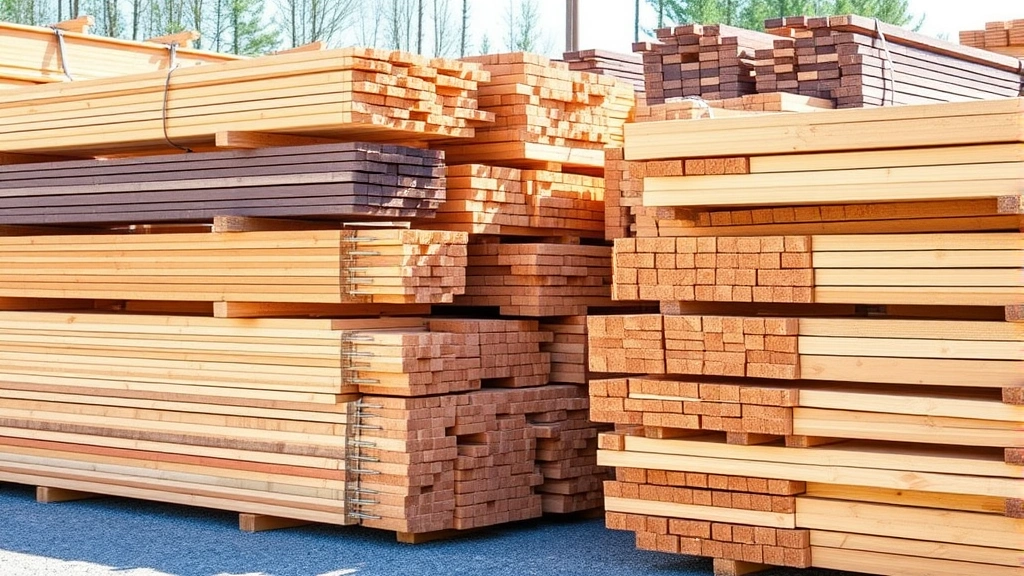
Garden State Lumber operates as a regional lumber distributor with deep roots in the garden and landscaping supply industry. Based in New Jersey, the company has built a reputation for providing both bulk and retail quantities of wood products to homeowners, contractors, and landscape professionals. Their inventory spans from standard construction lumber to specialty items designed specifically for gardening applications.
The company’s commitment to serving the gardening community means they understand the unique demands of outdoor projects. Unlike generic lumber yards that treat garden supplies as secondary offerings, Garden State Lumber maintains dedicated sections for products that gardeners actually need, from cedar planters to composite decking materials suitable for garden pathways.
With multiple locations across the region and both in-person and online ordering options, Garden State Lumber has adapted to modern shopping preferences while maintaining the personalized service that distinguishes regional suppliers from big-box competitors.
Product Selection and Quality
Garden State Lumber’s strength lies in its comprehensive product selection tailored to gardening and landscaping needs. Their inventory includes pressure-treated lumber in various dimensions, cedar and redwood options for naturally rot-resistant applications, and specialty materials like landscape timbers and composite boards. The quality standards they maintain reflect an understanding that garden structures endure harsh weather conditions and require durability.
When you’re building structures for your garden, the quality of raw materials determines whether your project lasts three seasons or thirty years. Garden State Lumber sources from reputable mills and maintains consistent grading standards. Their pressure-treated lumber meets or exceeds industry standards, with proper treatment depths that ensure the wood resists rot and insect damage—critical factors for projects like vegetable beds that will hold moist soil.
Cedar and redwood selections are particularly valuable for gardeners concerned with aesthetics. These naturally resistant woods don’t require chemical treatment, making them ideal for gardens where you’re growing edibles. The company typically stocks both rough-sawn and finished options, allowing you to choose based on your project’s appearance requirements.
Lumber Types for Garden Projects
Understanding the different lumber options available at Garden State Lumber helps you make informed decisions for specific gardening applications. Pressure-treated pine remains the most economical choice for utilitarian garden structures. It’s treated with preservatives that protect against decay and termites, making it suitable for raised beds and ground-contact applications. However, avoid using pressure-treated lumber in vegetable gardens where the wood touches soil that will grow food crops, as the chemicals—while approved—may leach into growing medium.
For vegetable and herb gardens, cedar lumber offers the best combination of durability, safety, and aesthetic appeal. Cedar’s natural oils provide rot resistance without chemical treatment, making it the preferred choice for vegetable beds where you’ll apply fertilizer and manage soil directly. While more expensive than pressure-treated options, cedar’s longevity justifies the investment for permanent garden installations.
Composite materials represent a modern alternative that Garden State Lumber increasingly stocks. These wood-plastic blends resist decay and require minimal maintenance—important considerations if you’re building garden pathways or decorative features that demand long-term durability without regular treatment.
Landscape timbers serve multiple purposes in garden design. They create raised bed borders, define planting areas, and build terraced gardens on slopes. Garden State Lumber’s selection includes both traditional wood timbers and newer recycled plastic alternatives that mimic wood appearance while offering superior longevity.
For decorative elements and premium projects, hardwoods like oak and walnut are sometimes available through special order. These materials suit garden furniture and decorative rocking chairs or architectural features where appearance justifies higher costs.
Pricing and Value Proposition
Garden State Lumber’s pricing strategy positions them as a mid-range supplier—higher than big-box retailers for some items, but typically lower than specialty boutique suppliers. For gardeners planning significant projects, their bulk pricing becomes attractive. Purchasing a full pallet of landscape timbers or bulk lumber for multiple raised beds yields better per-unit costs than buying individual pieces.
The real value proposition emerges when you factor in quality and selection. While you might save five percent buying pressure-treated lumber from a mega-retailer, Garden State Lumber’s superior grading, consistent dimensions, and specialized garden products justify their pricing. You’re paying for reliability—knowing that the cedar boards you purchase will be properly kiln-dried and won’t warp after installation.
Seasonal pricing fluctuations affect lumber costs throughout the year. Spring and early summer—peak gardening season—typically see higher prices. Smart gardeners plan projects in fall or winter when lumber prices drop and inventory is ample. Garden State Lumber’s seasonal promotions often align with these patterns, offering discounts on off-season purchases.
Customer Service Experience
Regional suppliers like Garden State Lumber distinguish themselves through personalized service that national chains cannot match. When you visit a location or call with questions about lumber selection, you’re likely speaking with knowledgeable staff who understand gardening applications, not just lumber specifications.
Customer reviews consistently praise Garden State Lumber’s willingness to help customers select appropriate materials for specific projects. Staff can advise whether pressure-treated lumber suits your needs or recommend cedar alternatives. They understand the difference between using lumber for a decorative planter versus a utilitarian vegetable bed where soil contact is constant.
For special orders and custom requirements, the company demonstrates flexibility. If you need specific dimensions or specialty materials, their relationships with mills often allow them to source items that wouldn’t be stocked in regular inventory. This service proves invaluable for gardeners with unique project requirements.
The company’s online presence, while perhaps not as polished as mega-retailers, provides convenient ordering options for established customers. Many locations offer curbside pickup, allowing you to order materials online and collect them without navigating the physical yard—a significant convenience when purchasing heavy items.
Sustainability and Environmental Practices
Environmentally conscious gardeners increasingly consider their suppliers’ sustainability practices. Garden State Lumber has made efforts toward responsible sourcing, though their commitment varies across product lines. For pressure-treated lumber, they stock products treated with copper-based preservatives rather than older arsenical formulations—a meaningful environmental improvement.
The company’s expanding composite and recycled-content product lines reflect growing environmental awareness. These materials reduce demand for virgin timber while providing durable alternatives suitable for garden applications. If environmental impact influences your purchasing decisions, asking about the sourcing and composition of specific products helps align your purchases with your values.
For gardeners prioritizing sustainability, supporting regional suppliers like Garden State Lumber reduces transportation impacts compared to shipping materials from distant mills. Local sourcing means lower carbon footprints and supports regional economies—benefits that extend beyond the garden itself.
Delivery and Logistics
Garden State Lumber offers delivery services for large orders, essential when you’re purchasing materials for substantial projects. Their delivery fleet handles bulk lumber shipments efficiently, and their scheduling accommodates customer preferences. For significant garden projects requiring multiple pallets of materials, delivery service eliminates the challenge of transporting heavy loads yourself.
For smaller orders, pickup remains the most economical option. Most Garden State Lumber locations maintain spacious yards with convenient loading areas. If you have a truck or trailer, collecting materials yourself often provides the best value and immediate availability.
The company maintains reasonable delivery fees structured by distance and order size. For projects within their primary service area, delivery costs remain competitive. Understanding their delivery minimums and fees helps you plan purchases efficiently—sometimes consolidating orders to reach minimum thresholds saves money despite waiting for materials.
Comparing with Competitors
When evaluating Garden State Lumber against competitors, several factors emerge as important. Compared to national chains like Home Depot or Lowe’s, Garden State Lumber offers superior selection in specialty garden materials and more knowledgeable staff. You’ll find a wider array of cedar grades, landscape timber options, and specialty products designed specifically for gardening applications.
However, national retailers offer lower prices on basic pressure-treated lumber and greater convenience through numerous locations. If your project requires only standard 2×6 construction lumber, the price difference might make big-box retailers more economical despite inferior service.
Independent specialty lumber yards often compete with Garden State Lumber in customer service quality but typically charge premium prices. Garden State Lumber’s regional scale allows them to offer better pricing than boutique suppliers while maintaining the service quality that distinguishes them from mega-retailers.
For gardeners specifically, Garden State Lumber’s focus on landscaping and garden applications provides advantages over generic construction suppliers who treat garden materials as incidental offerings. Their staff understands that garden hoses and irrigation systems complement lumber projects, and some locations cross-merchandise complementary products.
Online retailers present another competitive option, offering convenient shopping from home. However, the inability to inspect materials before purchase and shipping costs for heavy lumber often outweigh convenience benefits. For most gardeners, visiting a physical location to select materials remains superior to online-only purchasing.
When comparing total value—considering quality, selection, service, and pricing—Garden State Lumber occupies a strong position in the regional market. They’re not the absolute cheapest option, but they deliver superior value for gardeners willing to invest in quality materials and expert guidance.
Practical Tips for Purchasing at Garden State Lumber
Maximize your experience with Garden State Lumber by following these practical strategies. Plan ahead: Measure your projects carefully and create detailed material lists before visiting. This preparation allows staff to provide better recommendations and ensures you purchase exactly what you need without excess waste.
Visit off-season: Fall and winter shopping provides better prices and less crowded conditions. Staff have more time to discuss your projects, and you’ll find fresher inventory. If you’re planning spring garden construction, purchasing materials in February saves money and ensures delivery before peak season.
Ask about grades and specifications: Don’t hesitate to ask about lumber grading, moisture content, and treatment standards. Understanding these factors helps you select materials appropriate for your specific application. Cedar for vegetable beds differs from cedar for decorative features, and knowledgeable staff can guide these distinctions.
Bundle orders for better pricing: If you’re planning multiple garden projects, consolidate purchases to reach bulk pricing thresholds. A single order for all your spring garden construction materials often costs less per unit than multiple separate purchases.
Consider long-term durability: While pressure-treated lumber costs less initially, cedar’s longevity often provides better long-term value for permanent garden structures. Calculate the true cost of ownership over ten years rather than focusing solely on initial purchase price.
Inspect materials carefully: Before leaving the property, examine lumber for defects, warping, or damage. Catching problems immediately allows for exchanges before you transport materials home. This simple step prevents frustration during installation.
For detailed gardening guidance, consult resources like the American Horticultural Society, which provides comprehensive information about garden design and construction. The USDA National Agricultural Statistics Service offers regional growing information that informs garden structure design. State cooperative extension services, including the New Jersey Department of Agriculture, provide free gardening advice tailored to local conditions.
Garden Projects Enhanced by Quality Lumber
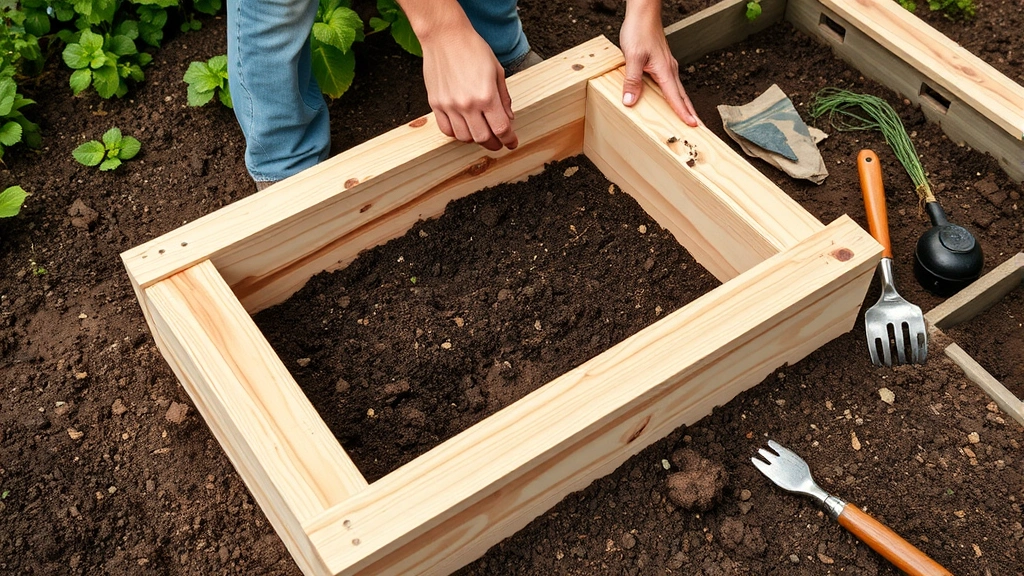
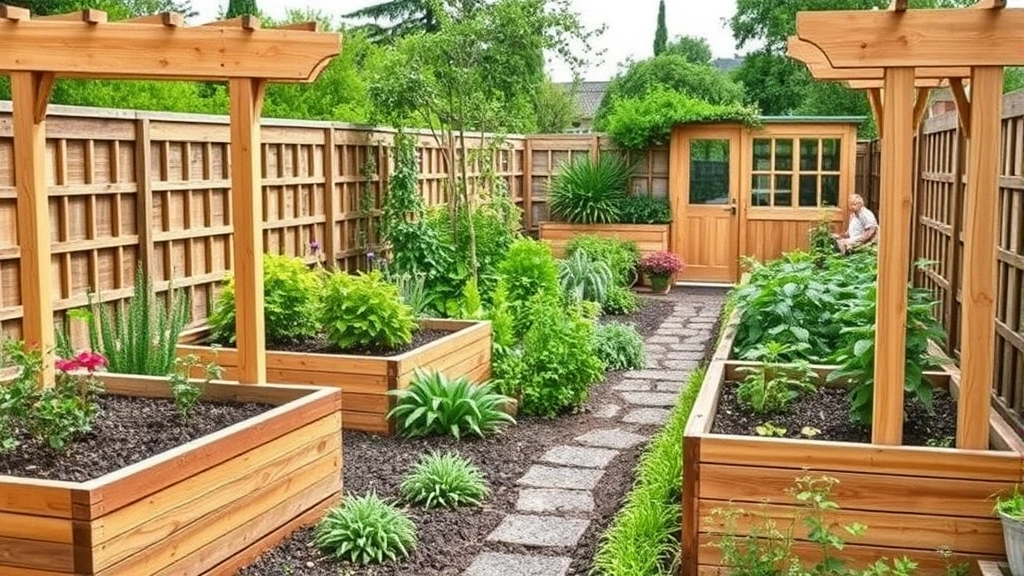
Quality lumber from Garden State Lumber enables several popular garden projects. Raised vegetable beds remain the most common application, allowing you to create ideal growing conditions while improving accessibility. Using cedar lumber ensures your vegetables grow in a chemical-free environment while the structure lasts for years.
Garden pathways constructed from composite materials or pressure-treated lumber create functional beauty. Defining walkways through your garden improves access while protecting plants from foot traffic. Garden State Lumber’s selection of materials suitable for ground-level pathway construction supports this essential garden feature.
Trellises and plant supports built from quality cedar add vertical dimension to gardens. These structures support climbing vegetables and flowers while creating visual interest. The durability of properly selected lumber means your trellises support plants for multiple seasons without deteriorating.
Garden boxes and planters constructed from cedar or composite materials allow container gardening even in limited spaces. Whether you’re growing herbs on a patio or vegetables in a small yard, quality lumber construction ensures long-term functionality.
Pergolas and shade structures transform garden spaces into relaxing retreats. These projects demand structural integrity and visual appeal—requirements that quality lumber fulfills. A well-constructed pergola provides support for climbing plants like clematis or morning glories while creating shaded areas for summer gardening work.
Many gardeners incorporate coffee grounds in their garden soil, and proper bed construction from quality lumber contains these amendments effectively. Similarly, garden spiders benefit from well-constructed garden structures that provide habitat and support for their beneficial work controlling garden pests.
FAQ
What lumber should I use for vegetable garden beds?
Cedar lumber is the best choice for vegetable beds because it’s naturally rot-resistant without chemical treatment. Avoid pressure-treated lumber for beds where soil will directly contact the wood, as chemical preservatives may leach into growing medium. Cedar costs more initially but lasts 10-15 years or longer, providing excellent long-term value.
How much does lumber cost at Garden State Lumber?
Pricing varies based on lumber type, grade, and current market conditions. Pressure-treated pine typically costs $8-15 per linear foot, while cedar ranges from $15-30 per linear foot. Composite materials cost $20-40 per linear foot. Request current pricing from your local Garden State Lumber location for accurate quotes.
Can I order materials online from Garden State Lumber?
Yes, many Garden State Lumber locations offer online ordering with curbside pickup options. Contact your local store to confirm online ordering availability and current shipping policies. Some locations may require phone orders rather than full e-commerce platforms.
Does Garden State Lumber offer delivery?
Yes, Garden State Lumber provides delivery services for orders within their service area. Delivery fees vary based on distance and order size. Typically, delivery minimums apply, making delivery most economical for large orders. Contact your local location for specific delivery information and scheduling.
What’s the difference between pressure-treated and cedar lumber?
Pressure-treated lumber contains chemical preservatives that protect against rot and insects, making it more economical and suitable for ground-contact applications. Cedar contains natural oils providing rot resistance without chemicals, making it safer for vegetable gardens and more aesthetically appealing. Cedar costs more but lasts longer in visible applications.
How do I know what grade of lumber I need?
Garden and landscape applications typically require #2 grade or better. Higher grades (Select, Premium) cost more but feature fewer knots and defects. Staff at Garden State Lumber can recommend appropriate grades based on your specific project and visibility requirements.
Is Garden State Lumber environmentally responsible?
Garden State Lumber has made sustainability improvements including copper-based preservatives instead of arsenic formulations and expanding recycled-content product lines. As a regional supplier, they offer lower transportation impacts than distant mills. For specific sustainability information about products, ask staff about sourcing and composition.


