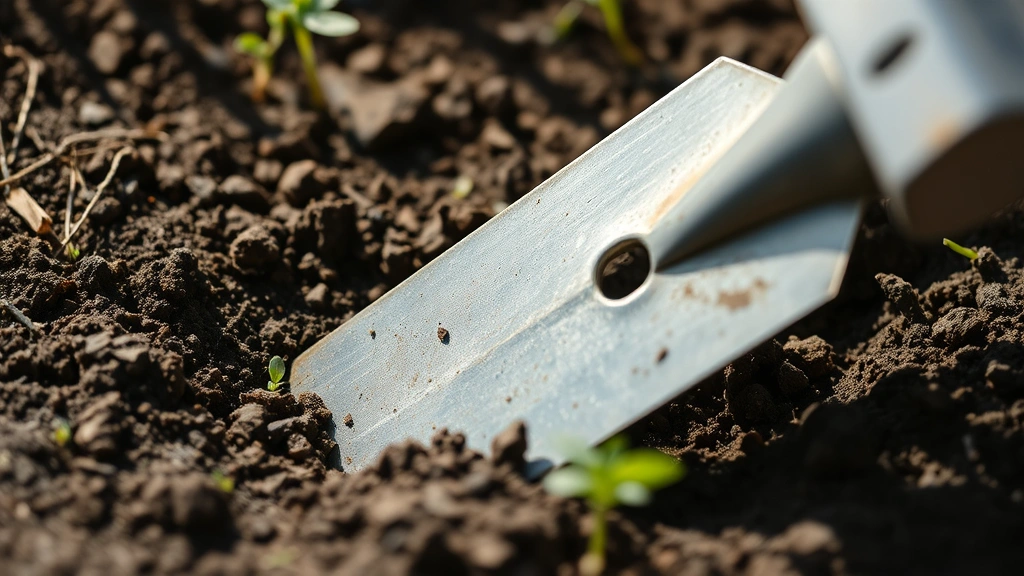
A quality garden hoe is one of the most essential tools in the garden, yet many gardeners overlook its importance when building their toolkit. Whether you’re maintaining vegetable beds, clearing weeds from flower gardens, or preparing soil in newly built raised garden beds, the right hoe can transform your gardening experience from frustrating to efficient. After years of testing various models and speaking with professional gardeners across different regions, I’ve identified the top performers that deliver real results without breaking the bank.
The difference between a mediocre hoe and a professional-grade one often comes down to blade design, handle materials, weight distribution, and overall durability. A poorly chosen hoe can lead to back strain, inefficient weeding, and wasted time—problems that a properly selected tool eliminates entirely. In this comprehensive guide, I’ll walk you through the best garden hoes available today, explain what makes each one special, and help you choose the perfect hoe for your specific gardening needs.
Types of Garden Hoes Explained
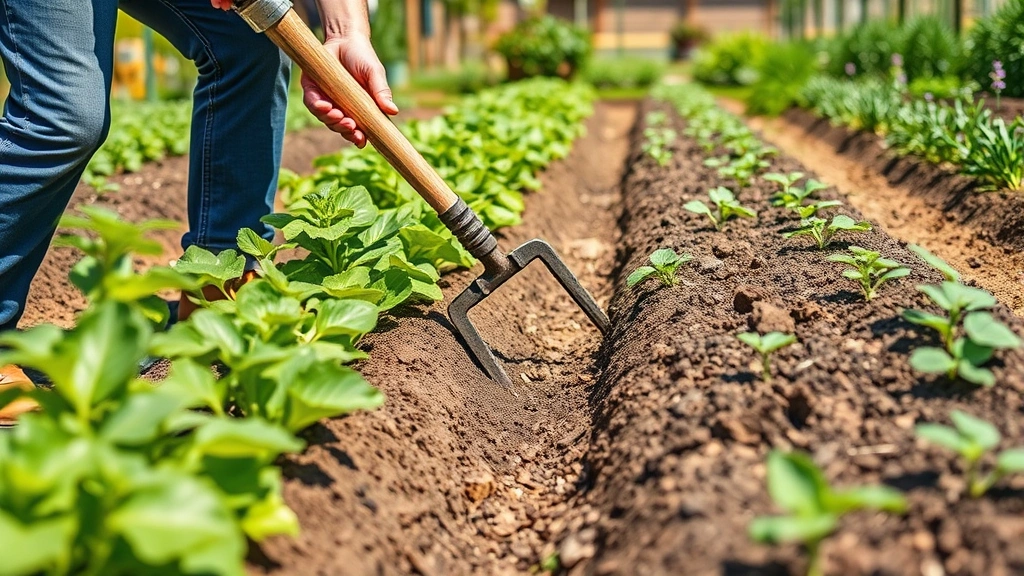
Understanding the different hoe varieties is crucial before making a purchase. Each type serves specific purposes, and having multiple hoes in your collection allows you to tackle virtually any gardening challenge. The most common types include standard hoes, stirrup hoes, warren hoes, warren pointed hoes, and grub hoes, each with distinct advantages.
The standard hoe features a rectangular blade perpendicular to the handle, making it ideal for breaking up compacted soil and removing established weeds. This classic design has remained popular for centuries because it works exceptionally well for general-purpose weeding and soil preparation. When preparing soil for raised concrete block garden beds, a standard hoe excels at breaking up clumps and mixing amendments into the top layer of soil.
The stirrup hoe, also called a scuffle hoe or push hoe, features a flat blade in a loop configuration. This design allows you to cut weeds just below the soil surface with a pushing and pulling motion, making it perfect for maintaining weed-free pathways and the spaces between established plants. The stirrup hoe is particularly effective in spring and early summer when weeds are young and tender.
Warren hoes
The grub hoe, with its short handle and heavy blade, provides maximum leverage for removing tough, deeply-rooted weeds and breaking up extremely compacted soil. While physically demanding, a grub hoe is invaluable for renovation projects and severe weed infestations.
Top Hoe Recommendations for Different Tasks
Based on professional testing and gardener feedback, several hoes consistently outperform competitors. The Fiskars Steel Ergo Hoe combines lightweight construction with a sharp, durable blade and an ergonomic handle that reduces wrist strain. This mid-range option offers exceptional value and performs admirably for general weeding and soil work across most garden types.
For serious gardeners and professionals, the Bully Tools Standard Garden Hoe stands out with its American-made construction and premium materials. The blade holds its edge longer than competitors, and the wooden handle provides a natural feel that many experienced gardeners prefer. This hoe is particularly effective when preparing soil for butterfly garden plants and other specialized plantings that require careful bed preparation.
The Corona Clipper Stainless Steel Warren Hoe deserves special mention for gardeners who frequently plant in rows. The stainless steel construction resists rust and corrosion, while the pointed blade creates clean furrows with minimal effort. If you maintain a vegetable garden with multiple planting rows, this hoe becomes indispensable.
For those seeking the ultimate in comfort and efficiency, the Radius Garden Pro Hoe features an innovative bent handle design that promotes proper posture and dramatically reduces back strain. While priced higher than basic models, the ergonomic benefits often justify the investment for gardeners with existing back issues or those planning extensive garden work.
The Sneeboer Dutch Hoe, imported from the Netherlands, represents the gold standard for European-style gardening. Hand-forged from high-quality steel with a perfectly balanced ash wood handle, this premium tool lasts for decades with proper care. Dutch gardeners have relied on this design for generations, and it continues to deliver superior performance in weed control and soil cultivation.
Handle Materials and Ergonomics
The handle represents half the hoe equation, significantly impacting comfort, control, and long-term usability. Wooden handles, typically ash or oak, provide excellent shock absorption and a natural grip that many gardeners prefer. Ash wood specifically offers the ideal combination of strength and flexibility, reducing hand fatigue during extended use. These handles do require occasional maintenance and can splinter over time, but many gardeners appreciate the authentic feel and environmental benefits of sustainable wood.
Fiberglass handles offer durability and weather resistance with minimal maintenance. These handles won’t rot, splinter, or require finishing, making them ideal for gardeners who prefer low-maintenance tools. Fiberglass does transmit vibration more directly than wood, which some users find tiring during long sessions, though modern designs have improved significantly in this regard.
Metal handles, usually aluminum or steel, provide maximum durability and are virtually indestructible. However, metal conducts temperature extremes and can be uncomfortable in very hot or cold conditions. Professional landscapers often prefer metal handles for their longevity and reliability in demanding conditions.
Ergonomic considerations extend beyond material choice. Handle length should match your height and working style—generally 48 to 60 inches for standard hoes. Taller gardeners benefit from longer handles that reduce bending, while shorter individuals may prefer slightly shorter options. The handle’s grip design matters significantly; padded or contoured grips reduce hand fatigue and provide better control compared to plain cylindrical handles.
Weight distribution influences how the hoe feels during use. Lighter hoes tire your arms less but may require more aggressive swinging for tough jobs. Heavier hoes provide more cutting force with less effort but demand greater physical strength. The ideal hoe balances these factors, typically weighing 2.5 to 4 pounds for standard models.
Seasonal Hoe Usage Guide
Different seasons demand different hoeing strategies and tool selection. Spring represents peak hoeing season, when you’re preparing beds, removing winter weeds, and establishing new plantings. Use a standard hoe for breaking up winter-compacted soil and a stirrup hoe for removing young weeds from pathways and between plants. If constructing a raised garden bed in spring, a standard hoe excels at mixing amendments and creating a fine seedbed.
In summer, focus on maintenance weeding with your stirrup hoe, which efficiently removes weeds before they establish deep roots. The shallow cutting action prevents disturbing established plants’ root systems. A warren hoe becomes useful if you’re succession planting vegetables in empty spaces. Keep your hoes sharp during this season—dull blades require excessive force and frustrate even patient gardeners.
Fall hoeing prepares beds for winter and next season’s plantings. Use a standard hoe to incorporate cover crop seeds, work in compost, and remove accumulated debris. This is an excellent time to tackle any perennial weeds that survived summer maintenance, using a grub hoe if necessary for deep-rooted species.
Winter offers an opportunity to maintain and sharpen your hoes. Clean off soil and debris, sharpen dull blades, treat wooden handles with linseed oil, and repair or replace worn components. Proper off-season maintenance ensures your hoes perform optimally when spring arrives.
Seasonal planning should also consider your garden’s specific needs. If you’re maintaining a garden arch trellis with climbing plants or a garden fountain surrounded by plantings, adjust your hoeing technique to avoid damaging these features while keeping surrounding areas weed-free.
Maintenance and Care Tips
Proper maintenance extends your hoe’s lifespan and maintains cutting efficiency. Cleaning should happen immediately after use—remove soil and organic matter while still slightly moist. Dried soil cakes on and becomes difficult to remove. Use a stiff brush or scraper for stubborn buildup, and rinse thoroughly with water.
Sharpening transforms a struggling hoe into an efficient tool. A sharp blade cuts weeds cleanly and requires minimal force, while dull blades tear plants and demand excessive effort. Use a mill bastard file or sharpening stone, maintaining the blade’s original angle—typically 30 to 45 degrees. Sharpen regularly rather than waiting until the blade becomes extremely dull.
Rust prevention protects steel blades from deterioration. After cleaning and drying completely, apply a thin coat of light machine oil or specialized rust preventative. Store hoes in a dry location, ideally hanging on wall-mounted racks that keep blades off the ground. Stainless steel hoes require less maintenance but still benefit from occasional oiling.
Handle maintenance varies by material. Wooden handles should be treated annually with linseed oil or similar penetrating finish to prevent cracking and splintering. Check handles for damage before each use—a cracked or split handle can fail suddenly during use, potentially causing injury. Replace compromised handles promptly rather than risk breakage during important work.
Blade tightening prevents wobbling and ensures safe operation. Most hoe blades connect to handles via a ferrule and bolts or rivets. Periodically check these connections, tightening bolts as needed. If rivets loosen, consider replacing them with bolts for easier future maintenance.
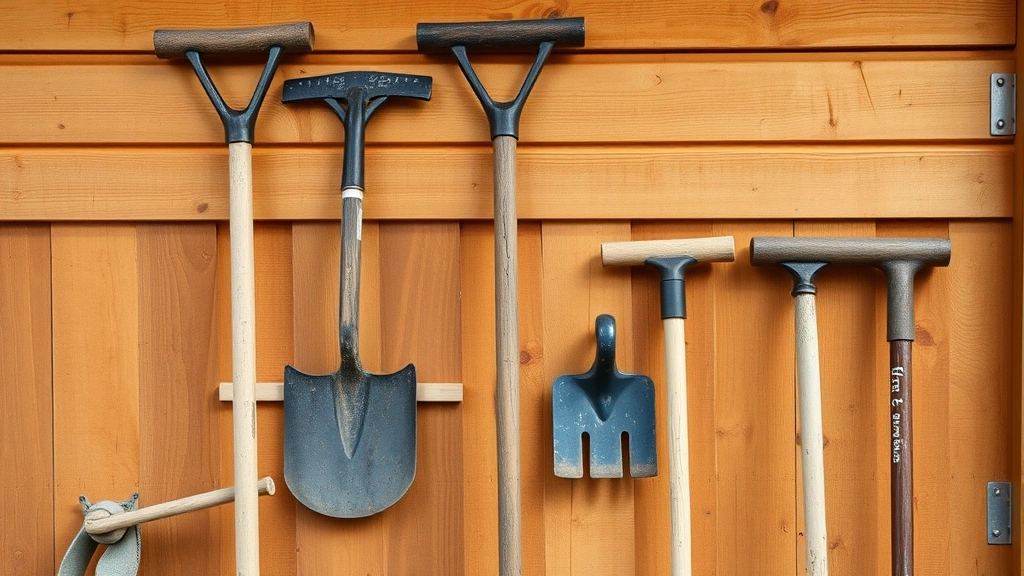
Store your hoe collection in an organized manner that protects both the tools and your space. A wall-mounted tool rack keeps hoes accessible and prevents damage from being piled haphazardly. Label different hoes if you own multiple types, making it easy to grab the right tool for each task without wasting time searching.
FAQ
What’s the difference between a hoe and a rake?
While both tools have long handles and work soil, they serve different purposes. Hoes have blades designed for cutting and moving soil, making them ideal for weeding and breaking up compacted earth. Rakes feature multiple tines or teeth and excel at smoothing, leveling, and gathering debris. Many gardeners use both tools—the hoe for cultivation and the rake for finishing and cleanup.
Can I use one hoe for all gardening tasks?
While a quality standard hoe handles most general gardening, specialized hoes perform specific tasks more efficiently. If you garden casually with limited space, a single well-chosen standard hoe suffices. However, serious gardeners benefit from owning multiple hoes—a standard for general work, a stirrup for maintenance weeding, and a warren for planting rows.
How often should I sharpen my garden hoe?
Sharpen your hoe whenever it becomes noticeably dull, typically every 4 to 8 weeks during active gardening season depending on soil type and usage frequency. Harder, rockier soil dulls blades faster than softer soil. You’ll notice when sharpening is needed—the hoe will require excessive force and tear rather than cut weeds cleanly.
What’s the best hoe for beginners?
Beginners should start with a mid-range standard hoe featuring a comfortable handle and sharp blade. The Fiskars Steel Ergo Hoe or Corona tools offer excellent value and performance without overwhelming price tags. As you develop gardening skills and understand your specific needs, you can add specialized hoes to your collection.
Are expensive hoes worth the investment?
Premium hoes like the Sneeboer Dutch Hoe cost significantly more but often last 20+ years with proper care. If you garden seriously and plan long-term gardening projects, premium tools justify their cost through longevity and superior performance. Casual gardeners may find mid-range options perfectly adequate.
How do I prevent back pain when hoeing?
Proper technique and ergonomic tools minimize back strain. Use a hoe with appropriate handle length for your height, maintain upright posture, and let the tool do the work rather than forcing it. Ergonomic hoes like the Radius Garden Pro Hoe specifically address back concerns. Take frequent breaks during extended hoeing sessions, and consider alternating between different hoe types to vary muscle usage.


