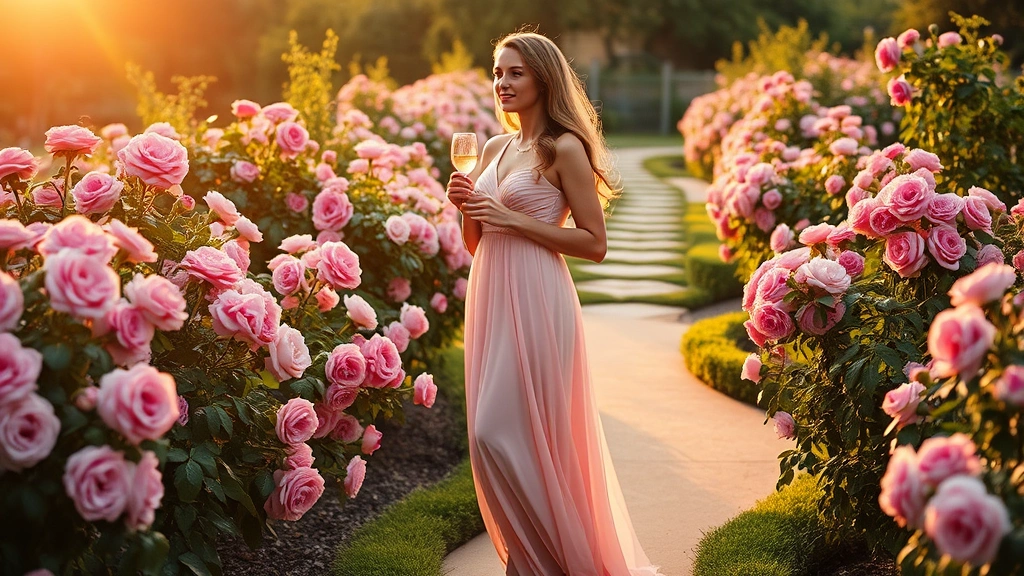
A garden party is the perfect occasion to blend style with the natural beauty of outdoor spaces. Whether you’re attending an elegant afternoon tea among blooming flowers or a casual gathering on the lawn, your attire should complement both the garden setting and the formality level of the event. Understanding how to dress appropriately for garden formal attire means considering weather, terrain, garden aesthetics, and practical comfort—all while looking polished and put-together.
The key to mastering garden party fashion lies in balancing sophistication with practicality. Unlike indoor formal events, garden parties demand clothing choices that work with natural elements like soil, grass, and unpredictable weather. This guide will walk you through everything you need to know about selecting the perfect outfit, from footwear considerations to accessorizing with the landscape in mind.
Understanding Garden Party Dress Codes
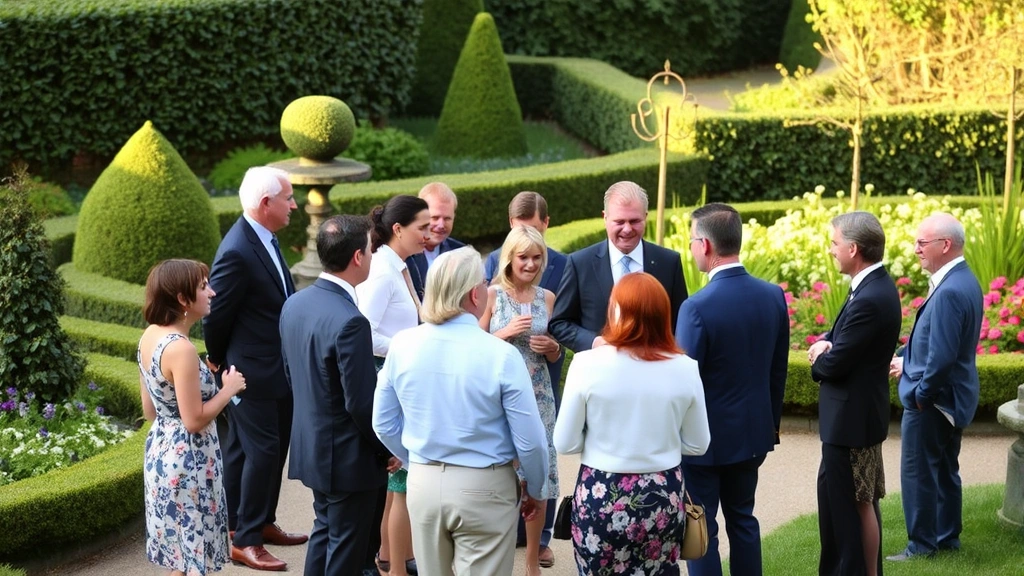
Garden parties come in various formality levels, and understanding the specific dress code is your first step toward appropriate styling. The invitation should indicate whether the event is black-tie optional, semi-formal, business casual, or casual. Each level carries different expectations, but all must be adapted for outdoor garden settings. A formal garden party might resemble an upscale wedding reception held outdoors, while a casual garden gathering could be as relaxed as a neighborhood picnic among flower beds.
The garden environment itself influences dress code interpretation. Attending a formal event at a botanical estate requires more refined attire than the same formality level at a community garden. Consider the venue’s sophistication, the host’s typical style, and any special themes mentioned in the invitation. When in doubt, it’s always better to dress slightly more formally than risk being underdressed at a garden formal attire event.
Time of day also matters significantly. Morning garden parties, such as bridal showers or garden brunches, typically call for lighter, fresher aesthetics. Afternoon garden parties allow for more elaborate styling, while evening garden galas demand sophisticated, elegant pieces. Understanding these nuances helps you calibrate your outfit appropriately while maintaining comfort in the outdoor environment.
Formal Garden Party Attire
For elegant garden formal attire events, women should consider floor-length or midi-length gowns in sophisticated colors that complement natural surroundings. Soft pastels, jewel tones, and classic neutrals work beautifully against garden backdrops. A flowing chiffon gown in blush, sage green, or champagne gold creates an ethereal garden-appropriate aesthetic. The fabric should move gracefully without catching on landscaping elements or trailing through grass.
Men attending formal garden parties should wear tailored suits in navy, charcoal, or black, paired with crisp dress shirts and silk ties or bow ties. Lightweight wool or cotton blends work better than heavy fabrics in outdoor settings. A linen suit in cream or light gray offers an elegant alternative for warm-weather garden events. The key is maintaining sharp tailoring despite outdoor conditions.
Layering becomes important for formal garden events, as temperatures can fluctuate throughout the day and evening. A structured blazer, elegant shawl, or sophisticated wrap complements formal attire while providing practical warmth. Consider how layering pieces interact with your garden surroundings—a cream-colored pashmina or structured jacket in complementary tones enhances rather than detracts from the natural setting.
When designing formal garden party looks, draw inspiration from the specific garden’s character. If the venue features extensive garden art or prominent garden statues, you might coordinate your color palette with these landscape features. This thoughtful approach demonstrates respect for the venue while creating cohesive, sophisticated photographs.
Semi-Formal Garden Gatherings
Semi-formal garden parties offer more flexibility than strictly formal events while maintaining polished elegance. Women can choose knee-length dresses, tailored jumpsuits, or sophisticated separates in quality fabrics. A lace dress paired with a structured jacket creates refined garden party style. Midi skirts with elegant blouses or fitted sweaters provide comfortable yet dressy options suitable for outdoor settings.
Men should wear dress pants or chinos with button-down shirts, blazers optional depending on the specific event formality. A patterned dress shirt or subtle texture adds visual interest while maintaining sophistication. Loafers or dress shoes keep the look refined without requiring the formality of black-tie footwear. The overall aesthetic should feel polished but approachable.
Semi-formal garden attire allows for more personality and individual style expression. You can incorporate subtle pattern mixing, interesting textures, or statement accessories without overwhelming the look. A floral print dress acknowledges the garden setting tastefully, while botanical-inspired jewelry adds thematic touches. This dress code level is perfect for garden tea parties, charity garden events, or upscale garden brunches.
Consider the garden’s color scheme when selecting semi-formal pieces. If you’re attending an event at a venue famous for its herb garden with abundant green foliage, cool-toned or jewel-toned outfits complement the natural palette beautifully. Conversely, warm gardens with golden-hour lighting benefit from peachy, warm-toned formal attire.
Casual Garden Party Outfits
Casual garden parties prioritize comfort while maintaining a put-together appearance. Women can wear sundresses, linen pants with blouses, or stylish casual separates. Floral prints, botanical patterns, and nature-inspired colors feel appropriate without being overdone. A simple cotton dress with a denim jacket creates effortless style suitable for garden gatherings. Comfortable but neat appearance is the goal—think refined casual rather than loungewear.
Men should wear chinos or casual dress pants with polo shirts, short-sleeved button-downs, or quality t-shirts. Lightweight materials work best for outdoor comfort. Sneakers or casual loafers maintain the relaxed vibe while keeping feet protected from garden terrain. The overall presentation should look intentional and neat rather than hastily assembled.
Casual garden events often attract diverse age groups and encourage mingling across garden spaces. Your outfit should allow for easy movement, bending, and walking on various terrain without concern. Avoid anything too delicate or requiring constant adjustment. Practical elegance—looking nice while feeling comfortable—defines successful casual garden party styling.
When attending casual events at garden venues, you might incorporate elements that acknowledge the setting’s purpose. Wearing colors that echo flowering plants or selecting fabrics with subtle botanical prints shows thoughtfulness about the environment. This approach works especially well for events at working gardens, community raised concrete block garden beds demonstrations, or neighborhood garden tours.
Footwear for Garden Settings
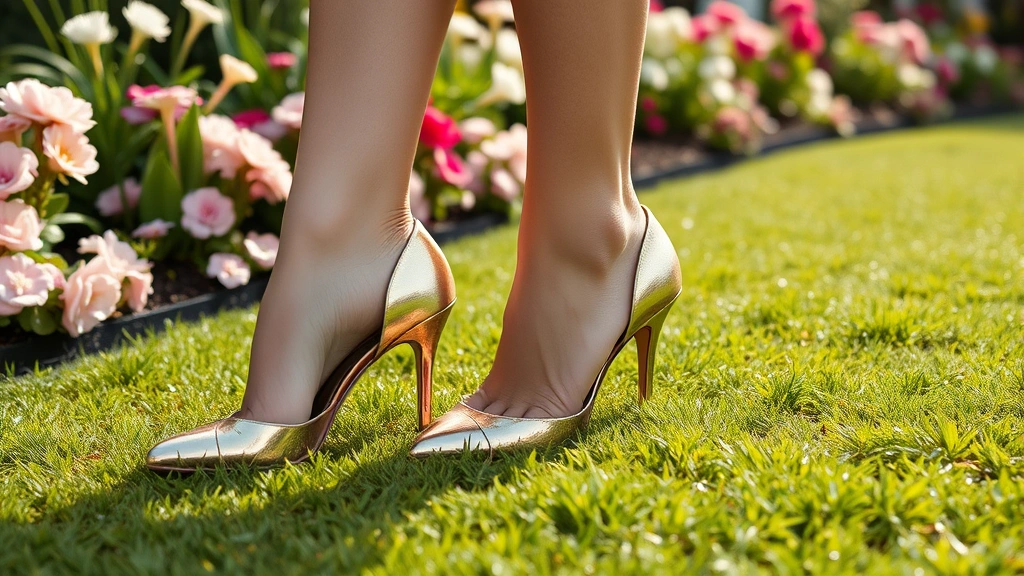
Choosing appropriate footwear for garden parties requires balancing style with practicality. The primary consideration is protecting your feet while maintaining your outfit’s aesthetic. Formal garden events call for elegant heels, but garden terrain presents challenges for stilettos. Wedge heels, block heels, or dressy flats offer stability on grass and uneven ground while maintaining formal appearance. Metallic or jeweled sandals work beautifully for warm-weather formal garden parties.
For semi-formal gatherings, loafers, dressy flats, or modest heels provide appropriate footwear. Embellished sandals, leather slip-ons, or stylish ankle boots work depending on the season and specific garden setting. The key is selecting shoes you can walk in comfortably across various terrain without worrying about sinking into soft ground or twisting your ankle on garden paths.
Casual garden events accommodate sneakers, casual sandals, and comfortable flats. Avoid flip-flops unless the event is explicitly beach-casual, as they lack the polish appropriate for most garden gatherings. Closed-toe shoes protect your feet from garden hazards while looking more intentional than casual sandals. Consider the garden’s specific conditions—muddy areas require sturdier footwear than manicured lawns.
Color coordination matters for footwear as much as outfit pieces. Metallic tones complement most formal garden attire, while neutral colors work universally. Avoid bright or contrasting colors that clash with your outfit or distract from the garden’s natural beauty. Your shoes should enhance your overall look while proving practical for outdoor navigation.
Fabric Choices and Weather Considerations
Selecting appropriate fabrics is crucial for garden party comfort and appearance. Natural fibers like cotton, linen, and silk breathe well in outdoor settings and complement garden aesthetics. Linen offers elegant casual appeal while managing heat effectively. Silk provides luxury and drape suitable for formal occasions. Cotton blends offer durability and comfort for all formality levels.
Weather significantly impacts fabric selection. For warm-weather garden parties, lightweight, breathable fabrics prevent overheating while maintaining style. Avoid heavy wools, thick synthetics, or overly structured materials that trap heat. Cool-weather garden events might incorporate silk blends, lightweight cashmere, or cotton with strategic layering.
Moisture-resistant fabrics prove valuable for garden settings where you might encounter morning dew, irrigation systems, or unexpected weather. Treated cotton blends or performance fabrics designed for outdoor activities maintain appearance despite garden moisture. However, avoid looking overly athletic or technical—the fabric should function practically while appearing elegant.
Pattern choices interact with garden environments in interesting ways. Floral prints feel natural in garden settings but shouldn’t overwhelm your look. Solid colors with interesting textures often work better than busy patterns. Botanical-inspired prints in muted tones create sophisticated garden-appropriate styling. Consider how your fabric choices interact with the specific garden’s dominant colors and planting schemes.
Accessories That Enhance Garden Aesthetics
Accessories complete garden party outfits while acknowledging the natural setting. For formal events, delicate jewelry, elegant clutches, and sophisticated hats or fascinators enhance formal garden attire. Botanical-inspired brooches, pearl jewelry, or statement earrings add refinement. A structured handbag in neutral tones keeps essentials organized while maintaining polished appearance.
Semi-formal garden gatherings accommodate more accessory creativity. Scarves with nature-inspired patterns, statement necklaces, or layered jewelry add personality. A structured tote or crossbody bag offers practical elegance for events where you might walk extensive garden grounds. Sunglasses with quality frames protect your eyes while adding style.
Casual garden events allow for relaxed accessory choices—crossbody bags, minimal jewelry, and practical sunglasses. A lightweight scarf or cardigan serves both style and warmth purposes. Avoid overly trendy or fragile accessories that might get damaged in outdoor settings.
Consider how accessories interact with garden design elements. If the venue features impressive garden statues or garden art, choose accessories that complement rather than compete. Metallic jewelry works with contemporary garden installations, while classic pieces suit traditional settings. Hats serve both practical and aesthetic purposes—protecting from sun while adding sophistication to formal garden attire.
Floral accessories deserve special mention for garden parties. A fresh flower corsage or boutonniere adds charming elegance for formal events. However, ensure these complement rather than duplicate the garden’s plantings. If you’re attending an event at a venue known for specific flowering plants, wearing those same flowers as accessories creates lovely thematic connections without appearing costume-like.
Seasonal Styling for Outdoor Events
Spring garden parties call for light, fresh styling reflecting the season’s renewal. Pastel colors, lightweight fabrics, and floral-inspired pieces feel appropriate. Bare legs or sheer hosiery work for warmer spring days, while light cardigans provide layering for cool mornings and evenings. Spring gardens burst with color, so your outfit can incorporate more pattern and brightness than other seasons.
Summer garden events demand breathable fabrics, sun protection, and heat-appropriate styling. Sleeveless or short-sleeved pieces, light colors, and moisture-wicking fabrics keep you comfortable. Hats, sunglasses, and parasols serve practical and aesthetic purposes. Sandals become appropriate footwear for many summer garden events. Consider the specific time—late afternoon or evening summer garden parties feel different from midday events.
Fall garden parties benefit from richer color palettes reflecting autumnal foliage. Jewel tones, warm earth colors, and layered pieces create sophisticated styling. Lightweight sweaters, structured jackets, and closed-toe shoes transition garden party fashion into cooler months. The garden’s changing colors provide beautiful backdrop for more dramatic outfit choices.
Winter garden parties are less common but occur in mild climates or for special holiday events. Elegant layering becomes essential—sophisticated coats, quality sweaters, and appropriate outerwear maintain formality while providing necessary warmth. Jewel tones and rich colors complement winter garden aesthetics. Closed-toe shoes protect feet from cold ground while maintaining elegant appearance.
Practical Tips for Garden Party Comfort
Successful garden party dressing balances style with practical comfort. Consider the specific garden’s layout—if you’ll walk extensive grounds, prioritize comfortable footwear. If the event centers around stationary activities like dining or conversation, you might prioritize style over walking comfort. Understanding the event’s structure helps you dress appropriately.
Test your outfit beforehand, particularly if wearing new pieces or unusual combinations. Walk in your shoes, sit in your outfit, and move around to ensure comfort. Check that fabrics don’t snag on jewelry or require constant adjustment. Ensure your outfit allows full range of motion for eating, drinking, and socializing.
Prepare for weather variability by checking forecasts and bringing appropriate layers. A lightweight wrap, structured jacket, or cardigan provides insurance against temperature changes. Even formal garden events allow practical outerwear if weather demands it—choose pieces that complement your overall look.
Sun protection matters for outdoor events. Sunscreen, hats, and sunglasses protect your skin and eyes while maintaining style. Consider how hats affect your overall appearance—a sophisticated hat elevates formal garden attire, while casual events accommodate practical baseball caps or sun hats.
Bring practical items in your bag without disrupting your aesthetic. Blotting papers, breath mints, phone, and identification fit easily into elegant clutches or structured bags. A small umbrella or compact parasol provides rain protection while adding charming garden party style.
Consider the garden’s specific conditions when planning your outfit. If the venue features extensive garden tool storage areas or active gardening demonstrations, you might dress more casually. If the garden features formal landscaping with garden shade cloth structures or manicured pathways, more formal attire feels appropriate. Understanding the venue helps you calibrate your style choices perfectly.
Finally, wear what makes you feel confident and comfortable. The best garden party outfit is one you feel good in—confidence shows in how you carry yourself and interact with other guests. When you feel put-together and comfortable, you can focus on enjoying the garden’s beauty and the event’s social aspects rather than worrying about your appearance.
FAQ
What colors work best for formal garden parties?
Soft pastels like blush, sage green, and champagne gold complement garden settings beautifully. Jewel tones such as emerald, sapphire, and amethyst add sophistication. Classic neutrals including cream, ivory, and soft gray work universally. Avoid colors that clash with the garden’s dominant plantings or create visual discord with natural surroundings.
Can I wear jeans to a casual garden party?
Quality jeans in dark washes can work for very casual garden events, but tailored pants or casual dresses typically feel more appropriate. Jeans risk looking too informal unless the invitation explicitly indicates extremely casual dress. When in doubt, opt for chinos, linen pants, or casual separates instead.
How do I protect my outfit from garden mud and grass stains?
Choose darker colors and patterns that camouflage minor stains. Wear moisture-resistant fabrics or treated cotton blends designed for outdoor wear. Avoid light colors unless the event occurs on manicured lawns with minimal mud risk. Bring stain removal wipes in your bag for quick touch-ups.
Is it appropriate to wear floral prints to a garden party?
Yes, floral prints feel natural in garden settings, but ensure they complement rather than duplicate the garden’s plantings. Choose patterns in muted tones, avoid oversized prints that overwhelm your frame, and ensure the print quality matches your outfit’s formality level. One bold floral piece works better than multiple competing patterns.
What should I wear if the garden party weather is unpredictable?
Bring layers you can add or remove easily—a lightweight jacket, cardigan, or structured wrap. Choose fabrics that work across temperature ranges. Avoid sleeveless pieces unless you’re confident about warmth. Check the forecast before the event and prepare accordingly without compromising your outfit’s style.
Are sandals appropriate for formal garden parties?
Dressy sandals, jeweled sandals, or elegant flat sandals work for formal warm-weather garden events. Avoid casual flip-flops or beach-style sandals. Choose metallic or neutral tones that coordinate with your overall outfit. Ensure sandals provide enough support for walking on uneven garden terrain.


