Fencing Small Gardens: Pro Advice Inside
Small gardens present unique challenges when it comes to fencing. Space constraints mean every decision matters—from material selection to design approach. Whether you’re protecting a vegetable patch, creating privacy, or establishing boundaries, fencing a small garden requires strategic planning and thoughtful execution. The right fence can transform a cramped outdoor space into an organized, protected sanctuary while actually enhancing its visual appeal.
Unlike larger properties where fencing decisions feel less impactful, small gardens demand precision. A poorly chosen fence can overwhelm the space, block sunlight, or create a claustrophobic atmosphere. Conversely, a well-designed fence becomes an asset—defining areas, supporting climbing plants, and creating the perfect backdrop for your garden features. This guide walks you through professional strategies for fencing small gardens successfully.
Understanding Space Constraints
Small gardens typically range from 100 to 500 square feet, though some urban gardens measure even smaller. In these confined areas, every structural element competes for visual real estate. Before installing fencing, measure your garden perimeter and calculate the percentage of space the fence will occupy visually. A general rule: fencing should consume no more than 15-20% of your garden’s visual field in small spaces.
Consider your garden’s purpose. Are you protecting vegetables from wildlife? Creating privacy from neighbors? Defining garden rooms? Each goal influences fence selection. A vegetable garden needs different fencing than an ornamental border. Think about sunlight patterns too—morning sun might be precious in your small space, so a solid fence on the east side could be problematic. Analyze shadows cast by potential fencing throughout the day before committing to installation.
Assess existing vegetation and structures. Trees, sheds, or walls might already provide partial boundaries, reducing fencing needs. Working with existing elements stretches your budget and maintains visual flow. If you’re starting from scratch, sketch your garden layout and identify which areas absolutely require fencing versus which could use alternative solutions like garden arches or hedging plants.
Choosing the Right Fence Materials
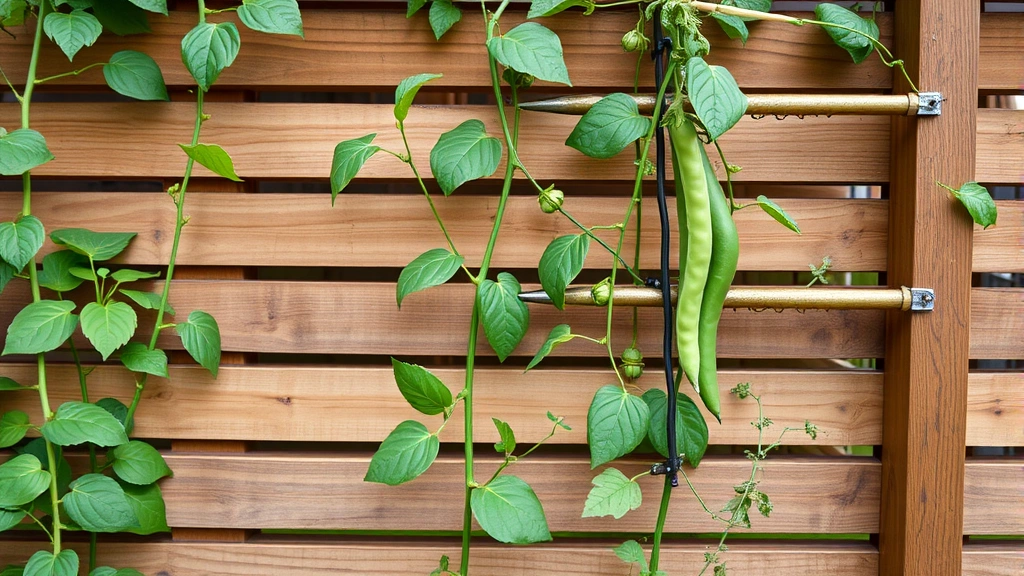
Wood Fencing remains the most popular choice for small gardens. Cedar and redwood resist rot naturally and age beautifully, though they cost more than pressure-treated pine. Wood fencing offers warmth and traditional aesthetics that complement most garden styles. For small spaces, consider semi-transparent designs like lattice or horizontal slats with gaps—these maintain sightlines and prevent the boxed-in feeling solid fences create.
Composite Materials blend wood fiber with plastic, offering durability without constant maintenance. They won’t splinter, rot, or require painting, making them ideal for gardeners with limited time. Composite fencing costs more upfront but pays dividends over 15-20 years. Colors range from natural wood tones to gray and black, suiting various garden decor styles.
Metal Fencing works exceptionally well in small gardens. Wrought iron, aluminum, and steel create visual lightness despite structural strength. Metal fences allow light penetration while establishing clear boundaries. Ornamental styles add character without bulk. Aluminum requires minimal maintenance and won’t rust, making it practical for humid climates. Steel offers strength but needs rust prevention treatment.
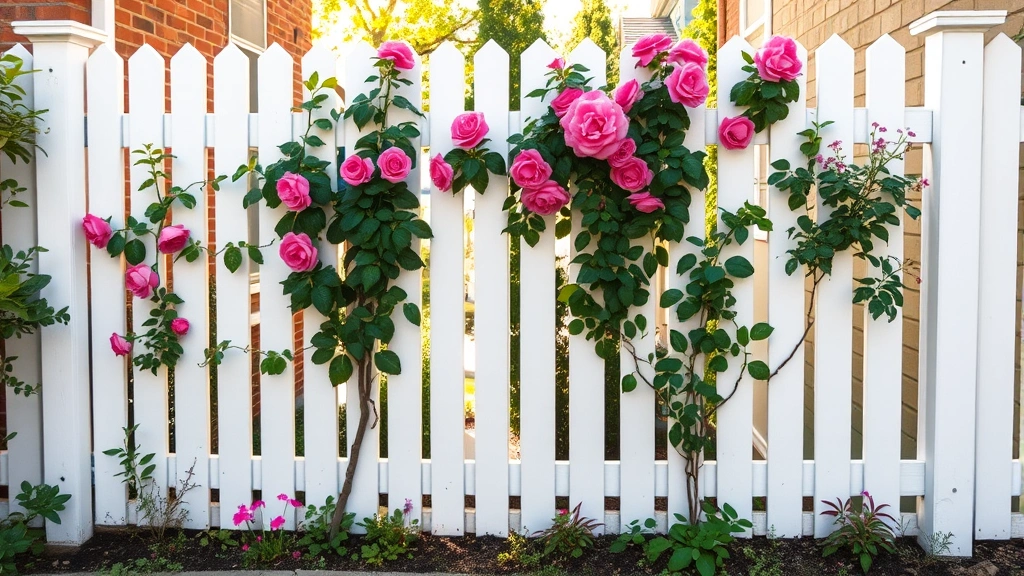
Living Fences using hedges or trained vines provide natural alternatives. Boxwood, privet, and yew create formal boundaries while supporting wildlife. Fast-growing clematis, climbing roses, or ivy trained on invisible supports add vertical interest without solid mass. Living fences take longer to establish but integrate beautifully into garden landscapes and improve with age.
Bamboo and Screening Materials offer affordable, lightweight solutions perfect for temporary or semi-permanent fencing. Bamboo screening provides instant privacy and East Asian aesthetics. Woven willow or hazel panels create rustic charm. These materials work particularly well for flower gardens needing wind protection or partial screening without permanent commitment.
Height and Proportion Considerations
In small gardens, fence height dramatically impacts perceived space. Standard residential fencing reaches 6 feet, which overwhelms compact gardens. For spaces under 300 square feet, consider 3-4 foot fencing instead. This height establishes boundaries while maintaining visual connection to surrounding areas. Short fencing also allows better air circulation—crucial for preventing fungal diseases in confined spaces.
Height variations add sophistication without increasing visual mass. A 4-foot fence on the north side (where it won’t shade gardens) paired with 3-foot fencing on east and west sides creates dynamic proportion. Staggered heights make small spaces feel larger by breaking monotony. Vary fence elevation by just 12 inches—subtle changes yield dramatic effects.
Consider fence placement relative to garden beds. Setting fences back 6-12 inches from beds creates planting space for climbing vines or border flowers. This buffer zone softens fence appearance and maximizes growing real estate. In very small gardens, every inch matters, so plan positioning carefully during design phase.
Design Strategies for Small Spaces
Open-Style Fencing prevents small gardens from feeling enclosed. Picket fences with generous spacing between boards maintain sightlines. Post-and-rail construction offers boundary definition without solid barriers. Horizontal slat fencing with gaps allows light and air movement while clearly marking property lines. These designs work particularly well when combined with climbing plants that soften structure.
Color Considerations influence spatial perception. Light colors (white, cream, silver) reflect light and make spaces feel larger. Dark colors (black, deep green, charcoal) recede visually, useful for defining boundaries without prominence. Consider your garden’s color palette. A white fence complements cottage gardens, while black suits modern spaces. Gray works universally. Test paint samples in your garden lighting before committing—afternoon shadows change color perception dramatically.
Integrated Features maximize fencing functionality. Shelving units attached to fences create planting space without consuming ground area. Built-in benches provide seating while serving as structural elements. Trellises and lattice panels support climbing vegetables or flowers, transforming bare fencing into productive growing space. These integrated features make fences work harder, essential in space-constrained gardens.
Focal Point Creation draws attention strategically. An ornamental gate, decorative panel section, or specimen plant against fencing becomes a focal point, making gardens feel intentional rather than cramped. Position focal points where they’re visible from primary viewing areas—typically the house or patio entrance.
Vertical Growing and Fence Integration
Fencing becomes productive real estate when used for vertical growing. Climbing vegetables like peas, beans, cucumbers, and squash thrive against south-facing fences receiving 6+ hours sunlight. Install sturdy trellis systems or wire supports directly to fence structures. This approach maximizes yields in small spaces—you’re essentially creating additional growing area without expanding garden footprint.
Ornamental climbers enhance fence aesthetics while providing screening and privacy. Clematis varieties bloom magnificently on fences, offering continuous color throughout seasons. Climbing roses, jasmine, and honeysuckle add fragrance and attract pollinators. Ivy and climbing hydrangea provide year-round foliage interest. Choose climbers matching your hardiness zone and light conditions—shade-tolerant varieties differ from sun-lovers.
Consider fence-mounted garden tower systems or vertical planters. These attach directly to fencing, creating three-dimensional growing space. Strawberry planters, pocket systems, and modular vertical gardens transform fences into productive features. This technique particularly benefits small vegetable gardens or herb gardens requiring significant production from minimal footprint.
Espalier training against fences creates stunning living art while producing fruit. Apple, pear, and stone fruit trees trained flat against fences occupy minimal space while yielding substantial harvests. This ancient technique works beautifully in small gardens, combining ornamental appeal with productivity. Training takes patience—typically 3-5 years to establish formal patterns—but rewards are substantial.
Maintenance and Longevity
Wood fencing requires regular maintenance in small gardens where every element is highly visible. Paint or stain every 3-5 years depending on climate. Cedar and redwood age gracefully to silver-gray if left untreated, but this weathering can look neglected rather than charming in small, carefully curated spaces. Inspect for rot annually, particularly at ground level where moisture accumulates.
Composite fencing demands minimal upkeep but needs occasional cleaning. Mildew and algae grow on shaded sections, particularly in humid climates. Annual pressure washing maintains appearance. Check fasteners periodically—corrosion can loosen boards over time. Composite materials won’t splinter or crack, reducing safety concerns in small spaces where children play nearby.
Metal fencing longevity depends on material and climate. Aluminum resists corrosion naturally and rarely requires more than occasional cleaning. Wrought iron needs rust prevention—paint every 2-3 years in humid areas. Steel fencing requires rust-resistant coating maintenance. In small gardens where fencing is constantly visible, maintaining appearance becomes part of garden upkeep routine.
Living fences demand seasonal pruning and shaping. Hedge maintenance requires 2-3 annual pruning sessions to maintain form. Climbing plants need regular training and pruning to prevent overwhelming fencing or neighboring plants. Budget time for this maintenance before choosing living fence options. The payoff—natural beauty and wildlife habitat—justifies effort for many gardeners.
Budget-Friendly Options
Small gardens require less fencing material than larger properties, making premium materials more affordable. Splurge on high-quality fencing for prominent areas visible from house windows. Use budget-friendly options for back or side boundaries less frequently viewed. This tiered approach maintains aesthetics where it matters most while respecting budget constraints.
DIY installation saves significant costs. If you’re handy, building basic fencing yourself reduces expenses by 30-50%. Start with simpler designs—straight runs are easier than curves. Rental equipment (post-hole diggers, levels, saws) costs less than hiring professionals. Online tutorials and local extension services provide free guidance. However, complex designs or difficult terrain justify professional installation costs.
Reclaimed and salvage materials offer unique solutions. Old doors, reclaimed wood, and vintage iron create distinctive fences with character and sustainability benefits. Salvage yards and online marketplaces offer affordable materials. These options work particularly well for eclectic cottage gardens or bohemian spaces. Expect to invest time sourcing and planning creative configurations.
Phased installation spreads costs over time. Complete one side of fencing initially, then expand as budget allows. This approach lets you assess how fencing affects your garden before committing fully. It also allows adjustments based on how plants grow and seasons progress. Many small-space gardeners find phased installation reduces stress and improves final results.
Free or low-cost alternatives deserve consideration. Raised garden beds can define space without traditional fencing. Dense hedging or shrub rows create natural boundaries. Garden arches mark transitions between areas without complete enclosure. These alternatives often work better in small spaces than solid fencing, creating separation while maintaining openness.
FAQ
What height fence is best for small gardens?
For small gardens under 300 square feet, 3-4 foot fencing works better than standard 6-foot height. Shorter fencing maintains visual openness while establishing clear boundaries. Vary heights slightly across different sections for added sophistication.
Can I use fencing to support climbing plants?
Absolutely. Fencing provides ideal support for climbing vegetables, ornamental vines, and trained fruit trees. Install sturdy trellis systems or wire supports to maximize productivity and beauty. Climbing plants transform bare fencing into productive, attractive features.
What material requires least maintenance?
Composite and aluminum fencing demand minimal upkeep—occasional cleaning and periodic fastener checks. Metal fencing (aluminum specifically) resists corrosion naturally. Wood requires regular staining/painting. Living fences need seasonal pruning. Choose based on your available maintenance time.
Should small garden fences be solid or open-style?
Open-style fencing (pickets with gaps, horizontal slats, lattice) prevents small gardens from feeling enclosed while maintaining boundaries. Solid fencing can work if positioned strategically or combined with vertical growing to add visual interest.
How do I prevent my fenced small garden from feeling cramped?
Use shorter fencing heights, choose light colors or open designs, incorporate vertical growing, add focal points, and vary fence styles across different sections. These strategies maintain boundary definition while preserving spaciousness.
Can I install fencing myself in a small garden?
Yes, DIY installation is feasible for basic designs. Straight runs are more manageable than curves. Rent equipment like post-hole diggers. Start with simpler sections to build confidence. Consult online tutorials or local extension services for guidance. Complex designs may justify professional installation costs.
What about living fences for small gardens?
Living fences using hedges or trained vines integrate beautifully into small gardens. They require 2-3 annual pruning sessions and take time to establish fully. The natural beauty and wildlife habitat benefits justify maintenance for many gardeners.