Designing an East Garden? Pro Tips Inside
An east-facing garden presents a unique opportunity for gardeners willing to work with morning sunlight and afternoon shade. Unlike south-facing gardens that bask in full sun all day, or north-facing spaces that struggle with limited light, east gardens offer a balanced growing environment that suits many plant varieties exceptionally well. The morning sun energizes plants after the cool night, while afternoon shade protects them from intense heat stress during the hottest parts of the day.
Designing an east garden requires understanding how light patterns move across your space throughout the seasons. The sun rises in the east and moves progressively southward during winter months, meaning your east garden receives more direct morning light in summer and slightly less in winter. This seasonal variation allows you to grow plants that might otherwise struggle in hotter climates, while still providing sufficient light for productive vegetable gardens and vibrant flower beds.
Whether you’re starting from scratch or reimagining an existing east-facing space, this comprehensive guide will help you maximize your garden’s potential with strategic plant selection, layout planning, and design principles tailored to eastern exposure.
Understanding East Garden Light Patterns
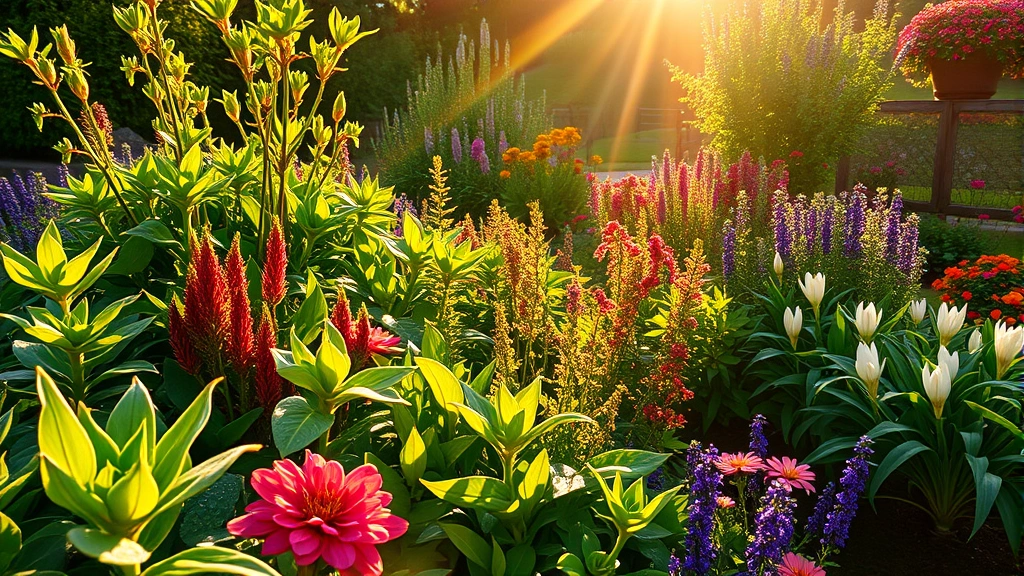
The foundation of successful east garden design begins with comprehending how sunlight behaves in your space. East-facing gardens typically receive 3-6 hours of direct morning sunlight, depending on surrounding structures, trees, and your latitude. This morning light is gentler than afternoon sun, arriving when temperatures are cooler and plants are naturally ready to photosynthesize after resting overnight.
Morning sunlight in an east garden serves several important functions. It dries dew from plant leaves, reducing fungal disease pressure that thrives in moist conditions. It also stimulates growth and flowering in many ornamental plants, encouraging compact, bushy forms rather than the leggy growth sometimes seen in shadier locations. For vegetable gardeners, the morning sun helps ripen fruits and vegetables while the afternoon shade prevents sunscald and water stress.
The angle of sunlight changes dramatically between seasons. During summer, the sun rises further north and climbs higher in the sky, so even east-facing gardens receive substantial direct light. By winter, the sun rises further south and remains lower on the horizon, potentially allowing more afternoon light to reach your beds. Understanding these patterns helps you position taller plants, structures, and garden arches strategically to avoid unwanted shade during critical growing seasons.
[IMAGE_1]
Best Plants for East-Facing Gardens
Selecting appropriate plants is crucial for an east garden’s success. Many popular garden plants thrive in the bright, filtered light that eastern exposure provides. Unlike full-sun plants that demand 6-8+ hours of direct sunlight, east garden plants often appreciate the afternoon protection from intense UV rays and heat.
Shade-Tolerant Perennials
Perennials excel in east gardens because they adapt to moderate light conditions while establishing deep root systems. Garden phlox thrives in east-facing locations, producing fragrant flower clusters in pink, purple, white, and bi-colors. Hostas, with their architectural foliage, grow beautifully in east gardens where morning sun prevents the pale, weak growth that full shade encourages. Coral bells (Heuchera) display stunning foliage colors intensified by morning light, while hellebores (Christmas roses) bloom reliably in east locations with partial shade protection.
Astilbe, with its feathery plumes in red, pink, and white, prefers the moist, partially shaded conditions east gardens naturally provide. Bleeding heart (Dicentra) produces delicate heart-shaped flowers and ferny foliage perfect for east garden borders. These shade-adapted perennials typically require less watering than sun-loving plants and suffer less from heat stress during summer months.
Flowering Shrubs and Small Trees
Flowering shrubs add structure and vertical interest to east gardens while providing seasonal color. Hydrangeas, particularly panicle and oakleaf varieties, produce abundant flowers in east gardens with morning sun and afternoon shade. Japanese maples develop stunning foliage colors in east locations without the leaf burn that intense afternoon sun can cause. Rhododendrons and azaleas thrive in the dappled light and acidic soil conditions many east gardens naturally provide.
Serviceberry (Amelanchier) offers spring flowers, summer berries, and fall foliage color while tolerating partial shade. Pieris (Japanese andromeda) produces delicate white flower panicles and glossy evergreen foliage perfect for year-round interest in east gardens. These woody plants create layered planting schemes that add depth and complexity to your garden design.
Vegetables and Herbs
Many vegetable crops produce well in east gardens despite receiving less total sunlight than full-sun gardens. Leafy greens like lettuce, spinach, and arugula thrive in east gardens, especially during spring and fall when afternoon shade prevents premature bolting. The morning sun provides enough light for photosynthesis while afternoon shade keeps plants cool and extends the harvest season.
Growing butternut squash and other winter squash is possible in east gardens if you select early-maturing varieties and ensure plants receive consistent moisture. Beans, particularly shade-tolerant varieties, produce reasonably well in east locations. Herbs like mint, parsley, cilantro, and chives adapt well to partial shade, though sun-loving herbs like basil and oregano may produce less prolifically than in full-sun locations.
Layout and Design Principles
Strategic layout transforms an east garden from a random planting space into a cohesive, functional design. Begin by observing your space throughout the day, noting where shadows fall at different times and seasons. This information guides plant placement and helps you create zones for different purposes.
Layered Planting Design
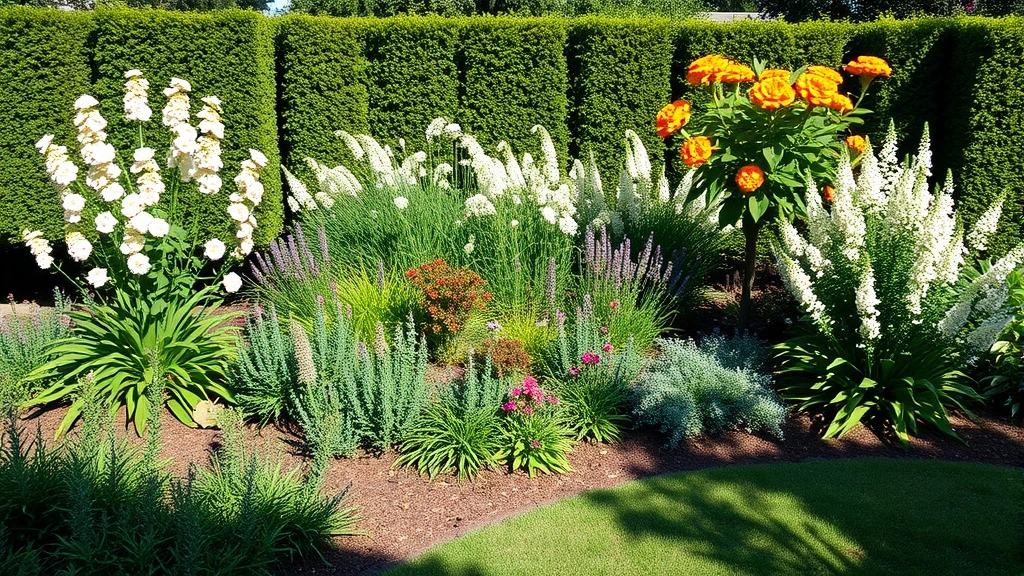
Effective east garden design incorporates multiple layers: tall background plants, mid-story shrubs, and low-growing groundcovers. Position taller plants on the western edge of your garden to avoid blocking morning light from reaching lower plants. This tiered approach creates visual depth, maximizes space efficiency, and ensures every plant receives appropriate light levels.
In a layered east garden, tall ornamental grasses or flowering shrubs provide vertical interest without casting excessive shade on lower plantings. Mid-story plants like flowering perennials fill the middle ground with color and texture. Low-growing groundcovers, sedums, and creeping plants tie the design together while suppressing weeds and conserving soil moisture.
Color and Texture Composition
East gardens benefit from thoughtful color planning that accounts for the quality of morning light. Cool colors like blues, purples, and whites appear luminous in morning sunlight, creating a fresh, energetic feel. Warm colors like oranges, reds, and yellows glow beautifully in early morning light, drawing the eye and creating focal points throughout your garden.
Combine contrasting textures to enhance visual interest. Pair delicate, feathery foliage plants with bold, architectural leaves. Mix fine-textured groundcovers with substantial shrub forms. This textural variety creates dynamic, visually engaging gardens that remain interesting throughout the seasons as plants change form and color.
Focal Points and Hardscape Integration
Include hardscape elements strategically within your east garden design. A garden statue positioned where morning light illuminates it creates a beautiful focal point. Garden arches and trellises provide vertical structure for climbing plants while defining different garden zones. Pathways guide visitors through your garden while preventing soil compaction in planting areas.
Water features like birdbaths or small fountains catch morning light beautifully and attract beneficial wildlife. Stone or mulch pathways create visual lines that organize plantings and make maintenance easier. These hardscape elements should complement your plant selections and overall design aesthetic while serving practical functions.
Soil Preparation and Moisture Management
East gardens typically experience different moisture conditions than full-sun gardens because afternoon shade reduces evaporation rates. Understanding and managing these moisture patterns is essential for plant health and successful growing.
Soil Composition for East Gardens
Most plants thriving in east gardens prefer well-draining soil rich in organic matter. Begin by testing your existing soil to understand its composition, pH, and nutrient levels. Contact your local cooperative extension service for professional soil testing recommendations.
Amend your soil generously with compost or aged bark before planting. These amendments improve drainage, increase water-holding capacity, and provide slow-release nutrients. For shade-loving plants like hostas and hellebores, aim for soil with pH between 6.0-7.0. For acid-loving plants like rhododendrons and azaleas, work toward pH between 5.0-6.0.
Watering Strategies
The reduced evaporation in east gardens means you typically need to water less frequently than full-sun gardens. However, this doesn’t mean plants need less water overall—they simply lose water more slowly. During establishment, water new plants regularly to encourage deep root development. Once established, most east garden plants need supplemental watering only during extended dry periods.
Water early in the morning or late in the evening to minimize evaporation and allow plants to absorb moisture before heat stress occurs. Mulch your beds with 2-3 inches of organic mulch to moderate soil temperature, suppress weeds, and conserve moisture. Avoid mulching directly against plant stems, which can promote rot and pest problems.
Drainage Considerations
While most east gardens don’t experience the severe drought stress of full-sun locations, some east-facing gardens can develop poor drainage if situated in low spots or areas with heavy clay soil. Raised beds improve drainage in problem areas while creating visually defined planting zones. Ensure raised beds have adequate drainage holes to prevent waterlogging during heavy rain.
In naturally wet areas, consider growing moisture-loving plants like astilbe, Japanese iris, and primrose rather than fighting drainage issues. These plants thrive in moist soil and add beautiful color and texture to east gardens that tend toward dampness.
Creating Microclimates in Your East Garden
Sophisticated gardeners recognize that even small east gardens contain multiple microclimates—distinct areas with different light, temperature, moisture, and wind conditions. Creating and utilizing these microclimates dramatically expands the range of plants you can successfully grow.
Temperature Variations
East gardens near house walls or large structures benefit from reflected heat and wind protection, creating warmer microclimates. These protected spots suit tender perennials and marginally hardy plants that might struggle in more exposed locations. Conversely, low-lying areas in your east garden may experience frost pockets where cold air settles on clear nights, requiring hardier plant selections.
Morning sun exposure in protected corners can warm soil earlier in spring, extending your growing season. Use these warming microclimates for heat-loving herbs and vegetables that appreciate the earlier soil warming while still enjoying afternoon shade.
Moisture Gradient Zones
Different areas of your east garden naturally retain moisture at different rates. Low spots tend to stay wetter, while raised areas or locations near building foundations dry more quickly. Rather than fighting these natural patterns, embrace them by selecting appropriate plants. Moisture-loving plants thrive in low spots while drought-tolerant plants succeed in drier microclimates.
This moisture gradient approach reduces supplemental watering needs and prevents disease problems associated with overwatering drought-tolerant plants. It also creates visual interest as different plant communities occupy different garden zones.
Wind Protection
East gardens may experience significant morning wind exposure, particularly in northern climates or areas without windbreak protection. Tall shrubs, fences, or structure walls create wind-protected microclimates where tender plants establish more successfully. Wind protection reduces moisture loss from foliage and prevents physical damage to delicate flowering plants.
Hardscape Elements and Structures
Thoughtfully designed hardscape elements transform functional east gardens into beautiful outdoor spaces while solving practical problems. These non-living features define your garden’s character and support your plants’ needs.
Pathways and Edging
Define your east garden with clear pathways that guide visitors while protecting plants from foot traffic. Mulch pathways create informal, natural aesthetics while stone or gravel paths offer more formal appearances. Edging materials like metal, plastic, or stone borders keep mulch contained and create clean lines between planting beds and lawn areas.
Pathways also provide access for maintenance tasks like watering with a quality garden hose reel and pest management. Well-planned pathways make regular maintenance easier while minimizing soil compaction in planting areas.
Structures and Vertical Elements
Garden structures add dimension and functionality to east gardens. Pergolas, arbors, and garden arches create vertical interest while providing support for climbing plants like clematis, climbing hydrangeas, and ivy. These structures also create partially shaded seating areas perfect for enjoying your garden during warm weather.
Fences or screens define garden boundaries while creating wind protection and privacy. Trellises support climbing vegetables like beans and peas, maximizing production in limited space. These structures should complement your overall design aesthetic while serving practical functions.
Decorative Elements
Carefully selected decorative elements enhance your east garden’s visual appeal. Garden statues and sculptures serve as focal points, drawing the eye and creating visual interest. Stone benches, birdbaths, and water features add functional beauty while attracting wildlife. Choose materials and styles that complement your home’s architecture and your overall garden design.
Morning light beautifully illuminates light-colored hardscape elements, creating luminous focal points. Dark-colored elements provide visual contrast and anchor garden designs. Thoughtful hardscape placement creates visually balanced, harmonious gardens.
Seasonal Considerations and Maintenance
Successful east garden management requires understanding how seasonal changes affect your space and adjusting maintenance practices accordingly.
Spring Awakening
Spring brings renewed growth to east gardens as warming temperatures and increasing daylight trigger plant emergence. Early spring maintenance includes removing winter mulch from emerging perennials, pruning dead wood from shrubs, and dividing overcrowded plants. Spring is the ideal time to add new plants to your east garden, giving them the entire growing season to establish before winter.
Monitor for emerging pest and disease problems early in spring. The moist conditions many east gardens experience can encourage fungal diseases, so ensure good air circulation around plants and avoid overhead watering that prolongs leaf wetness.
Summer Management
Summer maintenance in east gardens focuses on consistent watering, deadheading spent flowers, and managing pest populations. While afternoon shade reduces watering needs compared to full-sun gardens, monitor soil moisture regularly, especially during establishment years. Mulch conserves moisture and keeps soil cool, reducing water stress during hot weather.
Deadheading encourages continued flowering in perennials and annuals, extending bloom seasons and maintaining neat appearances. Watch for pest damage, including rabbits and other wildlife, which can devastate east garden plantings during summer months. Install protective barriers around vulnerable plants or use deterrent strategies to protect your investment.
Fall Preparation
Autumn is an excellent time to plant perennials, shrubs, and trees in east gardens. Cool fall temperatures reduce transplant shock while autumn rains establish root systems before winter. Cut back spent perennials and remove fallen leaves that can harbor pests and diseases. Apply fresh mulch to protect roots during winter freezing and thawing cycles.
Fall also offers opportunities to assess your garden design and plan improvements for next season. Note which plants performed well and which struggled, informing future plant selections and design modifications.
Winter Protection
East gardens may experience winter wind exposure that stresses evergreen plants. Consider installing burlap screens or windbreaks to protect sensitive evergreens from drying winds. Mulch around plant bases provides insulation and protects shallow roots from heaving during freeze-thaw cycles.
Winter is an ideal time to plan improvements, sketch new design ideas, and order plants for spring planting. Review seasonal photographs of your garden to identify gaps in color, texture, or seasonal interest, then plan additions accordingly.
FAQ
How many hours of sunlight does an east garden receive?
East-facing gardens typically receive 3-6 hours of direct morning sunlight, depending on surrounding structures, trees, and your geographic location. This morning light is gentler than afternoon sun and ideal for many plant species that appreciate partial shade conditions.
Can I grow vegetables in an east garden?
Yes, many vegetables thrive in east gardens. Leafy greens like lettuce, spinach, and arugula produce well with morning sun and afternoon shade. Shade-tolerant herbs like mint and parsley flourish in east locations. While sun-loving vegetables like tomatoes and peppers produce less than in full-sun gardens, early-maturing varieties succeed with consistent care.
What’s the best time to plant in an east garden?
Both spring and fall offer excellent planting opportunities in east gardens. Spring planting allows plants to establish during the growing season, while fall planting takes advantage of cool temperatures and autumn moisture. Avoid planting during summer heat or winter cold when plants experience excessive stress.
How do I prevent fungal diseases in my east garden?
Ensure good air circulation around plants by spacing them appropriately and pruning lower branches to improve airflow. Avoid overhead watering that prolongs leaf wetness—instead, water at soil level early in the morning. Remove fallen leaves and plant debris promptly. Apply mulch 2-3 inches deep, but avoid mulching plant stems directly.
Can I grow shade-loving plants in an east garden?
East gardens work perfectly for shade-loving plants like hostas, hellebores, astilbe, and bleeding heart. These plants appreciate the morning sun and afternoon protection, developing better form and more vibrant colors than in full shade while avoiding the stress of intense afternoon heat.
What’s the ideal soil pH for an east garden?
Most east garden plants prefer slightly acidic to neutral soil with pH between 6.0-7.0. Acid-loving plants like rhododendrons and azaleas prefer pH 5.0-6.0. Test your soil professionally to determine current pH, then amend accordingly with sulfur (to lower pH) or lime (to raise pH).


