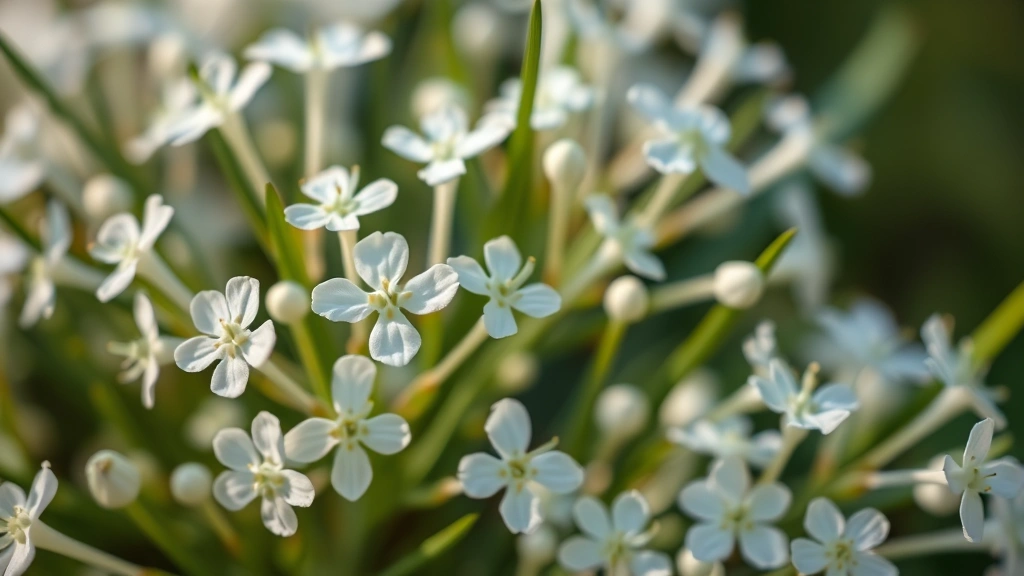
The dusk puff plant, scientifically known as Gomphocarpus physocarpus, is a charming ornamental shrub that has captured the hearts of gardeners worldwide. This unique plant earned its common name from its distinctive balloon-like seed pods that appear at dusk, creating a whimsical, ethereal quality in any garden setting. Whether you’re a seasoned gardener or just beginning your horticultural journey, understanding how to cultivate and maintain dusk puff plants will transform your outdoor space into a botanical showcase.
Native to South Africa, the dusk puff plant thrives in warm climates and brings an unexpected texture and visual interest to borders, containers, and mixed plantings. Its delicate white flowers transition into papery, inflated seed pods that resemble tiny lanterns, making it a conversation starter for garden visitors. This comprehensive guide will walk you through every aspect of dusk puff plant care, from soil preparation to seasonal maintenance, ensuring your plants flourish year-round.
Understanding Dusk Puff Plant Basics
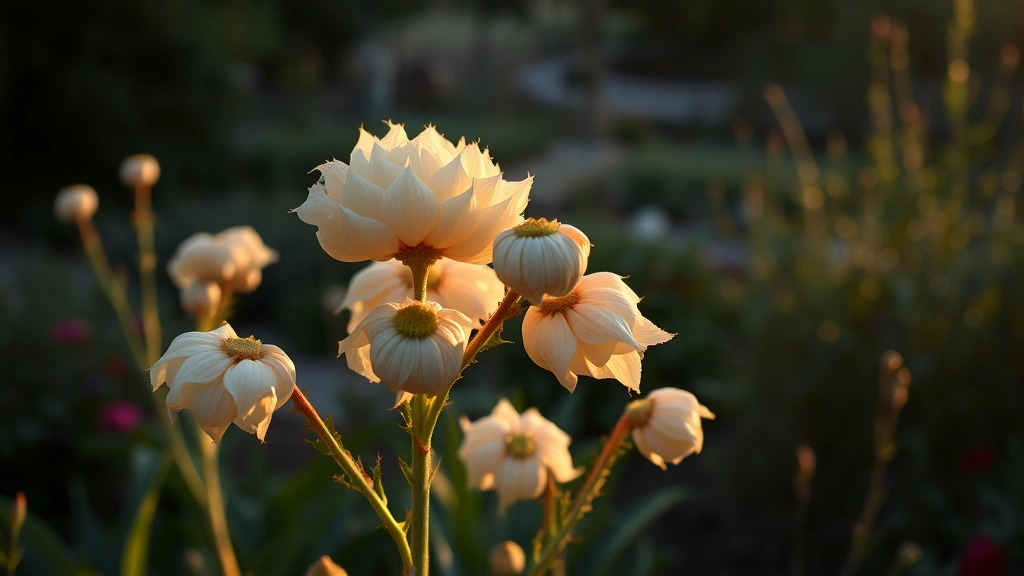
Dusk puff plants belong to the Asclepiadaceae family and are deciduous to semi-evergreen shrubs that typically reach heights of three to five feet. The plant’s most distinctive feature is undoubtedly its seed pods—inflated, papery structures that develop after the small white or pale pink flowers fade. These pods create a stunning visual effect, especially when backlit by evening sunlight, which is how the plant earned its evocative common name.
The foliage of dusk puff plants is relatively simple, with narrow, lance-shaped leaves that provide a soft, airy backdrop for the more dramatic seed pods. The plant’s overall form is naturally branching and somewhat open, making it excellent for creating vertical interest in garden beds. When incorporated into gardening with native plants designs, dusk puff creates beautiful contrasts with more densely foliaged specimens.
Understanding the plant’s growth habit is essential for successful cultivation. Dusk puff plants are relatively fast-growing and can fill a space quickly, especially in optimal conditions. They’re also known for their ability to self-seed prolifically, which means you may find volunteer seedlings emerging in your garden the following season—a bonus for gardeners seeking natural regeneration.
Ideal Growing Conditions
Dusk puff plants are sun-worshippers that demand full sunlight to thrive and produce their characteristic seed pods abundantly. Plan to position your plants in locations receiving at least six to eight hours of direct sunlight daily. In regions with extremely hot summers, afternoon shade can prevent leaf scorch and excessive stress, but this is rarely necessary in most climates.
Temperature requirements are another critical consideration when growing dusk puff plants. These warm-climate natives prefer temperatures between 60 and 85 degrees Fahrenheit during the growing season. They’re sensitive to frost and freezing temperatures, making them excellent candidates for container cultivation in cooler regions where they can be moved indoors during winter months. In USDA hardiness zones 9 to 11, dusk puff plants can be grown outdoors year-round, though they may experience dieback in particularly harsh winters.
Humidity levels should remain moderate, as dusk puff plants don’t appreciate excessive moisture in the air. Good air circulation around plants helps prevent fungal issues and promotes sturdy, healthy growth. When positioning plants near structures or among other vegetation, ensure adequate spacing to allow breezes to move freely through the foliage.
Soil Preparation and Planting
Successful dusk puff cultivation begins with proper soil preparation. These plants are notably adaptable and can tolerate a wide range of soil types, but they perform best in well-draining soil with a pH between 6.0 and 7.5. Heavy clay soils should be amended with organic matter, sand, or perlite to improve drainage and prevent waterlogging, which can lead to root rot.
Before planting, incorporate two to three inches of compost or aged manure into the planting area. This enriches the soil with organic matter, improves its structure, and provides slow-release nutrients that support healthy establishment. If you’re planting in containers, use a high-quality potting mix amended with perlite or coarse sand to ensure excellent drainage—a critical factor for dusk puff success.
When planting seedlings or transplants, dig a hole slightly larger than the root ball and position the plant at the same depth it was growing in its nursery container. Backfill with amended soil, gently firm the earth around the base, and water thoroughly to eliminate air pockets. Space plants at least two to three feet apart to allow for mature growth and adequate air circulation. For those considering cedar raised garden bed options, dusk puff plants adapt beautifully to raised bed cultivation, particularly in regions with poor native soil.
Watering and Moisture Management
Establishing proper watering practices is fundamental to dusk puff plant health. During the establishment phase—typically the first four to six weeks after planting—maintain consistently moist (but not waterlogged) soil. Water deeply two to three times weekly, depending on weather conditions and soil type. This encourages deep root development and helps plants withstand drought once established.
Mature dusk puff plants are surprisingly drought-tolerant once their root systems are well-developed, making them excellent choices for water-conscious gardeners. Once established, reduce watering frequency significantly, providing water only when the top inch of soil becomes dry. During hot, dry periods, weekly deep watering is usually sufficient. In rainy climates or during wet seasons, minimal supplemental watering may be necessary.
Overwatering is the primary cause of dusk puff plant decline, particularly in cooler months when growth slows. Always err on the side of underwatering rather than overwatering. Container-grown plants require more frequent watering than in-ground specimens, as pots dry out faster. Check soil moisture regularly by inserting your finger two inches into the soil—water only if it feels dry at this depth.
For gardeners implementing rain garden strategies, dusk puff plants can be positioned in areas that receive occasional runoff, as their drought tolerance makes them ideal for managing excess moisture while maintaining attractive garden features.
Fertilizing Your Plants
Dusk puff plants are moderate feeders that don’t require excessive fertilization to perform well. In fact, over-fertilizing can lead to excessive vegetative growth at the expense of flowering and seed pod production. For in-ground plants growing in amended soil, minimal fertilization is usually necessary beyond the initial soil preparation.
If you choose to fertilize, apply a balanced, slow-release fertilizer (such as 10-10-10 or 5-10-5) in early spring as new growth emerges. For container-grown plants, use a diluted liquid fertilizer applied every four to six weeks during the active growing season. Reduce or eliminate fertilizing in autumn and winter when growth naturally slows.
Organic fertilizer options, such as fish emulsion, seaweed extract, or compost tea, provide gentle nutrition without the risk of chemical buildup. These natural amendments also improve soil health over time, supporting beneficial microbial populations that enhance nutrient availability.
Pruning and Shaping Techniques
Pruning dusk puff plants serves multiple purposes: controlling size, promoting bushier growth, removing dead or diseased wood, and encouraging more prolific flowering and seed pod production. The best time to prune is in early spring just as new growth begins, before the plant enters its active growing season.
For shape and size control, use sharp pruning shears to remove up to one-third of the plant’s total growth. Make cuts just above leaf nodes or branch junctions, angling slightly away from the bud to prevent water accumulation. Remove any crossing branches, dead wood, or growth that appears weak or spindly. This selective pruning encourages the development of a more compact, attractive form.
To promote bushier, more densely branched growth, pinch back the tips of young stems throughout the growing season. This simple technique redirects energy from vertical growth to lateral branch development, resulting in fuller, more ornamental plants. Pinching is particularly useful for young plants and those grown in containers where compact form is desirable.
Deadheading—removing spent flowers—can extend the blooming period and direct plant energy toward continued flowering rather than seed production. However, many gardeners prefer to allow flowers to develop into seed pods, as these distinctive structures are the plant’s primary ornamental feature. Consider your garden goals: prioritize deadheading if you want continuous flowers, or allow pods to develop if you’re growing dusk puff for its unique textural interest.
Pest and Disease Management
Dusk puff plants are generally resilient and rarely troubled by serious pest or disease problems, particularly when grown in appropriate conditions with proper care. However, several issues can occasionally arise, and early identification and intervention prevent minor problems from becoming serious.
Common pests include spider mites, whiteflies, and mealybugs, which typically appear during hot, dry weather or on stressed plants. Inspect the undersides of leaves regularly for small webs, sticky residue, or tiny insects. If pests are detected, spray affected plants with a strong stream of water to dislodge the insects, or use insecticidal soap or neem oil according to product directions. Repeat treatments every seven to ten days until pests are eliminated.
Fungal diseases, particularly root rot and powdery mildew, can develop in conditions with poor air circulation or excessive moisture. Prevent these issues by ensuring adequate spacing between plants, avoiding overhead watering, and maintaining well-draining soil. If powdery mildew appears as a white coating on leaves, improve air circulation and apply sulfur fungicide or horticultural oil. For those managing rabbits and other garden pests, dusk puff plants are generally unpalatable to browsing wildlife, making them excellent choices for exposed garden locations.
Root rot, the most serious potential problem, develops when soil remains consistently wet. This condition is largely preventable through proper watering practices and well-draining soil. If root rot occurs, reduce watering immediately, improve drainage if possible, and remove affected portions of the plant. Severe cases may require complete removal and replacement of the plant.
Seasonal Care Schedule
Spring: As temperatures warm and new growth emerges, prune plants to shape and remove winter damage. Apply a light application of balanced fertilizer and increase watering frequency as growth accelerates. Monitor for pests as populations increase with warming temperatures. This is an excellent time to propagate dusk puff plants from cuttings or seeds.
Summer: Provide consistent moisture during hot weather while still allowing soil to dry between waterings. Monitor plants for heat stress and provide afternoon shade in extremely hot climates if necessary. Pinch back growing tips to encourage bushier growth and more prolific flowering. Continue monitoring for pests and diseases, particularly spider mites in hot, dry conditions.
Fall: Reduce watering frequency as temperatures cool and growth slows. Allow seed pods to mature fully on the plant, as their papery texture becomes more pronounced as they age. Avoid heavy pruning in fall, as this encourages tender new growth vulnerable to frost damage. In cooler regions, prepare container plants for indoor overwintering.
Winter: In frost-prone regions, move container plants indoors to a cool, bright location. Minimize watering, allowing soil to dry more between waterings as growth essentially halts. In mild climates where plants remain outdoors, withhold fertilizer and water only during dry spells. Protect plants from frost with mulch or frost cloth if temperatures approach freezing.
Propagation Methods
Dusk puff plants can be propagated through seeds or stem cuttings, allowing gardeners to expand their collections or share plants with fellow enthusiasts. Seeds are the easiest propagation method and are abundantly produced by mature plants.
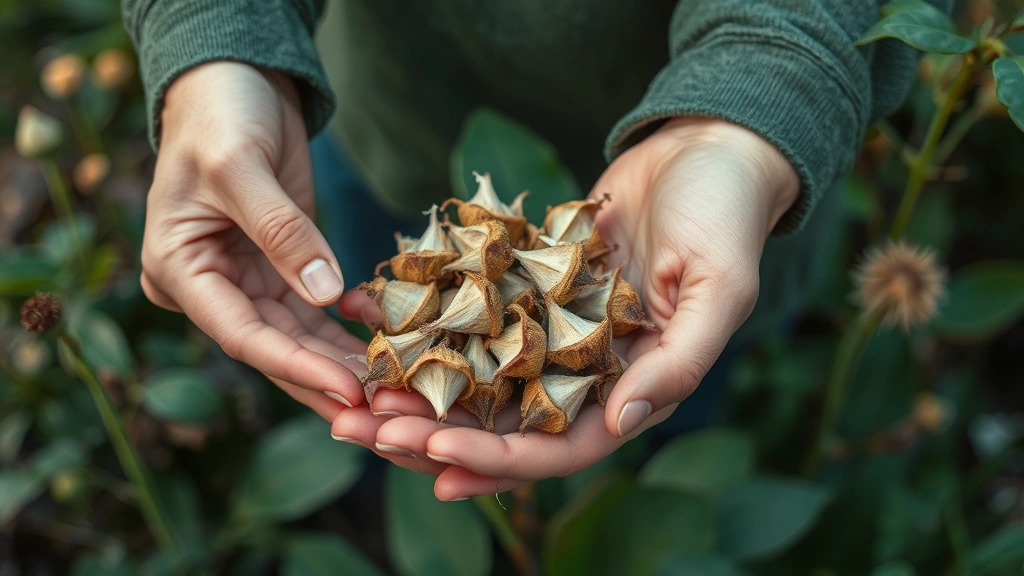
Seed Propagation: Collect mature seed pods in late summer or fall after they’ve dried and turned papery. Extract the seeds and sow them directly into moist seed-starting mix, pressing gently into the surface without covering completely, as dusk puff seeds require light for germination. Place the seed tray in a warm location (70-75°F) with bright, indirect light. Seeds typically germinate within two to three weeks. Once seedlings develop true leaves, thin to prevent crowding and transplant into individual containers when large enough to handle.
Cutting Propagation: Take four- to six-inch softwood cuttings from new spring growth or semi-hardwood cuttings from summer growth. Remove leaves from the lower half of the cutting and dip the cut end in rooting hormone to encourage root development. Insert cuttings into moist seed-starting mix or a mixture of peat and perlite, cover with a plastic dome or bag to maintain humidity, and place in bright, indirect light. Maintain consistent moisture without waterlogging. Roots typically develop within three to four weeks, at which point cuttings can be transplanted into individual containers.
Both propagation methods are reliable and relatively foolproof, making dusk puff plants ideal for gardeners wanting to experience the satisfaction of growing plants from seed or cuttings. Propagated plants reach flowering size within one to two seasons, providing relatively quick gratification for patient gardeners.
For those establishing new garden areas, dusk puff plants propagated from collected seeds integrate beautifully into efficiently watered garden systems and container displays. Their self-seeding tendency also means future generations of plants can establish themselves with minimal intervention once initial plants are established.
FAQ
How long do dusk puff plants live?
With proper care, dusk puff plants typically live three to five years, though some plants may persist longer in ideal conditions. Treating them as annuals or biennials in cooler climates is often the most practical approach, as frost damage frequently kills plants outright in regions with hard freezes.
Can dusk puff plants be grown indoors?
Yes, dusk puff plants can be grown indoors in containers near bright, sunny windows. However, they typically produce fewer flowers and seed pods indoors due to reduced light intensity. Indoor plants benefit from occasional misting to improve humidity and regular rotation to ensure even light exposure.
Why isn’t my dusk puff plant flowering?
Insufficient light is the most common reason for poor flowering. Ensure plants receive at least six to eight hours of direct sunlight daily. Excessive nitrogen fertilizer can also promote vegetative growth at the expense of flowers; reduce fertilizing if this occurs. Young plants may also require a full season of growth before producing abundant flowers.
Are dusk puff plants toxic to pets?
Dusk puff plants are generally considered non-toxic to dogs and cats, though ingestion of plant material may cause mild gastrointestinal upset. However, the seed pods present a choking hazard for curious pets. Position plants where pets cannot easily access them if you have animals prone to plant nibbling.
Can dusk puff plants tolerate salt spray?
While dusk puff plants are fairly resilient, they don’t particularly tolerate salt spray from coastal environments. In coastal gardens, position plants away from direct ocean exposure and rinse foliage periodically if salt spray occurs.
How do I overwinter dusk puff plants in cold climates?
In regions with frost, dig up plants before the first freeze and pot them in containers, or simply grow dusk puff plants in containers year-round. Move containers indoors to a cool (50-60°F), bright location. Water sparingly during winter dormancy. In spring, move plants back outdoors after the last frost date and resume normal watering.


