Desert Gardening Tips: Expert Advice for Thriving in Arid Climates
Desert gardening presents a unique set of challenges and opportunities that differ dramatically from traditional temperate zone gardening. If you’re living in an arid region or planning to visit a desert botanical garden, understanding the principles of successful desert cultivation can transform your outdoor space into a vibrant oasis. The key to thriving desert gardens lies in working with your environment rather than against it, selecting plants adapted to intense heat and minimal rainfall, and implementing water-conservation strategies that allow your garden to flourish sustainably.
Whether you’re a seasoned gardener relocating to Arizona, Nevada, or Southern California, or simply curious about desert horticulture, this comprehensive guide will walk you through expert-tested techniques that professional desert gardeners use to create stunning landscapes. From soil preparation to plant selection, we’ll explore every aspect of successful desert gardening that transforms barren yards into thriving botanical spaces.
Understanding Your Desert Climate
Desert environments are characterized by extreme temperatures, intense solar radiation, low humidity, and minimal precipitation. Most deserts receive less than 10 inches of annual rainfall, with some areas receiving virtually none. Understanding these conditions is fundamental to successful gardening in arid regions. Temperature fluctuations can be dramatic—daytime highs might reach 110°F while nighttime temperatures drop significantly, particularly in high desert areas where elevation moderates summer heat.
The intense UV radiation in desert regions means plants must have evolved or been selected for extraordinary stress tolerance. Wind is another critical factor; desert winds accelerate evaporation and can damage delicate foliage. Before you begin planning your desert garden, spend time observing your specific microclimate. Note which areas receive afternoon shade from existing structures or natural features, where wind patterns concentrate, and how water naturally drains across your property.
Many desert gardeners visit local desert botanical gardens to understand what thrives in their region. These institutions offer invaluable insights into plant performance and design principles specific to arid climates. Consider obtaining desert botanical garden tickets as an educational investment in your gardening journey.
Soil Preparation and Amendment
Desert soils present unique challenges. They’re often alkaline with pH levels between 7.5 and 8.5, contain minimal organic matter, and frequently have hardpan layers that restrict root penetration and water infiltration. The lack of organic material means these soils have poor water-holding capacity and limited nutrient availability. Successful desert gardening begins with soil amendment before planting.
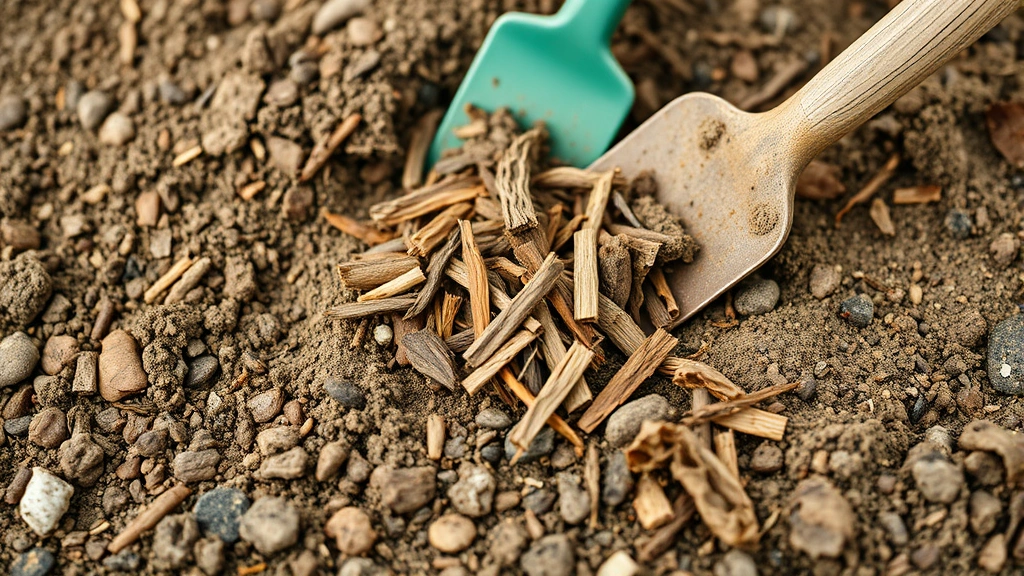
Adding 3-4 inches of compost or aged bark mulch to the top 8-12 inches of native soil improves structure, increases organic matter, and enhances water retention. This amendment is particularly important when establishing new beds. For existing gardens, annual mulching with 2-3 inches of organic material maintains soil health. Composted wood chips, aged manure, and commercial compost all work well, though locally-sourced materials often perform best.
Breaking through hardpan layers is essential for deep root development. If you encounter a compacted layer while preparing beds, consider renting equipment to break it up or hand-digging to a depth of 18-24 inches. This allows roots to access deeper soil moisture reserves, making plants more drought-tolerant once established. When amending soil for container gardening, mix native soil with compost at a 50-50 ratio for optimal results.
Water Management Strategies
Efficient water management is the cornerstone of desert gardening. Rather than traditional overhead irrigation that wastes water to evaporation, drip irrigation delivers water directly to plant root zones. Drip systems reduce water consumption by 50-70% compared to sprinkler irrigation while promoting deeper, more robust root development. Installing a garden hose quick connect system makes managing multiple irrigation zones simpler and more efficient.
Mulching is equally critical for water conservation. A 3-4 inch layer of wood chips or gravel reduces soil surface evaporation by up to 75%, keeps roots cooler, and moderates soil temperature fluctuations. Organic mulches like wood chips gradually decompose, improving soil structure over time. Inorganic mulches like stone retain heat, so consider using them in cooler areas or applying them over landscape fabric to minimize heat transfer.
Timing irrigation for early morning or evening hours minimizes water loss to evaporation. Desert soils heat up rapidly in sunlight, so evening watering allows soil to absorb moisture before surface temperatures spike. Most desert plants, once established, require deep watering every 7-14 days rather than frequent shallow watering. Deep watering encourages roots to grow deeper, accessing moisture reserves that make plants more resilient during drought periods.
Consider harvesting rainwater when precipitation does occur. Even minimal rainfall in deserts provides valuable free water. Installing rain barrels or cisterns captures runoff from roof surfaces, supplementing irrigation during dry periods. Some desert gardeners install rain garden plants in low-lying areas to capture and filter runoff while beautifying the landscape.
Selecting Desert-Adapted Plants
Successful desert gardens feature plants with natural adaptations to arid conditions. Xerophytic plants—those adapted to dry environments—have evolved remarkable survival strategies. Many feature small or waxy leaves that reduce water loss, extensive root systems that access deep moisture, or succulent tissues that store water. Understanding these adaptations helps you select plants that will thrive with minimal supplemental care.
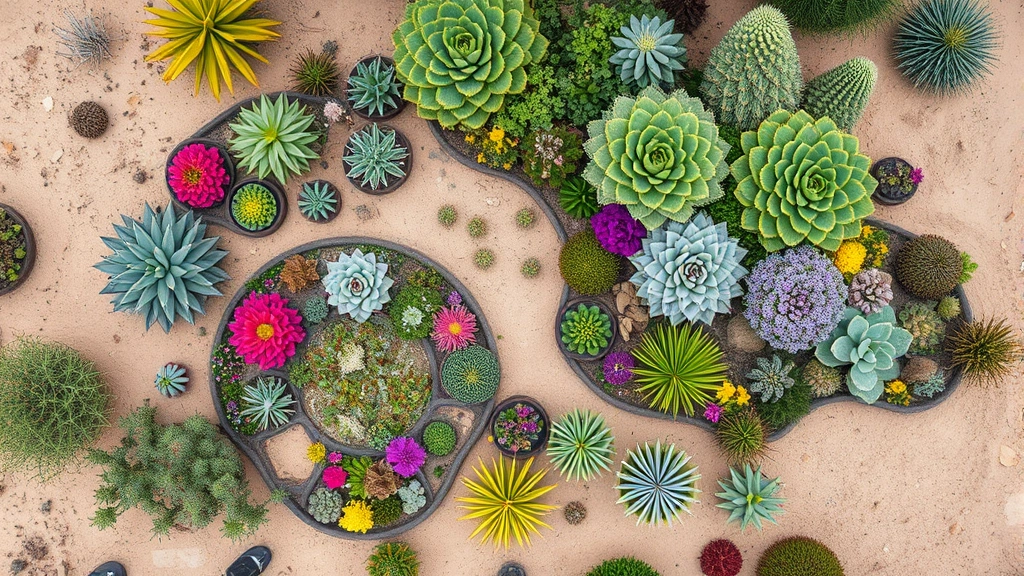
Cacti and succulents are obvious desert choices, offering architectural interest with minimal water requirements. Agave species, sedums, and echeveria provide structural elements and year-round visual appeal. Beyond succulents, many flowering shrubs and groundcovers thrive in desert conditions. Desert marigold, brittlebush, and desert willow provide seasonal color while requiring minimal supplemental irrigation once established.
Trees are essential for creating shade and moderating temperatures in desert gardens. Palo verde, mesquite, acacia, and desert ironwood species provide filtered shade that protects tender plants while allowing air circulation. These native trees develop deep root systems and rarely require supplemental watering after establishment. Consider their mature size and growth patterns when positioning them—many desert trees have spreading canopies that create valuable shade zones for understory plantings.
When selecting plants, verify their cold hardiness for your specific location. High desert regions experience freezing temperatures, while low desert areas rarely freeze. This distinction dramatically affects plant selection. Research your USDA hardiness zone and choose plants rated for your area. Local nurseries specialize in appropriate selections and can provide invaluable guidance on plant performance in your microclimate.
Native Plants for Desert Success
Native plants are perfectly adapted to local climate conditions, requiring minimal supplemental water, fertilizer, or pest management once established. They support local wildlife, including native pollinators essential for food production. Gardening with native plants creates ecologically functional landscapes while reducing maintenance demands and environmental impact.
Desert regions feature remarkable botanical diversity. The Sonoran Desert includes creosote bush, desert lavender, and desert sage. The Mojave Desert features yucca, Joshua trees, and desert gold poppy. The Chihuahuan Desert showcases lechuguilla, desert marigold, and various cacti species. Learning which plants are native to your specific desert region ensures you select species naturally suited to your exact conditions.
Native plants typically require no supplemental irrigation after establishment—usually 6-12 months after planting. This extended establishment period is critical; regular deep watering during the first year encourages deep root development that later supports drought tolerance. Once established, native plants rarely need fertilization, as they’re adapted to nutrient-poor soils. Many native desert plants actually perform poorly in highly amended soils, preferring their naturally sparse conditions.
Native plants support local wildlife in ways that non-native ornamentals cannot. Desert native plants evolved alongside native insects, birds, and mammals. Planting native species creates habitat corridors that support pollinators and other beneficial wildlife. Many native desert plants produce seeds or berries that feed birds and small mammals, creating dynamic ecosystems right in your yard.
Hardscape Design and Shade Structures
Hardscaping—the non-plant elements of landscape design—plays a crucial role in desert gardening success. Strategically positioned shade structures protect tender plants from intense afternoon sun while creating comfortable outdoor living spaces. A well-designed garden arbor provides partial shade for seating areas while supporting climbing vines that add vertical interest and additional cooling through transpiration.
Shade cloth installed on south and west-facing exposures reduces soil temperature by 10-15°F while reducing water evaporation. During intense summer months, 30-50% shade cloth protects tender plants from sunscald while allowing adequate light penetration. Permanent shade structures like pergolas, ramadas, or shade sails offer year-round benefits, providing cooler microclimates for heat-sensitive plants and comfortable outdoor spaces for people.
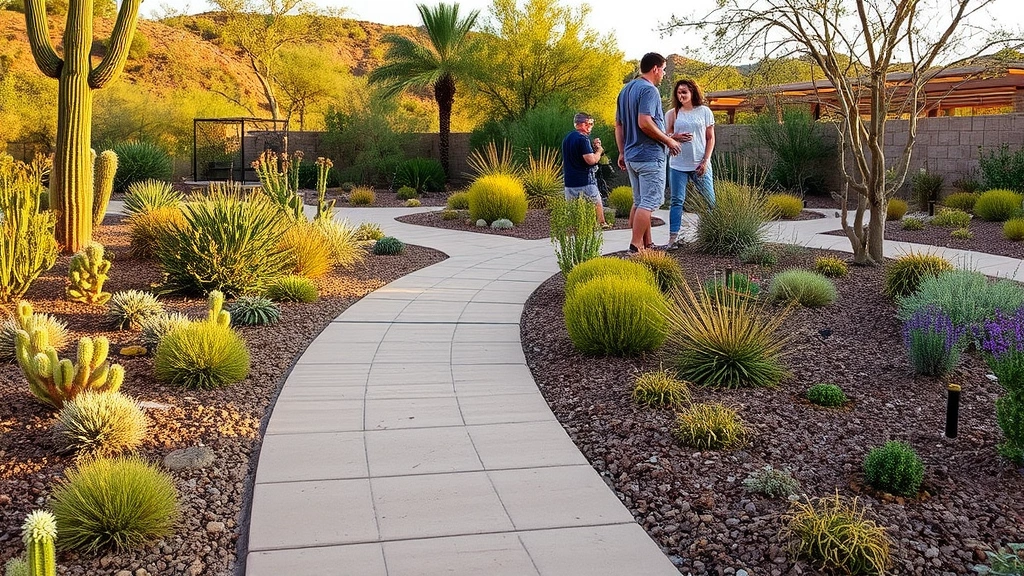
Hardscape materials themselves affect desert garden success. Light-colored materials reflect heat and reduce soil temperature, while dark materials absorb and radiate heat. Gravel or mulch pathways reduce soil compaction while providing visual interest. When installing pathways, consider using galvanised iron raised garden beds for vegetable gardening in desert regions, as they warm quickly in spring and cool more rapidly in fall, extending the growing season.
Water features like fountains or small pools moderate local temperatures through evaporative cooling while creating habitat for beneficial insects and wildlife. Even small water features attract birds and pollinators, increasing garden biodiversity. The sound of moving water adds sensory appeal to desert gardens while masking environmental noise.
Seasonal Gardening Calendar
Spring (February-April): Spring is the primary planting season in most desert regions. Soil temperatures have warmed sufficiently for root development, and plants have time to establish before intense summer heat. Plant warm-season vegetables, herbs, and flowering annuals. Prune winter-damaged growth and remove dead wood from desert shrubs and trees. Begin regular irrigation schedules as temperatures warm.
Summer (May-September): Summer is challenging for desert gardeners. Intense heat stresses plants, requiring consistent deep watering and shade protection. Focus on maintaining existing plantings rather than establishing new ones. Mulch heavily to conserve soil moisture and keep roots cool. Harvest vegetables and herbs regularly to encourage continued production. Monitor for heat-stressed plants and provide afternoon shade if necessary.
Fall (October-November): Fall is the secondary planting season in desert regions, particularly in low desert areas. Cooling temperatures make it an ideal time to establish new plants that will have mild winter months to develop root systems. Plant cool-season vegetables, flowering annuals, and perennials. Reduce irrigation frequency as temperatures cool and water demands decrease.
Winter (December-January): Winter is relatively mild in low desert regions but can be challenging in high desert areas. Protect tender plants from unexpected freezes with frost cloth or temporary shade structures. Reduce irrigation to minimal levels, as most plants are dormant. Plan next season’s garden improvements and order seeds and plants from catalogs. Winter rains in some desert regions provide valuable free water; allow natural rainfall to supplement irrigation.
Common Desert Gardening Mistakes
Many new desert gardeners make predictable mistakes that compromise plant health and waste resources. The most common error is overwatering. Desert plants are adapted to minimal moisture; frequent watering encourages shallow roots and fungal diseases. Once established, most desert plants need water only every 7-14 days. Resist the urge to water on a fixed schedule; instead, check soil moisture 6 inches deep and water only when soil is dry at that depth.
Planting at the wrong time causes another common failure. Planting cool-season plants in summer or warm-season plants in winter wastes resources and results in poor establishment. Match planting times to your desert region’s growing seasons. In low desert regions, plant warm-season plants in spring and cool-season plants in fall. In high desert regions, focus planting in late spring after last frost dates.
Insufficient soil amendment leads to poor plant performance. While desert plants don’t need rich soil, they do need well-draining soil with adequate organic matter for water retention and nutrient availability. Amend native soils with 3-4 inches of compost before planting. This investment pays dividends in improved plant establishment and reduced long-term maintenance.
Using inappropriate mulch materials wastes water and creates maintenance problems. Fine mulches compact, forming barriers that shed water rather than allowing infiltration. Use coarse wood chips, bark nuggets, or gravel instead. Avoid dyed mulches, which may contain harmful chemicals. Maintain 3-4 inches of mulch around plants, keeping mulch 6 inches away from tree trunks to prevent rot.
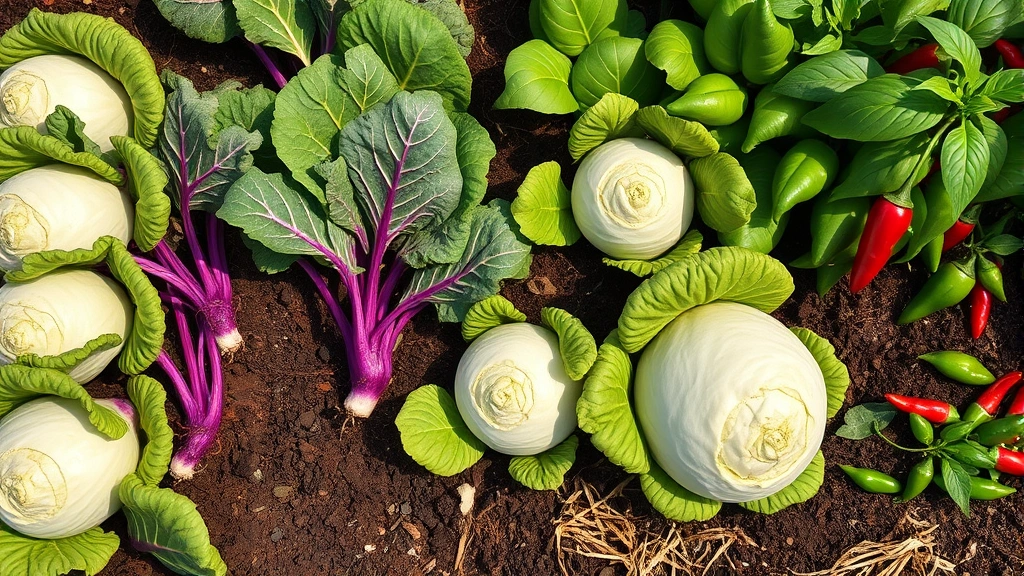
Many desert gardeners struggle with growing vegetables in arid climates. The key is selecting heat-tolerant varieties and providing afternoon shade during peak summer months. Armenian cucumber, yard-long beans, and desert-adapted squash varieties thrive in desert heat. Cool-season vegetables like lettuce and broccoli succeed during desert fall, winter, and spring months.
FAQ
What is the best time to start a desert garden?
Spring is ideal in most desert regions, as warming soil temperatures encourage root development and plants establish before intense summer heat. In low desert areas, fall is equally productive for planting cool-season plants.
How often should I water newly planted desert plants?
Water deeply 2-3 times weekly for the first 4-6 weeks, then gradually reduce frequency as plants establish. After 6-12 months, most native desert plants require water only during extended dry periods.
Can I grow vegetables in a desert garden?
Yes, with careful variety selection and season timing. Plant heat-tolerant vegetables in spring and summer, cool-season crops in fall and winter. Provide afternoon shade during peak summer months.
What’s the ideal pH for desert garden soil?
Desert soils are naturally alkaline (pH 7.5-8.5). Most desert plants thrive in these conditions. If growing acid-loving plants, consider raised beds with amended soil or containers with specialized potting mix.
How much mulch should I use in a desert garden?
Apply 3-4 inches of organic mulch around plants, keeping it 6 inches away from tree trunks. This depth provides optimal water conservation and soil temperature moderation.
Are desert botanical garden tickets worth purchasing?
Absolutely. Desert botanical gardens showcase plants thriving in your region, demonstrate design principles, and offer educational programs. They’re invaluable resources for understanding what succeeds locally and inspiring your garden design.
What’s the difference between low desert and high desert gardening?
Low desert regions (below 2,000 feet elevation) rarely freeze, allowing year-round gardening with two primary seasons. High desert regions experience freezing winters, requiring cold-hardy plant selection and spring-focused planting.
How do I protect desert plants from extreme heat?
Provide afternoon shade with shade cloth, trees, or structures during peak summer months. Mulch heavily to keep soil cool. Ensure consistent irrigation, as heat stress increases water demands. Newly established plants benefit from temporary shade protection.