Bird Netting for Gardens: Pro Gardener Advice
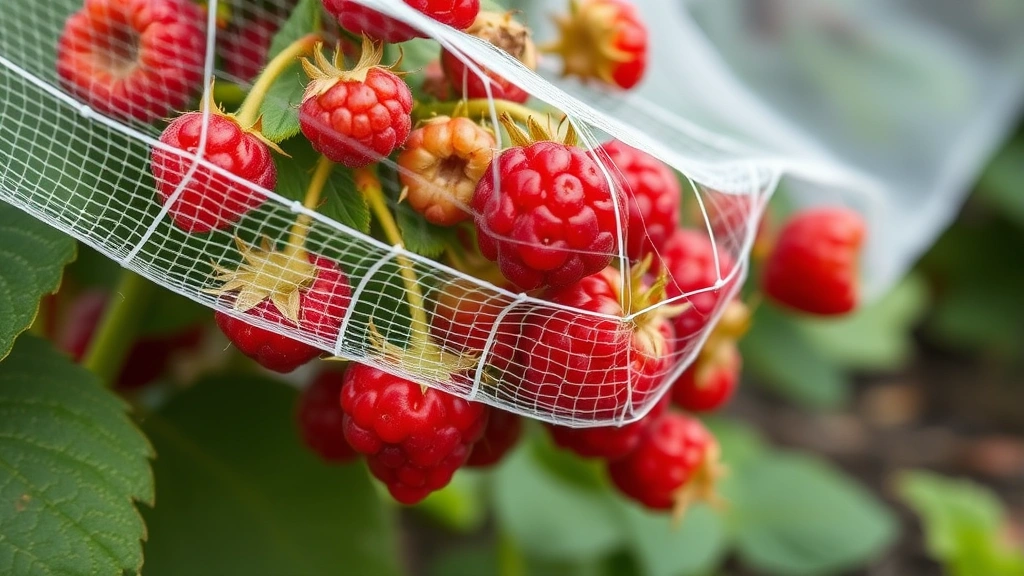
Bird damage can devastate a carefully cultivated garden in mere days. Whether it’s sparrows pecking at ripening berries, crows raiding newly planted seeds, or finches stripping fruit trees bare, protecting your plants from avian visitors requires strategic planning and the right tools. Bird netting for gardens stands as one of the most effective, humane, and widely-recommended solutions among professional gardeners and horticulturists. Unlike harmful deterrents, netting allows you to create physical barriers that safeguard your crops while maintaining an ecosystem-friendly approach.
This comprehensive guide draws from decades of gardening expertise to help you understand bird netting selection, installation techniques, and maintenance strategies. Whether you’re protecting a small vegetable patch or an extensive orchard, the principles remain consistent: proper installation, appropriate mesh size, and regular monitoring ensure your plants thrive while birds find alternative food sources elsewhere.
Understanding Bird Netting Types and Materials
The market offers various bird netting options, each designed for specific applications and environmental conditions. Understanding these distinctions helps you invest in the right product for your gardening needs. Monofilament netting, typically made from nylon, represents the most popular choice among home gardeners. This nearly invisible material creates a psychological barrier that many birds recognize and avoid, even when the netting isn’t completely taut.
Polyethylene netting, another common option, offers superior durability and UV resistance compared to monofilament alternatives. These nets typically feature larger knots and visible construction, making them easier for gardeners to see and work around. They excel in high-wind environments and withstand extended seasonal use without degradation. The trade-off involves reduced invisibility—birds may perceive the barrier more readily, though established netting still provides effective protection.
When protecting your pumpkin plants and other sprawling crops, consider netting weight and strength. Lightweight options work well for berry bushes and small fruit trees, while heavier-gauge materials suit larger installations and aggressive bird species. Professional orchardists often prefer reinforced corner sections and weighted edges to prevent determined birds from finding gaps.
Mesh size directly correlates with protection efficacy. Standard garden netting ranges from ¼-inch to ½-inch mesh, with quarter-inch options providing the most comprehensive defense against small songbirds. Half-inch mesh allows easier installation and better airflow but may permit entry to smaller species like sparrows and finches. Professional recommendation: use quarter-inch mesh for berry crops and vegetables, half-inch for larger fruits.
Choosing the Right Mesh Size for Your Garden
Mesh size selection fundamentally determines which bird species your netting excludes. This decision requires understanding your local avian population and their dietary preferences. Quarter-inch mesh represents the gold standard for comprehensive protection, effectively blocking access to virtually all common garden pests including sparrows, starlings, finches, and smaller crows. This tight weave prevents even the smallest beaks from reaching fruit and seeds beneath the netting.
The drawback of quarter-inch mesh involves installation difficulty and reduced air circulation. Smaller openings trap more moisture, potentially creating humid microclimates that encourage fungal diseases. Gardeners must ensure proper ventilation and monitor plants regularly for signs of moisture-related stress. Additionally, installation requires more precision—any gaps become liabilities.
Half-inch mesh balances protection with practicality for many garden applications. This option excludes most common garden raiders while maintaining reasonable air and water penetration. It works exceptionally well when combined with proper soil preparation and garden bed management, as healthy, vigorous plants better tolerate minor bird damage. Professional gardeners often recommend half-inch mesh for established fruit trees and three-quarter-inch mesh for very large trees where complete coverage proves impractical.
Specialty applications may require different approaches. Ornamental gardens protecting flowering plants sometimes use larger mesh—one-inch or greater—primarily to deter larger species like crows and jays. These installations prioritize excluding destructive foraging behavior rather than preventing all bird access. The philosophy shifts from total protection to damage mitigation.
Consider your crop’s vulnerability stage when selecting mesh size. Young seedlings and freshly planted areas require maximum protection regardless of mesh size. As plants mature and establish, slightly larger mesh becomes acceptable. Many experienced gardeners employ a two-stage netting strategy: quarter-inch mesh during critical growth phases, transitioning to half-inch mesh as plants develop.
Installation Techniques for Maximum Protection
Proper installation determines whether bird netting functions as an effective barrier or becomes a frustrating failure. The most common problem—birds entering beneath the netting—results from inadequate ground contact and loose perimeter securing. Professional installation follows several critical principles that dramatically improve success rates.
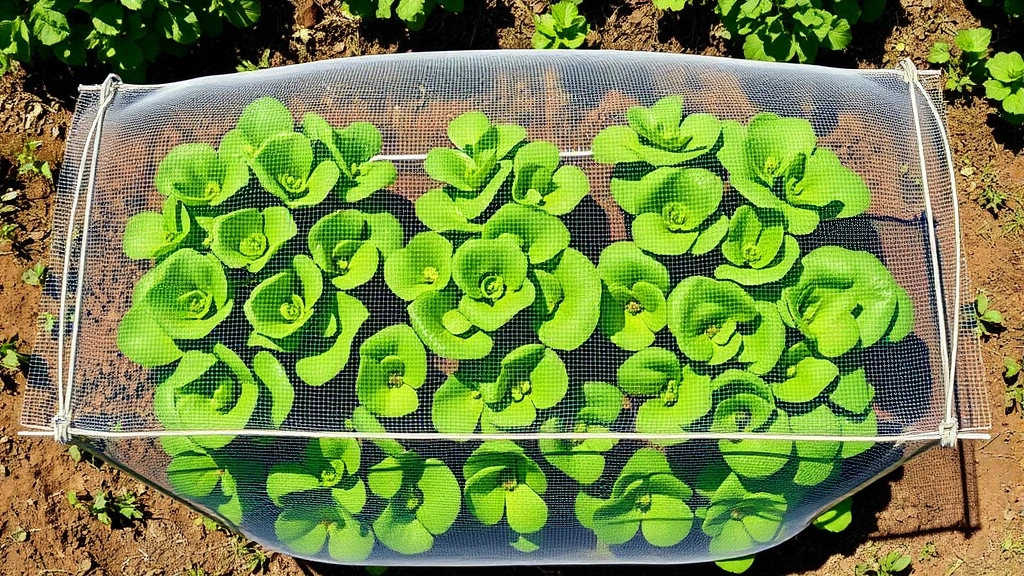
Begin by creating a structural framework before applying netting. For vegetable gardens and berry patches, install support hoops, stakes, or PVC piping at intervals that prevent netting from sagging and touching plants. This framework maintains proper spacing between plants and netting, preventing birds from accessing fruit while perched on the net itself. Stakes should extend 6-12 inches above the highest plant material, depending on bird species and aggressiveness.
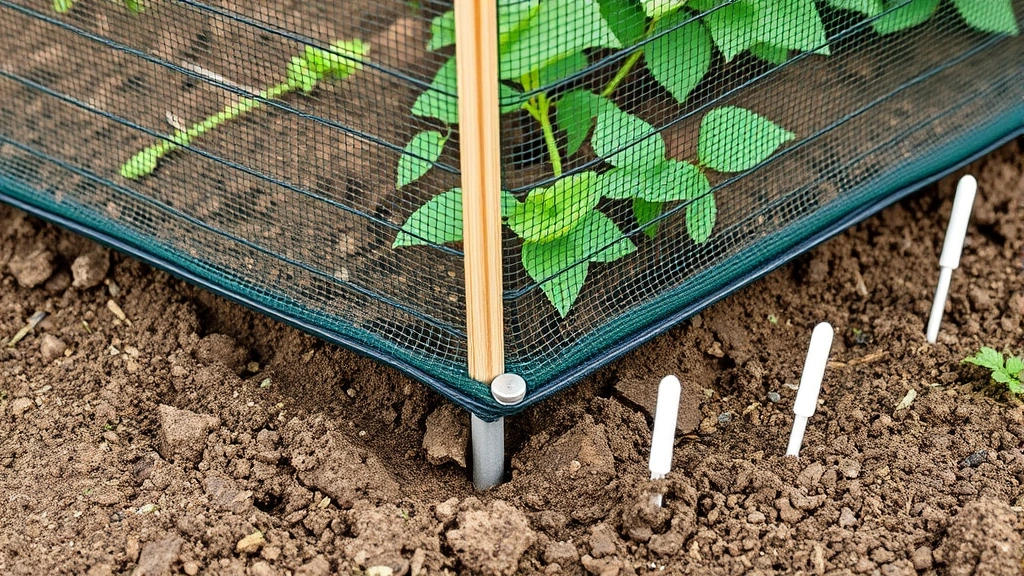
When securing netting edges, eliminate gaps completely. Professional gardeners use ground stakes, landscape pins, or weighted materials to hold netting flush against soil. Heavy mulch, soil edges, or specially designed netting weights work equally well. The critical factor involves creating an unbroken seal—birds constantly probe perimeters searching for entry points. A single gap, however small, can compromise an entire installation.
For tree protection, drape netting from the canopy top, ensuring complete coverage and proper anchoring at the base. Secure the netting at least 12 inches below the lowest branches to prevent birds from entering from underneath. Many professional orchardists use specialized tree netting with reinforced attachment points designed for this exact application. The installation requires patience but provides seasons of reliable protection.
Overlap netting seams by at least 12 inches and secure overlaps securely. Wind creates stress points at seams, and inadequate overlap allows birds to exploit these junctions. When connecting multiple netting sections, consider using netting tape or UV-resistant zip ties for reinforcement. This extra step prevents unraveling and maintains structural integrity through seasonal weather variations.
Ventilation considerations affect installation height and spacing. Allow at least 6 inches between netting and plant canopy in humid climates to permit air circulation. In arid regions, tighter spacing reduces water loss while maintaining sufficient airflow. Monitor plants regularly for signs of excessive moisture or stress, adjusting spacing as needed throughout the growing season.
Seasonal Considerations and Timing
Bird pressure varies dramatically across seasons, requiring gardeners to adjust netting strategies accordingly. Spring planting season demands immediate netting installation, particularly for seed crops. Crows and jays actively forage for newly planted seeds, often excavating entire rows within days of planting. Installing netting before birds discover your garden prevents significant losses and reduces the need for repeated installations.
Summer represents peak bird activity as natural food sources become scarce and garden fruits ripen. This critical period requires vigilant monitoring and maintenance. Heat stress affects netting integrity—UV radiation degrades materials over extended exposure. Lightweight netting may shift with thermal currents, creating gaps. Regular checks every 2-3 days ensure netting remains properly secured and undamaged.
Fall presents a secondary bird pressure spike as migratory species pass through regions. These transient birds aggressively forage to fuel migration, often causing more damage than resident populations. Extended netting installation through autumn ensures protection during this vulnerable period. Many gardeners maintain fall covers specifically for this season, even after summer harvests conclude.
Winter netting serves different purposes—protecting overwintering plants, preventing bird damage to stored crops in cold frames, and safeguarding newly planted dormant stock. When combined with container gardening strategies, winter netting protects tender plants through harsh weather while excluding bird damage. Professional nurseries maintain netting year-round on valuable inventory.
Timing installation relative to flowering and fruiting cycles matters significantly. Install netting before flowering begins to prevent birds from becoming familiar with the area. If birds have already discovered your garden, installation becomes more challenging as they actively seek entry points. However, even late-season installation provides protection—birds simply move to less-protected resources when properly excluded.
Common Mistakes to Avoid
Even experienced gardeners sometimes make critical errors when installing bird netting. Recognizing common pitfalls helps you avoid costly mistakes and frustration. Inadequate ground contact represents the most frequent problem. Netting that doesn’t reach soil level invites bird entry from underneath. Every installation should have netting extending to ground level with edges secured firmly. Gaps larger than a quarter-inch allow small birds entry—professional standards demand no visible gaps.
Touching plants directly causes significant problems. Netting resting on fruit or foliage allows birds to perch on the net and peck fruit through the mesh. This defeats the netting’s purpose entirely. Maintain 6-12 inches of clearance using proper support structures. This spacing also improves air circulation and prevents fungal disease development.
Neglecting regular monitoring leads to deterioration and bird entry. UV radiation, wind stress, and animal activity damage netting continuously. Weekly inspections during peak bird season catch problems before birds exploit them. Look for tears, gaps, and areas where netting has shifted or sagged. Prompt repairs maintain protection throughout the season.
Using inappropriate mesh sizes for specific applications wastes money and provides inadequate protection. Installing half-inch mesh when quarter-inch is necessary allows target bird species entry. Conversely, installing oversized mesh where quarter-inch would work adds unnecessary expense and installation difficulty. Match mesh size to your bird population and crop type.
Forgetting to provide exit routes for beneficial insects and pollinators creates ecological problems. While protecting plants from pest birds, you must allow bees, butterflies, and other beneficial insects access. Use larger mesh in specific areas or create temporary openings during peak pollination periods. This balanced approach protects crops while maintaining garden ecosystem health.
Installing netting too tightly against plants in humid climates promotes fungal diseases. Moisture accumulates, creating perfect conditions for powdery mildew, botrytis, and other fungal pathogens. Ensure adequate spacing and monitor humidity levels. In high-humidity regions, consider mesh options that promote better air circulation.
Maintenance and Storage Tips
Proper maintenance extends netting lifespan significantly, improving your return on investment. Regular cleaning removes dust, debris, and algae accumulation that can degrade materials. Gentle washing with water and mild soap maintains netting visibility and integrity. Avoid harsh pressure washing, which can damage mesh and weaken attachment points.
Inspect netting monthly during the growing season for UV damage, tears, and deterioration. Early detection allows simple repairs before problems escalate. Small tears can be patched with netting repair tape or by hand-tying mesh sections together. Larger damage may require section replacement rather than continued use of compromised netting.
End-of-season maintenance determines netting condition for subsequent years. Thoroughly clean and dry netting before storage to prevent mold and mildew development. Store in cool, dark locations away from direct sunlight. UV exposure during storage degrades materials as significantly as field exposure, so proper storage extends usable lifespan considerably.
When combined with proper garden shed plans, netting storage becomes organized and protected. Rolled netting on dedicated shelving prevents tangling and damage. Label storage containers with netting type, mesh size, and dimensions for quick identification next season. This organization simplifies installation and prevents purchasing duplicate materials.
Repair kits should be maintained throughout the season. Keep netting repair tape, zip ties, stakes, and replacement mesh sections readily available. Prompt repairs prevent small problems from becoming major failures. Many professional gardeners maintain spare netting sections sized to common problem areas for quick replacement.
Consider netting longevity when calculating total cost of ownership. High-quality polyethylene netting lasts 3-5 years with proper care, while monofilament may require replacement every 2-3 years. The initial investment in quality materials and careful maintenance provides better long-term value than repeatedly replacing damaged budget options.
Seasonal transitions require netting adjustment. As plants grow, you may need to raise or re-secure netting to maintain proper clearance. Document these adjustments to simplify next season’s installation. Photographing your setup during peak season provides excellent reference material for future installations.
FAQ
What is the best bird netting for gardens?
The best bird netting depends on your specific application, but quarter-inch polyethylene mesh generally offers the optimal balance of protection, durability, and practicality for most home gardens. It excludes virtually all common garden pest birds while maintaining reasonable air circulation. For professional orchards, reinforced specialty netting with corner attachment points provides superior performance for large-scale installations.
How do I install bird netting over vegetables?
Install support hoops or stakes over your vegetable beds before applying netting. Drape netting over the framework, ensuring at least 6 inches clearance above plant foliage. Secure all edges firmly to soil using ground stakes, landscape pins, or weighted materials. Eliminate gaps completely—netting must reach ground level with no spaces larger than a quarter-inch. Check installation weekly during the growing season.
Can birds get tangled in garden netting?
Quality bird netting is specifically designed to prevent tangling through smooth mesh construction and proper tension. However, loose or damaged netting can trap birds. Maintain proper installation standards, inspect netting regularly, and repair damage promptly. Avoid using damaged or degraded netting that has loose strands or holes.
How long does bird netting last?
High-quality polyethylene netting typically lasts 3-5 years with proper maintenance and storage. Monofilament netting usually requires replacement every 2-3 years. UV exposure, weather conditions, and storage practices significantly affect longevity. Careful cleaning, proper storage away from sunlight, and prompt repairs extend usable lifespan considerably.
Should I remove bird netting during pollination season?
Create designated openings or use larger mesh sections during peak pollination periods to allow bee and butterfly access. Alternatively, temporarily remove netting during peak flowering hours when pollinators are most active, then replace it as fruits develop. This balanced approach protects crops while maintaining essential pollination.
What mesh size stops sparrows?
Quarter-inch mesh effectively stops sparrows and other small songbirds. Half-inch mesh may allow some sparrow species entry, particularly if they’re aggressive foragers. For guaranteed sparrow exclusion, quarter-inch mesh represents the professional standard. Ensure proper installation with no gaps larger than a quarter-inch.
Can I use bird netting on fruit trees?
Yes, bird netting effectively protects fruit trees from avian damage. Drape netting from the canopy top, securing it at least 12 inches below the lowest branches. Anchor netting firmly at the base to prevent bird entry from underneath. For large trees, professional orchardists often use specialized tree netting designed for this application. Ensure adequate ventilation to prevent disease development.


