Visit Riva del Garda Gardens? Local Insights for Gardeners
Riva del Garda, nestled on the northern shore of Lake Garda in Lombardy, Italy, represents one of Europe’s most captivating garden destinations. This picturesque lakeside town combines Mediterranean charm with Alpine influences, creating a unique microclimate that supports an extraordinary diversity of plant life. For gardeners seeking inspiration, horticultural knowledge, and botanical beauty, Riva del Garda offers far more than typical tourist attractions—it presents a living classroom of Mediterranean and subtropical cultivation techniques.
The region’s mild winters and warm summers create ideal conditions for growing plants that struggle in colder climates. Local gardeners have perfected cultivation methods over centuries, blending traditional Italian horticultural practices with modern sustainable approaches. Whether you’re planning a visit to explore public gardens, seeking design inspiration for your own landscape, or hoping to understand how Mediterranean plants thrive in specific microclimates, this guide provides essential insights from a gardener’s perspective.
Climate and Growing Conditions at Riva del Garda
Understanding Riva del Garda’s climate is fundamental to appreciating why this location produces such exceptional gardens. The town sits at approximately 65 meters above sea level on Lake Garda’s northern tip, benefiting from the lake’s thermal regulation properties. This large body of water moderates temperature extremes, creating a warm microclimate that allows tender Mediterranean and subtropical plants to flourish year-round.
Winter temperatures rarely drop below freezing, with average lows around 2-4°C (36-39°F). Summer highs reach 25-28°C (77-82°F), though the lake breeze prevents excessive heat stress on plants. This combination creates a USDA hardiness zone equivalent of 9a-9b, allowing cultivation of plants that would perish in continental European climates. The region receives approximately 800-900mm of annual rainfall, with most precipitation occurring during autumn and spring, creating dry summers ideal for Mediterranean species.
The soil composition varies throughout the region, influenced by glacial deposits from the Alps. Many gardens feature alkaline, well-draining soils derived from limestone and dolomitic rock—perfect for xerophytic plants and Mediterranean herbs. Local gardeners have developed sophisticated irrigation systems to manage the dry season while maintaining excellent drainage to prevent root diseases common in humid climates.
Must-Visit Public Gardens and Botanical Spaces
Giardino Botanico Fondazione André Heller represents the crown jewel of Riva del Garda’s horticultural attractions. Located in nearby Gardone Riviera (20 minutes south), this 10-hectare botanical garden showcases over 3,000 plant species from six continents. The garden’s design philosophy emphasizes ecological relationships and plant associations, providing invaluable lessons in companion planting and polyculture gardening. Visitors observe how tropical plants coexist with Mediterranean species, offering inspiration for creating diverse, resilient garden ecosystems.
The garden features distinct zones: a Mediterranean section with drought-tolerant plants, a subtropical area with exotic species, and woodland sections demonstrating shade gardening techniques. The collection includes rare specimen trees, unusual shrubs, and extensive perennial plantings. For gardeners interested in how to prune climbing roses and other ornamental vines, the garden displays numerous mature climbing specimens trained on pergolas and structures, providing excellent examples of professional training techniques.
The town’s waterfront promenade features meticulously maintained public gardens emphasizing seasonal color and texture. Local municipal gardeners employ sophisticated planting schemes using tender perennials, architectural foliage plants, and carefully selected shrubs. These public spaces demonstrate how to achieve year-round visual interest in Mediterranean climates using minimal supplemental irrigation.
Villa Hruska and its surrounding gardens showcase private collection gardens accessible to visitors. These spaces emphasize personal horticultural experimentation and specialty plant cultivation, including rare Mediterranean endemics and unusual cultivars developed through local breeding programs.
Mediterranean Plant Species You’ll Discover
Exploring Riva del Garda’s gardens reveals the remarkable diversity of Mediterranean flora adapted to specific growing conditions. Olea europaea (olive trees) dominate the landscape, with centuries-old specimens demonstrating how these plants develop character and visual interest over decades. Local cultivars produce fruit suitable for oil production, while ornamental varieties showcase different growth habits and foliage characteristics.
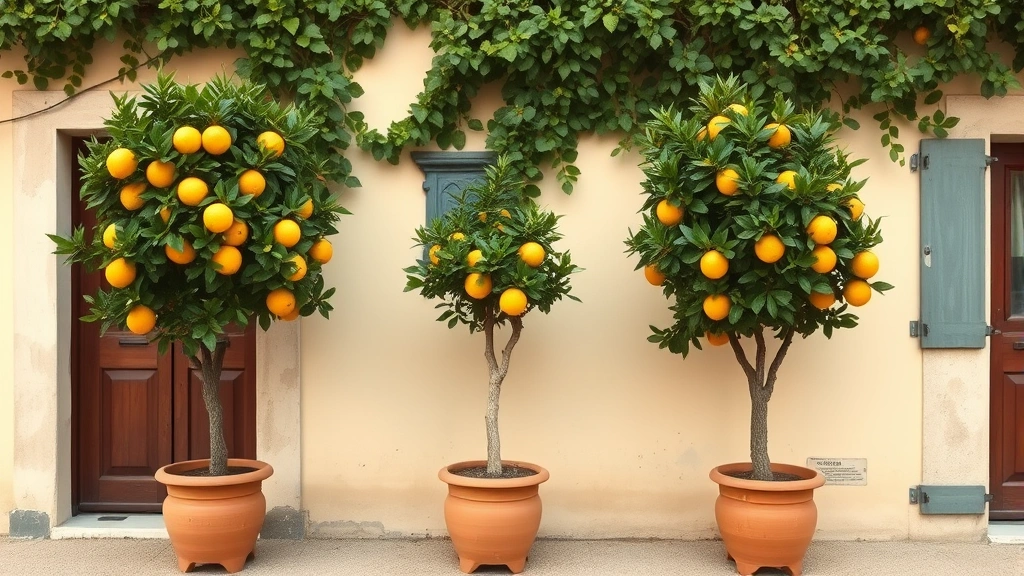
Citrus cultivation represents a major horticultural focus throughout the region. Lemon, orange, and grapefruit trees thrive in protected microclimates, often trained as standards or espaliered against south-facing walls. Local gardeners employ sophisticated frost protection techniques during occasional cold snaps, including burlap wrapping and strategic placement near heat-absorbing masonry.
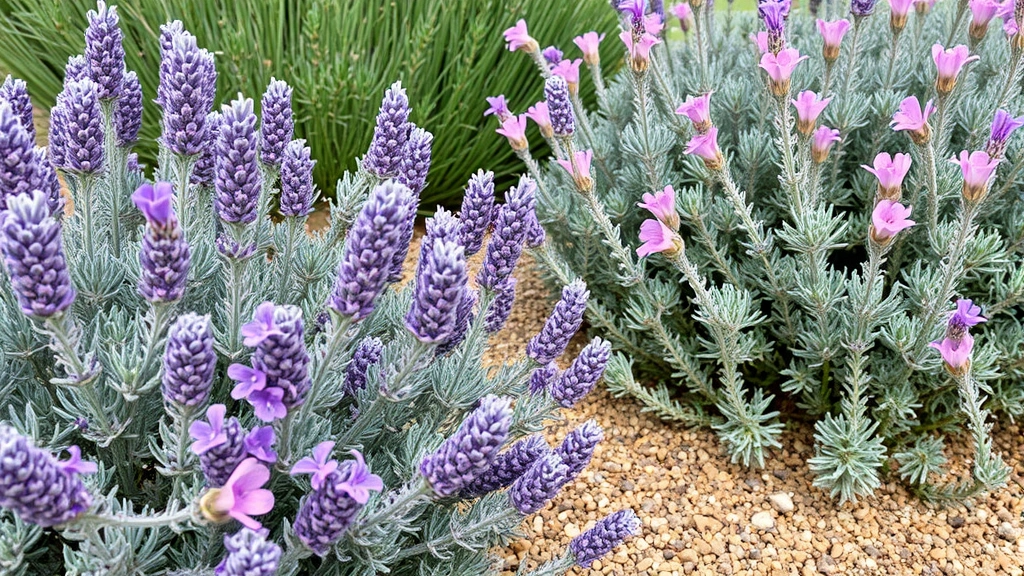
Aromatic Mediterranean herbs flourish in the region’s well-draining soils. Lavender, rosemary, thyme, oregano, and marjoram demonstrate exceptional vigor, often achieving sizes considerably larger than specimens grown in colder climates. These plants provide material for the grow a garden cooking recipes enthusiasts, offering fresh culinary ingredients alongside ornamental value.
Tender perennials including bougainvillea, lantana, and plumbago display remarkable flowering performance, producing abundant blooms throughout extended growing seasons. Gardeners observe how these plants respond to minimal fertilization, thriving in nutrient-poor soils while maintaining exceptional color and vigor.
Subtropical species including banana plants, cannas, and tender palms demonstrate the region’s frost-free advantages. Many gardens feature collections of architectural foliage plants creating tropical effects despite Mediterranean latitudes. These plantings inspire gardeners in colder regions to consider tender perennial cultivation in containers, overwintered indoors during winter months.
Local Horticultural Techniques and Practices
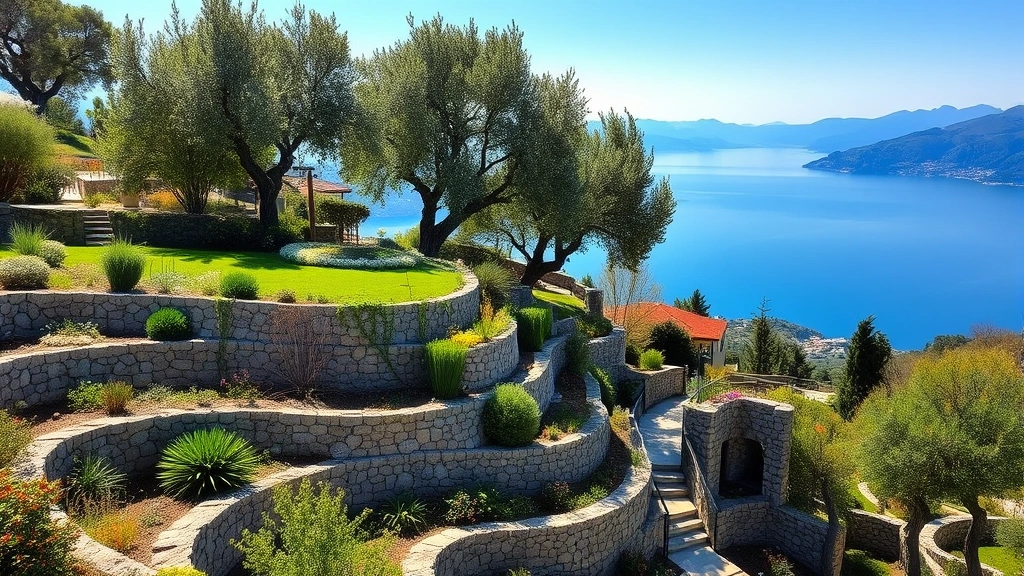
Riva del Garda’s gardeners employ traditional techniques refined over centuries, blended with contemporary sustainable practices. Terracing represents the most visually striking traditional method, transforming steep hillsides into productive gardens. These stone-retained terraces prevent erosion, improve water infiltration, and create microclimates beneficial for specialized plant cultivation. The terraces’ thermal mass moderates temperature fluctuations, protecting tender plants during occasional frost events.
Local gardeners demonstrate exceptional skill in pruning climbing roses and other trained forms. Espalier and cordon training techniques appear throughout the region, trained against south-facing walls that capture and radiate heat. These training methods maximize productivity in limited spaces while creating beautiful architectural elements within garden designs.
Water management represents a critical consideration in this Mediterranean climate. Traditional irrigation systems utilize gravity-fed channels distributing water from mountain sources. Modern drip irrigation installations employ soil moisture sensors and automated scheduling, reducing water waste while maintaining plant health. Mulching with local stone chips conserves moisture and moderates soil temperature fluctuations.
Soil amendment practices emphasize organic matter incorporation and mineral supplementation. Compost production utilizing local green waste creates nutrient-rich amendments improving soil structure and biological activity. Gardeners apply ground limestone and dolomite to maintain appropriate soil pH for Mediterranean species, while foliar feeding with seaweed and fish emulsion provides supplemental nutrition without excessive soil nitrogen.
Integrated pest management practices minimize chemical inputs while maintaining plant health. Beneficial insect populations thrive in the region’s diverse plantings, controlling common pests naturally. Gardeners employ companion planting strategies, sacrificial plants, and physical barriers to manage pest pressure while maintaining ecological balance.
Seasonal Visiting Guide for Gardeners
Spring (March-May) represents the ideal visiting season for observing garden awakening and renewal. Mediterranean gardens burst into bloom during April and May, with bulbs, herbaceous perennials, and flowering shrubs creating extraordinary color displays. Citrus trees produce fragrant flowers, while tender perennials emerge from winter dormancy. Spring rains encourage vigorous growth, making this period ideal for observing how plants respond to increased moisture availability.
Summer (June-August) showcases drought tolerance and heat adaptation in Mediterranean plantings. Lavender, rosemary, and other aromatic herbs reach peak flowering, while tender tropical species display their most vigorous growth. The extended daylight allows observation of how plants position foliage to manage intense solar radiation. Summer visiting requires early morning exploration to avoid afternoon heat, but rewards observant gardeners with insights into plant physiology under stress conditions.
Autumn (September-November) brings seasonal color changes and the beginning of the region’s wetter season. Perennials begin flowering cycles triggered by photoperiod changes, while fruit set becomes evident on citrus and other productive plants. This season demonstrates succession planting concepts, with spring bloomers transitioning to autumn and winter-flowering species. The golden light of autumn provides optimal conditions for photographing garden designs and taking inspiration notes.
Winter (December-February) presents a quieter season but remains valuable for garden exploration. Many Mediterranean plants maintain attractive foliage year-round, and the bare deciduous framework reveals garden structure and hardscape design. Frost-sensitive plants demonstrate cold hardiness, and occasional snow provides dramatic contrast against evergreen foliage. Winter visiting allows detailed observation of specimen plants and garden architecture without summer crowds.
Bringing Riva del Garda Inspiration Home
Gardeners visiting Riva del Garda often wish to recreate observed designs and cultivation techniques in their home gardens. Understanding climate adaptation becomes essential—plants thriving in Riva del Garda’s mild winters may require container cultivation and winter protection in colder regions. Tender perennials including bougainvillea, lantana, and plumbago can be grown in pots, overwintered indoors, and moved outdoors during frost-free periods.
Hardscape elements observed throughout Riva del Garda’s gardens translate readily to any climate. Terraced planting beds, stone-retained raised beds (such as galvanized steel raised garden bed options), and gravel mulch systems improve drainage while reducing maintenance. Pergolas and arbor structures supporting trained vines create the Mediterranean ambiance regardless of geographic location.
Design principles observed in Riva del Garda gardens apply universally. Emphasizing foliage texture and form alongside flowering plants creates visual interest throughout seasons. Incorporating aromatic herbs provides sensory engagement beyond visual appeal. Grouping plants by water requirements simplifies irrigation management and supports ecological sustainability.
Mediterranean color palettes—combining silvery foliage with purple flowers, cream and chartreuse accents, and soft gray stone—create sophisticated garden designs adaptable to any climate. Local seed companies and specialty nurseries throughout Europe offer Mediterranean cultivars selected for cold hardiness, allowing gardeners in northern regions to grow adapted varieties of traditional Mediterranean plants.
Using appropriate garden tool selections enables proper maintenance of Mediterranean-style gardens. Pruning tools suitable for woody Mediterranean shrubs, loppers for training vines, and dibbers for precise planting of small perennials ensure professional results. Observing local gardeners’ techniques and tool selections provides practical guidance for equipment investment.
Creating sunflower garden spaces inspired by Riva del Garda’s abundant solar exposure demonstrates how to maximize seasonal color in bright locations. While tender Mediterranean perennials may not survive year-round in colder climates, growing them as annuals or container plants extends their cultivation range significantly.
Implementing garden windows and protected microclimates allows gardeners in cooler regions to cultivate tender species that would otherwise perish. South-facing walls, windbreaks, and cold frames extend growing seasons and protect frost-sensitive plants during winter months, replicating the protected conditions that allow subtropical plants to thrive in Riva del Garda.
FAQ
What is the best time to visit Riva del Garda’s gardens as a gardener?
Spring (April-May) offers the most spectacular floral displays and demonstrates garden awakening after winter. However, each season provides unique horticultural insights—summer reveals drought tolerance, autumn shows succession planting, and winter demonstrates structural design principles. Plan visits during multiple seasons if possible to observe complete annual cycles.
Can I grow Mediterranean plants from Riva del Garda in my colder climate?
Yes, many Mediterranean plants can be cultivated in colder regions through container cultivation, winter protection, or cold-hardy cultivar selection. Tender perennials like bougainvillea and lantana grow as annuals or houseplants. Hardy Mediterranean herbs including rosemary, thyme, and lavender survive most temperate winters with appropriate site selection and drainage.
What local plants should I try to propagate from my visit?
Aromatic herbs including rosemary, lavender, oregano, and thyme propagate easily from cuttings. Many local nurseries sell starter plants suitable for transport. Olive trees and citrus require more complex propagation but are available through specialty nurseries. Always respect private property and obtain permission before collecting plant material.
How do local gardeners manage pests without heavy chemical use?
Integrated pest management emphasizing beneficial insects, companion planting, cultural practices, and physical barriers dominates local approaches. Diverse plantings support natural predator populations. Organic methods including neem oil and insecticidal soap address serious infestations while minimizing environmental impact and preserving beneficial insect populations.
Are there gardening classes or workshops available in Riva del Garda?
The Giardino Botanico Fondazione André Heller offers seasonal programs, workshops, and guided tours. Local garden clubs and horticultural societies organize regular meetings and field trips. Contacting local tourism offices provides current information regarding educational opportunities and specialized gardening programs.


