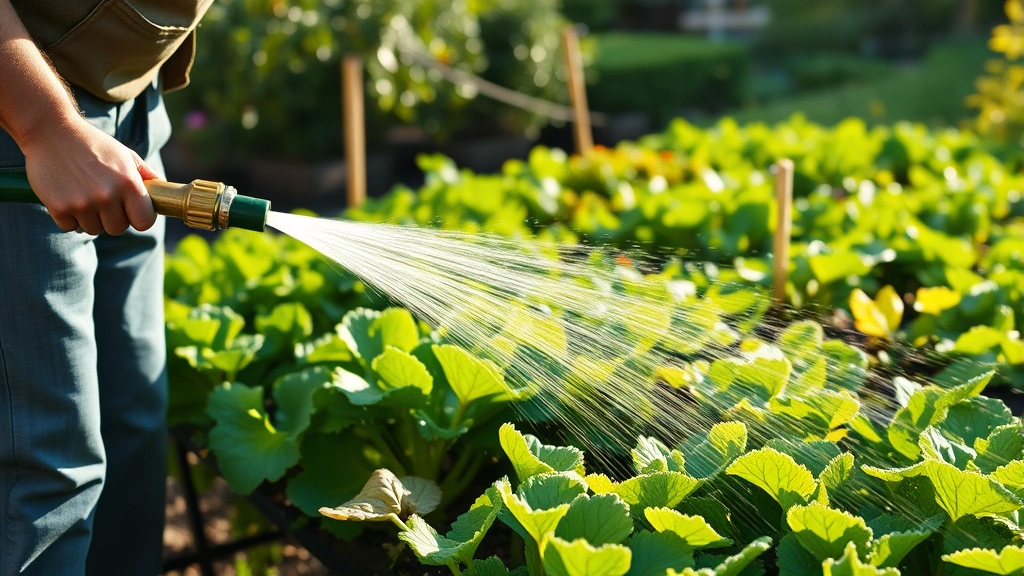
Best Garden Hoses at Lowe’s: Pro Picks Included
Finding the right garden hose can make or break your gardening experience. Whether you’re watering delicate seedlings, filling raised beds, or maintaining a sprawling landscape, a quality hose from Lowe’s delivers reliable performance when you need it most. The difference between a flimsy, kinked hose and a professional-grade option becomes painfully obvious after the first season of use.
At Lowe’s, you’ll find an impressive selection of garden hoses ranging from budget-friendly options to premium, heavy-duty models designed for serious gardeners. This guide walks you through the best choices available, highlighting features that matter and helping you select the perfect hose for your specific gardening needs. We’ve tested and researched top performers to give you confidence in your purchase.
Why Garden Hose Quality Matters for Your Plants
A superior garden hose protects your plants and saves time. Poor-quality hoses crack, leak, and kink frustratingly, wasting water and reducing water pressure when your plants need consistent hydration. When you’re setting up a DIY raised garden bed or establishing a new planting area, reliable watering infrastructure becomes essential from day one.
Quality hoses from Lowe’s maintain consistent water pressure, crucial for gentle watering of newly propagated plants and established perennials alike. A kinked or leaking hose forces you to use more water than necessary, increasing your utility bills while potentially under-watering your garden. Premium hoses resist UV damage, maintain flexibility in cold weather, and withstand punctures from garden tools and rough handling.
The investment in a quality hose pays dividends through multiple growing seasons. Lowe’s carries hoses specifically engineered to resist common problems: kinking, bursting, and material degradation. When you’re investing time and effort into your garden, the hose you choose becomes part of your success equation.
Key Features to Compare at Lowe’s
Before purchasing any garden hose at Lowe’s, understand these critical specifications:
- Diameter Size: Standard hoses measure 5/8 inch or 3/4 inch. The 3/4-inch diameter delivers higher water flow, ideal for filling large containers and irrigating extensive gardens. The 5/8-inch option weighs less and works perfectly for hand-watering and smaller properties.
- Length: Measure the distance from your water source to your farthest planting area. Common lengths range from 25 to 100 feet. Longer hoses require higher water pressure to maintain adequate flow at the nozzle.
- Material Construction: Rubber hoses offer superior durability and flexibility compared to vinyl. Reinforced rubber with multiple layers resists kinking and UV damage. Vinyl hoses cost less but deteriorate faster in direct sunlight.
- Burst Pressure Rating: This indicates maximum pressure the hose can withstand. Look for ratings above 300 PSI for residential use. Higher ratings mean greater safety margins and longer lifespan.
- Temperature Range: Quality hoses function reliably from freezing temperatures to extreme heat. Flexible hoses that remain supple in winter prevent cracking and splitting.
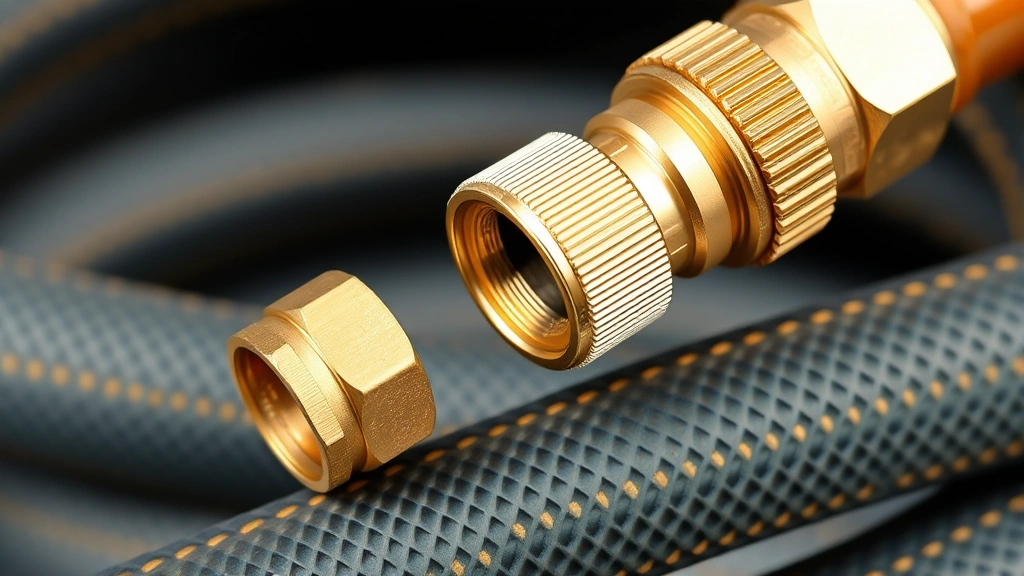
- Fitting Quality: Brass fittings outlast plastic connectors. Swivel connections reduce twisting and tangling, extending hose life significantly.
At Lowe’s, premium hoses typically feature reinforced construction with multiple rubber layers, brass swivel fittings, and UV-resistant coatings. These specifications directly correlate with durability and performance. Compare weight, flexibility, and fitting quality when examining options in-store or online.
Top Rated Garden Hoses Available at Lowe’s
Professional-Grade Heavy-Duty Options
Lowe’s stocks several premium hoses designed for demanding gardeners and professional landscapers. These hoses typically feature reinforced rubber construction, brass fittings, and burst ratings exceeding 500 PSI. They resist kinking effectively, remain flexible in cold weather, and tolerate rough treatment from garden tools and equipment. Expect to pay $40-80 for 50-foot lengths, but you’ll gain 5-7 years of reliable service.
The best heavy-duty options include models with crush-resistant construction and protective outer jackets. These prevent pinching and abrasion when hoses run under walkways or heavy equipment. Swivel connectors on both ends reduce frustration and extend fitting lifespan. Look for hoses with clear length markings, making it easy to locate the end when coiled.
Mid-Range Quality Hoses
Lowe’s mid-tier selection balances durability with affordability. These hoses typically feature reinforced rubber or hybrid construction, adequate burst ratings (300-400 PSI), and decent flexibility. You’ll find solid options in the $20-40 range for 50-foot lengths. These hoses work excellently for most residential gardeners who water regularly but don’t face extreme conditions.
Mid-range hoses from reputable manufacturers at Lowe’s often include features like UV protection, kink resistance, and brass fittings. While they may not match premium options in every specification, they deliver reliable performance through multiple seasons. Expect 3-5 years of service with reasonable care.
Budget-Friendly Starter Hoses
If you’re new to gardening or need a backup hose, Lowe’s carries affordable options under $20. These basic hoses work for light watering and occasional use but lack the durability of premium models. They kink more easily, may develop leaks after a season or two, and don’t tolerate rough handling. Consider these temporary solutions rather than long-term investments.
Hose Length and Material Considerations
Choosing the correct length prevents unnecessary waste and frustration. A hose that’s too short forces you to move water sources or carry buckets. An oversized hose becomes unwieldy, difficult to store, and loses water pressure over distance. Measure your garden layout carefully before purchasing.
For small urban gardens and container watering, 25-foot hoses provide adequate reach with minimal weight. Standard residential gardens typically require 50-foot hoses, balancing coverage with manageability. Large properties benefit from 75 or 100-foot options, though you may need multiple hoses to maintain adequate pressure.
Rubber hoses deliver superior performance compared to vinyl, particularly in extreme temperatures. Rubber remains flexible when frozen, preventing cracks that plague vinyl hoses in winter. In hot climates, rubber resists degradation and maintains integrity longer than vinyl. The extra cost for rubber construction pays dividends through extended lifespan.
Consider your climate when selecting material. Cold-weather gardeners absolutely need cold-resistant rubber hoses. In moderate climates, quality vinyl hoses work acceptably. Gardeners in intense sun benefit from UV-resistant rubber with protective outer coatings.
Reinforced construction with multiple layers distinguishes quality hoses from inferior models. Three-layer or four-layer construction provides better kink resistance and burst protection than single-layer designs. When examining hoses at Lowe’s, feel the thickness and flexibility to gauge quality.
Maintenance Tips for Longevity
Proper maintenance extends your hose investment significantly. Even premium hoses deteriorate faster without basic care. Establish simple habits that protect your equipment:
- Drain After Use: Always drain your hose immediately after watering. Water left inside promotes mold growth, freezing damage in winter, and corrosion of internal fittings. Hang hoses vertically or coil them with the lower end down to allow complete drainage.
- Prevent Kinking: Never bend hoses sharply or leave them kinked overnight. Kinks weaken the rubber or vinyl, creating permanent damage and leak points. When storing, coil hoses loosely in figure-eight patterns to prevent stress on any single section.
- Protect from Sun: Store hoses in shade whenever possible. UV rays degrade rubber and vinyl over time, causing brittleness and cracking. Use hose storage boxes or hang hoses on shaded walls during off-seasons. Even during growing season, avoid leaving hoses exposed to direct sun for extended periods.
- Check Fittings Regularly: Inspect brass fittings monthly for leaks or corrosion. Tighten connections as needed. Replace damaged fittings immediately to prevent water loss and further deterioration.
- Remove Debris: Before storing, rinse hoses thoroughly to remove dirt, algae, and debris that accumulate inside. This prevents blockages and maintains water flow quality.
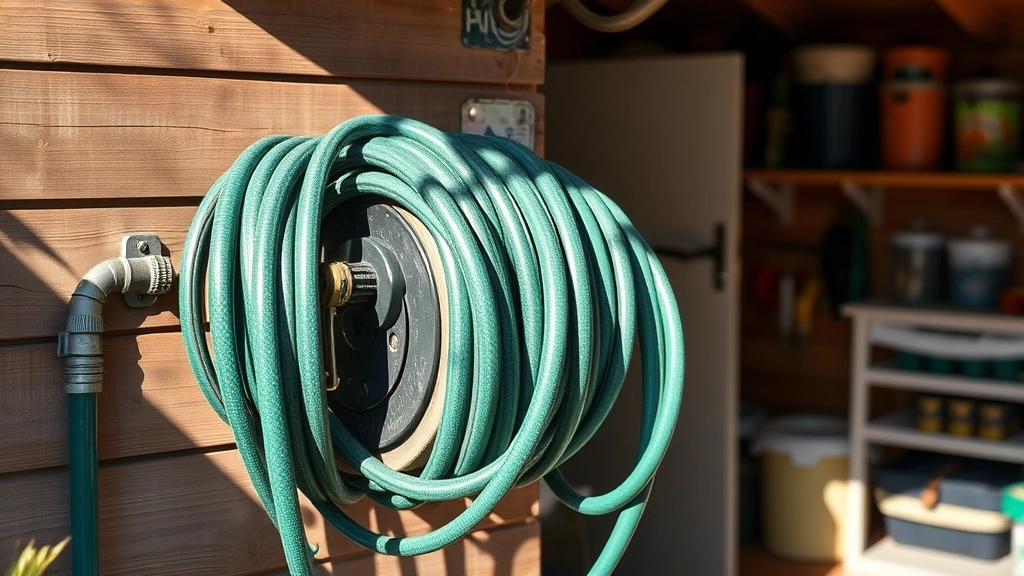
- Use Hose Reels: Invest in a quality reel to store your hose properly. Reels prevent kinking, protect hoses from sun and debris, and make watering more convenient. Lowe’s carries excellent reel options at reasonable prices.
Regular inspection catches problems early. Small leaks at fittings can be repaired with replacement connectors, extending hose life. Address cracks or splits immediately to prevent water waste and pressure loss.
Seasonal Storage and Winter Preparation
Winter storage requires special attention to prevent freeze damage. In cold climates, water inside hoses freezes, expanding and rupturing the walls. Proper winter preparation protects your investment:
Before the first frost, drain hoses completely and store them indoors. Basements, garages, or sheds work well, providing protection from freezing temperatures and UV exposure. Coil hoses loosely to prevent permanent creasing. Never store hoses compressed in tight spaces.
If you maintain a rain garden or other water feature, disconnect hoses from outdoor spigots and bring them inside before winter. Leaving hoses connected can damage both the hose and your home’s water system as ice expands.
In mild climates where freezing rarely occurs, you can leave quality hoses outside year-round with proper storage. Hang them on wall-mounted reels in shaded locations. Even in mild climates, draining hoses prevents mold and keeps them ready for use.
Spring preparation involves inspecting hoses for winter damage before reconnecting them. Look for cracks, brittleness, or fitting corrosion. Replace any hoses showing damage rather than risking leaks during peak growing season.
Budget vs. Premium Options
The decision between budget and premium hoses depends on your gardening intensity and climate conditions. Casual gardeners who water occasionally can manage with mid-range hoses from Lowe’s. Serious gardeners and those in challenging climates benefit significantly from premium options.
Calculate total cost of ownership rather than just upfront price. A $50 premium hose lasting six years costs roughly $8 annually. A $15 budget hose lasting one year costs $15 annually. Premium options typically deliver better value over time.
Consider your specific needs carefully. If you’re establishing a new garden soil bed and starting fresh with your watering system, invest in quality. The hose becomes part of your garden infrastructure for years. If you need a temporary solution while traveling or waiting for permanent irrigation, budget options suffice.
Lowe’s frequently runs sales on garden hoses, particularly in spring and fall. Watch for seasonal promotions that let you purchase premium hoses at reduced prices. Buying quality during sales combines the best of both approaches: superior durability at reasonable cost.
Don’t overlook warranty coverage when comparing options. Premium hoses often include multi-year warranties covering defects. Budget hoses rarely offer warranties. Warranty protection indicates manufacturer confidence in product quality.
FAQ
What size garden hose should I buy at Lowe’s?
Most residential gardeners need 5/8-inch diameter hoses, which balance water flow with weight and handling ease. Choose 3/4-inch if you need maximum flow for filling large containers or irrigating extensive areas. Measure from your water source to your farthest plants to determine required length, typically 50 feet for average properties.
How long do quality garden hoses last?
Premium rubber hoses from Lowe’s typically last 5-7 years with proper maintenance. Mid-range hoses provide 3-5 years of service. Budget hoses rarely exceed 1-2 years. Lifespan depends heavily on climate, storage practices, and usage intensity. Proper drainage and sun protection extend hose life significantly.
Are rubber hoses worth the extra cost compared to vinyl?
Yes, for most gardeners. Rubber hoses remain flexible in cold weather, resist UV damage better, and tolerate rough handling. Vinyl hoses cost less initially but degrade faster, especially in cold or sunny climates. The durability difference justifies the premium, particularly if you live in extreme climates.
Can I repair a leaking garden hose?
Small leaks at fittings can be fixed by tightening connections or replacing the fitting. Pinhole leaks in the hose body can be temporarily patched with repair tape, but replacement is typically the better solution. Leaks waste water and indicate the hose is nearing end-of-life.
Should I drain my hose after every use?
Yes, absolutely. Draining prevents mold growth, freezing damage, and internal corrosion. It takes just minutes and dramatically extends hose lifespan. Always drain before storing, especially before winter or extended periods without use.
What’s the best way to store a garden hose?
Use a hose reel or hang hoses on a wall-mounted bracket in shade. Coil hoses loosely in figure-eight patterns to prevent kinking. Never store hoses in direct sunlight or compressed in tight spaces. During winter in cold climates, store hoses indoors to prevent freeze damage.
Does Lowe’s carry soaker hoses and specialty options?
Yes, Lowe’s stocks soaker hoses for drip irrigation and water-conscious gardeners. These deliver water directly to soil, reducing waste and promoting healthy plant growth. Specialty options include expandable hoses, flat hoses for storage, and hoses with built-in filters.


