Grow Sweet Tea Plants? Expert Gardener’s Advice
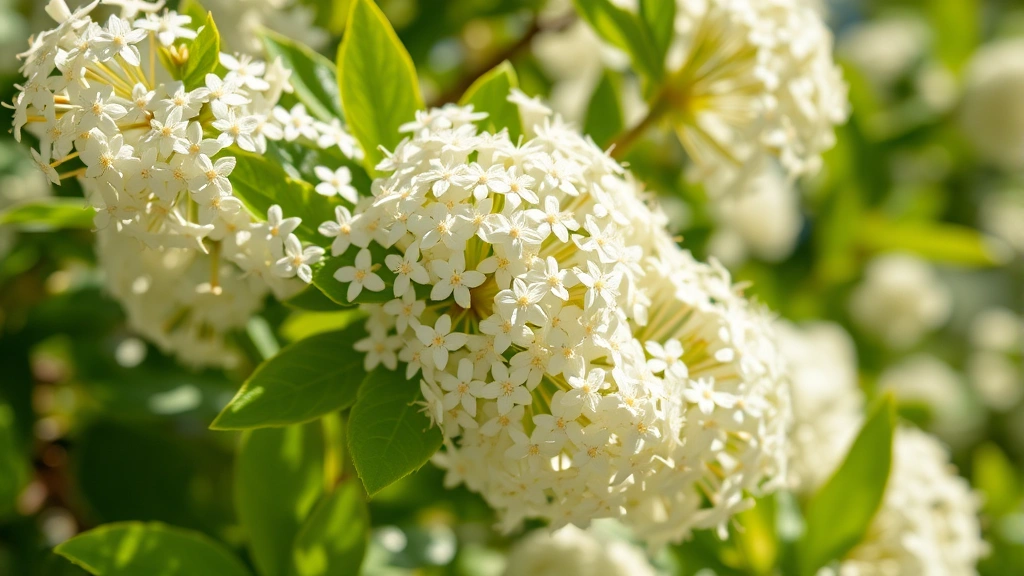
Sweet tea plants, scientifically known as Osmanthus fragrans, are becoming increasingly popular among home gardeners who want to cultivate their own tea ingredients. These evergreen shrubs produce delicate, fragrant flowers that can be dried and brewed into a naturally sweet beverage without added sugars. Growing sweet tea plants requires understanding their specific needs, from soil composition to climate preferences, but the reward of harvesting your own homegrown tea makes the effort worthwhile.
Whether you’re an experienced gardener looking to expand your edible landscape or a beginner eager to start your first tea garden, this comprehensive guide will walk you through every step of successfully growing and maintaining sweet tea plants. We’ll explore the best practices for planting, nurturing, and harvesting these fragrant shrubs so you can enjoy fresh, aromatic tea from your own backyard.
Understanding Sweet Tea Plants
Sweet tea plants are not the same as the traditional Camellia sinensis used for commercial tea production. Instead, Osmanthus fragrans produces small, intensely fragrant flowers that naturally contain sweet compounds. These flowers have been used in Asian tea traditions for centuries, prized for their delicate apricot-like aroma and subtle sweetness. The plant itself is an attractive ornamental shrub that can reach 6 to 10 feet tall, making it both functional and beautiful in your garden landscape.
The appeal of growing sweet tea plants lies in their dual purpose: they serve as decorative landscaping elements while also providing a continuous harvest of tea flowers during the blooming season. Unlike many specialty tea plants, sweet tea plants are relatively forgiving for home gardeners and don’t require the intensive care needed for traditional tea production. Understanding the plant’s botanical characteristics and growth patterns will help you make informed decisions about placement and care.
Sweet tea plants produce flowers in clusters that bloom in spring and fall, depending on your climate zone. The flowers are tiny, often hidden among the foliage, but their fragrance is unmistakable and fills the entire garden area. This fragrance intensity is what makes the tea so special—a small handful of dried flowers can flavor an entire pot of hot water.
Climate and Location Requirements
Sweet tea plants thrive in USDA hardiness zones 8 through 11, making them suitable for most southern and coastal regions of the United States. If you live in cooler climates, you can still grow these plants in containers and move them indoors during winter months. The key is providing consistent warmth and protection from harsh freezes that can damage or kill the plant.
When selecting a location in your garden, choose a spot that receives partial shade to full sun. While sweet tea plants can tolerate full sun, they perform better with afternoon shade in hotter climates, which prevents leaf scorch and reduces water stress. A location receiving 4 to 6 hours of direct sunlight daily is ideal for promoting flowering while protecting the plant from extreme heat.
Wind exposure is another consideration when planning your sweet tea garden. While these plants are reasonably wind-tolerant, strong winds can damage delicate flowers and increase water loss from foliage. Planting near a windbreak, such as a fence or larger shrubs, provides protection without restricting necessary air circulation that prevents fungal issues.
Temperature fluctuations during late winter can be problematic for sweet tea plants, particularly sudden warm spells followed by hard freezes. In zones 8 and 9, choose a location protected from northern exposure where morning sun won’t cause rapid temperature changes. This protection becomes increasingly important if you’re gardening at the northern edge of the plant’s hardiness range.
Soil Preparation and Garden Setup
Proper soil preparation for a thriving garden is fundamental to sweet tea plant success. These plants prefer slightly acidic to neutral soil with a pH between 6.0 and 7.0. Before planting, conduct a soil test through your local USDA extension service to determine your soil’s current pH and nutrient levels.
The best soil for a garden bed growing sweet tea plants should be well-draining yet retain adequate moisture. Sweet tea plants struggle in poorly draining soils that promote root rot, so amending heavy clay soils with compost, peat moss, or coconut coir is essential. Aim for a soil composition of 40% existing soil, 30% compost, and 30% drainage amendment.
If you’re establishing a dedicated tea garden, consider creating raised beds 12 to 18 inches deep filled with quality garden soil mixed with organic matter. Raised beds offer superior drainage control and make harvesting more comfortable. For in-ground planting, dig a hole twice as wide as the root ball and equally deep, ensuring the plant sits at the same depth it occupied in its nursery container.
Incorporating organic matter into your planting area improves soil structure, enhances microbial activity, and provides slow-release nutrients. Well-rotted compost, aged bark mulch, and leaf mold all contribute to creating the ideal growing environment. Add these amendments not just to the planting hole but to a wider area around where your sweet tea plants will grow.
Planting Your Sweet Tea Shrubs
The best time to plant sweet tea shrubs is in spring after the last frost or in fall before the first hard freeze. Spring planting allows the plant to establish roots throughout the growing season, while fall planting works well in warm climates where winter temperatures remain mild. Avoid planting during summer heat stress or winter dormancy periods.
When planting container-grown sweet tea plants, gently remove them from their pots and carefully loosen the root ball to encourage outward root growth. If roots are tightly bound, make several vertical cuts along the root ball to encourage new root development into surrounding soil. Position the plant so the top of the root ball is level with the ground surface—planting too deep can cause stem rot.
Space multiple sweet tea plants at least 4 to 6 feet apart to allow mature growth without crowding. Adequate spacing improves air circulation, reduces disease pressure, and makes harvesting easier. After planting, water thoroughly to settle the soil and eliminate air pockets around the roots.
Apply 2 to 3 inches of mulch around the base of newly planted shrubs, keeping it several inches away from the stem to prevent rot. Mulch helps retain soil moisture, regulates soil temperature, and suppresses weeds that compete for nutrients. Use organic mulches like shredded bark or wood chips that break down over time and improve soil structure.
Watering and Moisture Management
Newly planted sweet tea shrubs require consistent moisture during their first growing season as they establish their root systems. Water deeply two to three times weekly, providing enough moisture to penetrate 6 to 8 inches into the soil. Once established, reduce watering frequency but maintain consistent soil moisture—neither waterlogged nor completely dry.
The key to successful watering is understanding your specific soil and climate conditions. Sandy soils require more frequent watering than clay soils. In hot, dry climates, you may need to water weekly even for established plants. In cooler regions with regular rainfall, supplemental watering may only be necessary during extended dry periods.
Water at the base of the plant rather than overhead to minimize fungal disease risk and ensure moisture reaches the roots. Morning watering is ideal, allowing any accidental foliage wetting to dry quickly in the sun. During winter dormancy in cooler zones, reduce watering significantly but don’t allow the soil to become completely dry.
Mulching helps regulate soil moisture by reducing evaporation and keeping roots cooler during hot weather. In regions with heavy rainfall, ensure your planting location has adequate drainage to prevent water accumulation that stresses the plant. If you notice yellowing leaves or soft stems, these often indicate overwatering and poor drainage.
Fertilizing for Optimal Growth
Sweet tea plants benefit from regular garden fertilizer applications during the growing season. A balanced, slow-release fertilizer formulated for ornamental shrubs provides consistent nutrition without excessive nitrogen that promotes leafy growth at the expense of flowers. Apply fertilizer in early spring as new growth emerges and again in midsummer.
Organic fertilizer options include compost tea, fish emulsion, or granular organic fertilizers with NPK ratios around 10-10-10 or 5-10-10. These formulations encourage flowering while providing necessary micronutrients. Follow product instructions for application rates, as over-fertilizing can damage roots and reduce flower production.
If your soil test indicated nutrient deficiencies, address specific needs with targeted amendments. Iron deficiency, common in alkaline soils, causes yellowing between leaf veins and can be corrected with chelated iron applications. Magnesium deficiency similarly causes interveinal yellowing and responds well to Epsom salt applications at a rate of one tablespoon per plant twice yearly.
Avoid high-nitrogen fertilizers that promote excessive vegetative growth at the expense of flower production. Sweet tea plants grown primarily for tea harvest should receive slightly higher phosphorus and potassium to encourage abundant flowering. Reduce or eliminate fertilizer applications in fall to allow the plant to prepare for winter dormancy.
Pruning and Maintenance
Regular pruning keeps sweet tea plants attractive, promotes denser growth, and encourages more abundant flowering. Prune in late winter or early spring before new growth emerges, removing any dead, diseased, or damaged branches. Light pruning of the branch tips encourages branching and creates a fuller, bushier plant structure.
Sweet tea plants can be shaped into formal structures like standards or topiaries, though informal pruning suits most home gardens. Remove crossing branches and thin out crowded interior growth to improve air circulation and light penetration. This opens the plant’s canopy, making flower harvesting easier and reducing disease pressure.
Similar to how to prune hydrangea bushes, sweet tea plants respond well to rejuvenation pruning if they become overgrown. You can cut back mature plants to 12 to 18 inches above ground level in early spring, and they’ll regrow vigorously with renewed vigor. However, this severe pruning sacrifices one season’s flowering, so consider your priorities before proceeding.
Deadheading spent flowers encourages continued blooming throughout the season. While you’ll be harvesting many flowers for tea, removing any remaining faded blooms redirects the plant’s energy toward new flower production rather than seed development. This simple maintenance task significantly extends your harvest window.
Harvesting and Drying Tea Flowers
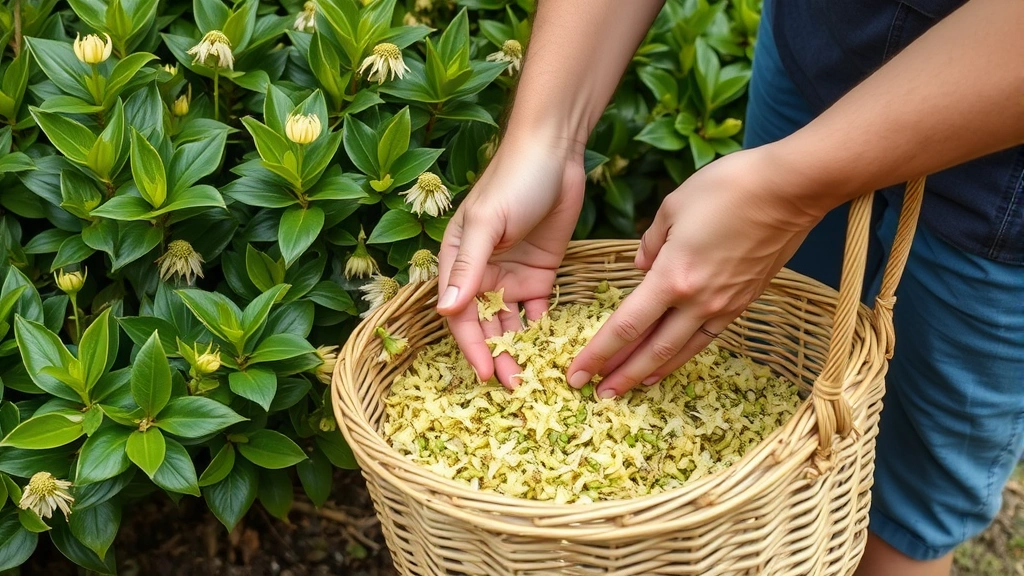
Sweet tea flowers are ready to harvest when they’re fully open but still fresh and fragrant. Morning harvesting, after dew dries but before afternoon heat, captures the flowers at peak fragrance. Gently pinch or cut flower clusters from the branches, placing them in a basket or cloth bag to prevent bruising.
Harvest flowers selectively rather than stripping entire branches, ensuring the plant continues growing and producing. A mature, healthy plant can sustain regular harvesting throughout the blooming season without suffering harm. Leave enough flowers on the plant to maintain its ornamental appeal and allow some to mature for seed production if desired.
Drying flowers preserves their flavor and aroma for year-round tea enjoyment. Spread harvested flowers in a single layer on paper or cloth in a warm, dry, well-ventilated location away from direct sunlight. A temperature between 70 and 85 degrees Fahrenheit is ideal for drying without destroying delicate flavor compounds. Depending on humidity, flowers typically dry completely within 7 to 14 days.
Store dried flowers in airtight containers in a cool, dark location to maintain freshness. Properly dried and stored sweet tea flowers retain their fragrance and flavor for up to one year. To brew tea, steep a small handful of dried flowers in hot water for 3 to 5 minutes, adjusting steeping time to personal preference. The naturally sweet flavor requires no additional sweetening.
Common Pests and Disease Solutions
Sweet tea plants are relatively pest-resistant, but several common garden pests occasionally cause problems. Spider mites thrive in hot, dry conditions and cause fine webbing and speckled foliage. Combat infestations by increasing humidity through regular misting and applying horticultural oils or insecticidal soaps according to product directions.
Scale insects sometimes colonize sweet tea plants, appearing as small brown bumps on stems and foliage. Hand-pick visible scales or treat with horticultural oil sprays applied in late winter when the plant is dormant. For heavy infestations, neem oil applications at 10-day intervals effectively control populations.
Root rot, the most serious disease threat, develops in poorly draining soils with excessive moisture. Prevention through proper soil preparation and careful watering is far more effective than treatment. If root rot develops, improve drainage immediately and reduce watering frequency. Severely affected plants may require removal and replacement with fresh specimens.
Leaf spot fungi occasionally appear during humid conditions with poor air circulation. Improve drainage around foliage by pruning interior branches, spacing plants adequately, and avoiding overhead watering. Remove affected leaves promptly and apply fungicide sprays if disease pressure becomes severe. Most infections remain minor and don’t significantly impact plant health.
Powdery mildew, though uncommon on sweet tea plants, may develop during cool, humid spring or fall weather. Improve air circulation through pruning, ensure plants receive adequate sunlight, and avoid overhead watering. Sulfur-based fungicides effectively control powdery mildew if it appears, but prevention is always preferable to treatment.

FAQ
Can I grow sweet tea plants indoors?
Sweet tea plants can be grown in containers indoors in bright locations receiving 4 to 6 hours of direct sunlight daily. Place containers near south-facing windows and rotate them regularly for even growth. Indoor plants require careful watering to prevent root rot and benefit from occasional misting to increase humidity. However, flowering may be reduced indoors compared to outdoor plants due to lower light levels.
How long before my sweet tea plant produces flowers?
Nursery-grown sweet tea plants typically produce flowers within their first year of planting if they were already flowering when purchased. Younger plants may take 2 to 3 years to reach flowering maturity. Once established, plants flower reliably during spring and fall, with more prolific blooming as the plant matures and becomes stronger.
What’s the difference between spring and fall flowering?
Spring flowering occurs as temperatures warm and day length increases, while fall flowering is triggered by cooling temperatures and shorter days. In warmer climates, fall flowering often produces more abundant blooms because summer heat stress is relieved. Spring flowering may be lighter due to winter dormancy effects, but both seasons provide harvestable flowers for tea production.
Do I need multiple plants for adequate tea production?
A single mature sweet tea plant produces sufficient flowers for regular tea enjoyment, typically yielding several harvests throughout the blooming season. However, growing multiple plants ensures continuous supply if you’re an avid tea drinker or want to share dried flowers with friends. Multiple plants also create a more dramatic landscape display and provide backup if one plant experiences problems.
Can sweet tea plants survive winter in cold climates?
Sweet tea plants are hardy only to USDA zone 8, so gardeners in colder regions must grow them in containers and move them indoors during winter. Place containers in bright, cool locations (around 50 to 60 degrees Fahrenheit) and reduce watering significantly during dormancy. Move plants back outdoors after the last frost in spring. With this container gardening approach, even cold-climate gardeners can successfully grow sweet tea plants.
What soil pH do sweet tea plants prefer?
Sweet tea plants prefer slightly acidic to neutral soil with a pH between 6.0 and 7.0. If your soil tests higher than 7.0, amend it with sulfur or peat moss to lower pH. If it’s below 6.0, add lime to raise pH. Most garden soils naturally fall within the acceptable range, but testing ensures you’re providing optimal growing conditions for healthy, productive plants.
How much sunlight do sweet tea plants need?
Sweet tea plants thrive with 4 to 6 hours of direct sunlight daily, though they can tolerate full sun in cooler climates. In hot regions, afternoon shade protects foliage from scorching and reduces water stress. Morning sun exposure helps dry dew and prevents fungal issues, making east or southeast-facing locations ideal for most climates.


