Garden State Plants? Expert Shopping Guide for New Jersey Gardeners
Finding quality plants and gardening supplies in New Jersey requires knowing where to look and what to expect from local nurseries, garden centers, and specialty retailers. Whether you’re a seasoned gardener or just starting your first vegetable patch, the Garden State offers abundant resources for plant shopping. This comprehensive guide walks you through the best strategies for sourcing healthy plants, quality tools, and expert advice right in your backyard.
New Jersey’s diverse climate zones and rich gardening tradition mean you’ll find excellent options whether you’re searching for perennials, annuals, vegetables, or specialty plants. Shopping locally supports small businesses while giving you access to plants already acclimated to regional growing conditions. The key is knowing which retailers offer the best selection, pricing, and expertise for your specific gardening needs.
Understanding New Jersey’s Growing Zones
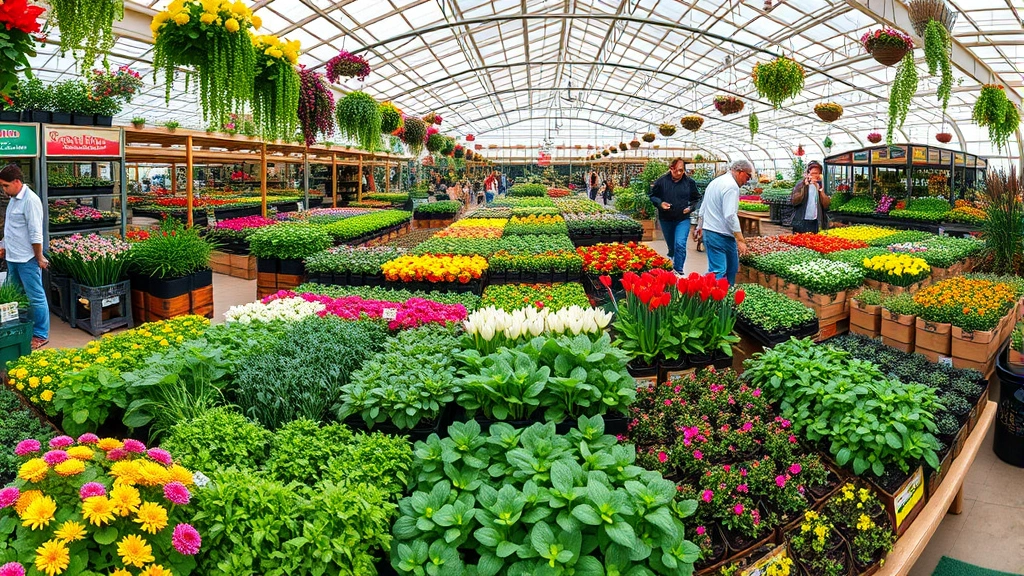
New Jersey spans USDA hardiness zones 6a to 7b, which dramatically affects plant selection and availability at local retailers. Northern regions near the Delaware Water Gap experience colder winters and shorter growing seasons, while southern areas near the shore enjoy milder temperatures and extended growing periods. Understanding your specific zone helps you purchase plants that will thrive in your location rather than struggling through seasons they weren’t designed for.
Local nurseries in New Jersey stock plants specifically selected for regional success. When shopping, ask staff about plants suited to your zip code’s microclimate. This local expertise is invaluable when selecting perennials, trees, and shrubs that will return year after year. Many independent garden centers maintain detailed knowledge about frost dates, soil conditions, and seasonal challenges specific to their neighborhoods.
The USDA Plant Hardiness Zone Map provides detailed information about your specific growing zone. Knowing whether you’re in zone 6a, 6b, 7a, or 7b ensures you purchase plants rated for winter survival in your area. This prevents frustration and wasted money on plants that won’t survive New Jersey winters.
Local Nurseries vs. Big Box Garden Centers
New Jersey offers excellent local independent nurseries alongside major retailers like Home Depot and Lowe’s. Each option has distinct advantages depending on your shopping priorities and plant needs. Independent nurseries typically employ experienced horticulturists who provide personalized recommendations, while big box stores offer competitive pricing and convenient locations.
Independent nurseries excel at providing:
- Expert staff who understand regional growing conditions
- Rare and specialty plants unavailable at chain stores
- Higher quality plant specimens with longer shelf lives
- Customized advice for specific growing challenges
- Support for local businesses and sustainable practices
Big box garden centers provide:
- Lower prices and frequent sales
- Convenient locations and extended hours
- Wide selection of common plants and supplies
- Bulk purchasing options for larger projects
- Return policies and guarantees
The best shopping strategy combines both options. Purchase specialty plants and get expert advice at local nurseries, then buy common supplies like soil, mulch, and basic tools at competitive prices from larger retailers. This approach maximizes quality while managing your budget effectively.
What to Look for When Buying Plants
Healthy plants are the foundation of gardening success, regardless of where you shop. Knowing what to inspect before purchasing prevents bringing diseased or stressed plants into your garden. Check for vibrant foliage, sturdy stems, and a healthy root system before committing to any purchase.
Examine leaves carefully for:
- Bright, uniform color without yellowing or brown spots
- No visible insects, webbing, or pest damage
- Firm texture without wilting or drooping
- No signs of fungal infections or disease
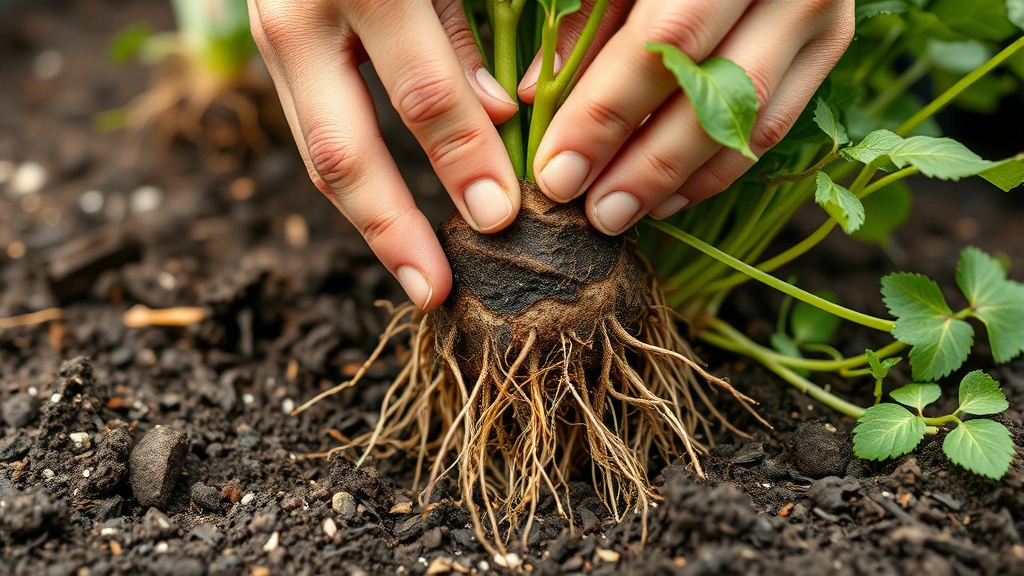
Inspect the root system by gently tipping the pot. Roots should be white or light brown and fill the soil without circling excessively around the pot. Avoid plants with roots growing through drainage holes or completely bound in the container. Slightly root-bound plants are acceptable, but severely bound roots indicate the plant has waited too long for purchase.
Check soil moisture without squeezing the pot excessively. Soil should feel slightly moist, not soggy or bone dry. Overly wet soil suggests poor drainage or overwatering, while completely dry soil indicates neglect. Ask staff when plants were last watered to gauge their care quality.
When shopping for vegetables, look for stocky seedlings with true leaves rather than just cotyledons. Leggy, stretched plants indicate inadequate light during growing. Strong, compact vegetable starts establish faster and produce better yields than weak seedlings. For easy to grow vegetables for beginners, local nurseries often have proven regional varieties in stock.
Specialty Plant Retailers in the Garden State
New Jersey hosts numerous specialty nurseries catering to specific plant interests and gardening styles. Whether you’re seeking native plants for pollinator gardens, perennials for shade, or vegetables for container growing, specialized retailers offer expertise and selection you won’t find at general garden centers.
Native plant nurseries focus on plants naturally occurring in New Jersey ecosystems. These specialists understand which species support local pollinators, require minimal maintenance, and thrive in regional soil conditions. Native plants reduce watering needs, eliminate pesticide requirements, and create wildlife habitat while beautifying your landscape. The New Jersey Department of Environmental Protection maintains resources for native plant gardening.
Perennial specialists stock extensive collections of long-lived flowering plants suitable for New Jersey gardens. These retailers understand which perennials bloom at specific times, prefer sun or shade, and return reliably each season. Purchasing from perennial specialists ensures you get varieties proven for the region rather than generic catalog plants.
Vegetable and herb specialists cater to food gardeners interested in growing produce and culinary herbs. These nurseries stock early-season transplants, succession-planting varieties, and unusual cultivars you won’t find elsewhere. Staff can advise on spacing, fertilizing, and harvesting. Many herb specialists also carry herb garden supplies and specialty seeds.
Orchid and tropical plant specialists serve collectors interested in exotic specimens. These retailers provide climate-controlled environments and expert care instructions for plants requiring specific humidity and temperature conditions. Shopping at tropical specialists ensures you receive plants acclimated to indoor growing and staff trained in their specialized care.
Essential Tools and Supplies Shopping
Quality gardening tools and supplies directly impact your gardening success and enjoyment. Investing in well-made equipment pays dividends through years of reliable use. New Jersey retailers stock everything from basic hand tools to specialized equipment for specific gardening tasks.
Essential hand tools include:
- Spade for digging and edging
- Shovel for moving soil and mulch
- Hoe for weeding and cultivating
- Rake for leveling and debris removal
- Trowel for planting and small-scale work
- Pruners for cutting and deadheading
- Hand fork for loosening soil
Wearing proper garden gloves protects your hands while improving grip and dexterity. Quality gloves prevent blisters, splinters, and soil-borne infections while allowing you to work comfortably for extended periods. Look for gloves with reinforced palms, breathable materials, and proper sizing for your hands.
Watering equipment is essential in New Jersey’s variable climate. A quality best garden hose withstands weather extremes and delivers water efficiently. Choose hoses rated for your climate zone, with kink-resistant construction and durable fittings. Soaker hoses reduce water waste by delivering moisture directly to plant roots rather than foliage.
Soil amendments and fertilizers support plant health throughout the growing season. Compost improves soil structure and adds nutrients, while mulch conserves moisture and moderates soil temperature. Balanced fertilizers provide essential nutrients without overfeeding plants. Local retailers stock amendments formulated for New Jersey’s soil conditions.
For container gardeners, quality potting soil and containers are critical. Raised garden beds, particularly cedar raised garden beds, provide excellent growing environments for vegetables and flowers. Cedar naturally resists decay and offers longevity without chemical treatments. Quality containers include drainage holes and materials that withstand New Jersey weather.
Seasonal Buying Strategy
Timing your plant purchases according to New Jersey’s growing seasons maximizes availability, quality, and pricing. Spring and fall offer the best selections and plant health, while summer and winter present challenges and limited options. Understanding seasonal patterns helps you plan purchases strategically.
Spring (March-May) is peak planting season in New Jersey. Nurseries stock maximum inventory of annuals, perennials, vegetables, and trees. Soil has warmed sufficiently for planting, and plants have the entire growing season to establish. Prices are highest during peak season, but selection is unmatched. Plan major planting projects for spring when plant quality and availability peak.
Early summer (June) offers final spring plantings and transition to summer-blooming selections. Tender annuals and warm-season vegetables reach stores as frost danger passes. Prices remain relatively high, but selection remains excellent. This is an ideal time for planting how to grow cucumbers in pots and other heat-loving crops.
Late summer (July-August) presents challenges as heat stresses plants and nurseries focus on fall inventory. Selection narrows as spring inventory clears. However, late summer is ideal for planting fall crops and purchasing perennials at reduced prices as summer bloomers finish. Patient shoppers find excellent deals during this slow season.
Fall (September-November) offers the second-best planting season in New Jersey. Nurseries stock fall-blooming plants, spring bulbs, and trees for autumn planting. Cooler temperatures reduce transplant shock and allow roots to establish before winter dormancy. Fall is ideal for planting perennials, shrubs, and trees that benefit from winter dormancy. Prices drop as spring approaches, offering excellent value.
Winter (December-February) is the slowest gardening season with minimal plant inventory. Many nurseries operate limited hours or close temporarily. However, winter is excellent for planning next season’s garden, purchasing bare-root trees and shrubs, and shopping for tools and supplies with clearance pricing. Gift certificates from local nurseries make excellent winter presents for gardeners.
Online Options for New Jersey Gardeners
Online plant shopping supplements local retailers, offering access to specialty plants and convenient home delivery. However, shipping plants requires careful consideration to ensure they arrive healthy. Several reputable online retailers ship to New Jersey with excellent customer service and plant guarantees.
National mail-order nurseries offer extensive selections of perennials, shrubs, and trees unavailable at local retailers. These companies specialize in shipping dormant plants or well-established specimens that survive shipping better than actively growing plants. Spring and fall are ideal times for mail-order purchases when plants are dormant or recently established.
Seed companies provide access to vegetable and flower varieties suited to New Jersey’s growing conditions. Many catalog companies offer regional recommendations and detailed growing information. Starting plants from seed is economical and offers unmatched variety selection. Order seeds in late winter for spring planting.
Online marketplaces connect local growers with customers, offering fresh plants with minimal shipping time. These platforms reduce environmental impact while supporting small businesses. Check seller ratings and shipping policies to ensure quality plants arrive in good condition.
When ordering plants online, verify shipping dates align with New Jersey’s planting windows. Spring orders should arrive after last frost dates (approximately May 15 in northern New Jersey, May 1 in southern areas). Fall orders should arrive with sufficient time for root establishment before hard freezes. Request delivery timing that matches your regional frost dates.
FAQ
What is the best time to buy plants in New Jersey?
Spring (March-May) and fall (September-November) offer the best plant selection, quality, and establishment success. Late spring and early fall provide ideal growing conditions for newly planted specimens to develop strong root systems before challenging seasons.
Should I shop at local nurseries or big box retailers?
Both serve different purposes. Local nurseries provide expert advice and specialty plants, while big box stores offer competitive pricing and convenience. Combine both options by purchasing specialty plants at independent nurseries and bulk supplies at larger retailers.
How do I know if a plant is healthy before purchasing?
Examine foliage for vibrant color and absence of spots or insects. Check the root system by gently tipping the pot—roots should be white and fill the soil without excessive circling. Avoid wilted, yellowed, or pest-infested plants regardless of price.
What USDA hardiness zone is New Jersey?
New Jersey spans zones 6a to 7b depending on location. Northern regions are cooler (zone 6a-6b) while southern areas are milder (zone 7a-7b). Check your specific zip code on the USDA Plant Hardiness Zone Map to determine which plants survive your winter conditions.
Are online plant purchases reliable?
Reputable mail-order nurseries ship healthy plants with guarantees. Choose established companies with positive customer reviews. Spring and fall are best for online orders when dormant plants ship safely. Verify shipping dates align with your regional frost dates for optimal establishment.