Effective Garden Remedies: Melrose Expert Insights
Gardening in the Melrose area presents unique challenges and opportunities shaped by New England’s climate patterns, soil conditions, and seasonal variations. Whether you’re managing pests, disease, or nutrient deficiencies, understanding time-tested remedies can transform your gardening experience from frustration to flourishing plants. Local horticultural experts have developed practical solutions that work specifically for Melrose gardens, drawing on generations of regional gardening knowledge and modern sustainable practices.
This comprehensive guide explores proven garden remedies that address common plant problems while maintaining soil health and environmental responsibility. From natural pest control to disease prevention strategies, these expert-backed solutions help you cultivate a thriving garden without relying solely on synthetic chemicals. Learn how Melrose gardeners successfully tackle seasonal challenges and create resilient growing spaces.
Natural Pest Control Solutions
Melrose gardeners face common pest challenges including aphids, Japanese beetles, spider mites, and slugs. Rather than reaching for broad-spectrum pesticides, local experts recommend integrated pest management strategies that prioritize natural remedies while maintaining beneficial insect populations.
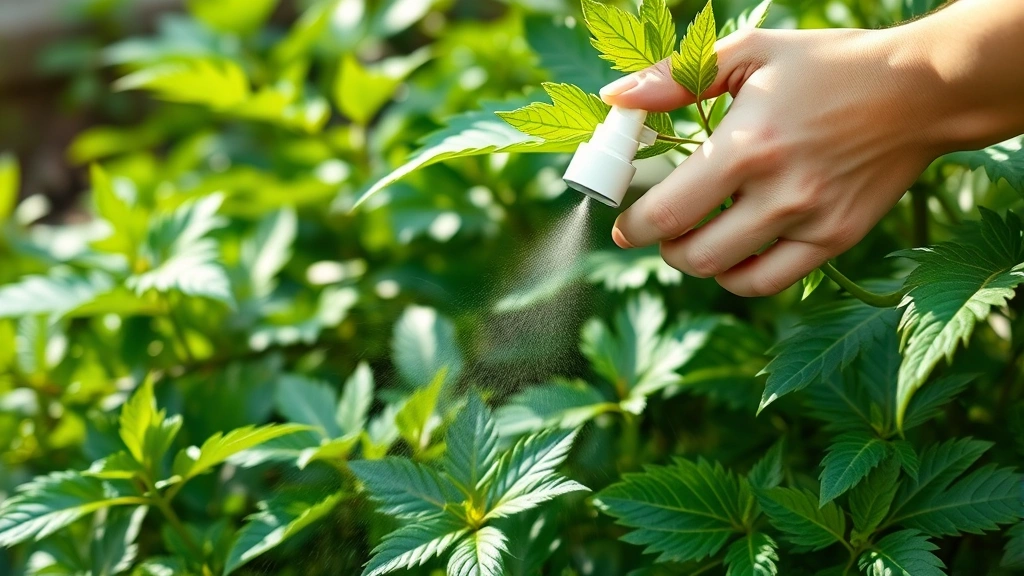
Neem oil spray stands as one of the most effective natural remedies for controlling soft-bodied insects. This plant-derived product disrupts insect feeding and reproduction cycles without harming pollinators when applied correctly. Mix neem oil according to package directions and spray during early morning or late evening hours, ensuring thorough coverage of both leaf surfaces. Apply every 7-10 days as needed, but avoid application during extreme heat or when beneficial insects like bees are actively foraging.
For slug and snail management, Melrose experts recommend a multi-pronged approach. Create barriers using proper garden gloves when hand-picking these pests during early morning or evening hours. Copper tape around container rims provides an effective physical barrier, as slugs avoid crossing copper surfaces. Beer traps—shallow containers filled with beer sunk into soil—attract and drown slugs effectively. Additionally, encouraging ground beetles and toads through habitat creation provides natural predation.
The horticultural oil remedy proves invaluable for controlling overwintering pest eggs and soft-bodied insects. Apply dormant oil in early spring before leaf emergence to smother insect eggs and reduce pest populations before the growing season accelerates. This remedy works particularly well on fruit trees and woody ornamentals common throughout Melrose landscapes.
Companion planting offers preventive pest control benefits. Plant garlic, chives, and marigolds near susceptible vegetables to repel aphids and other pests. Nasturtiums serve as trap crops, attracting aphids away from more valuable plants. This integrated approach reduces pest pressure while enhancing garden biodiversity and aesthetic appeal.
For Japanese beetle management, remove beetles by hand during early morning when they’re sluggish, dropping them into soapy water. Milky spore, a naturally occurring soil bacterium, targets Japanese beetle grubs and provides multi-year control when applied to affected areas. This remedy works slowly but effectively, reducing future pest populations significantly.
Disease Prevention and Management
Fungal and bacterial diseases thrive in Melrose’s humid summers and variable spring weather. Prevention remains far more effective than treatment, making early intervention strategies essential for disease management.
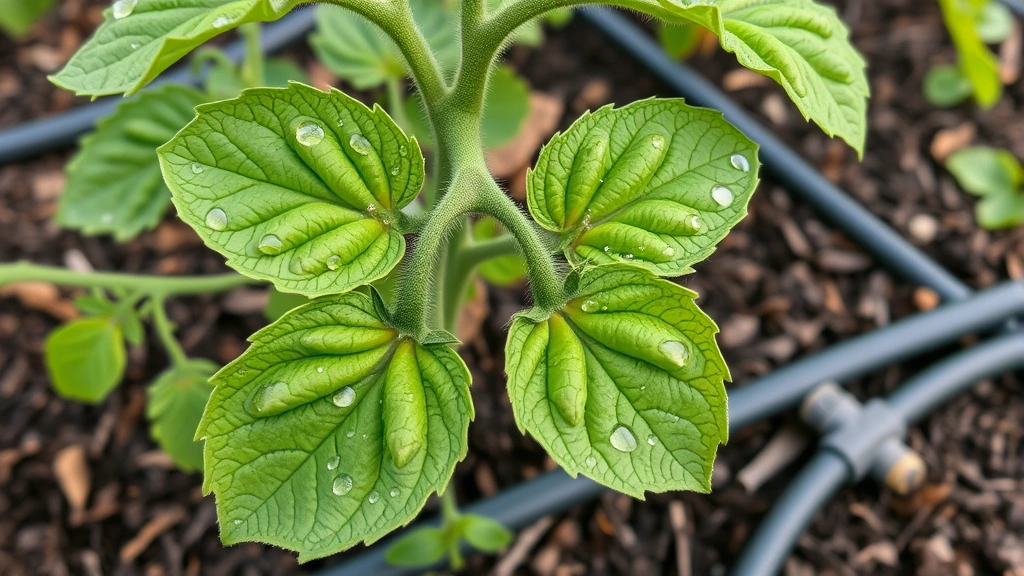
Proper air circulation prevents many fungal diseases including powdery mildew, leaf spot, and damping off. Space plants appropriately, prune lower branches to improve air flow, and avoid overhead watering that keeps foliage wet. Morning irrigation allows any moisture on leaves to dry quickly, reducing fungal spore germination. Consider installing drip irrigation systems or soaker hoses to deliver water directly to roots while keeping foliage dry.
When disease appears, sulfur powder provides effective control for powdery mildew and certain fungal infections. Apply sulfur on cool days (below 85°F) to avoid leaf damage, covering both upper and lower leaf surfaces thoroughly. This remedy works best as a preventive measure or at disease onset, applied weekly throughout the season as needed.
Baking soda spray offers an accessible home remedy for powdery mildew management. Mix one tablespoon of baking soda, one tablespoon of horticultural oil, and one tablespoon of insecticidal soap per gallon of water. Spray affected plants thoroughly, covering all leaf surfaces. Repeat every 7-10 days or after rainfall. This remedy proves particularly useful for ornamental plants and vegetables where sulfur application might be impractical.
For bacterial and fungal leaf spots, remove affected leaves promptly and dispose in trash rather than composting. Sterilize pruning tools between cuts using a 10% bleach solution or rubbing alcohol to prevent disease spread. This sanitation practice prevents disease progression more effectively than any chemical remedy.
Copper fungicide addresses bacterial diseases like bacterial leaf scorch and fire blight. Apply copper-based products according to label directions, typically starting in early spring before disease pressure increases. This remedy works particularly well on fruit trees, roses, and ornamental plants susceptible to bacterial infections.
Melrose gardeners benefit from understanding proper pruning techniques that reduce disease risk. Proper pruning improves air circulation, removes diseased wood, and strengthens plant structure—all critical disease prevention strategies.
Soil Amendment Strategies
Melrose’s native soils often lack adequate organic matter and beneficial microbial activity. Amending soil with appropriate materials improves structure, water retention, and nutrient availability while supporting beneficial soil organisms.
Compost incorporation represents the foundation of soil remediation. Work 2-4 inches of finished compost into vegetable beds and planting areas annually. Compost improves clay soil drainage, increases sandy soil water retention, and provides slow-release nutrients. Beyond physical improvements, compost introduces beneficial microorganisms that suppress disease and enhance nutrient availability.
Coffee grounds serve multiple purposes in garden remediation. Beyond their well-documented benefits, learn more about coffee grounds in your garden for comprehensive guidance on this accessible amendment. Coffee grounds improve soil structure, provide nitrogen, and can help acidify alkaline soils. Apply spent grounds from coffee shops or home brewing directly to soil or add to compost piles. This remedy transforms a common waste product into valuable soil amendment.
Peat moss alternatives like coconut coir improve soil water retention and aeration without environmental concerns associated with peat harvesting. Mix coir into heavy clay soils to improve drainage and structure. This remedy proves particularly valuable in Melrose where clay-based soils dominate many properties.
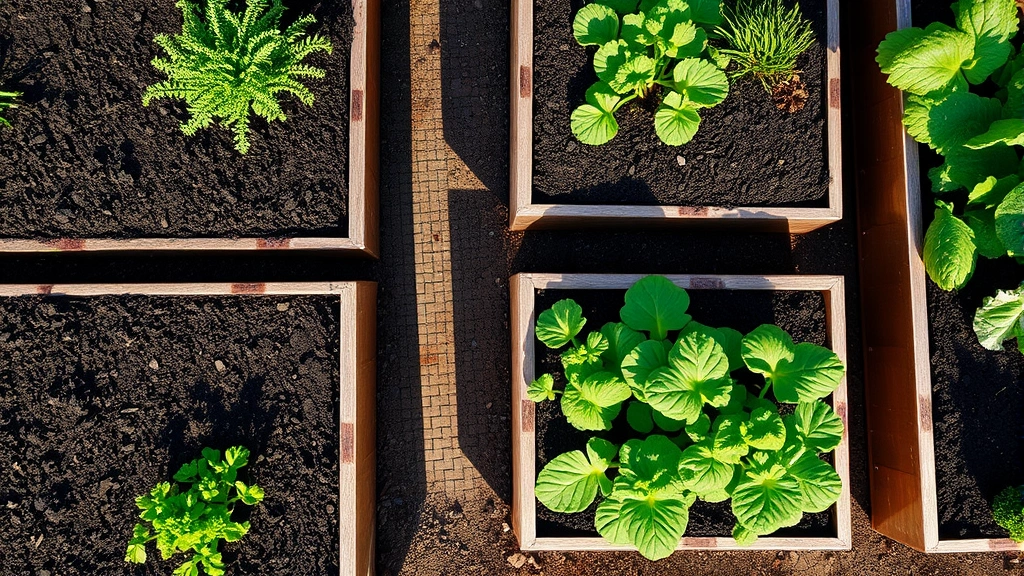
Raised beds and elevated planting provide complete soil control, allowing gardeners to create ideal growing conditions regardless of native soil quality. Learn about elevated garden beds for comprehensive guidance on constructing and maintaining these productive spaces. Raised beds warm faster in spring, drain better in wet seasons, and allow easier access for maintenance and harvesting.
Mycorrhizal fungi inoculants establish symbiotic relationships with plant roots, improving nutrient uptake and disease resistance. Apply mycorrhizal products when establishing new plants or starting seeds. This biological remedy enhances plant vigor and resilience, proving particularly beneficial for trees and perennials that develop long-term relationships with fungal partners.
Seasonal Garden Remedies
Melrose’s distinct seasons present different gardening challenges requiring seasonal adjustments to remedy applications and strategies.
Spring remedies focus on pest and disease prevention as temperatures warm and plants emerge from dormancy. Apply dormant oil sprays before bud break to control overwintering pests and diseases. Start seed indoors, providing appropriate light and temperature conditions to prevent damping-off disease. Implement slug barriers and traps as weather warms and these pests become active. Clean up winter debris thoroughly to remove overwintering pest and disease sites.
Summer remedies address heat stress, pest proliferation, and fungal disease pressure. Mulch around plants to regulate soil temperature and retain moisture during dry spells. Increase irrigation frequency during heat waves, applying water deeply but less frequently to encourage deep root development. Monitor plants regularly for pest and disease signs, implementing control measures at first detection when remedies prove most effective. Provide shade cloth for heat-sensitive crops during extreme temperatures.
Fall remedies prepare gardens for winter while managing end-of-season disease and pest pressure. Continue monitoring for pests and diseases through fall. Clean up fallen leaves and plant debris to reduce overwintering pest and disease sites. Apply fall fertilizer to strengthen perennials and trees for winter dormancy. This timing allows nutrients to move to roots rather than supporting new growth vulnerable to frost damage.
Winter remedies focus on protection and preparation for spring. Mulch perennial beds with 2-3 inches of organic material to insulate roots and prevent frost heaving. Monitor for winter pest damage on evergreens and trees. Plan for spring garden improvements, reviewing successes and challenges from the previous season to refine remedies and strategies.
Water Management Techniques
Proper watering prevents numerous plant problems while conserving this precious resource. Melrose’s variable precipitation requires active water management throughout the growing season.
Drip irrigation systems deliver water directly to roots, minimizing foliage wetness that promotes fungal disease. These systems apply water slowly and deeply, encouraging strong root development and drought resilience. Install drip lines with timers to ensure consistent moisture without overwatering. This remedy proves particularly valuable during Melrose’s dry summers, reducing water waste while maintaining plant health.
Soaker hoses provide affordable drip irrigation alternatives for vegetable gardens and planting beds. Lay soaker hoses along plant rows, covering with mulch to reduce evaporation. Connect to timers for automated watering that delivers consistent moisture. This remedy reduces disease pressure while simplifying garden maintenance.
Mulching regulates soil temperature and moisture, reducing watering frequency while suppressing weeds and moderating soil temperature extremes. Apply 2-3 inches of organic mulch around plants, keeping mulch a few inches from tree and shrub trunks to prevent rot. This simple remedy addresses multiple garden challenges simultaneously.
Rain barrel collection captures roof runoff for garden irrigation, reducing municipal water use while providing chlorine-free water that many plants prefer. Position rain barrels near downspouts, installing screens to prevent mosquito breeding. Use collected water for container plants and vegetable gardens throughout dry periods.
Nutrient Deficiency Solutions
Plant nutrient deficiencies manifest through specific symptoms requiring targeted remedies for correction.
Nitrogen deficiency appears as yellowing lower leaves while new growth remains green. Apply fish emulsion, seaweed extract, or diluted liquid fertilizer every 2-3 weeks during the growing season. This quick-acting remedy corrects deficiency rapidly, though addressing underlying causes through compost incorporation prevents recurrence.
Iron chlorosis causes yellowing between leaf veins while veins remain green, common in alkaline soils. Apply chelated iron according to package directions, or acidify soil with sulfur to improve iron availability. This remedy proves particularly valuable in Melrose where soil pH often exceeds ideal ranges for acid-loving plants.
Magnesium deficiency causes interveinal yellowing, especially on tomatoes and other fruiting plants. Apply Epsom salt at 1 tablespoon per gallon of water, spraying foliage or applying to soil. This accessible remedy provides quick correction while being gentle on plants.
Phosphorus deficiency results in stunted growth and poor flowering. Apply bone meal or rock phosphate to soil, working into amendments before planting. These slow-release remedies build soil phosphorus levels sustainably.
Soil testing identifies specific deficiencies before symptoms appear, allowing preventive remedy application. Contact your local extension service for soil testing to determine nutrient levels and pH. This data-driven approach ensures remedies address actual deficiencies rather than guesswork.
Explore cottage garden design principles that incorporate diverse plants with varying nutrient requirements, naturally balancing soil nutrient use. This ecological approach reduces deficiency incidence through biodiversity.
Consider garden decor and design elements that incorporate functional features like compost bins and water features, supporting comprehensive garden health management strategies.
FAQ
What are the most effective natural remedies for common Melrose garden pests?
Neem oil spray, horticultural oil, and hand-picking prove most effective for Melrose’s common pests. Companion planting with garlic and marigolds provides preventive benefits, while milky spore offers long-term Japanese beetle control. The key is early detection and consistent application of chosen remedies.
How often should I apply fungal disease remedies in Melrose’s humid climate?
Apply preventive remedies like sulfur or baking soda spray every 7-10 days during high-humidity periods, or after rainfall. Focus on prevention through proper spacing, air circulation, and avoiding overhead watering rather than relying solely on remedies applied after disease appears.
Can I use coffee grounds directly on my garden without composting first?
Yes, coffee grounds can be applied directly to soil, though mixing with other amendments prevents matting. Fresh grounds work immediately, while aged grounds decompose more slowly. Apply 1-2 inches around plants, avoiding direct contact with plant stems to prevent rot.
What’s the best time to apply soil amendments in Melrose?
Fall application allows amendments to integrate with soil over winter, improving spring growing conditions. Spring application works acceptably but provides less time for decomposition. Continuous mulching throughout the growing season provides ongoing amendment benefits.
How do I know which nutrient deficiency my plants have?
Soil testing provides definitive answers, identifying specific deficiencies and pH issues. Visual symptoms like interveinal yellowing, stunted growth, or poor flowering suggest specific deficiencies. Match symptoms to known deficiency patterns, then confirm with soil testing before applying remedies.
Are commercial fertilizers necessary if I use compost and natural remedies?
Many Melrose gardens thrive using compost and natural remedies exclusively, though occasional supplemental feeding may benefit heavy-feeding crops like tomatoes. Balanced fertilizers derived from natural sources provide intermediate options between pure compost and synthetic products.