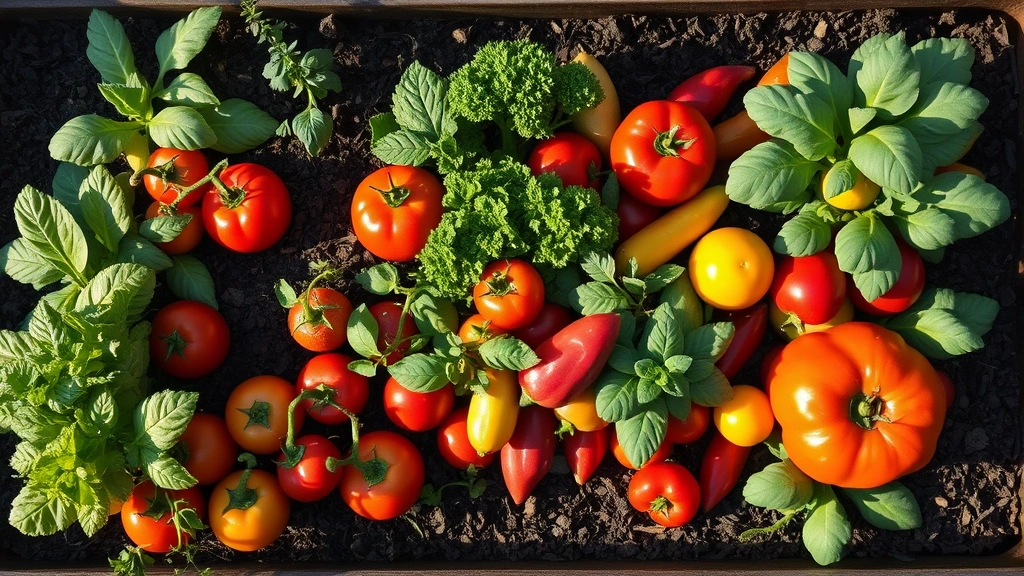
Creating a thriving edible garden transforms your outdoor space into a productive food source while providing fresh, nutritious vegetables, herbs, and fruits at your fingertips. Whether you’re a seasoned gardener or a complete beginner, establishing a “garden of eatin'” requires understanding fundamental principles of soil health, plant selection, seasonal timing, and pest management. This comprehensive guide walks you through expert strategies to maximize your harvest and create a sustainable growing system that feeds your family year-round.
An edible garden offers remarkable benefits beyond fresh produce. Growing your own food reduces grocery expenses, eliminates concerns about pesticide residues, and provides the satisfaction of nurturing plants from seed to harvest. The process connects you with natural cycles and seasonal rhythms while offering therapeutic outdoor activity. With proper planning and maintenance, even small spaces can yield surprising quantities of vegetables, herbs, and berries.
Planning Your Edible Garden Layout
Strategic layout planning determines how efficiently your edible garden produces throughout the growing season. Begin by assessing your available space—whether you have a sprawling backyard, a modest suburban lot, or limited balcony area. Full sun exposure (6-8 hours minimum) remains essential for most vegetables, though leafy greens tolerate partial shade. Map your garden’s microclimates, noting areas that receive afternoon heat, wind exposure, and natural water drainage patterns.
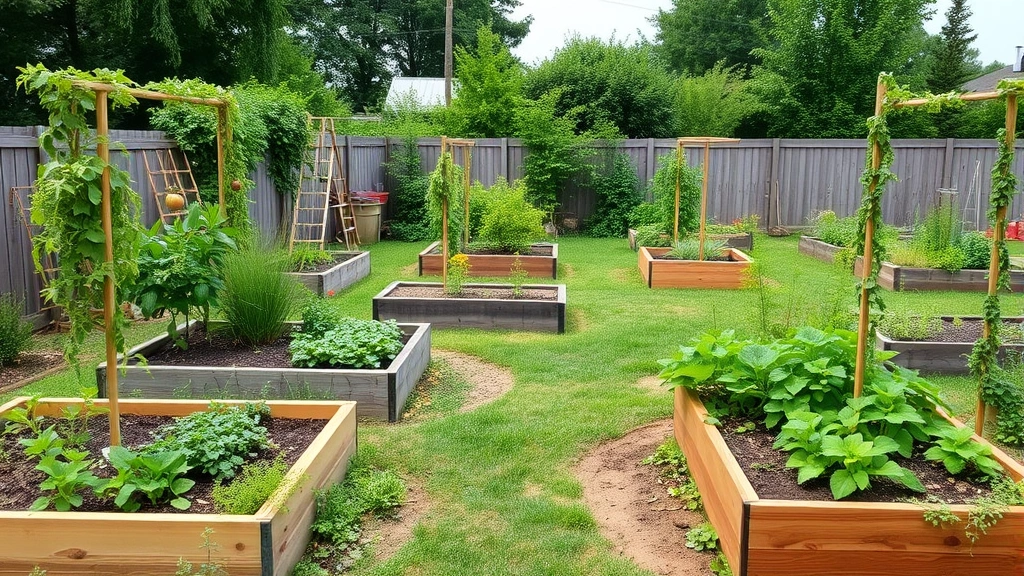
Consider implementing a raised garden bed system, which offers superior drainage, easier access, and better soil control compared to in-ground gardens. Raised beds also warm faster in spring, extending your growing season. For smaller spaces, vertical gardening techniques using trellises, wall-mounted planters, and hanging containers maximize productivity without consuming ground space. This approach works particularly well for pumpkin plants trained on sturdy supports and vining beans or cucumbers.
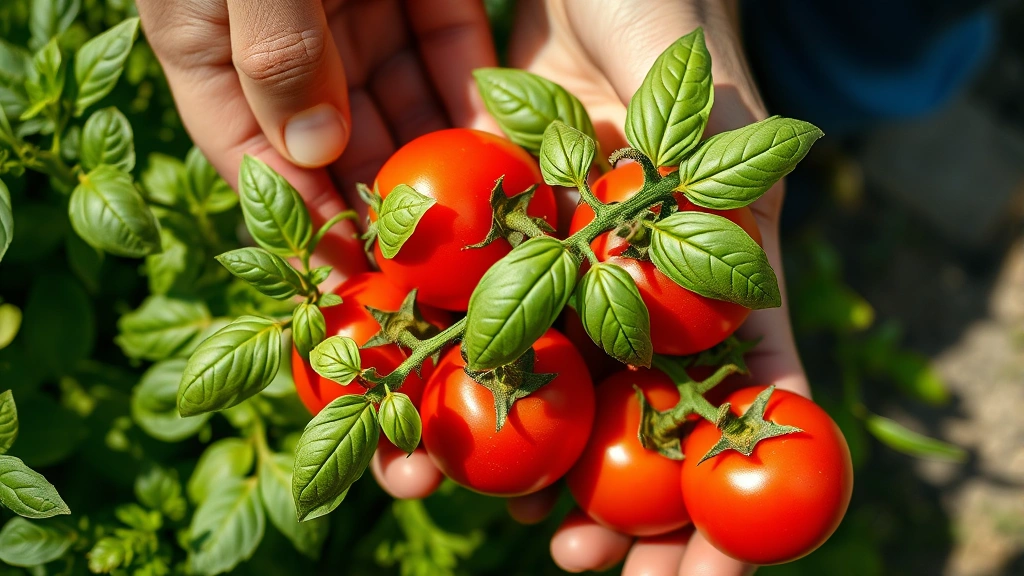
Group plants strategically based on their water and nutrient requirements. Heavy feeders like tomatoes and squash benefit from locations where you’ll add compost regularly. Drought-tolerant herbs work well in sandy areas with minimal supplemental water. Keep frequently harvested vegetables like garden lettuce near your kitchen for convenient access. Companion planting enhances growth—plant basil near tomatoes, marigolds throughout beds for pest control, and beans alongside brassicas to fix nitrogen naturally.
Soil Preparation and Amendment
Rich, well-draining soil forms the foundation of productive edible gardens. Before planting anything, conduct a soil test through your local USDA Natural Resources Conservation Service to determine pH levels, nutrient content, and organic matter percentage. Most vegetables prefer slightly acidic soil with pH between 6.0 and 7.0. Armed with test results, you can amend appropriately rather than guessing.
Incorporate 3-4 inches of compost or well-rotted manure into your garden beds annually. This organic matter improves soil structure, increases water retention in sandy soils, and enhances drainage in clay soils. It also feeds beneficial microorganisms that suppress diseases and make nutrients available to plant roots. If starting a new garden in poor soil, consider building raised beds filled with quality garden soil mixed with compost—a more efficient approach than amending heavily compacted or contaminated native soil.
Maintain soil health throughout the season by adding mulch around plants. A 2-3 inch layer of straw or wood chips conserves moisture, suppresses weeds, regulates soil temperature, and gradually decomposes to improve soil structure. Avoid using hay, which contains weed seeds. Refresh mulch annually as it breaks down, creating a continuous cycle of soil improvement.
Selecting the Right Vegetables and Herbs
Success begins with growing vegetables your family actually enjoys eating. While exotic crops seem exciting, reliable producers like tomatoes, zucchini, peppers, and beans provide consistent harvests and straightforward cultivation. Assess your climate zone using USDA Plant Hardiness Zone Maps to select appropriate varieties for your region.
Cool-season crops including lettuce, spinach, peas, broccoli, and cabbage tolerate frost and actually prefer temperatures below 70°F. These thrive in spring and fall, with some varieties producing year-round in mild climates. Warm-season crops like tomatoes, peppers, cucumbers, beans, and squash require soil temperatures above 60°F and air temperatures above 50°F to germinate and grow. Plant these after your last spring frost date.
Herbs deserve prominent garden space—they’re productive, attractive, and incredibly useful in cooking. Perennial herbs like rosemary, thyme, oregano, and chives return year after year with minimal care. Annual herbs including basil, cilantro, dill, and parsley require replanting but grow quickly from seed. Consider gardening with native plants for herbs suited to your local environment, which typically require less water and maintenance than exotic varieties.
Choose disease-resistant varieties when available—they’re labeled with letters like VFN (Verticillium Wilt, Fusarium Wilt, Nematode resistant). Determinate tomatoes grow as compact bushes ideal for small spaces, while indeterminate varieties produce continuously until frost. Cherry tomatoes often yield more prolifically than large slicing varieties, making them excellent for edible gardens with space constraints.
Seasonal Planting Guide
Spring Planting (After Last Frost Date): This is peak planting season for most gardeners. Direct sow warm-season crops once soil reaches 60°F and nighttime temperatures stay above 50°F. Plant tomato, pepper, and eggplant seedlings started indoors 6-8 weeks earlier. Sow beans, squash, cucumbers, and melons directly in soil. Begin succession planting lettuce every two weeks for continuous harvests. Plant herb seedlings, especially tender basil that won’t tolerate cold.
Summer Management: As temperatures rise, shift focus to maintenance rather than new plantings. Water deeply during hot spells—inconsistent watering causes blossom-end rot in tomatoes and bitter flavors in lettuce. Monitor plants for pests and diseases weekly, removing affected leaves promptly. Deadhead herbs regularly to encourage bushier growth and delay flowering. Provide afternoon shade for heat-sensitive crops like lettuce during peak summer.
Fall Planting (8-10 Weeks Before First Frost): Fall gardens often outperform spring plantings because cool temperatures reduce pest pressure and disease incidence. Direct sow cool-season crops including lettuce, spinach, arugula, kale, broccoli, and cabbage. These mature quickly in fall’s shortening days. Plant garlic cloves for next year’s harvest. Sow cover crops like clover or rye in beds you’re retiring for winter—they suppress weeds and add nitrogen when tilled under in spring.
Winter Gardening: In mild climates, continue harvesting cold-hardy crops from fall plantings. Mulch heavily to insulate soil and extend the season. In cold climates, prepare beds for spring by adding compost and cover crops. Start seeds indoors under grow lights 6-8 weeks before your spring frost date.
Watering and Nutrition Management
Proper watering represents one of the most critical success factors in edible gardening. Most vegetables require consistent moisture—about 1-1.5 inches weekly through rainfall or irrigation. Water deeply and less frequently rather than shallow daily sprinkling, which encourages shallow root systems and fungal diseases. Early morning watering allows foliage to dry quickly, reducing disease pressure. Drip irrigation or soaker hoses deliver water directly to soil, minimizing waste and leaf wetness.
Mulching significantly reduces watering frequency by conserving soil moisture and regulating temperature. During hot spells, check soil moisture 2-3 inches deep—if dry, irrigate thoroughly. Container gardens dry faster than in-ground beds and typically need daily watering during summer heat.
Feed your edible garden with balanced nutrition throughout the growing season. Compost additions at planting time provide slow-release nutrients for most vegetables. Heavy feeders benefit from mid-season applications of compost, aged manure, or balanced fertilizers. Nitrogen-rich fertilizers (higher first number in NPK ratios) boost leafy greens; phosphorus (middle number) promotes flowering and fruiting; potassium (last number) strengthens plant structure. Organic options include fish emulsion, seaweed extract, and diluted compost tea applied every 2-3 weeks.
Legumes like beans and peas actually add nitrogen to soil through their relationship with beneficial bacteria, so they’re excellent rotation crops to plant before heavy feeders. Avoid over-fertilizing, which produces excessive foliage at the expense of fruit production and increases pest vulnerability.
Pest and Disease Control
Healthy plants resist pests and diseases more effectively than stressed ones. Proper spacing, adequate water, and good soil health form your first defense. Inspect plants weekly, catching pest infestations early when they’re easily managed. Remove affected leaves immediately and dispose of them (not in compost, where pests survive).
Encourage beneficial insects like ladybugs, lacewings, and parasitic wasps by planting native flowering plants nearby. These predatory insects consume hundreds of aphids, mites, and other pests daily. Avoid broad-spectrum pesticides that kill beneficial insects along with pests.
Common vegetable pests include aphids, spider mites, cabbage worms, and squash vine borers. Spray affected plants with strong water streams to dislodge aphids and mites. Hand-pick larger pests like hornworms and beetles. Neem oil and insecticidal soaps address persistent infestations organically. Row covers protect young plants from flying insects—remove them when plants flower to allow pollinator access.
Fungal diseases like powdery mildew and early blight thrive in humid conditions with poor air circulation. Space plants appropriately, prune lower leaves to improve air flow, and water only soil (not foliage). Remove diseased leaves immediately. Sulfur and copper fungicides address fungal issues organically. Crop rotation—not planting the same family in the same location consecutive years—prevents soil-borne disease buildup.
Harvesting and Succession Planting
Harvest vegetables at peak ripeness to maximize flavor and nutritional content. Pick lettuce and leafy greens in early morning when crisp and cool. Harvest tomatoes when fully colored but still slightly soft—they continue ripening after picking. Snap beans and peas when pods feel tender and seeds haven’t enlarged noticeably. Zucchini produces best when harvested at 6-8 inches; oversized squash becomes tough and seedy.
Regular harvesting encourages continued production—plants sense maturity and stop flowering once seeds develop. Pinch off herb flowers regularly to promote leaf growth rather than seed production. Many herbs like basil produce more vigorously when harvested frequently.
Succession planting extends your harvest season dramatically. Rather than planting all lettuce simultaneously, sow small quantities every two weeks for continuous supplies. As spring crops finish, replace them with heat-loving plants, then transition back to cool-season crops in late summer. This approach keeps garden beds productive and maximizes your garden of eatin’ potential.
Keep simple harvest records noting planting dates, varieties, and yield. This information guides future planning—you’ll know which varieties performed best in your conditions and when to plant for optimal timing.
FAQ
How much space do I need for an edible garden?
Even 4×8 feet produces surprising quantities of vegetables—easily enough for a family of four to supplement their diet significantly. Container gardening works in as little as 10 square feet of balcony space. Vertical gardening and succession planting maximize productivity in small areas.
Can I garden in containers?
Absolutely. Choose containers at least 12 inches deep for most vegetables, 18+ inches for tomatoes and peppers. Use quality potting soil (not garden soil, which compacts in containers). Container gardens require more frequent watering and fertilizing but work beautifully for apartments, patios, and small spaces.
What’s the easiest vegetable for beginners?
Zucchini, cherry tomatoes, lettuce, and herbs are remarkably forgiving. Zucchini produces abundantly with minimal care. Cherry tomatoes tolerate inconsistent watering better than large varieties. Lettuce grows quickly and tolerates partial shade. Herbs like basil and mint thrive with basic attention.
How do I extend my growing season?
Use row covers or cloches to protect plants from frost in spring and fall. Cold frames and low tunnels extend seasons dramatically. In mild climates, succession planting cool-season crops in late summer provides harvests through winter. Starting seeds indoors allows earlier spring planting.
What’s companion planting and does it really work?
Companion planting pairs plants that benefit each other through pest deterrence, nutrient sharing, or structural support. Basil near tomatoes repels certain pests; marigolds deter insects throughout beds; beans fix nitrogen for neighboring plants. While scientific evidence varies, traditional combinations have been used successfully for centuries.
How often should I fertilize?
Well-amended soil with compost provides sufficient nutrients for most vegetables. Heavy feeders benefit from additional fertilizer every 4-6 weeks. Slow-release organic fertilizers, compost applications, and fish emulsion every 2-3 weeks support vigorous growth. Avoid over-fertilizing, which reduces flavor and increases pest vulnerability.


