Discover Elizabeth Gamble Garden: Visitor’s Guide
Nestled in the heart of Palo Alto, California, the Elizabeth Gamble Garden stands as a testament to thoughtful garden design and horticultural excellence. This hidden gem spans 2.5 acres of meticulously maintained landscapes, offering visitors an inspiring journey through diverse garden rooms and plant collections. Whether you’re a seasoned gardener seeking design inspiration or a casual visitor looking for a peaceful retreat, Elizabeth Gamble Garden provides an immersive experience that showcases the beauty and complexity of professional garden management.
The garden’s rich history and commitment to education make it an essential destination for anyone passionate about plants and landscape design. Named after the estate’s longtime owner, this public garden welcomes thousands of visitors annually who come to explore themed gardens, attend workshops, and discover practical gardening techniques they can implement in their own outdoor spaces. The combination of ornamental plantings, productive gardens, and educational programming creates a unique environment that bridges the gap between inspiration and application.
History and Significance
Elizabeth Gamble Garden traces its origins to the early 20th century when the property served as a private estate. The garden evolved through decades of careful stewardship, eventually becoming a public garden dedicated to horticultural education and community engagement. The transformation from private residence to public institution reflects a broader movement in American gardens toward democratizing access to quality landscape design and botanical knowledge.
Today, the garden operates under the philosophy that everyone can benefit from understanding how plants grow, how gardens are designed, and how outdoor spaces can enhance daily life. This mission particularly resonates with gardeners interested in how to prepare garden soil for a thriving garden, as the Elizabeth Gamble Garden demonstrates professional-grade soil preparation techniques across multiple garden beds and planting areas.
The garden’s significance extends beyond its aesthetic appeal. It serves as a living classroom where horticultural principles are demonstrated in real-world conditions, making it invaluable for serious gardeners and landscape professionals alike. The commitment to sustainable practices and ecological awareness has established Elizabeth Gamble Garden as a leader in responsible garden stewardship within the Bay Area.
Garden Areas and Collections
Elizabeth Gamble Garden comprises several distinct garden rooms, each designed with specific purposes and plant collections in mind. This compartmentalized approach to garden design creates intimate spaces within the larger landscape, allowing visitors to experience different environments and aesthetic philosophies throughout their visit.
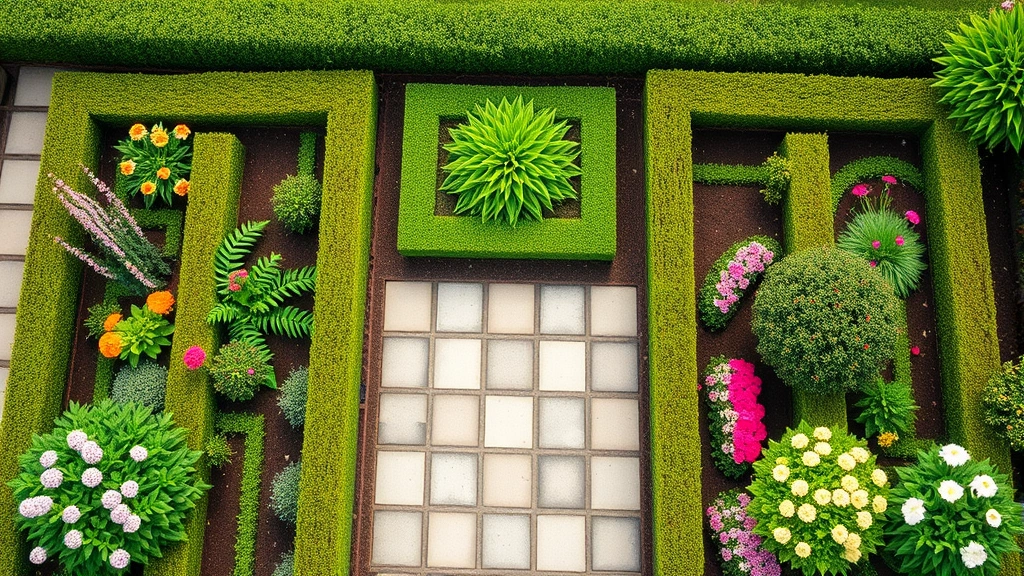
The Formal Gardens feature classical landscape design principles with symmetrical plantings, structured pathways, and ornamental focal points. These areas showcase how traditional design elements continue to provide timeless beauty and organization. The formal sections often feature specimen trees, manicured hedges, and carefully curated perennial borders that demonstrate professional planting techniques.
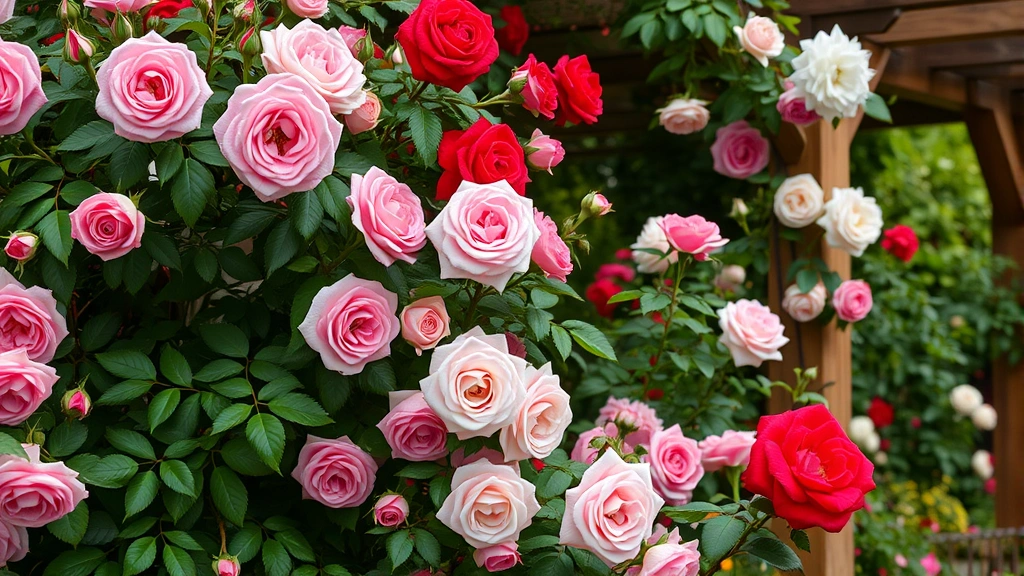
The Rose Garden stands as one of the most visited sections, featuring numerous rose varieties arranged to maximize visual impact throughout the blooming season. Visitors can observe proper how to prune climbing roses and other rose maintenance techniques by examining the garden’s specimens. The rose collection includes heirloom varieties, modern hybrids, and climbing roses trained over arbors and trellises.
The Vegetable and Herb Gardens demonstrate productive gardening in an ornamental setting. Here, you’ll find excellent examples of herb garden sage and other culinary plants integrated into visually appealing arrangements. These beds prove that edible gardens can be both beautiful and functional, challenging the traditional separation between ornamental and productive landscapes.
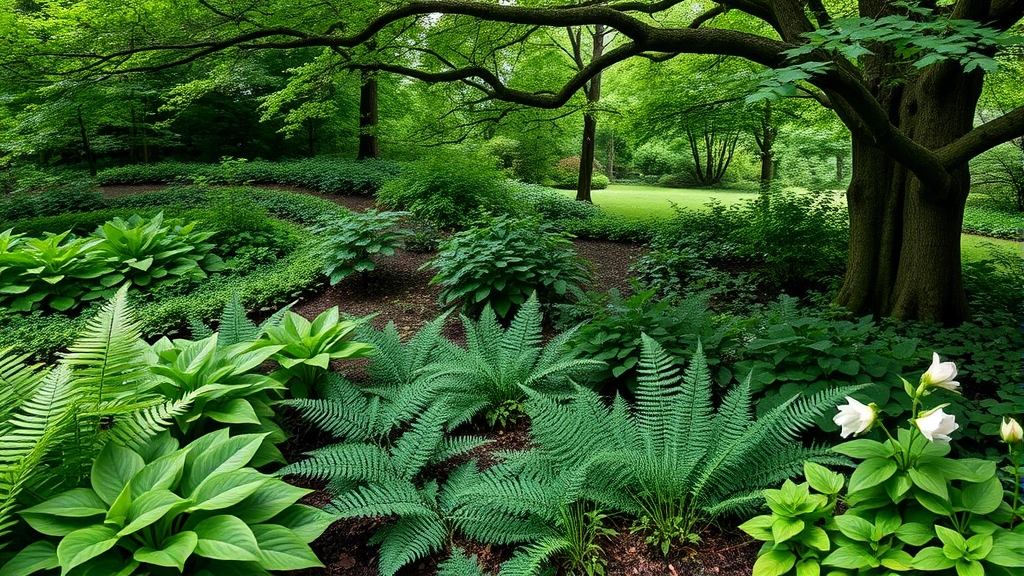
The Shade Garden showcases plants thriving in reduced light conditions, featuring hostas, ferns, hellebores, and other shade-tolerant species. This section is particularly valuable for visitors struggling with shady areas on their own properties, offering concrete solutions and plant examples for difficult microclimates.
The Water Garden features aquatic plantings and water features that create peaceful focal points and support beneficial wildlife. The water garden demonstrates principles of aquatic plant selection, water quality management, and ecosystem balance within garden settings.
The Seasonal Gardens rotate plantings throughout the year, ensuring there’s always something in bloom regardless of your visit date. Spring bulbs give way to summer annuals and perennials, which transition to fall-colored foliage and winter interest plantings. This rotating approach teaches visitors how to plan for year-round garden beauty.
Visitor Information and Logistics
Planning your visit to Elizabeth Gamble Garden requires attention to several practical details that will enhance your experience. The garden is located at 1431 Waverley Street in Palo Alto, easily accessible by car with nearby parking available. For those using public transportation, the location is served by local Bay Area transit systems, though having a car provides more flexibility for visiting nearby botanical attractions.
Hours of Operation: The garden typically operates Tuesday through Saturday, with extended hours during peak seasons. Sunday hours may vary, and the garden is generally closed on Mondays and major holidays. It’s advisable to check the official website before planning your visit, as hours may change seasonally or for special events.
Admission: Elizabeth Gamble Garden maintains a modest admission fee, with discounts available for seniors, students, and members. Annual memberships provide excellent value for frequent visitors and include benefits such as exclusive workshop access and special event invitations. Many visitors find that membership pays for itself within two to three visits.
Accessibility: The garden features paved pathways that accommodate wheelchairs and mobility devices, though some areas may have slight slopes. Benches are strategically placed throughout the garden for visitors needing rest breaks. Restroom facilities are available near the main entrance.
Photography: Personal photography for non-commercial purposes is permitted, making Elizabeth Gamble Garden an excellent resource for documenting plant combinations, design solutions, and seasonal changes. Many gardeners use their photos as inspiration for future projects.
Amenities: While there is no on-site café, visitors are welcome to bring picnic supplies and enjoy meals in designated areas. A small gift shop offers gardening books, seeds, and plant-related merchandise that support the garden’s educational mission.
Seasonal Highlights and Best Times to Visit
Spring (March-May): Spring represents peak season at Elizabeth Gamble Garden, with bulbs creating spectacular displays of color. Tulips, daffodils, and alliums provide waves of bloom, while flowering trees add vertical interest. The weather is typically mild and pleasant, making this an ideal time for extended visits and detailed garden exploration.
Summer (June-August): Summer highlights include roses in full bloom, vibrant annual plantings, and water garden features at their most active. The heat of summer also reveals which plants thrive in challenging conditions, providing valuable lessons for gardeners in warm climates. However, afternoon visits may be less comfortable, so early morning exploration is recommended.
Fall (September-November): Autumn brings foliage color, ornamental grasses in their prime, and late-blooming perennials. The cooler temperatures make for comfortable walking, and the reduced humidity means fewer insects, though seasonal pest management demonstrations are valuable for gardeners preparing for winter. Fall is also when you can observe how the garden prepares for dormancy through strategic pruning and cleanup.
Winter (December-February): Winter at Elizabeth Gamble Garden reveals the bones of the landscape design. Evergreen plantings, structural elements, and winter-interest plants take center stage. While some areas appear less vibrant than during growing seasons, winter visits offer valuable lessons in four-season garden design and the importance of year-round visual appeal.
Educational Programs and Workshops
Elizabeth Gamble Garden distinguishes itself through comprehensive educational programming that transforms the landscape into an outdoor classroom. Workshops cover topics ranging from fundamental gardening techniques to advanced landscape design principles.
Beginner Workshops: These sessions introduce foundational concepts such as best soil for a garden bed selection, basic plant care, and simple garden design principles. Perfect for those just starting their gardening journey, these workshops demystify gardening and build confidence for home gardeners.
Intermediate and Advanced Sessions: For experienced gardeners, the garden offers specialized workshops on topics like integrated pest management, sustainable gardening practices, and ornamental plant selection. These sessions delve deeper into horticultural science and practical application.
Seasonal Seminars: Workshops align with seasonal needs, offering spring planting guidance, summer maintenance strategies, fall preparation techniques, and winter planning sessions. This seasonal approach ensures that workshop content remains immediately applicable to visitors’ current gardening challenges.
Guided Tours: Knowledgeable docents lead themed tours highlighting specific garden areas, plant collections, or design principles. These guided experiences provide personalized insights that enhance self-guided visits and answer questions about specific plants or design techniques.
Demonstration Gardens: Permanent demonstration areas showcase techniques like raised garden bed construction, composting systems, and water-efficient irrigation methods. These practical examples translate theory into actionable strategies visitors can implement at home.
Design Inspiration for Your Garden
One of Elizabeth Gamble Garden’s greatest values lies in its ability to inspire home gardeners with practical design solutions. Rather than presenting an unattainable ideal, the garden demonstrates realistic, implementable strategies for various garden styles and sizes.
Space Division: The garden’s compartmentalization demonstrates how to create distinct areas within limited space. Even small home gardens benefit from this approach, where different zones serve different purposes and create the illusion of a larger landscape. The pathways and sightlines guide visitors naturally through the space, offering lessons in circulation planning.
Plant Combinations: Throughout Elizabeth Gamble Garden, you’ll observe thoughtful plant pairings that create visual interest through contrasting textures, colors, and bloom times. These combinations demonstrate principles that scale down beautifully for residential gardens, showing how to achieve professional-looking results in modest spaces.
Seasonal Interest: The garden’s approach to year-round beauty through strategic plant selection teaches visitors to think beyond peak bloom season. By observing which plants provide winter structure, spring color, summer abundance, and fall interest, visitors can plan gardens that remain visually engaging throughout the year.
Hardscape Integration: Pathways, seating areas, water features, and structural elements work in harmony with plantings to create balanced landscapes. The garden demonstrates how hardscape elements should support rather than dominate the overall design.
Sustainable Practices: Elizabeth Gamble Garden models environmentally responsible gardening through native plant selections, water conservation techniques, and integrated pest management strategies. These demonstrations show that sustainability and beauty are not mutually exclusive goals.
Practical Tips for Visitors
Bring a Notebook: Carrying a small notebook allows you to jot down plant names, design ideas, and specific techniques you observe. Photography captures visual information, but written notes help you remember the context and application of what you’ve seen.
Wear Comfortable Shoes: The garden encompasses 2.5 acres with numerous pathways. Comfortable walking shoes ensure you can explore thoroughly without foot discomfort limiting your visit.
Visit Multiple Times: Each season reveals different aspects of the garden. Multiple visits throughout the year provide comprehensive understanding of how the garden changes and how to plan for seasonal transitions in your own landscape.
Attend Workshops: Even experienced gardeners benefit from the structured learning that workshops provide. The combination of expert instruction and garden examples creates powerful learning opportunities that self-guided visits cannot replicate.
Observe Maintenance: When you encounter gardeners or maintenance staff, don’t hesitate to ask questions about specific techniques or plant care. The Elizabeth Gamble Garden staff are generally enthusiastic about sharing knowledge with visitors.
Take Garden Measurements: If you’re looking for solutions to specific garden challenges, bring measurements of your own garden spaces. You can then identify similar-sized areas at Elizabeth Gamble Garden and study how they’re planted and designed.
Connect with Other Visitors: Many visitors share your passion for gardening. Informal conversations often lead to valuable exchanges of ideas, local recommendations, and gardening experiences that enhance your visit.
Check for Special Events: Throughout the year, Elizabeth Gamble Garden hosts special events, plant sales, and themed celebrations. These occasions offer unique opportunities and often feature expert speakers or specialized vendors not present during regular visiting hours.
FAQ
What is the best time to visit Elizabeth Gamble Garden?
Spring (March-May) offers the most dramatic displays with bulbs and flowering trees, while fall provides comfortable temperatures and foliage color. However, each season offers distinct educational opportunities, and your best visit time depends on your specific interests and local weather preferences.
Are dogs allowed in Elizabeth Gamble Garden?
Pets are generally not permitted in the garden to protect plantings and ensure all visitors can enjoy the space. However, policies may vary, so contact the garden directly for current guidelines and potential exceptions for service animals.
Can I use the garden for special events or photography sessions?
Elizabeth Gamble Garden offers private event rental opportunities for select occasions. Commercial photography requires advance permission and may involve additional fees. Contact the garden administration for details about availability and requirements.
How long should I plan to spend at Elizabeth Gamble Garden?
A casual visit typically requires 1-2 hours, while a thorough exploration of all garden areas and attendance at a workshop may take 3-4 hours. Repeat visits allow for deeper observation and seasonal comparisons.
Does Elizabeth Gamble Garden offer classes for children?
Many seasons include youth-oriented workshops and programs designed to introduce children to gardening and plant science. Check the garden’s website or contact them directly for current youth programming options.
What should I bring when visiting Elizabeth Gamble Garden?
Bring comfortable walking shoes, sunscreen, a hat or sunglasses, water, a notebook for recording ideas, and a camera if you wish to photograph plantings. In cooler months, bring appropriate layers as the garden offers limited shelter.
Are there resources for learning more about plants I see at the garden?
The garden gift shop offers books and references about plants and garden design. Additionally, the UC Davis Master Gardener Program provides extensive plant information and gardening resources for Northern California residents.
Can I collect seeds or plant material from Elizabeth Gamble Garden?
Collecting seeds or plant material is generally not permitted without specific permission. However, some plants in the gift shop may be available for purchase, and the garden occasionally holds plant sales featuring propagated specimens.
How is Elizabeth Gamble Garden maintained sustainably?
The garden employs integrated pest management, water conservation techniques, composting programs, and native plant selections. Observing these practices firsthand demonstrates how to implement similar strategies in residential gardens.
Are there nearby gardens or horticultural attractions to combine with a visit?
The Palo Alto area features several excellent botanical and horticultural resources. Consider combining your Elizabeth Gamble Garden visit with nearby attractions to maximize your horticultural education and inspiration.


