How to Design a Garden? Expert Landscaping Tips
Creating a beautiful garden begins with thoughtful planning and strategic design. Whether you’re starting from scratch or redesigning an existing landscape, understanding the fundamentals of garden design will transform your outdoor space into a thriving, visually stunning sanctuary. Drawing on garden design principles helps you maximize your space, improve plant health, and create an environment that reflects your personal style while supporting local ecosystems.
Garden design isn’t just about aesthetics—it’s a practical approach to organizing plants, pathways, and features in ways that enhance functionality and beauty. By learning how to sketch your garden layout before breaking ground, you’ll avoid costly mistakes and ensure every element serves a purpose. This comprehensive guide walks you through expert landscaping tips that professionals use to create award-winning gardens.
Assess Your Garden Space and Climate
Before drawing on garden design concepts, spend time observing your outdoor space throughout different seasons. Note which areas receive full sun, partial shade, and complete shade at various times of day. This information is crucial because most plants have specific light requirements. A garden that receives six or more hours of direct sunlight daily offers different planting possibilities than a predominantly shaded area.
Climate zones determine which plants will thrive in your region. Check your USDA hardiness zone using the USDA Plant Hardiness Zone Map to understand which perennials and shrubs will survive winter in your area. Consider your local rainfall patterns, humidity levels, and temperature extremes. A garden designed for your specific climate requires less maintenance and water while producing healthier plants.
Walk your property at different times of day and in various weather conditions. Observe how water drains after rain, which areas get waterlogged, and where water quickly disappears. Understanding your microclimate—the unique environmental conditions of your specific location—helps you place plants where they’ll genuinely thrive rather than struggle.
Understand Your Soil and Growing Conditions
Healthy soil forms the foundation of any successful garden. Conduct a soil test through your local Sustainable Agriculture Research and Education program to determine your soil’s pH, nutrient content, and composition. Most vegetables prefer slightly acidic soil with a pH between 6.0 and 7.0, while acid-loving plants like blueberries thrive in pH levels between 4.5 and 5.5.
Soil texture—the proportion of sand, silt, and clay—affects water retention and drainage. Sandy soils drain quickly but don’t retain nutrients, while clay soils hold water but can become compacted. Loamy soil, containing balanced proportions of all three components, is ideal for most plants. If your soil isn’t ideal, you can amend it with compost, aged manure, or other organic materials to improve structure and fertility.
Consider incorporating cedar raised garden beds if your native soil is poor quality or contaminated. Raised beds give you complete control over soil composition and are excellent for growing vegetables and herbs. They also improve drainage and reduce weeding while making gardening more accessible.
Create Your Garden Blueprint
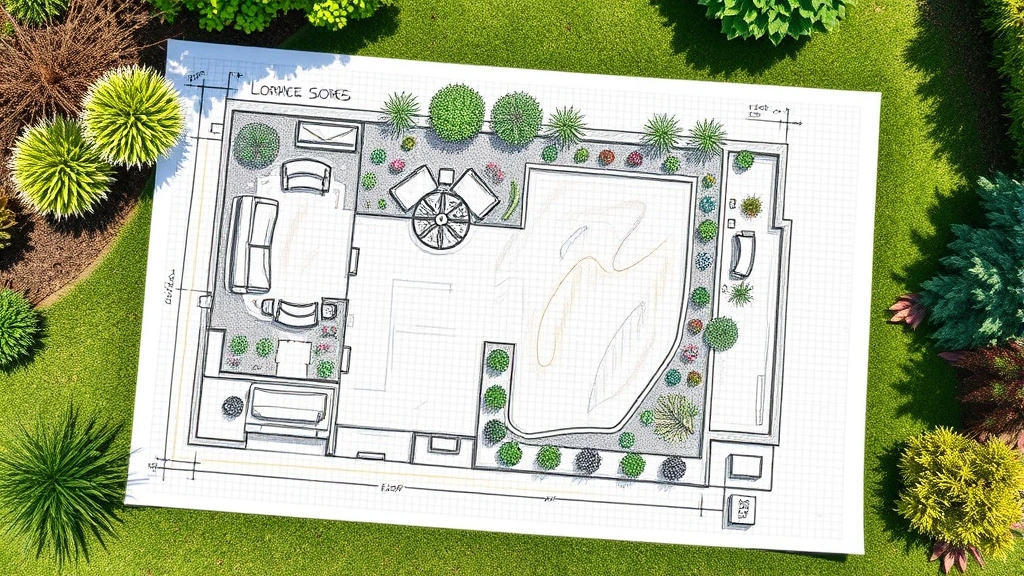
Drawing on garden planning techniques, sketch your space on paper before planting anything. Measure your garden area and create a scale drawing—use one inch on paper to represent ten feet in your actual garden. Mark permanent features like your house, trees, fences, utilities, and existing structures.
Indicate sun and shade patterns on your blueprint. Use different colors or symbols to show full sun areas (six or more hours), partial shade (three to six hours), and full shade (less than three hours). Add arrows showing prevailing wind directions and note wet or dry areas.
Divide your garden into zones based on function and maintenance needs. A vegetable garden zone might be near the kitchen for convenience. A relaxation area could feature seating with shade from trees or garden arch trellises. Group plants with similar water and nutrient needs together to create efficient irrigation zones.
Use your blueprint to experiment with different layouts before committing to them. Trace overlays showing different planting schemes, or use digital garden design software to visualize possibilities. This planning stage prevents expensive mistakes and ensures your design flows logically from one area to another.
Choose a Garden Style and Theme
Your garden design should reflect your personal preferences while harmonizing with your home’s architecture. Common garden styles include cottage gardens (informal, densely planted with mixed flowers), formal gardens (symmetrical, geometric, structured), Mediterranean gardens (drought-tolerant, sun-loving), and Japanese gardens (minimalist, contemplative, naturalistic).
Cottage gardens embrace a romantic, abundant aesthetic with layered plantings and rambling vines. Formal gardens emphasize order and symmetry with manicured hedges, straight pathways, and balanced plant placements. Contemporary gardens feature clean lines, minimal ornamentation, and a focus on foliage texture.
Choose a theme that resonates with you and suits your climate. A Mediterranean theme works beautifully in dry regions with hot summers, while a cottage garden flourishes in temperate climates with adequate moisture. Your theme guides every design decision—from plant selections to hardscaping materials to color palettes.
Consider your home’s architectural style. Victorian homes pair well with cottage gardens, while mid-century modern houses suit contemporary designs. Mediterranean villas obviously complement Mediterranean gardens. When your garden design harmonizes with your home’s style, the entire property feels intentionally designed and cohesive.
Plan Your Plant Selections
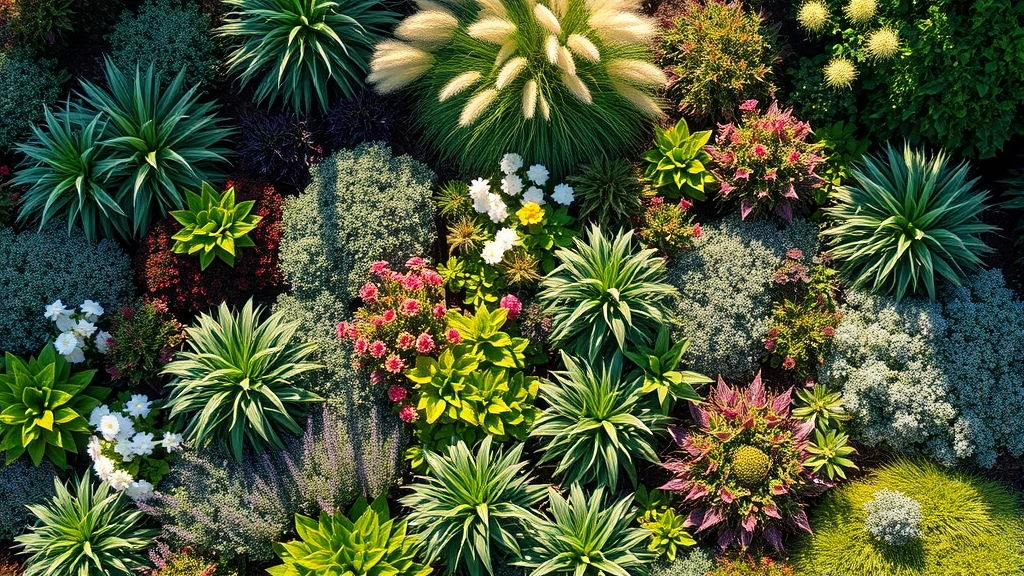
After drawing on your garden blueprint, select plants that thrive in your specific growing conditions. Layer your plantings using the three-tier system: canopy trees (tall, shade-providing), understory plants (medium-height shrubs and small trees), and groundcover or perennials (low-growing plants).
Choose a color palette that creates visual harmony. Complementary colors (opposite on the color wheel, like purple and yellow) create vibrant energy, while analogous colors (adjacent on the wheel, like blue and purple) provide peaceful cohesion. Consider how colors change through seasons—some plants offer spring blossoms, summer foliage, fall color, and winter interest.
For vegetable gardeners, consider growing cucumbers in pots alongside traditional garden beds for flexibility and space efficiency. Container gardening offers advantages for succession planting and protecting crops from pests. Similarly, growing blueberries in containers works wonderfully for ornamental and edible gardens, providing beautiful foliage and delicious fruit.
Select a mix of perennials (plants lasting multiple years), annuals (single-season plants), and bulbs to ensure continuous blooms. Include native plants that support local pollinators and wildlife. Native plants naturally suit your climate and soil, requiring less water, fertilizer, and pest management than non-native species.
Plan for seasonal succession so your garden offers interest year-round. Spring bulbs and early perennials give way to summer bloomers, followed by fall-color plants and winter-interest specimens like evergreens and ornamental grasses with persistent seed heads.
Incorporate Hardscaping Elements
Hardscaping—non-plant elements like pathways, patios, walls, and structures—provides the framework for your garden design. Well-designed hardscaping creates functional spaces, guides foot traffic, and defines different garden areas.
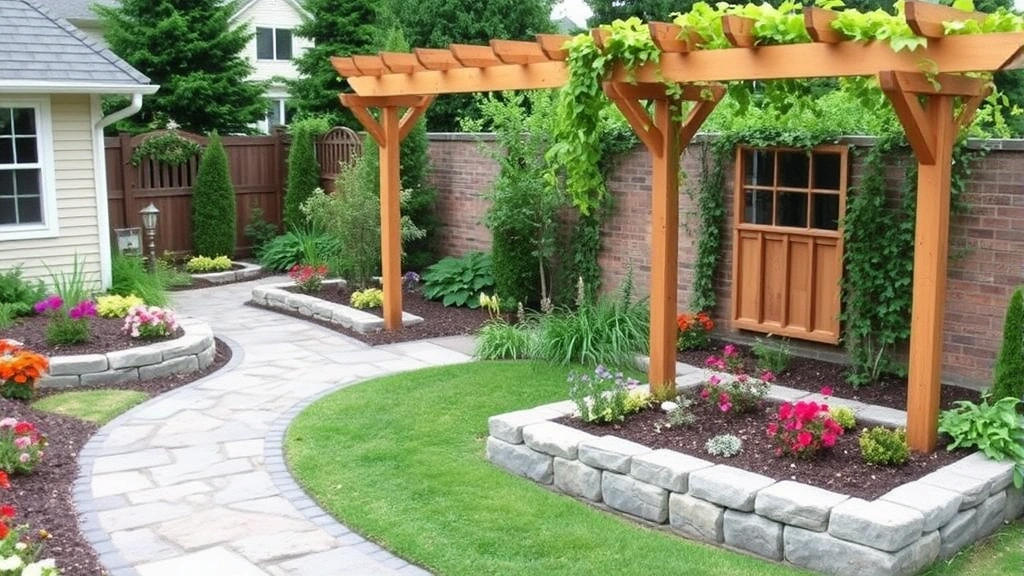
Pathways serve practical and aesthetic purposes. Curved paths create a sense of mystery and suggest larger spaces, while straight paths feel formal and efficient. Materials matter too—gravel provides an informal, budget-friendly option, while stone pavers offer durability and elegance. Mulched paths suit woodland gardens, while brick or concrete work in formal settings.
Patios create outdoor living spaces for entertaining and relaxation. Position patios where they’ll be shaded during hot afternoons and catch morning sun. Consider proximity to kitchen doors for entertaining convenience. Patio size should relate to your home’s scale—a small patio looks lost near a large house, while an oversized patio overwhelms a cottage.
Garden arch trellises add vertical interest while supporting climbing plants. Place them at garden entrances, over pathways, or as focal points in open areas. Arbors create shaded seating areas while supporting vines that provide privacy and beauty.
Raised beds, retaining walls, and edging define garden areas and prevent soil erosion. Cedar raised garden beds offer attractive edging while improving growing conditions. Walls and borders add dimension to flat properties and create planting opportunities on slopes.
Design for Year-Round Interest
A well-designed garden offers visual appeal throughout all seasons. Plan for spring bulbs and early-blooming perennials, summer flowers and foliage, fall colors and ornamental grasses, and winter structure from evergreens and woody plants.
Spring interest comes from bulbs like tulips, daffodils, and crocuses that bloom when little else is flowering. Early perennials like hellebores and bleeding heart emerge as temperatures warm. Flowering shrubs like forsythia and magnolia add drama.
Summer gardens showcase peak blooms—roses, coneflowers, zinnias, and daylilies. Foliage plants with interesting textures and colors provide a backdrop. Trees offer dappled shade, cooling your garden and creating comfortable spaces for relaxation.
Fall transforms gardens with changing leaf colors, seed heads, and late-blooming flowers. Ornamental grasses shimmer in golden light. Asters, mums, and sedum provide color as other plants fade. Fall interest often gets overlooked in garden design but deserves equal attention.
Winter gardens rely on evergreen foliage, colorful bark, persistent seed heads, and structural elements. Ornamental grasses, conifers, and broadleaf evergreens maintain color. Plants with interesting branching patterns and colorful stems—like red-twig dogwood—become focal points when deciduous plants are bare.
Add Water Features and Focal Points
Focal points draw the eye and create visual interest in garden design. Every garden needs at least one strong focal point—a specimen tree, water feature, sculpture, or seating area that commands attention.
Water features add movement, sound, and life to gardens. Fountains, ponds, and streams create soothing ambiance while attracting birds and wildlife. Even small water features like birdbaths provide benefits. Position water features where you can enjoy them from windows or seating areas.
Garden decor elements like sculptures, benches, and arbors serve as focal points while adding personality. Choose decorative elements that complement your garden’s style—a rustic wooden bench suits cottage gardens, while sleek metal sculptures work in contemporary designs.
Seating areas function as both focal points and practical spaces for enjoying your garden. Position benches where they offer shade and views of your most beautiful plantings. Create intimate seating nooks using trellises, hedges, or trees for privacy.
Lighting extends garden enjoyment into evening hours while highlighting focal points and pathways. Solar lights offer budget-friendly, eco-friendly options. Position lights to uplight trees, graze along textured walls, or illuminate pathways safely. Avoid over-lighting—subtle illumination creates more atmosphere than bright floodlights.
Remember that watering your garden efficiently keeps plants healthy. Consider installing drip irrigation systems or using an expandable garden hose for flexibility in reaching all planting areas while minimizing water waste.
FAQ
What’s the best time to start garden design planning?
Begin planning in late fall or early winter when you can observe your landscape without dense foliage obscuring sight lines. This gives you time to order plants and prepare beds before spring planting season. However, you can start redesigning any season—just adjust your planting timeline accordingly.
How much should I spend on garden design?
Budget depends on your garden’s size and complexity. Start by investing in quality soil amendments and healthy plants rather than expensive hardscaping. A simple design with excellent plants outperforms an expensive design with poor-quality plants. Phased implementation—tackling one area at a time—spreads costs over multiple years.
Should I hire a professional landscape designer?
Professional designers offer expertise in spatial planning, plant selection, and problem-solving. They’re especially valuable for large properties, challenging sites, or complex projects. However, many gardeners successfully design smaller gardens themselves using principles outlined in this guide. Start simple and expand as your confidence grows.
How do I balance aesthetic appeal with practical function?
Prioritize function first—your garden must work for your lifestyle. A beautiful garden you can’t maintain becomes frustrating. Choose plants suited to your climate, design pathways where you naturally walk, and place seating where you’ll actually sit. Beauty emerges naturally when function is thoughtfully designed.
What’s the most important element of garden design?
Understanding your specific site conditions—sun exposure, soil quality, drainage, and climate—determines everything else. A gorgeous design fails if plants can’t thrive. Conversely, even simple designs succeed when plants are matched to their growing conditions. Site analysis forms the foundation of successful garden design.


