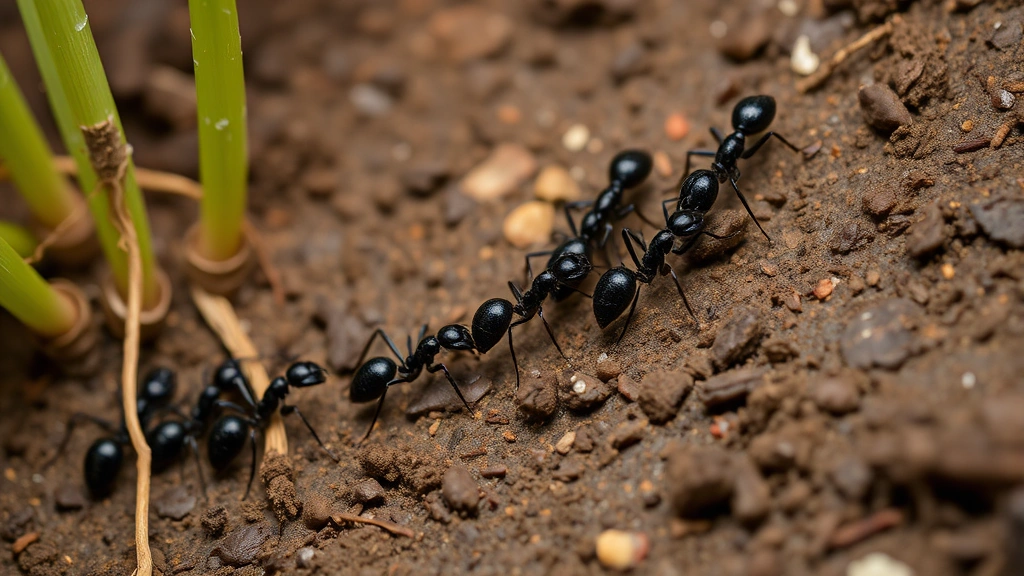
Black Garden Ant Control: Expert Advice for Protecting Your Garden
Black garden ants are among the most common insects you’ll encounter in your outdoor garden spaces, and while they play important ecological roles, they can become problematic when their populations explode or when they farm aphids that damage your plants. Understanding how to manage these tiny but mighty creatures is essential for maintaining a healthy, productive garden. Whether you’re dealing with a minor ant presence or a full-scale infestation affecting your vegetables, flowers, or raised garden beds, this comprehensive guide will provide you with expert strategies to control black garden ants effectively.
The relationship between gardeners and black garden ants is complex. These industrious insects aerate soil, break down organic matter, and consume pest insects, making them valuable allies in the garden ecosystem. However, they also protect aphids and other sap-sucking pests from natural predators, essentially farming them like livestock for their sweet honeydew secretions. This mutualistic relationship can devastate your plants, turning manageable pest populations into serious problems. Learning to distinguish between acceptable ant presence and problematic infestations will help you make informed management decisions.
This guide draws on expertise from entomologists, master gardeners, and horticultural professionals to give you practical, science-backed solutions for black garden ant control. You’ll discover both chemical and organic methods, prevention strategies, and when to seek professional help. By the end, you’ll have a comprehensive toolkit for managing these fascinating insects while maintaining a thriving garden.
Identifying Black Garden Ants
Black garden ants (Lasius niger) are small insects, typically measuring between 3-5 millimeters in length. They’re characterized by their shiny black or dark brown exoskeletons and relatively smooth bodies compared to other ant species. The worker ants you see foraging in your garden are all female, sterile individuals, while the larger winged males and females only emerge during specific breeding seasons, typically in summer.
One distinctive feature of black garden ants is their ability to produce formic acid, which they use both as a chemical weapon against competitors and as a communication tool. You might notice the characteristic musty smell when you crush an ant—this is the formic acid being released. They’re also known for their organized foraging trails; if you observe ants in your garden, you’ll likely see them moving in relatively straight lines, following chemical signals laid down by scout ants.
These ants are native to Europe and have spread worldwide, thriving in temperate climates. They’re particularly abundant in the UK and Northern Europe, but they’ve also established populations across North America and other regions. Understanding their lifecycle helps you time your control efforts effectively. Queens can live for up to 29 years, and a single colony can contain thousands of workers, making established nests difficult to eliminate without proper treatment.
Why Black Garden Ants Become Problematic
The primary reason black garden ants become garden pests isn’t their direct feeding on plants—they actually cause minimal damage through their own consumption. Instead, the problem lies in their relationship with aphids, mealybugs, and scale insects. These ants actively tend to aphids, protecting them from predators and parasitic wasps while harvesting their honeydew secretions. This farming behavior can increase aphid populations exponentially, leading to severe plant damage that wouldn’t occur if the ants weren’t present.
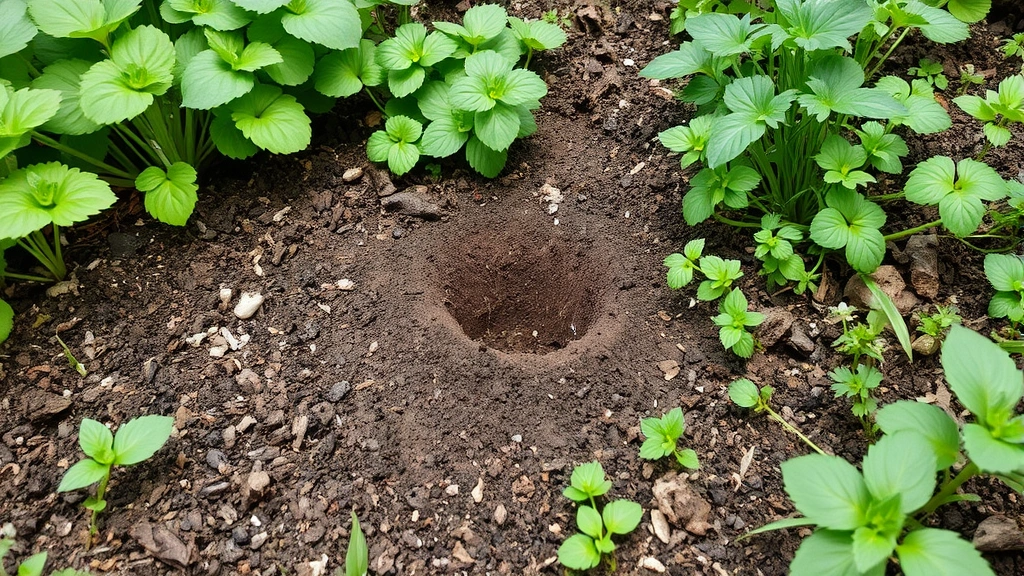
Beyond their aphid-farming activities, large ant colonies can cause structural problems in your garden. Their tunneling activities can disturb plant roots, disrupt soil structure in raised bed gardens, and create unsightly mounds that interfere with mowing and maintenance. In severe cases, their nesting can undermine garden structures, pathways, and even building foundations. Additionally, ant colonies can become aggressive when defending their nests, potentially creating an unpleasant gardening experience.
The timing of ant problems varies seasonally. Spring and early summer see the most active foraging as colonies expand and prepare for reproduction. This is also when aphid populations are beginning their explosive growth, making the ant-aphid relationship particularly damaging during this period. Fall sees another surge in activity as ants prepare for winter, while winter itself brings dormancy in temperate climates.
Natural Control Methods
Biological Control Approaches
One of the most effective organic strategies for controlling black garden ants involves managing their aphid partners. By introducing or encouraging natural aphid predators like ladybugs, lacewings, and parasitic wasps, you reduce the honeydew reward that ants seek, making your garden less attractive to them. The Royal Horticultural Society recommends planting diverse flowering plants that attract beneficial insects, essentially creating natural pest control systems that work against both ants and their aphid partners.
Encouraging ground beetles and spiders in your garden also helps control ant populations indirectly. These predators feed on ant larvae and eggs if they can access underground nesting areas. Creating habitat for these beneficial creatures—such as leaving some areas undisturbed, providing mulch, and avoiding pesticide use—can help tip the balance in your favor naturally over time.
Diatomaceous Earth and Mineral-Based Solutions
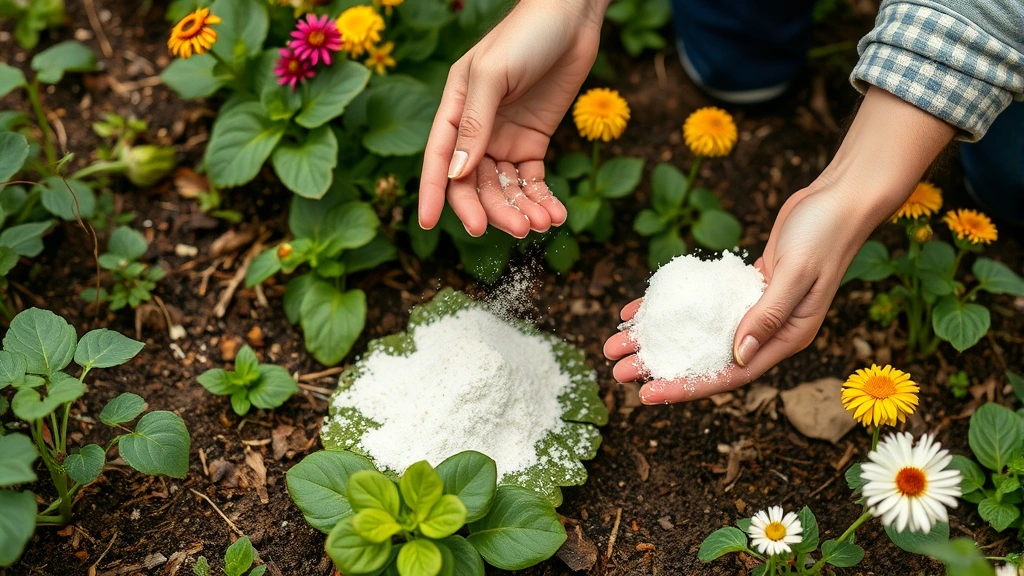
Food-grade diatomaceous earth (DE) is a non-toxic powder made from fossilized algae that damages the exoskeletons of soft-bodied insects, causing dehydration. When applied around ant mounds and along their foraging trails, DE can effectively reduce ant populations. The key to success with this method is consistent application, as DE loses effectiveness when wet and needs to be reapplied after rain or watering with your garden hose.
Apply food-grade DE directly to ant nests and surrounding soil, wearing a dust mask to avoid inhaling particles. For best results, apply in dry conditions and repeat every 7-10 days for 2-3 weeks. While slower-acting than chemical solutions, DE works progressively and causes no harm to beneficial insects or soil microorganisms. Some gardeners combine DE applications with other organic methods for enhanced effectiveness.
Cinnamon and Essential Oil Treatments
Natural essential oils and spices can deter ants without chemical toxins. Cinnamon powder, when sprinkled around affected areas, acts as a repellent that many ants find unpleasant. Similarly, peppermint oil, clove oil, and tea tree oil diluted in water can be sprayed on affected plants and soil to create barriers ants prefer to avoid. These solutions work best as preventive measures or for managing small ant populations rather than eliminating established colonies.
Mix a few drops of peppermint or clove essential oil with water in a spray bottle and apply to affected areas every few days. Some gardeners report success using cinnamon-based sprays directly on plants affected by ant-protected aphids. While these aromatic solutions are non-toxic and safe for use around vegetables and ornamentals, their effectiveness is moderate and requires consistent reapplication.
Borax-Based Baits
Borax is a naturally occurring mineral that, when formulated into baits with attractive food sources like sugar or peanut butter, can eliminate entire ant colonies. The key advantage of borax baits is that worker ants carry the poison back to the nest, gradually eliminating the colony including the queen. Mix borax powder with powdered sugar or create a paste with peanut butter, then place small amounts in bottle caps or shallow containers near ant trails and nests.
This method requires patience—it typically takes 1-3 weeks to see results as the poison slowly spreads through the colony. Place baits away from areas where children or pets might access them, and monitor effectiveness weekly. Borax is considered relatively safe for organic gardening when used according to label directions, though it should be handled with care as it’s toxic if ingested in large quantities.
Chemical Control Options
Ant-Specific Pesticides
For severe infestations where organic methods aren’t providing adequate control, chemical pesticides formulated specifically for ants offer faster, more reliable results. Pyrethroid-based insecticides like permethrin and bifenthrin are commonly used for ant control and work by disrupting the insect nervous system. These products typically come as sprays, dusts, or granules that can be applied directly to ant nests and foraging areas.
When using chemical pesticides, always follow label directions carefully regarding application rates, safety precautions, and timing. Apply treatments in early morning or evening when ants are most active, and avoid applying to flowering plants when pollinators are active. Most ant pesticides require repeated applications over 1-2 weeks to eliminate established colonies, as the insecticide must reach the queen to achieve complete control.
Systemic Insecticides for Aphid Control
Since the ant-aphid relationship is central to why ants become problematic, controlling aphids with systemic insecticides can reduce ant populations by eliminating their primary food source. Systemic products are absorbed by plants and poison sap-sucking insects like aphids. As aphid populations decline, ants lose interest in your garden and move to other areas with more abundant honeydew sources.
Neem oil and insecticidal soaps are safer chemical options that disrupt aphid reproduction and feeding without persisting in the environment long-term. These products work best on young aphids and require repeated applications every 7-10 days. For vegetable gardens, ensure any chemical used is approved for edible crops and observe harvest-waiting periods specified on the label.
Professional Pest Control
When infestations are severe, widespread, or affecting building foundations and structures, professional pest control services may be necessary. Pest management professionals have access to more potent treatments and specialized equipment for thorough nest elimination. They can also identify whether you’re dealing with black garden ants or other species that might require different control strategies. Contact local pest control companies for inspections and treatment quotes if DIY methods haven’t resolved your ant problems.
Prevention and Long-Term Management
Cultural Practices
Preventing ant infestations is far easier than eliminating established colonies. Maintain healthy plants through proper watering, nutrient management, and pruning, as stressed plants are more attractive to aphids and subsequently to ants. Regularly scout for early signs of aphid infestations and remove affected plant parts before populations explode. When tending ornamental plantings like hydrangea bushes, inspect closely for ant activity and aphid colonies.
Mulching with organic materials like wood chips or bark creates habitat for beneficial insects and spiders that naturally control aphids and ant larvae. However, keep mulch several inches away from plant stems to prevent rot and reduce pest harborage. In vegetable gardens, crop rotation and removing plant debris after harvest eliminates overwintering sites for both ants and aphids, breaking the pest cycle.
Garden Design Considerations
Strategic plant selection can reduce ant problems naturally. Plants that attract parasitic wasps and other aphid predators—including herbs like fennel, dill, and cilantro, plus flowers like yarrow and alyssum—help maintain balanced ecosystems where ant populations remain manageable. Avoid monocultures of susceptible plants, and instead create diverse plantings that support natural enemies of garden pests.
When establishing new garden beds or specialty gardens, consider soil quality and drainage. Well-draining, biologically active soil with good organic matter content supports beneficial microorganisms and arthropods that suppress ant colonies. Building healthy soil through compost additions and proper amendment creates a naturally balanced environment less conducive to pest explosions.
Monitoring and Early Intervention
Regular garden inspections are your first line of defense against ant problems. Scout your garden weekly, looking for ant trails, nest mounds, and signs of aphid infestations. Early detection allows you to intervene with minimal effort—removing a small aphid colony before ants discover it prevents the problem from developing. Keep records of where ants appear and when populations peak, helping you time preventive treatments optimally.
Establish action thresholds for your garden. Not every ant mound requires treatment; consider intervening only when ants are actively farming aphids or when nest activity is causing visible damage. This balanced approach maintains the ecological benefits ants provide while preventing problems. Oregon State University Extension Service and similar land-grant university programs provide excellent resources for identifying pest thresholds and making informed management decisions.
Seasonal Management Calendar
Spring: Scout for overwintering ant colonies and early aphid activity. Remove winter mulch to expose nests to natural predators. Apply preventive treatments if previous years had problems.
Summer: Monitor actively as ant populations peak and colonies expand. Implement control measures as needed. Maintain plant health and encourage beneficial insects through diverse plantings.
Fall: Continue monitoring as ants prepare for winter. Remove plant debris and reduce mulch depth to discourage ant nesting. Avoid late-season applications of persistent chemicals.
Winter: Plan next year’s prevention strategy. Order supplies for spring applications. Maintain garden cleanliness to reduce overwintering sites.
FAQ
Are black garden ants dangerous to humans?
Black garden ants are generally not dangerous to humans. They don’t sting, though they can bite if provoked. Their formic acid secretions may cause minor irritation if you crush large numbers of ants on your skin, but they pose no serious health risk. They’re far less aggressive than some other ant species and typically ignore humans unless their nest is directly threatened.
Can I eliminate ants completely from my garden?
Complete elimination of ants from a garden is neither practical nor desirable, as they provide ecological benefits including soil aeration and pest predation. Instead, aim for management—reducing populations to levels where they’re not farming aphids or causing structural damage. Maintaining a balanced approach allows you to coexist with ants while preventing infestations.
Why do ants farm aphids?
Ants farm aphids because they produce honeydew, a sweet liquid rich in sugars that ants harvest for nutrition. In return, ants protect aphids from predators and parasites, and even transport them to new host plants. This mutualistic relationship benefits both species but harms garden plants by allowing aphid populations to grow unchecked.
What’s the best time to treat black garden ants?
Late spring through early summer is optimal for ant control, as colonies are actively expanding but haven’t reached maximum size. Treating before populations peak prevents severe infestations. Early intervention with small colonies requires less effort and fewer applications than treating established nests in mid-summer.
Do ant baits work better than sprays?
Baits and sprays work differently and have different advantages. Baits kill colonies slowly but completely by reaching the queen; sprays provide faster knockdown of visible ants but may not eliminate the nest. For persistent control, combining both methods—using baits to eliminate colonies while sprays reduce immediate foraging activity—often provides best results.
Can I use the same treatments for all ant species?
Different ant species respond differently to various treatments. Black garden ants are relatively susceptible to borax baits and standard insecticides, but other species like carpenter ants require different approaches. Proper identification ensures you’re using the most effective control method. Syngenta’s pest identification resources and your local extension service can help identify which ant species you’re dealing with.
How long does it take to see results from ant control treatments?
Results vary by method. Sprays provide visible knockdown within hours but may not eliminate colonies. Baits take 1-3 weeks to eliminate colonies completely as the poison slowly spreads. Organic methods like diatomaceous earth require consistent application over 2-3 weeks. Patience and persistence are essential for successful long-term ant management.


