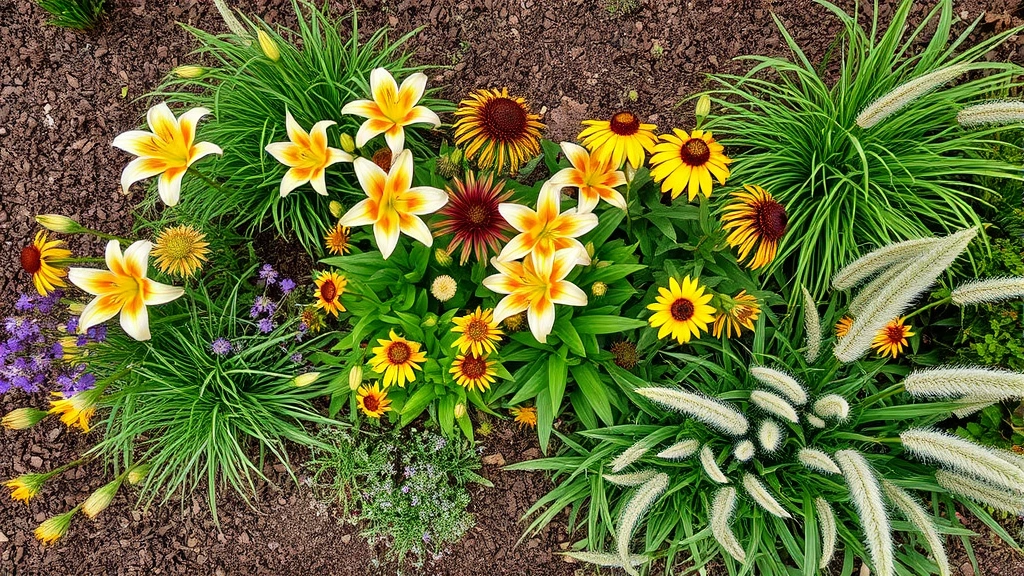
Where to Plant Perennials? Gardener’s Advice
Perennials are the backbone of any thriving garden, returning year after year with reliable blooms and established root systems that make them easier to maintain than annuals. But knowing where to plant them is just as important as knowing what to plant. The right location determines whether your perennials will flourish or struggle, whether they’ll produce abundant flowers or fade into mediocrity. This comprehensive guide will help you select the perfect spots for your perennial plants, considering sunlight, soil conditions, water drainage, and your garden’s overall design.
The difference between a garden that looks professionally designed and one that appears haphazard often comes down to thoughtful plant placement. When you understand how to position perennials strategically, you’re not just growing plants—you’re creating a living landscape that evolves and improves with each passing season. Whether you’re working with a small urban garden or sprawling countryside property, these principles will guide you toward success.
Understanding Your Garden’s Sunlight Patterns
Before you plant a single perennial, spend time observing your garden throughout the day and across different seasons. Sunlight patterns change dramatically from spring to summer to fall, and what receives full sun in June might be partially shaded by August when trees leaf out completely. Most perennials fall into three sunlight categories: full sun (6+ hours of direct sunlight), partial shade (3-6 hours), and full shade (less than 3 hours).
Full sun perennials like coneflowers, black-eyed Susans, and lavender thrive in open, south-facing locations. These plants have evolved to handle intense heat and UV exposure, developing thicker leaves and more robust growth. When you place sun-loving perennials in shade, they become leggy, flower poorly, and invite disease. Conversely, shade-tolerant perennials like hostas, hellebores, and bleeding hearts develop leaf burn and stress when exposed to too much direct afternoon sun, particularly in hot climates.
Pay special attention to afternoon sun exposure in your region. In northern climates, afternoon sun is generally beneficial, but in southern regions with intense heat, afternoon shade can prevent stress and extend bloom periods. East-facing locations offer gentle morning sun, which is ideal for many perennials. West-facing spots receive harsh afternoon and evening sun, which can be excellent for heat-tolerant species but challenging for others. Consider creating a cottage garden design that incorporates perennials suited to your specific sun exposure patterns.
Soil Preparation and Drainage Considerations
The best planting location in the world won’t help a perennial if the soil doesn’t support its needs. Most perennials prefer well-draining soil rich in organic matter, but requirements vary significantly by species. Before planting, conduct a simple drainage test: dig a hole, fill it with water, and see how long it takes to drain. If water disappears within a few hours, you have good drainage. If it sits for a day or more, you need to amend the soil or choose perennials adapted to wet conditions.
Heavy clay soils are common in many regions and can spell disaster for perennials that demand drainage. When you make a raised garden bed, you gain complete control over soil composition, which is invaluable for growing perennials in challenging locations. Raised beds allow you to blend quality topsoil, compost, and drainage materials to create the ideal growing medium. For in-ground planting, amend clay soils with aged compost, peat moss, and perlite to improve structure and drainage.
Soil pH also influences where you should plant perennials. Acid-loving plants like peonies and hellebores need lower pH levels, while many Mediterranean perennials prefer neutral to slightly alkaline soil. A soil test through your local USDA Natural Resources Conservation Service provides specific pH and nutrient information. Once you understand your soil’s characteristics, you can either amend it to suit desired perennials or select plants naturally suited to your existing conditions. Remember to incorporate garden fertilizer and organic amendments when establishing perennial beds to ensure long-term success.
Perennial Height and Garden Structure
Strategic height placement creates visual interest and ensures all plants receive adequate light and air circulation. The classic approach places tall perennials (3-5 feet) at the back of beds, medium-height varieties (18-36 inches) in the middle, and short perennials (under 18 inches) at the front. This tiered arrangement allows viewers to see all plants clearly and prevents tall varieties from shading shorter neighbors.
However, context matters. In island beds viewed from all sides, place the tallest perennials in the center, graduating down to shorter plants at the edges. In foundation plantings against your home, tall perennials belong near the house with shorter plants extending outward. Consider how the garden appears from your primary vantage points—from your patio, kitchen window, or main walkway.
Tall perennials like delphiniums, Russian sage, and Joe-Pye weed often benefit from strategic placement near structures, fences, or other tall plantings that provide wind protection. These plants can become top-heavy when in full bloom, and wind exposure in open locations may require staking. By positioning them thoughtfully, you reduce maintenance needs while creating a more integrated landscape design.
Don’t overlook the value of height variation within color groups. Planting daylilies in multiple heights creates depth and prevents a flat, monotonous appearance. Similarly, grouping hostas of various sizes creates visual rhythm that’s more interesting than uniform plantings. When you’re planning garden layout principles, apply these same height considerations to your perennial borders.
Creating Color and Texture Combinations
The location where you plant perennials affects how their colors and textures interact with surrounding plants and hardscape features. Pale-colored perennials like white phlox and silver-foliaged artemisia create luminous focal points when placed in shaded areas or against dark backgrounds like evergreen shrubs or wooden fences. These same plants can disappear into bright, sunny locations where they blend with harsh light.
Conversely, deep purples and burgundies make stronger visual statements in sunny locations where light enhances their richness. Place these darker perennials near lighter-colored plants or structures to create contrast. Warm-toned perennials—yellows, oranges, and reds—feel energizing and expansive, making them excellent choices for creating intimate garden rooms or drawing attention to specific areas.
Texture plays an equally important role in perennial placement. Fine-textured perennials like baby’s breath and Russian sage create airy, ethereal effects and work beautifully as transition plants between bold-textured varieties. Coarse-textured plants like hostas and bergenia serve as anchors, providing visual weight and substance. Combining textures strategically prevents gardens from feeling either too delicate or too heavy.
Consider how perennials interact with your hardscape elements. Ornamental grasses soften the edges of pathways and garden stones and stepping stones, creating a more natural transition between cultivated and wild spaces. Spiky perennials like yucca and iris contrast beautifully with rounded stone features. When you choose the best garden hose and irrigation system for your perennials, consider how water features might enhance textural combinations in your design.
Seasonal Interest and Succession Planting
The best perennial gardens provide interest throughout the year, not just during peak bloom season. This requires thoughtful placement of plants with staggered bloom times and varying seasonal characteristics. Spring bloomers like hellebores and creeping phlox should be positioned where they’re visible from main viewing areas during early spring when other garden interest is limited. By late spring, these fade into the background as summer bloomers like coreopsis and salvia take center stage.
Plan for three-season color by incorporating perennials that bloom at different times: spring bloomers (tulips, hellebores, bleeding hearts), summer bloomers (daylilies, coneflowers, phlox), and fall bloomers (asters, sedum, goldenrod). Position fall bloomers prominently since their colors feel especially valuable as other plants decline. Include evergreen and winter-interest perennials like ornamental grasses, sedums, and hellebores that provide structure and visual appeal during dormant months.
Foliage becomes increasingly important in late season and winter. Hostas offer dramatic foliage throughout the growing season and interesting dried leaves in fall. Coral bells provide colorful foliage from spring through frost. Ornamental grasses transform from green to gold, bronze, and rust tones as temperatures cool. Position these foliage-focused plants where they’re visible during times when flowering perennials are scarce, such as near pathways or seating areas used in fall and winter.
Succession planting ensures continuous bloom by staggering multiple plantings of the same perennial variety. Rather than planting five daylilies in the same location, plant them at different spots in your garden or stagger planting times to extend bloom season. This approach maximizes color impact throughout summer and prevents the appearance of sudden gaps when popular perennials finish blooming.
Special Planting Locations
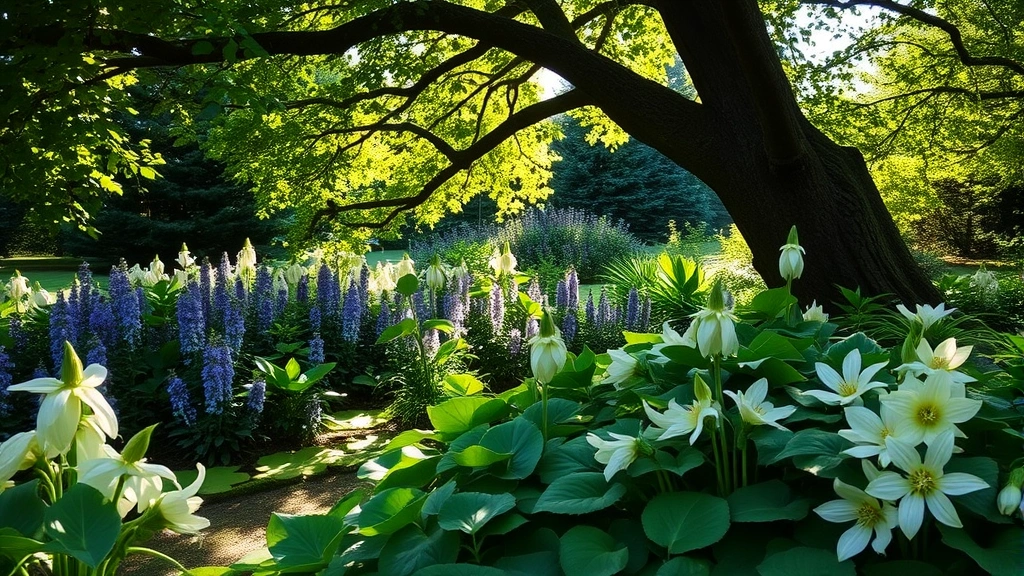
Woodland and Shade Gardens: Shaded locations under mature trees present unique opportunities for shade-loving perennials. These areas often have poor soil due to root competition and leaf litter, but they offer cool, moist conditions that many perennials prefer. Hellebores, hostas, epimedium, and woodland phlox thrive in these locations. Avoid planting directly under tree canopies where water runoff concentrates; instead, plant on gentle slopes where moisture distribution is more even. Improve poor soil with generous amounts of compost before planting.
Wet and Boggy Areas: Instead of fighting wet soil, embrace it by planting perennials adapted to moisture. Astilbe, Joe-Pye weed, cardinal flower, and marsh marigold flourish where other plants struggle. These locations often benefit from improved drainage through installation of perforated pipes or raised planting areas, but moisture-loving perennials can thrive with minimal modification. Position these plants where their reflective qualities near water features create additional visual interest.
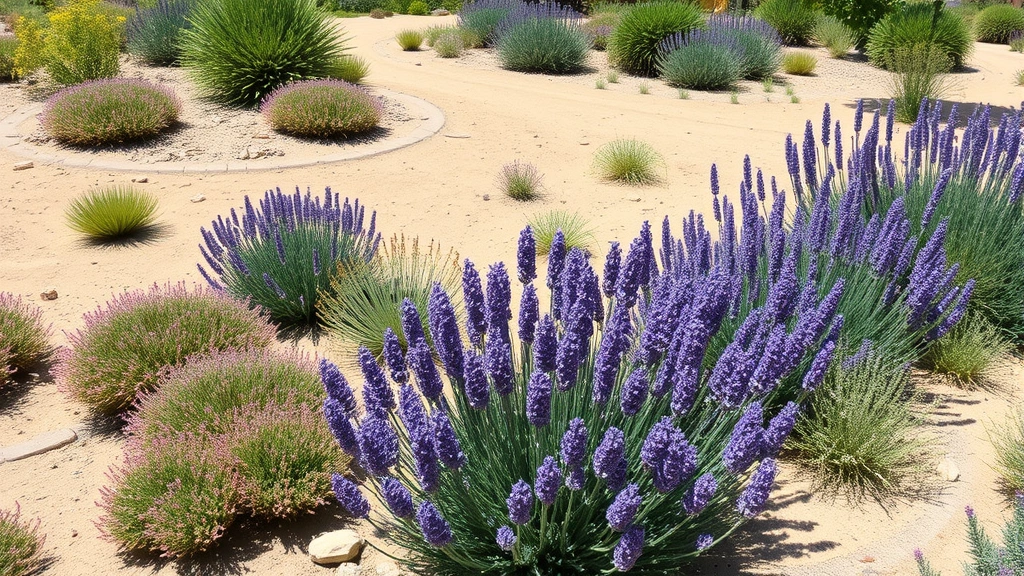
Dry, Challenging Locations: Sunny, dry areas exposed to wind and poor soil test many gardeners’ patience. However, these locations are perfect for drought-tolerant perennials that require minimal supplemental water once established. Sedums, lavender, catmint, Russian sage, and blanket flower thrive in these conditions and actually prefer lean soil. Grouping drought-tolerant perennials together creates cohesive, low-maintenance plantings that reduce overall garden watering needs.
Coastal and Windy Locations: Salt spray and constant wind stress plants differently than inland gardens. Coastal perennials need salt tolerance and wind resistance. Baptisia, catmint, lamb’s ear, and beach rose handle these conditions well. Plant in sheltered locations when possible, and consider wind-breaks using salt-tolerant shrubs or structures. Avoid tall, delicate perennials that break easily in strong wind.
Container and Raised Bed Locations: Perennials in containers and raised beds require different placement considerations than in-ground plantings. Containers dry quickly and heat intensely, so choose perennials tolerant of these conditions. Position containers where you want immediate visual impact—near entryways, on patios, or along pathways. Raised beds offer excellent drainage and easier maintenance, making them ideal for perennials with specific soil requirements. These elevated plantings also work well for creating accessible gardens for gardeners with mobility limitations.
FAQ
Can I plant perennials in spring or fall, and does timing affect location selection?
Both spring and fall are excellent planting times in most regions. Fall planting (September through November) allows roots to establish during cool, moist weather before winter dormancy, resulting in stronger plants the following spring. Spring planting works well but provides less time for root establishment before summer heat. Timing doesn’t dramatically affect location selection, but newly planted perennials benefit from afternoon shade during their first summer, regardless of season.
How far apart should I space perennials when planting?
Spacing depends on mature plant size and desired density. A good rule is to divide the mature width by two to determine spacing. A perennial that reaches 3 feet wide should be planted 18 inches from neighbors. Closer spacing creates fuller, more lush beds but may require division sooner, while wider spacing allows each plant room to develop fully. Consider the location’s aesthetic goals when deciding spacing.
What’s the best way to transition between different light conditions in my garden?
Create zones that gradually transition from sun to shade. Full sun perennials might gradually give way to partial shade varieties, which then transition to true shade plants. This creates a natural progression that’s visually appealing and practical. Use tall shade-tolerant perennials to filter harsh afternoon sun for more delicate shade plants, creating microclimates within your garden.
Should I amend soil differently for different perennials in the same bed?
While you can amend soil differently for individual plants, it’s more practical to create beds suited to perennial groups with similar needs. Grouping drought-tolerant perennials together allows you to minimize soil amendments and water, while shade-loving perennials benefit from consistent moisture-retentive soil enriched with compost. This approach simplifies maintenance and creates more cohesive, functional plantings.
How do I know if a perennial is in the wrong location?
Signs of poor placement include leggy growth, poor flowering, pest or disease problems, and general decline despite proper care. Pale or sun-loving perennials in shade become thin and weak. Sun-loving plants in partial shade flower sparsely. Drought-tolerant perennials in wet soil develop root rot. If a plant consistently underperforms, consider relocating it to a more suitable spot rather than fighting against its natural preferences.
Can I successfully grow perennials in containers?
Yes, many perennials thrive in containers, though they require more frequent watering and feeding than in-ground plantings. Choose compact varieties suited to container growing, and ensure adequate drainage. Perennials in containers need winter protection in cold climates—either move containers against a building’s south-facing wall or mulch heavily to insulate roots. Containers work wonderfully for creating portable gardens and for growing perennials in locations with poor in-ground soil.


