Best Raised Bed Clearance? Expert Recommendations
Raised garden beds have revolutionized how home gardeners approach vegetable and flower cultivation, offering improved drainage, better soil control, and accessibility. However, one critical factor that many gardeners overlook is proper clearance around and beneath their raised beds. Understanding the optimal spacing requirements isn’t just about aesthetics—it directly impacts plant health, pest management, disease prevention, and your ability to maintain the garden effectively throughout the growing season.
Whether you’re installing your first raised bed or redesigning an established garden space, knowing the right clearance specifications ensures your plants thrive while making maintenance manageable. This comprehensive guide explores expert recommendations for raised bed spacing, distances from structures, and ground clearance that will transform your gardening success.
Horizontal Clearance Between Raised Beds
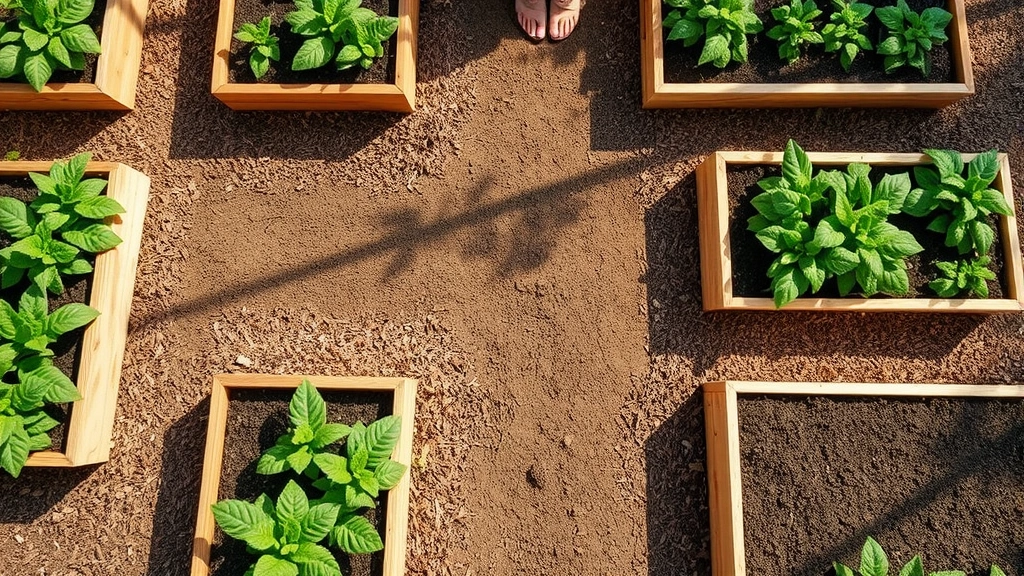
The spacing between individual raised beds is one of the most important decisions you’ll make when planning your garden layout. Most gardening experts recommend maintaining at least 24 to 36 inches between the outer edges of adjacent raised beds. This spacing allows comfortable access for weeding, harvesting, and general maintenance while ensuring adequate air circulation around plants.
For smaller gardens where space is limited, you can reduce spacing to 18 inches minimum, though this creates a more cramped work environment. Professional market gardeners and those managing raised bed gardening systems often prefer 36 to 48 inches between beds to accommodate wheelbarrows and allow two people to work simultaneously without interfering with each other.
The width of pathways between beds should accommodate your primary maintenance tools. Standard garden paths need at least 24 inches for comfortable single-person access, but 30 to 36 inches is preferable for wheelchair accessibility and easier maneuvering with equipment. If you plan to use garden carts or small tillers, ensure pathways are wide enough—typically 36 to 48 inches.
Consider the layout pattern when spacing beds. Linear arrangements with beds running parallel require consistent spacing, while staggered or cluster arrangements may benefit from varied spacing to optimize your garden’s flow and functionality.
Distance from Structures and Fences
Maintaining proper distance between raised beds and existing structures is essential for plant health and structural integrity. Keep raised beds at least 3 to 4 feet away from house foundations to prevent moisture issues that could damage the structure and to ensure adequate airflow around the beds. This distance also prevents roots from interfering with foundation drainage systems and reduces pest pathways directly into your home.
When positioning beds near fences, maintain at least 2 to 3 feet of clearance from the fence line. This spacing prevents the fence from creating excessive shade and allows you to access the back side of beds for cleaning and maintenance. If your fence runs north-south, this clearance becomes even more critical, as it reduces shadowing effects on east-west facing beds.
For raised beds adjacent to trees, position them at least 5 to 6 feet away from tree trunks. Tree roots extend far beyond the visible canopy and will aggressively compete with your garden plants for water and nutrients. Additionally, tree shade becomes increasingly problematic as you place beds closer to the trunk, potentially reducing vegetable yields by 30 to 50 percent.
Maintain at least 4 to 5 feet of clearance from deck posts, pergolas, and other garden structures. This prevents plants from interfering with structural integrity and allows adequate air circulation to prevent wood rot and pest infestations in treated lumber structures.

Ground Clearance and Foundation Requirements
The space between your raised bed and the ground surface is crucial for preventing pest infiltration and promoting healthy drainage. Elevate beds 6 to 12 inches above ground level to create a physical barrier against burrowing pests like voles, moles, and gophers. This elevation also improves drainage and prevents standing water around the bed perimeter.
If you’re dealing with persistent ground pests, consider installing hardware cloth or metal screening on the bed bottom, extending it 6 to 12 inches outward along the ground. This creates an effective barrier while still allowing drainage and root development. The screening should have openings no larger than 1/4 inch to prevent small rodents from penetrating.
For raised beds placed directly on soil, ensure the ground is level before installation. Uneven ground creates gaps where pests can enter and causes water to pool in certain areas. If your ground slopes, either level the area or use adjustable feet to achieve a level bed surface.
When establishing beds on patios, decks, or hard surfaces, use at least 2 to 4 inches of clearance beneath the bed frame to allow water drainage and prevent moisture accumulation that could damage the underlying surface. This spacing also prevents pest harboring in the tight space between bed and surface.
Clearance for Tall Plants and Trellises
Vertical gardening elements require special clearance considerations. Plant tall vegetables and install trellises at least 3 feet away from shorter plants to prevent excessive shading. Tomatoes, pole beans, and tall sunflowers create shadows that move throughout the day, so calculate shade patterns based on your garden’s orientation and local sun angle.
Trellises and arbors should maintain at least 2 to 3 feet of clearance from pathways to prevent them from becoming obstacles. Vining plants covering trellises will extend the structure’s footprint by 6 to 12 inches, so account for this growth when planning spacing.
For climbing plants and tall structures, ensure at least 4 to 6 feet of vertical clearance from overhead power lines and tree branches. This prevents electrical hazards and reduces disease transmission from tree canopies to your vegetable plants. Many local utilities recommend even greater distances—check your area’s specific regulations.
When using tiered or stacked raised beds, maintain at least 12 to 18 inches of vertical clearance between levels to allow adequate sunlight penetration to lower beds and provide comfortable access for maintenance and harvesting.
Pathways and Accessibility Spacing
Well-designed pathways are essential for successful raised bed gardening. The proper spacing of garden pathways determines how efficiently you can work and maintain your beds. Standard recommendations include:
- Primary pathways: 36 to 48 inches wide for wheelbarrow and equipment access
- Secondary pathways: 24 to 30 inches wide for comfortable single-person passage
- Accessibility pathways: 48 to 60 inches for wheelchair navigation
- Utility pathways: 18 to 24 inches for occasional foot traffic
Pathway materials affect how much clearance you actually need. Mulched pathways settle over time and should be 3 to 4 inches deep initially. Hardscape pathways like gravel or pavers remain stable but may require edging to maintain clear boundaries.
Consider future expansion when planning pathways. Many gardeners underestimate how their operations grow, and inadequate pathways become a persistent frustration. It’s easier to reduce path width later than to reconfigure established beds.
Sunlight Clearance Considerations
Proper clearance ensures your plants receive adequate sunlight throughout the growing season. Most vegetables require 6 to 8 hours of direct sunlight daily, while leafy greens tolerate 4 to 6 hours. Position raised beds to maximize southern and western exposure in most climates.
Calculate shade patterns by observing your garden at different times of year. Winter sun angles differ dramatically from summer, affecting how nearby structures and trees shade your beds. Maintain at least 10 to 12 feet of clearance from tall structures that cast long winter shadows, depending on your latitude.
When spacing beds in rows, orient them north-south to prevent taller northern beds from shading southern beds during peak growing season. This orientation also allows you to position tall plants on the north side, creating a natural windbreak for more delicate crops.
Trees provide valuable summer shade in hot climates but may reduce winter sunlight. Calculate the timing of shade changes and plan your bed placement accordingly. Native plants and shade-tolerant species can thrive in areas where full-sun vegetables struggle.

Drainage and Water Management Spacing
Proper clearance around raised beds facilitates water management and prevents drainage problems. Maintain at least 12 to 18 inches of clearance around beds to allow water runoff to disperse evenly rather than pooling in specific areas. This spacing prevents soggy soil conditions that promote root rot and fungal diseases.
Position beds on slight slopes where possible, allowing water to drain naturally away from the garden area. If your garden is on flat ground, create subtle berms or swales to direct water flow. Ensure pathways slope gently to prevent water accumulation.
When installing drip irrigation or soaker hoses, maintain clearance to prevent kinked hoses and water damage to adjacent areas. Keep hoses at least 6 to 12 inches away from structural edges where they could be pinched or damaged.
Consider water source location when planning bed spacing. Maintain easy access to hoses and irrigation connections, typically requiring 24 to 36 inches of clear pathway to water sources. This prevents accidents and makes watering more efficient and enjoyable.
Pest and Disease Prevention Distances
Strategic spacing helps prevent pest and disease spread between beds. Maintain at least 3 to 4 feet of clearance between beds containing different plant families to interrupt pest and disease transmission pathways. Insects and pathogens that target specific plant families spread less readily when separated by adequate distance.
Rotate plant locations annually, moving beds at least 3 to 4 feet from previous positions if possible. This breaks disease cycles and prevents soil-borne pathogens from accumulating in specific areas. If beds are permanent, rotate crops within each bed rather than between beds.
Spacing between beds facilitates air circulation, which reduces humidity and fungal disease pressure. Ensure at least 24 inches of clearance in all directions around each bed to promote airflow. This becomes increasingly important in humid climates where powdery mildew, early blight, and other fungal diseases thrive in stagnant air.
Keep beds away from wild vegetation where pests harbor. Maintain at least 6 to 10 feet of clearance from unmowed areas, brush piles, and weed patches. These areas host beneficial insects but also harbor pest populations and disease vectors. This distance reduces pest pressure while preserving beneficial insect habitat.
When using garden fertilizers and soil amendments, maintain clearance to prevent runoff toward structures or neighboring properties. This spacing ensures your gardening practices remain environmentally responsible and maintains good relationships with neighbors.
FAQ
What’s the minimum space between raised beds for accessibility?
The absolute minimum is 18 inches, but 24 to 36 inches is preferable for comfortable access and maintenance. For wheelchair accessibility, maintain 48 to 60 inches of clear pathway width.
How far should raised beds be from house foundations?
Maintain at least 3 to 4 feet of clearance from foundations to prevent moisture issues and pest pathways. This distance also ensures adequate airflow and protects drainage systems.
Can I place raised beds directly against fences?
No, maintain at least 2 to 3 feet of clearance from fences to allow airflow, reduce shading, and enable access for maintenance. Beds directly against fences suffer from poor ventilation and create pest harboring areas.
How much ground clearance prevents burrowing pests?
Elevate beds 6 to 12 inches above ground level to create a barrier against voles, moles, and gophers. For serious pest problems, install 1/4-inch hardware cloth extending 6 to 12 inches outward from the bed bottom.
What clearance do tall plants need from shorter ones?
Position tall plants and trellises at least 3 feet away from shorter plants to prevent excessive shading. Calculate shade patterns based on your location’s sun angle and seasonal changes.
How does clearance affect disease prevention?
Adequate clearance promotes air circulation, which reduces humidity and fungal disease pressure. Maintain at least 24 inches of clearance around each bed, and space different plant families 3 to 4 feet apart to interrupt disease transmission.
Should clearance requirements change based on climate?
Yes, humid climates benefit from even greater spacing to maximize air circulation and prevent fungal diseases. Hot, arid climates may use slightly reduced spacing since disease pressure is lower, but maintain minimum distances for maintenance access.
What’s the best spacing for herb gardens?
Herb gardens in raised beds benefit from the same spacing guidelines as vegetable gardens. Maintain 24 to 36 inches between beds and provide adequate airflow. Many herb garden setups use tighter spacing since herbs tolerate closer quarters better than vegetables.


