Praying Mantis in Garden? Entomologist Insights on Growing a Garden Allies Attract
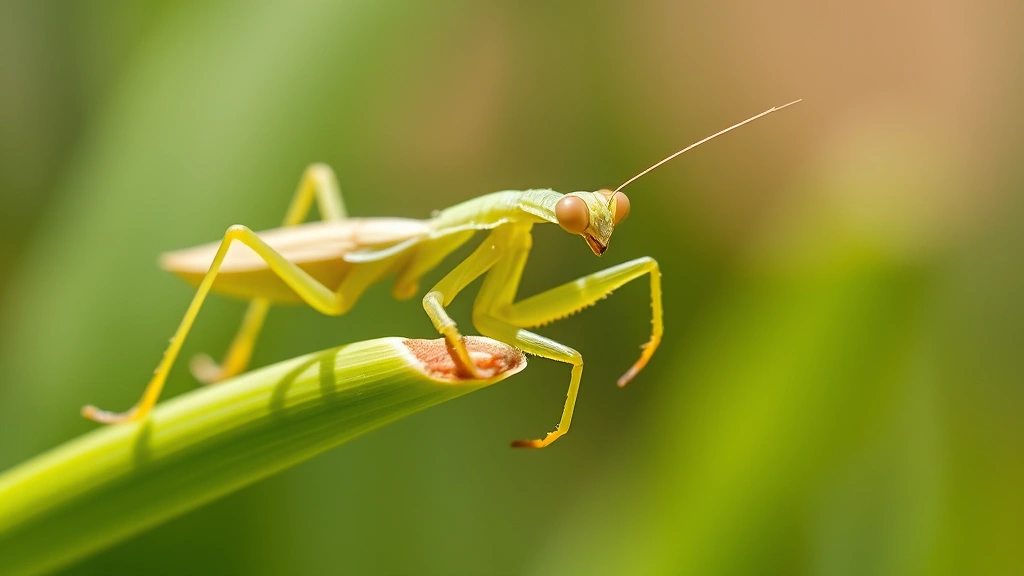
Discovering a praying mantis in your garden is like finding a tiny, emerald guardian patrolling your plants. These fascinating insects are nature’s pest control specialists, and understanding how to attract and support them can transform your growing space into a thriving ecosystem. Whether you’re cultivating vegetables, herbs, or ornamental plants, praying mantises offer biological pest management that reduces your reliance on chemical interventions.
As an entomologist’s perspective reveals, praying mantises aren’t just beneficial—they’re essential allies for serious gardeners. These ambush predators consume hundreds of insects throughout their lifecycle, targeting aphids, beetles, caterpillars, and grasshoppers that would otherwise devastate your crops. The presence of mantises indicates a healthy garden ecosystem with sufficient biodiversity to support complex food webs.

Understanding Praying Mantis Behavior and Diet
Praying mantises are solitary, sit-and-wait predators that use their powerful raptorial front legs to snatch prey with lightning-fast reflexes. Unlike ground beetles or ladybugs that actively hunt, mantises remain stationary on vegetation, waiting for unsuspecting insects to venture within striking distance. This hunting strategy makes them particularly effective in gardens where pest populations congregate on plant foliage.
A single praying mantis can consume 20-30 insects per week during active feeding season, though their appetite varies with temperature and individual size. Adult mantises typically prey on medium-sized insects—grasshoppers, crickets, moths, flies, and small beetles—while nymphs (juvenile mantises) hunt smaller prey like aphids and gnats. This dietary flexibility means mantises adapt to whatever pest pressures exist in your specific garden environment.
The hunting success rate for mantises is remarkably high, with strike accuracy exceeding 80-90% depending on prey speed and vegetation density. Their compound eyes provide exceptional vision, allowing them to detect movement from several feet away. Understanding this predatory excellence helps gardeners appreciate why maintaining mantis populations delivers superior pest control compared to introducing single-species beneficial insects.
Temperature significantly influences mantis activity levels. These ectothermic insects become more active as temperatures rise above 55°F (13°C), with peak hunting behavior occurring between 70-85°F (21-29°C). In cooler climates or during shoulder seasons, mantises may remain relatively inactive, though they continue consuming prey at reduced rates. This seasonal variation is crucial when planning your garden’s integrated pest management strategy.
Creating Ideal Habitat Conditions
Building a mantis-friendly garden requires understanding their specific habitat preferences. These insects need vertical structure—tall vegetation, shrubs, and woody stems where they can perch and hunt effectively. A well-designed DIY raised garden bed provides excellent foundation for layered planting that supports mantis populations, but the real magic happens when you add vertical dimension through companion planting and structural elements.
Vegetation density and diversity are paramount. Mantises require adequate spacing between plants to move freely and position themselves for hunting, yet sufficient plant material to provide shelter and hunting platforms. Dense monocultures of a single vegetable variety rarely support healthy mantis populations, whereas diverse plantings with varied heights create microhabitats that mantises prefer. Consider incorporating perennial grasses, flowering shrubs, and herbaceous plants that create natural scaffolding.
A cedar raised garden bed framework can be enhanced with trellises, stakes, and climbing plants that provide vertical structure. Mantises particularly favor plants with rough bark or textured surfaces that provide secure grip points. Avoid over-pruning or heavily grooming your garden—a slightly wild appearance with some dead wood and leaf litter actually improves mantis habitat quality.
Moisture availability influences mantis presence and activity. While mantises don’t require standing water, they benefit from morning dew and occasional misting during dry periods. Ensure your garden watering practices maintain adequate soil moisture without creating waterlogged conditions that would disrupt their hunting ground. Drip irrigation systems or soaker hoses work better than overhead watering, which can dislodge mantises from their hunting positions.
Light exposure also matters. Mantises prefer areas with dappled shade where they can hunt without overheating, though they’re not strictly nocturnal. Gardens with mixed sun and shade throughout the day provide optimal conditions. South-facing gardens in cooler climates support more active mantis populations, while northern regions benefit from the temperature moderation that afternoon shade provides.
Plant Selection for Mantis Support
The plants you choose directly influence whether mantises colonize and thrive in your garden. Rather than selecting plants solely for human consumption or aesthetic appeal, consider how each species supports the broader insect ecosystem that mantises depend upon.
Flowering plants are essential. Mantises hunt insects attracted to flowers—bees, flies, moths, and butterflies that visit blooms. By maintaining continuous flowering throughout the growing season, you ensure steady prey availability for your mantis population. Native wildflowers, pollinator-friendly perennials, and flowering vegetables like zucchini and cucumber provide excellent hunting grounds.
An herb garden offers multiple benefits for mantis support. Herbs like dill, fennel, cilantro, and parsley flower profusely and attract diverse insect populations. These same herbs provide shelter for mantises and their prey. Growing mint in pots separately prevents aggressive spreading while still contributing to your beneficial insect ecosystem when positioned strategically near main garden beds.
Shrubs and woody perennials deserve prominent placement in mantis-supporting gardens. Dogwoods, viburnums, serviceberries, and native spireas provide year-round structure, flowering resources, and shelter. These plants also attract insects that become prey for mantises. In temperate regions, evergreen shrubs offer winter shelter where mantis egg cases (oothecae) can overwinter safely.
Tall grass plantings, whether ornamental varieties or native prairie species, create excellent mantis habitat. These grasses provide vertical structure, shelter, and attract grasshoppers and crickets that mantises actively hunt. Even small grass plantings between vegetable beds improve mantis populations significantly.
Avoid pesticide-treated plants. When purchasing nursery plants, verify they haven’t been treated with systemic insecticides that persist in plant tissues. These chemicals kill the insects mantises depend upon for food, effectively starving your beneficial predators. Organic nurseries and native plant specialists typically offer untreated stock.
Seasonal Considerations and Life Cycles
Praying mantis populations follow predictable seasonal patterns that gardeners should understand. In temperate regions, most mantis species complete one generation annually, with eggs laid in fall and nymphs emerging in spring.
Spring emergence (April-May in most temperate zones) marks the beginning of mantis activity. Tiny nymphs disperse from overwintering egg cases, immediately beginning their predatory lifestyle. During this period, prey availability is critical—early-emerging insects like aphids and small flies sustain young mantises. Maintaining flowering plants and avoiding pesticide sprays during spring ensures nymph survival.
Summer represents peak mantis activity and growth. Nymphs undergo 6-10 molts as they develop, each requiring adequate nutrition and shelter. By mid-summer, many mantises reach adult size and begin hunting larger prey. This is when mantis presence becomes most visible and their pest control benefits most apparent. Consistent watering and pest management during summer months supports healthy mantis populations.
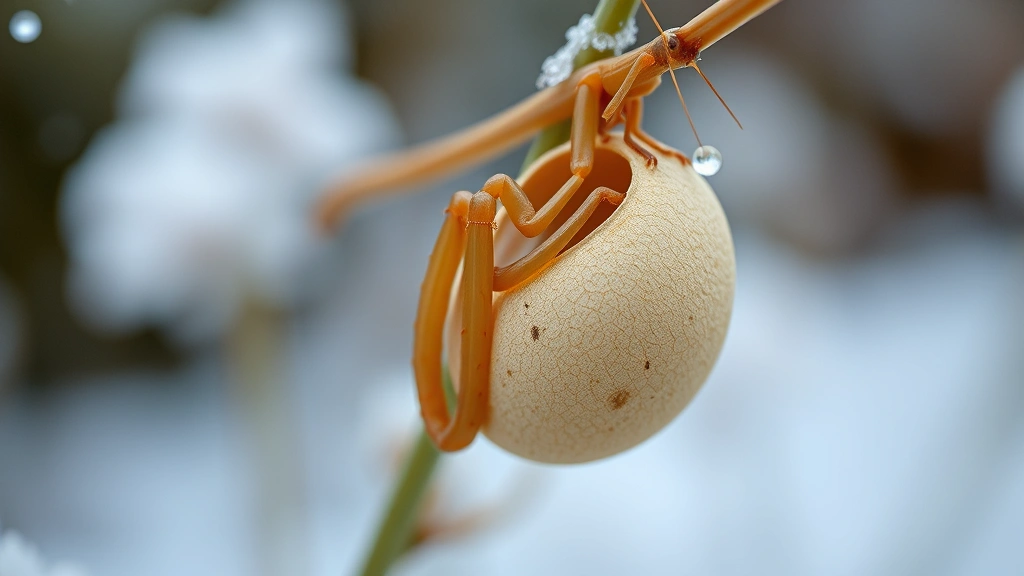
Fall (September-October) brings mating behavior and egg deposition. Female mantises lay eggs in protective cases (oothecae) that attach to plant stems, fence posts, or structures. These tan, foam-like cases are roughly 1-2 inches long and contain 100-300 eggs. Gardeners should avoid removing these cases—they’re your insurance policy for next year’s mantis population. Mark their locations mentally or photographically to protect them during fall cleanup.
Winter survival depends on egg case protection. In harsh climates, insulating mulch around plants or leaving some vegetation standing provides critical protection for overwintering oothecae. Exposed egg cases in open areas face predation from birds and weather damage. A garden in the woods naturally provides better egg case protection than exposed vegetable gardens.
Late-season pest management requires caution. Avoid broad-spectrum pesticides in fall when mantises are preparing for winter. Even organic sprays can eliminate prey insects that support mantis survival through dormancy.
Avoiding Common Mistakes
Many well-intentioned gardeners inadvertently eliminate their mantis populations through common practices.
Over-cleaning and tidiness: Removing all dead vegetation, fallen leaves, and woody debris destroys mantis shelter and overwintering habitat. Resist the urge to make your garden pristine. Leave brush piles, standing vegetation, and leaf litter in garden corners to support mantis populations.
Pesticide application: Both synthetic and organic pesticides kill mantises directly or indirectly by eliminating their prey. Even insecticidal soaps and neem oil affect mantis populations. If pest problems exceed mantis control capacity, use targeted applications only on specific plants rather than garden-wide spraying.
Excessive watering: While moisture is beneficial, waterlogged conditions drown mantises and their prey insects. Adjust irrigation to maintain soil moisture without creating swampy conditions.
Monoculture plantings: Gardens with single vegetable varieties or limited plant diversity lack the structural complexity mantises require. Diverse plantings with varied heights and flowering schedules support robust mantis populations.
Removing egg cases: Mistaking oothecae for pest egg cases and destroying them eliminates next year’s mantis population. Learn to identify mantis egg cases—they’re distinctive tan, papery structures that feel brittle to touch.
Introducing incompatible predators: Aggressive insect predators like certain parasitic wasps or ground beetles may parasitize or prey on mantises. Research beneficial insect compatibility before introducing multiple species.
Ignoring temperature requirements: In cool climates, maintaining warm microclimates through mulching and shelter helps mantises remain active longer into fall and emerge earlier in spring.
FAQ
How do I attract praying mantises to my garden?
Attract mantises by creating diverse, vegetated habitat with flowering plants, shrubs, and tall grasses. Maintain adequate moisture, avoid pesticides, and leave structural elements like dead wood and leaf litter. Mantises will colonize naturally once suitable habitat exists. You can also purchase mantis egg cases from reputable suppliers and attach them to plants in your garden for guaranteed spring emergence.
Are praying mantises safe to have around children and pets?
Praying mantises pose no danger to humans, children, or pets. They cannot bite or sting in any harmful way, though they might strike defensively if roughly handled. Their presence is entirely beneficial, making them excellent educational subjects for children learning about natural pest control.
What’s the best time to introduce mantis egg cases?
Fall (September-November) is ideal for placing purchased egg cases where they’ll overwinter naturally. Alternatively, spring placement works if egg cases have been cold-stratified. Attach cases 2-3 feet high on sturdy plant stems or structures in full sun areas of your garden.
Can I keep praying mantises indoors?
While mantises can survive indoors temporarily, they thrive best in outdoor garden environments where natural prey populations sustain them. Indoor maintenance requires constant live insect feeding, which becomes impractical for most gardeners. Outdoor gardens provide superior long-term mantis habitat.
Do praying mantises eat beneficial insects?
Yes, mantises are non-selective predators that consume any insects they can catch, including beneficial species like ladybugs and parasitic wasps. However, this predation is offset by mantises’ superior pest control benefits. The trade-off generally favors mantis presence in most garden situations.
How long do praying mantises live?
Adult mantises typically live 4-8 weeks after reaching maturity, with females generally living longer than males. From egg case emergence to adult death spans approximately 4-5 months, representing one complete annual generation in most temperate regions.