Metal garden edging has become a popular choice for gardeners looking to define beds, prevent soil erosion, and create clean landscape lines. But does it actually deliver on its promises? After examining the evidence and gathering insights from horticultural experts, the answer is nuanced. Metal edging can be remarkably effective when chosen and installed correctly, but its success depends on your specific garden conditions, climate, and maintenance commitment.
Whether you’re starting your gardening journey as a beginner or managing an established landscape, understanding the capabilities and limitations of metal garden edging will help you make an informed decision. This comprehensive guide explores the effectiveness of metal edging from multiple angles, including durability, weed control, aesthetic appeal, and practical installation considerations that will shape your garden design for years to come.
What Is Metal Garden Edging and How Does It Work
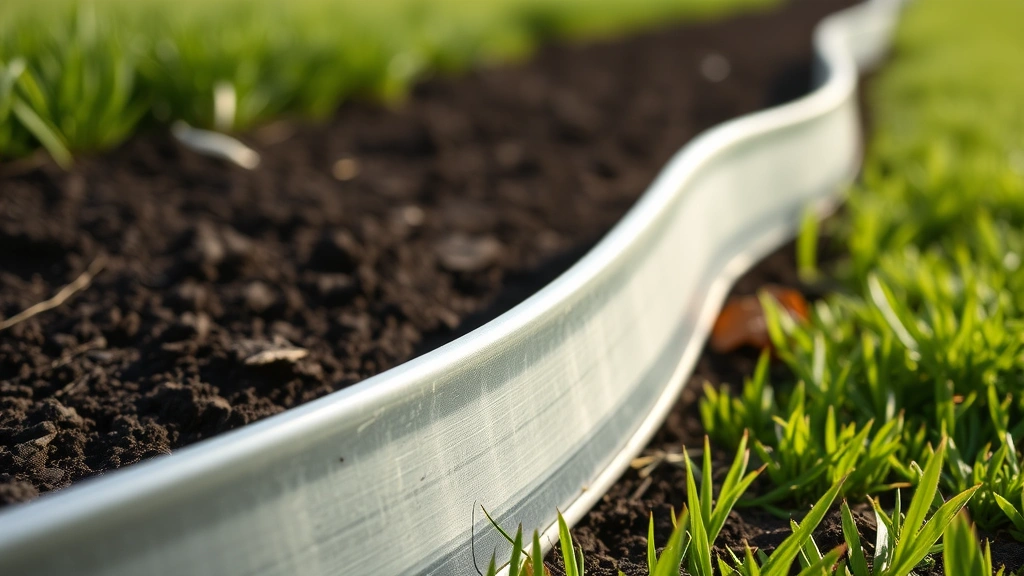
Metal garden edging consists of thin metal barriers installed along the perimeter of garden beds to create a defined boundary between planting areas and surrounding spaces like lawns or pathways. The edging works through several mechanisms: it physically blocks the spread of grass roots and rhizomes, contains soil within designated areas, prevents mulch from dispersing into adjacent spaces, and creates visual definition that enhances garden aesthetics.
The effectiveness of metal edging hinges on proper installation depth and positioning. Most experts recommend installing edging at least 4-6 inches deep, with approximately 1-2 inches above ground level. This depth prevents shallow-rooted perennial grasses and weeds from creeping underneath, while the above-ground portion creates a visible barrier that discourages foot traffic and defines spaces clearly. The metal material itself doesn’t chemically suppress weeds; rather, it acts as a physical barrier that requires proper maintenance to remain effective.
When integrated into a broader flower garden design, metal edging serves as the structural foundation that keeps your planting scheme organized and visually cohesive. The rigid nature of metal edging means it maintains its shape and position better than organic materials, which can decompose, shift, or compress over time.

Types of Metal Garden Edging Materials
Different metal materials offer varying levels of effectiveness, durability, and aesthetic appeal. Understanding the characteristics of each type helps you select the best option for your specific gardening situation.
Steel Edging: Galvanized or powder-coated steel remains the most popular choice for metal garden edging. Galvanized steel resists rust through a zinc coating, typically lasting 10-15 years before corrosion becomes significant. Powder-coated steel offers superior aesthetics with color options ranging from black to corten finishes, though the coating requires periodic maintenance. Steel edging is rigid, maintains straight lines effectively, and provides excellent weed barrier properties when properly installed.
Aluminum Edging: Lightweight aluminum doesn’t rust and requires minimal maintenance, making it ideal for humid climates or gardens near saltwater. However, aluminum is softer than steel and may bend or dent more easily during installation or when pushed by soil pressure. Its effectiveness for weed control matches steel, but its longevity advantage comes at a higher price point.
Corten Steel: This weathering steel develops a protective rust-like patina that prevents further corrosion while creating an attractive rustic appearance. Corten edging is exceptionally durable, often lasting 20+ years, and the aesthetic appeal improves as the patina develops. The higher cost reflects its superior longevity and low-maintenance characteristics.
Copper Edging: Premium copper edging develops a distinctive green patina over time and offers excellent durability. Copper naturally repels some pests and fungi, providing minor additional benefits beyond physical barrier properties. The aesthetic appeal is exceptional, but cost makes it impractical for large-scale applications.
Effectiveness for Weed Control and Soil Containment
The weed control effectiveness of metal garden edging depends critically on installation depth and maintenance practices. Research from university extension services indicates that properly installed metal edging reduces weed encroachment by 60-80% compared to unedged beds. However, this isn’t a complete solution—shallow-rooted weeds can still establish within the bed, and persistent perennial rhizomes may eventually breach the barrier if not maintained.
For soil containment, metal edging excels. It prevents soil erosion during heavy rains, keeps mulch from spreading into lawn areas, and maintains consistent bed height and shape. When you’re maintaining an herb garden, metal edging proves particularly valuable because it prevents soil migration that could introduce unwanted seeds or contaminants into your culinary plantings.
The most effective approach combines metal edging with additional weed suppression strategies. A landscape fabric or cardboard layer beneath the edging, combined with 2-3 inches of mulch above ground, creates a more comprehensive barrier. Metal edging alone cannot eliminate weeds entirely—it merely reduces their establishment rate and makes hand-pulling easier when weeds do appear.
Soil containment effectiveness remains consistent throughout the growing season and across multiple years. Unlike organic edging materials that compress and decompose, metal edging maintains its original specifications indefinitely, provided it hasn’t corroded or been damaged. This consistency means your bed boundaries remain stable and predictable, crucial for long-term garden planning and plant spacing calculations.
Durability and Longevity Considerations
The durability of metal garden edging varies significantly based on material selection, installation quality, and regional climate conditions. Understanding longevity expectations helps you calculate true cost-effectiveness and plan replacement timelines.
Climate Impact: In temperate climates with moderate moisture, galvanized steel edging typically lasts 12-15 years before significant rust development. In humid subtropical or tropical regions, this lifespan may reduce to 8-10 years. Coastal areas with salt spray exposure accelerate corrosion dramatically, sometimes reducing galvanized steel lifespan to 5-7 years. Aluminum and corten steel perform better in these challenging environments, making them worthwhile investments despite higher initial costs.
Freeze-Thaw Cycles: In northern climates experiencing significant freeze-thaw cycles, soil expansion and contraction can stress metal edging, potentially bending or loosening it over time. Proper installation with adequate soil compaction helps minimize this effect. Corten and aluminum materials handle these cycles better than standard galvanized steel due to their superior structural properties.
Maintenance Requirements: Galvanized and powder-coated steel require occasional inspection for rust development, particularly at cut edges and installation seams. Corten steel develops its protective patina naturally and requires no maintenance beyond occasional debris removal. Aluminum and copper require minimal maintenance, though copper may need periodic cleaning to maintain aesthetic appearance if you prefer the natural patina.
Long-Term Cost Analysis: While premium materials cost more initially, their extended lifespan often results in lower long-term costs. A corten steel edging installation might cost twice as much as galvanized steel but could last twice as long, effectively equalizing the annual cost while reducing replacement labor and disruption.
Installation Best Practices for Maximum Effectiveness
Proper installation determines whether your metal edging achieves its full potential or underperforms. Following these best practices ensures maximum effectiveness and longevity.
Preparation and Planning: Before installation, mark your bed boundaries using string or chalk. For curved designs, lay the edging in place first to verify the curve is gentle enough for metal flexibility. Remove any existing grass or weeds from the installation line. For new beds, consider removing the top 2-3 inches of sod along the edging line to reduce soil volume pushing against the barrier.
Depth and Height: Install edging at least 4-6 inches deep, with 1-2 inches above ground. The underground portion prevents root penetration, while the above-ground portion creates a visible boundary that stops foot traffic and discourages grass spread. For aggressive spreading grasses like bermuda or zoysia, consider increasing depth to 8 inches for enhanced effectiveness.
Soil Preparation: Compact the soil along the installation line before inserting edging. Loose, fluffy soil allows edging to shift and settle unevenly. Use a hand tamper or your feet to firm the soil, creating a stable base that maintains the edging position as soil moisture fluctuates seasonally.
Installation Technique: For straight sections, use a level to ensure the edging maintains consistent height along its length. For curves, gradually bend the edging and check frequently to prevent kinks. Insert edging firmly into the soil, driving it straight down rather than at an angle. Use a rubber mallet rather than a metal hammer to prevent denting or warping.
Anchoring and Securing: In areas with significant soil movement or freeze-thaw cycles, consider using landscape anchors or ground stakes every 3-4 feet to prevent heaving. These prevent seasonal soil expansion and contraction from pushing edging upward or creating gaps.
Sealing Cut Edges: Cut edges on galvanized steel are vulnerable to rust because the zinc coating is compromised. Apply a rust-inhibiting paint or sealant to all cut edges immediately after installation to extend the edging lifespan. This simple step can add several years of protection.
Aesthetic and Design Benefits
Beyond functional effectiveness, metal garden edging provides significant aesthetic advantages that enhance overall landscape appeal. The clean, defined lines created by metal edging give gardens a professional, intentional appearance that distinguishes them from informal, unmaintained landscapes.
Visual Definition: Metal edging creates sharp visual boundaries between planting areas and surrounding spaces. This definition makes gardens appear larger and more organized, as the eye can clearly distinguish between different landscape zones. The effect is particularly pronounced with dark-colored edging, which creates strong contrast against lighter soil or mulch.
Style Versatility: Different metal finishes suit various garden styles. Galvanized steel with its silver-gray tone works well in contemporary or cottage gardens. Corten steel’s rustic patina complements naturalistic or modern landscapes. Copper’s warm tones suit traditional or formal gardens. This versatility means metal edging can enhance your design aesthetic rather than detracting from it.
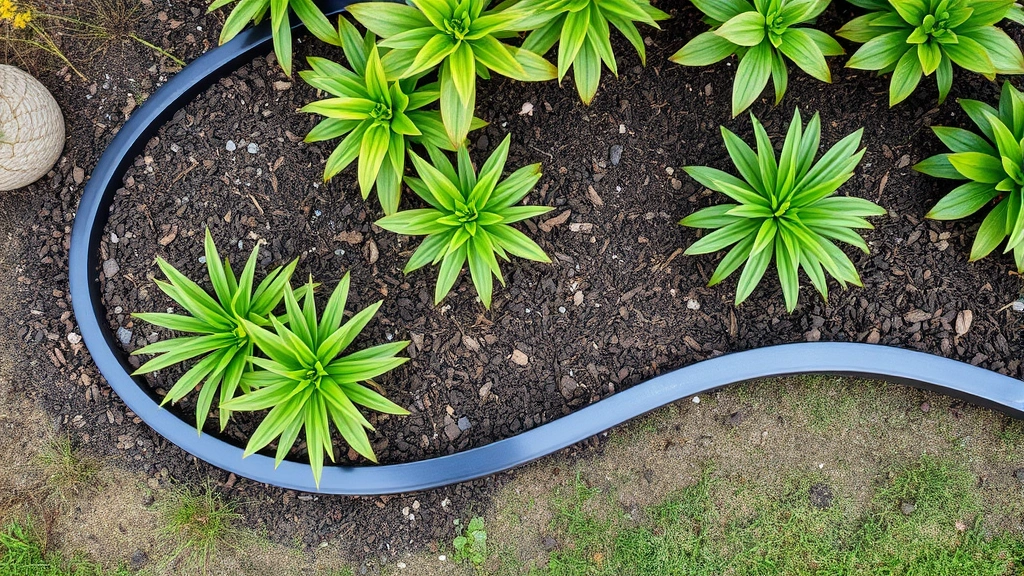
Design Flexibility: Metal edging accommodates both straight and curved designs. Flexible steel edging can create gentle curves and flowing lines, while rigid aluminum works best for geometric, angular designs. This flexibility allows you to implement sophisticated landscape designs that would be difficult or impossible with rigid alternatives.
Integration with Hardscape: Metal edging transitions beautifully between planting beds and hardscape elements like pathways, patios, and water features. The consistent material creates visual continuity that ties your landscape together cohesively. When designing a cactus garden or other specialized plantings, metal edging provides the structural framework that showcases your plants effectively.
Cost-Benefit Analysis
Evaluating metal garden edging’s cost-effectiveness requires comparing initial expenses, longevity, maintenance requirements, and aesthetic value.
Initial Installation Costs: Galvanized steel edging costs approximately $0.75-$1.50 per linear foot, making it an economical choice for large installations. Aluminum runs $1.50-$2.50 per linear foot. Corten steel costs $2.00-$3.50 per linear foot. Copper premium material runs $4.00-$6.00+ per linear foot. Labor for professional installation typically adds $1.00-$2.00 per linear foot depending on site conditions and design complexity.
Annual Cost Calculation: A 100-linear-foot galvanized steel installation costing $200 (material and labor) that lasts 12 years equals approximately $16.67 annually. The same installation with corten steel might cost $400 initially but last 25 years, equaling $16 annually—nearly identical when longevity is factored in. This demonstrates why premium materials aren’t always poor investments.
Comparison to Alternatives: Plastic edging costs less initially ($0.25-$0.75 per foot) but typically lasts only 5-8 years before UV degradation and brittleness render it ineffective. Landscape fabric costs little but provides no structural containment and degrades within 3-5 years. Wood edging, while attractive, rots in 5-10 years in most climates. Metal edging’s longevity often makes it the most economical long-term choice despite higher upfront costs.
Value Beyond Cost: The aesthetic improvement and professional appearance provided by quality metal edging adds landscape value that extends beyond simple cost-per-year calculations. Well-edged gardens appear more intentional and valuable, potentially increasing property value and curb appeal.
Common Mistakes That Reduce Effectiveness
Understanding common installation and maintenance mistakes helps you avoid pitfalls that compromise edging effectiveness.
Insufficient Installation Depth: The most common mistake is installing edging too shallow. Edging installed only 2-3 inches deep allows persistent grasses and rhizomatous weeds to tunnel underneath, eliminating its weed-suppression benefits. Always prioritize the recommended 4-6 inch depth, with 8 inches for aggressive spreading grasses.
Improper Above-Ground Height: Edging installed flush with or below ground level becomes invisible and ineffective at discouraging foot traffic or grass spread. Maintain 1-2 inches above ground for optimal effectiveness and visibility.
Neglecting Soil Compaction: Installing edging into loose, uncompacted soil allows it to settle and shift as soil moisture changes. This creates gaps that weeds exploit. Compact soil thoroughly before and after installation to maintain consistent positioning.
Ignoring Climate-Specific Needs: Choosing galvanized steel in coastal areas or humid climates without considering corrosion rates leads to premature failure. Match material selection to your specific regional conditions rather than defaulting to the cheapest option.
Poor Edge Sealing: Leaving cut edges on galvanized steel unsealed allows rust to develop rapidly from the cut surface inward. Seal all cut edges immediately after installation to extend lifespan significantly.
Inadequate Maintenance: Even durable metal edging requires occasional inspection and maintenance. Check for rust development, settling, or bending annually. Address issues promptly to prevent them from worsening. Clear debris and vegetation that accumulates along the edging line.
Combining Incompatible Materials: Mixing different metal types can create galvanic corrosion where dissimilar metals contact each other. Use consistent materials throughout installations, or isolate different metals with barriers to prevent corrosion.
Overlooking Soil Amendments: Metal edging alone doesn’t prevent all weeds. Combine it with landscape fabric, cardboard layers, or thick mulch applications for comprehensive weed suppression. This multi-layered approach maximizes effectiveness and reduces long-term maintenance demands.
For gardeners working with limited space, vertical garden solutions can complement metal edging beautifully, creating sophisticated multi-dimensional landscape designs. Similarly, when planning fertilizer applications, metal edging helps contain nutrient-rich amendments within designated planting areas, preventing runoff into surrounding spaces.
FAQ
How long does metal garden edging actually last?
Lifespan depends on material selection and climate. Galvanized steel typically lasts 10-15 years in temperate climates but only 5-8 years in humid or coastal areas. Aluminum and corten steel last 20-25+ years in most conditions. Proper installation and maintenance significantly extend longevity regardless of material type.
Will metal edging completely eliminate weeds?
No. Metal edging reduces weed establishment by 60-80% by preventing shallow-rooted grasses and rhizomatous plants from creeping into beds. However, weeds can still establish within the bed itself. Combine edging with landscape fabric, mulch, and regular maintenance for comprehensive weed control.
Can I install metal edging myself, or should I hire professionals?
DIY installation is absolutely feasible for straight sections and simple curves. You’ll need basic tools: a rubber mallet, level, tape measure, and possibly a metal cutting saw. Professional installation ensures optimal depth, consistent height, and proper techniques that maximize effectiveness and longevity. For complex curves or large installations, professional installation may be worth the investment.
What’s the best metal type for my climate?
For temperate climates, galvanized steel offers excellent value. For humid, tropical, or coastal areas, choose aluminum or corten steel despite higher initial costs—their superior corrosion resistance justifies the expense. For formal gardens where aesthetics are paramount, corten’s rustic patina or copper’s warm tone may be worth the premium.
How do I prevent metal edging from shifting or settling?
Compact soil thoroughly before installation, maintain consistent installation depth, and check for settling seasonally. In freeze-thaw climates, use landscape anchors every 3-4 feet to prevent heaving. Regular maintenance and prompt correction of any visible shifting prevents minor issues from becoming major problems.
Can metal edging be curved, or must it be straight?
Flexible steel edging accommodates gentle curves and flowing lines, making sophisticated curved designs possible. Aluminum is more rigid and works better for angular, geometric designs. Extremely tight curves may require cutting the edging into short sections and overlapping them, though this compromises the continuous barrier effect.


