Best Plants for Urban Gardens? City Expert Advice
Urban gardening transforms limited spaces into thriving green oases, regardless of whether you’re tending a balcony in Pittsburgh’s downtown or a rooftop in any major city. The key to success lies in selecting plants that thrive in containers, tolerate partial shade, and adapt to the unique microclimates created by surrounding buildings and pavement. This comprehensive guide reveals which plants perform best in urban environments and how to maximize your growing potential in tight quarters.
City gardeners face distinct challenges: limited square footage, variable sunlight patterns, wind exposure, and soil constraints. However, these obstacles aren’t insurmountable. By choosing the right plant varieties and employing smart growing techniques, urban dwellers can cultivate abundant harvests and beautiful landscapes that rival suburban gardens. Whether you’re starting fresh or expanding an existing garden, this expert advice will help you select plants perfectly suited to metropolitan living.
Container-Friendly Vegetables for City Living
Growing vegetables in containers represents the foundation of successful urban gardening. Unlike traditional in-ground gardens, container vegetables allow flexibility in placement and easier management of soil quality. The best vegetables for urban environments share common traits: compact growth habits, shallow root systems, and tolerance for container living.
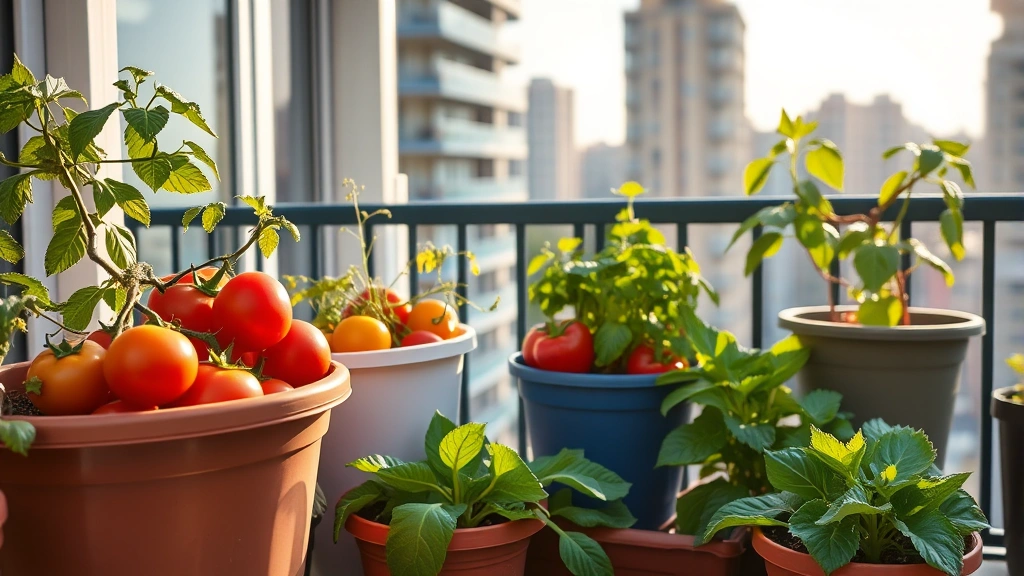
Tomatoes rank among the most rewarding urban crops. Determinate varieties like ‘Patio’ and ‘Tiny Tim’ produce full-sized fruit on compact plants requiring minimal space. These varieties thrive in 5-gallon containers and reward growers with abundant harvests throughout the growing season. For smaller spaces, cherry tomato varieties offer continuous production and can cascade beautifully from hanging baskets.
Lettuce and leafy greens excel in urban settings because they mature quickly, tolerate partial shade, and produce multiple harvests from a single planting. Varieties like ‘Buttercrunch,’ ‘Red Sails,’ and ‘Oak Leaf’ adapt well to containers as shallow as 6 inches deep. Succession planting every two weeks ensures continuous fresh greens throughout the season. These cool-season crops perform exceptionally well in spring and fall, providing harvests when outdoor space feels most usable.
Peppers adapt beautifully to container cultivation and thrive in the warm, sheltered microclimates typical of urban environments. Both sweet bell peppers and hot peppers produce prolifically in 3-5 gallon containers. Compact varieties like ‘Lunch Box’ peppers fit perfectly on small balconies while delivering surprising yields. The ornamental value of peppers—with their glossy foliage and colorful fruit—adds aesthetic appeal beyond culinary benefits.
Bush beans offer rapid growth and satisfying harvests in surprisingly small containers. Varieties like ‘Provider’ and ‘Mascotte’ produce beans within 50-60 days and require only 5-gallon pots. These nitrogen-fixing plants improve soil health while providing fresh beans for urban tables. Their compact, bushy growth habit makes them ideal for space-constrained gardeners.
Radishes represent the ultimate quick crop for impatient gardeners. Ready to harvest in just 25-30 days, radishes provide immediate gratification and occupy minimal space. They serve as excellent succession crops, filling gaps between slower-growing plants. Their peppery crunch adds valuable texture to urban salads.
When starting with gardening tips for beginners, focus on these reliable vegetables that forgive minor mistakes and deliver consistent results. Container size matters significantly—undersized containers restrict root development and reduce yields. A general rule suggests one gallon of soil per inch of mature plant height.
Best Herbs for Urban Balconies and Patios
Herbs represent the most efficient use of urban garden space, offering dramatic flavor returns from minimal square footage. Most culinary herbs thrive in containers, tolerate partial shade, and require minimal maintenance once established. Positioning herb containers near kitchen doors or windows encourages frequent harvesting, which promotes bushier growth and extended productivity.
Basil stands as the quintessential urban herb. This tender annual produces abundantly in 6-8 inch pots and rewards frequent pinching with exponential growth. Regular harvesting prevents flowering and extends the season. ‘Genovese’ basil delivers classic pesto flavor, while ‘Thai’ and ‘African Blue’ varieties offer unique taste profiles for adventurous cooks. Basil’s preference for warmth and sunlight makes it perfect for south-facing balconies and rooftop gardens.
Parsley tolerates partial shade better than most herbs, making it valuable for north-facing urban locations. Both flat-leaf and curly varieties grow vigorously in containers and provide continuous harvests for months. Parsley’s biennial nature means first-year plants produce abundant foliage, while second-year plants bolt and should be replanted. The plant’s attractive foliage adds ornamental value to any urban garden display.
Chives represent perhaps the most forgiving herb for urban gardeners. These perennial plants return year after year, require minimal care, and tolerate variable light conditions. Their delicate onion flavor enhances countless dishes, and their purple flowers add unexpected beauty to urban gardens. Chive containers can sit undisturbed for seasons, requiring only occasional water and harvesting.
Mint thrives in containers where its aggressive spreading tendencies remain contained. This vigorous perennial produces abundant foliage for tea, cocktails, and culinary applications. Varieties like spearmint and peppermint offer distinct flavor profiles. Mint’s tolerance for partial shade and neglect makes it ideal for busy urban gardeners. However, keep mint isolated in its own container to prevent it from overwhelming neighboring plants.
Thyme demands excellent drainage and sunlight but rewards careful placement with years of productivity. This woody perennial requires minimal water and maintenance, making it perfect for forgetful gardeners. Its aromatic foliage serves culinary and ornamental purposes simultaneously. Trailing varieties cascade beautifully from hanging baskets and raised containers.
Rosemary develops into a substantial woody shrub that can remain productive in containers for many years. This Mediterranean native thrives in sunny locations and tolerates dry conditions exceptionally well. Its evergreen foliage provides year-round interest, and its flowers attract pollinators. Rosemary’s slow growth rate means patience rewards long-term investment.
For apartment dwellers seeking maximum flavor from minimal space, creating a focused herb garden provides the highest return on investment. Combining 4-6 complementary herbs in a tiered arrangement maximizes light exposure and visual impact while providing diverse culinary options.
Compact Fruit Trees and Berry Plants
Urban gardeners often assume fruit production requires substantial space. However, dwarf and compact fruit varieties deliver surprising yields from modest containers. These plants offer the psychological satisfaction of growing food alongside ornamental beauty.
Dwarf fruit trees bred specifically for container cultivation mature at 4-6 feet, fitting comfortably on balconies and patios. ‘Pixie’ and ‘Honey Tangerine’ citrus varieties produce full-sized fruit on compact trees. Apple varieties like ‘Columnar’ types grow narrow and tall, occupying minimal footprint while producing abundant fruit. These genetic dwarfs differ from standard trees dwarfed by rootstock, offering superior performance in containers.
Blueberries represent exceptional urban fruit crops. Their ornamental value—with delicate spring flowers, summer fruit, and brilliant fall foliage—justifies space allocation alone. Growing blueberries in containers requires acidic soil and consistent moisture but rewards gardeners with years of production from a single plant. Compact varieties like ‘Peach Sorbet’ and ‘Pink Lemonade’ offer novel flavor experiences while requiring minimal pruning.
Strawberries adapt brilliantly to vertical gardening systems and hanging baskets. Alpine varieties produce small but intensely flavored berries continuously throughout the season. Everbearing varieties deliver spring and fall crops, while day-neutral types produce fruit regardless of day length. Strawberry towers and hanging baskets maximize production in minimal horizontal space.
Currants and gooseberries tolerate partial shade and produce abundantly in containers. These underutilized fruits offer unique flavor profiles and ornamental value. Their compact growth habit and tolerance for crowded urban conditions make them ideal for space-conscious gardeners seeking unusual varieties.
Fruit-bearing plants require consistent care but provide psychological rewards exceeding ornamental plants. The transition from flower to ripe fruit creates ongoing drama and engagement throughout the growing season.
Shade-Tolerant Plants for Limited Sunlight
Many urban locations receive limited direct sunlight due to surrounding buildings, walls, and structures. Rather than viewing this as a limitation, successful urban gardeners recognize shade-tolerant plants as essential components of metropolitan growing.
Leafy greens demonstrate remarkable shade tolerance, actually preferring afternoon shade in hot climates. Spinach, kale, arugula, and chard produce vigorously with just 3-4 hours of direct sun. This shade preference extends their growing season into summer months when exposed gardens struggle with heat bolting.
Peas tolerate partial shade and provide vertical growing opportunities on trellises. Sugar snap and snow pea varieties offer crisp, sweet pods perfect for fresh eating. Their nitrogen-fixing properties improve soil health while their vertical growth habit maximizes space efficiency.
Shade-loving herbs include parsley, mint, chives, and lemon balm. These plants thrive in the dappled light typical of urban courtyards and north-facing balconies. Their tolerance for variable light conditions makes them reliable performers in challenging locations.
Ornamental foliage plants like hostas, ferns, and sedges transform shaded urban spaces into lush green refuges. These plants offer textural variety and sustained visual interest without demanding sunny locations. Combining foliage plants with shade-tolerant flowers creates sophisticated urban garden designs.
Shade-tolerant flowers including impatiens, begonias, and hellebores provide color in dimly lit urban corners. These plants reward careful placement with reliable blooms and extend the gardening season into spring and fall.
Ornamental Plants That Maximize Small Spaces
Urban gardens serve aesthetic functions alongside culinary purposes. Strategic plant selection creates visually compelling landscapes that enhance property values and personal wellbeing.
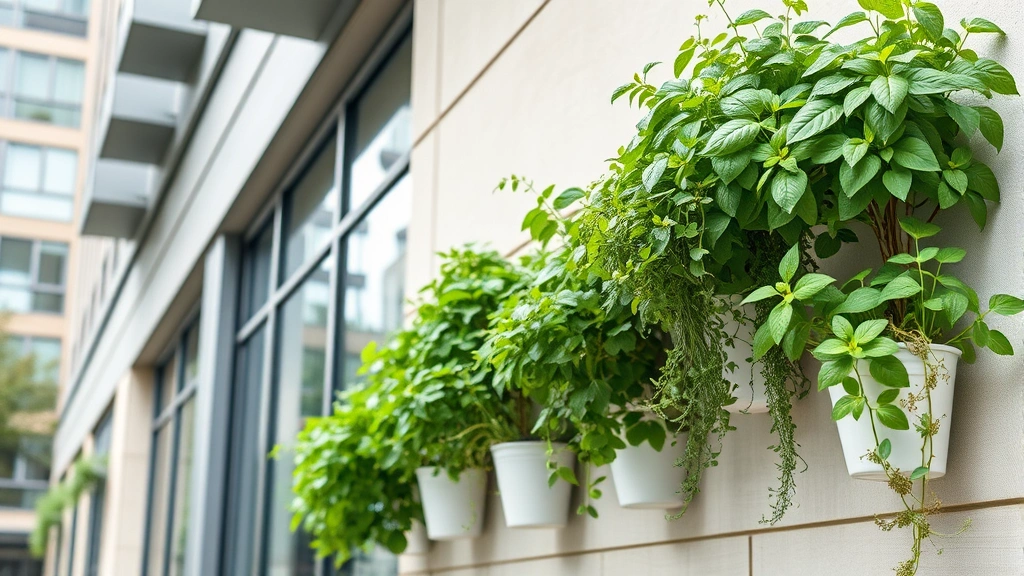
Vertical gardening systems expand growing space without increasing footprint. Trellises, wall-mounted planters, and hanging baskets transform vertical surfaces into productive gardens. Climbing plants like clematis, climbing roses, and pole beans utilize vertical space while providing privacy screening and visual interest.
Compact shrubs provide structure and year-round interest. Dwarf Japanese maples, boxwoods, and spireas offer ornamental foliage while maintaining manageable sizes. These woody plants create visual anchors and establish garden design frameworks.
Container combinations mixing trailing, mounding, and upright plants create professional-looking displays. Combining ornamental grasses with flowering plants and trailing ivy produces dynamic, layered compositions. Seasonal rotation keeps urban gardens visually fresh throughout the year.
Small-scale water features add sensory interest and create focal points. Tabletop fountains, birdbaths, and small ponds transform urban balconies into peaceful retreats. Water features attract birds and beneficial insects while providing soothing ambient sound.
Container and Soil Solutions
Container selection fundamentally impacts urban gardening success. Proper drainage, appropriate sizing, and material durability determine plant health and longevity.
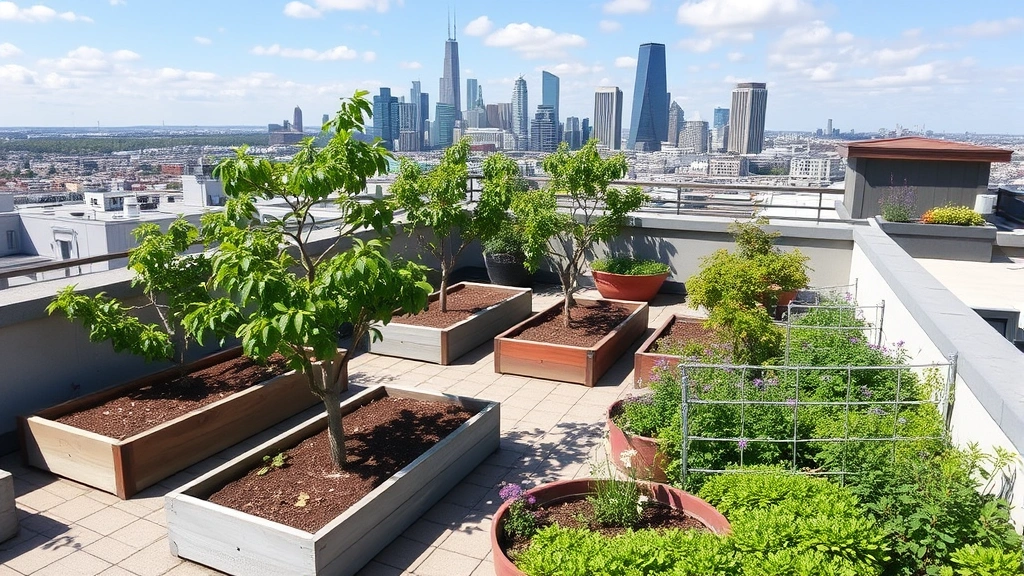
Container materials include terracotta, plastic, fabric, and metal options. Terracotta offers aesthetic appeal but requires frequent watering due to porosity. Plastic containers retain moisture efficiently and prove lightweight for balcony installations. Fabric pots encourage air pruning of roots, promoting healthier plant development. Galvanised iron raised garden beds provide durable solutions for urban rooftop gardens and create attractive focal points.
Drainage requirements cannot be overstated. Every container requires drainage holes to prevent root rot and waterlogging. Elevated containers on feet or saucers improve air circulation and protect underlying surfaces from water damage.
Quality potting soil forms the foundation of container gardening success. Commercial potting mixes formulated for containers offer superior drainage and nutrient content compared to garden soil. Specialized mixes for specific plants—acid soil for blueberries, gritty mix for succulents—optimize growing conditions.
Soil amendments including compost, perlite, and coconut coir improve moisture retention and nutrient availability. Regular feeding with balanced fertilizers replenishes nutrients depleted by frequent watering. Slow-release fertilizers reduce maintenance requirements and provide consistent nutrition.
Self-watering containers benefit busy urban gardeners by extending intervals between watering. These systems incorporate water reservoirs that maintain consistent moisture levels, reducing plant stress during hot weather or travel periods.
Seasonal Care for Urban Gardens
Urban microclimates create unique seasonal challenges and opportunities. Understanding seasonal patterns optimizes plant selection and care timing.
Spring planting begins earlier in urban areas due to heat-absorbing hardscapes that warm soil and air. Starting seeds indoors 6-8 weeks before the last frost date ensures transplants are ready for early outdoor planting. Spring offers ideal conditions for cool-season crops before summer heat arrives.
Summer management focuses on heat and water stress mitigation. Container plants dry rapidly in summer heat, requiring daily watering in extreme conditions. Afternoon shade cloth protects sensitive plants from scorching sun. Strategic watering—early morning or evening—minimizes water loss to evaporation.
Fall planting provides second chances for cool-season crops. Late summer sowings of lettuce, spinach, and kale deliver fresh harvests into autumn. Fall’s moderate temperatures and increasing moisture reduce watering demands while extending the growing season.
Winter protection varies by climate. In mild regions, evergreen herbs and perennials continue producing. In harsh climates, moving tender perennials indoors or protecting them with cold frames extends their survival. Grouping containers together and wrapping them with burlap insulation protects roots from extreme cold.
Year-round interest comes from combining seasonal bloomers with evergreen foliage plants. Ornamental grasses, evergreen herbs, and winter-flowering plants maintain visual appeal during dormant seasons. This layered approach creates gardens that engage viewers throughout the calendar year.
FAQ
What’s the minimum sunlight required for urban vegetable gardening?
Most vegetables require 6-8 hours of direct sunlight daily for optimal production. However, leafy greens, herbs, and some berries thrive with just 3-4 hours. Morning sun is preferable to afternoon sun in hot climates. Reflective surfaces bounce additional light onto plants, effectively increasing available illumination in shaded locations.
How often should I water urban container gardens?
Container plants typically require daily watering during growing season, particularly in summer heat. Check soil moisture by inserting a finger 1-2 inches deep; water when soil feels dry at this depth. Factors affecting frequency include container size, soil composition, weather conditions, and plant type. Self-watering containers reduce watering frequency significantly.
Can I grow vegetables year-round in urban gardens?
Year-round growing depends on climate. In mild regions, cool-season crops produce through winter. In harsh climates, moving containers indoors or using cold frames extends seasons. Microgreens and sprouts offer indoor growing options regardless of climate. Strategic crop selection aligned with seasonal conditions maximizes year-round production potential.
What are the best plants for complete beginners?
Herbs like basil, chives, and mint, along with cherry tomatoes, lettuce, and radishes, offer forgiving growing conditions and reliable results. These plants tolerate minor neglect, grow rapidly, and deliver satisfying harvests. Building confidence with easy plants motivates progression toward more challenging varieties.
How do I prevent pests in urban container gardens?
Isolation from ground-level pests provides inherent protection for elevated containers. Regular inspection catches pest problems early. Organic solutions including insecticidal soap, neem oil, and beneficial insect introduction manage pest populations without synthetic chemicals. Companion planting with marigolds and nasturtiums deters many common pests.
Is fertilizer necessary for container gardens?
Yes, container plants require regular fertilization because frequent watering leaches nutrients from potting soil. Balanced, water-soluble fertilizers applied every 2-3 weeks sustain plant nutrition. Slow-release granular fertilizers reduce maintenance by providing nutrition over extended periods. Compost amendments provide organic nutrition while improving soil structure.


