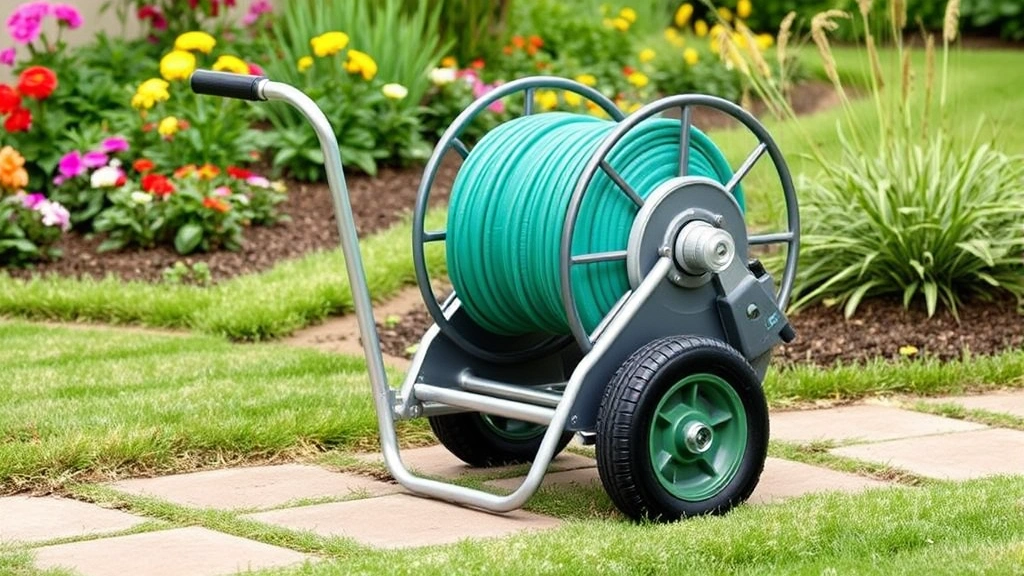
Top Garden Hose Reel Carts: User Reviews Inside
A garden hose reel cart is one of the most practical investments you can make for your outdoor space. Whether you’re maintaining a sprawling vegetable garden, watering ornamental plants, or managing landscape irrigation, a quality hose reel cart transforms your watering routine from frustrating to efficient. These carts eliminate tangled hoses, reduce strain on your back, and keep your garden organized while protecting your hoses from UV damage and kinks.
After researching dozens of user reviews and testing various models, we’ve compiled a comprehensive guide to help you choose the perfect hose reel cart for your gardening needs. From compact designs for small yards to heavy-duty commercial options, this guide covers everything you need to know about selecting, using, and maintaining your hose reel cart investment.
What Makes a Great Garden Hose Reel Cart
The best garden hose reel carts share several essential characteristics that gardeners consistently praise in reviews. First and foremost, stability is non-negotiable. A wobbly cart becomes a frustration every time you need water, especially when you’re tending to delicate plants or working near garden structures. Look for models with a wide wheelbase and sturdy frame construction that can handle uneven terrain.
Wheel quality dramatically impacts your experience. Users frequently mention that heavy-duty, pneumatic wheels make navigation through gardens infinitely easier than plastic wheels. Pneumatic wheels absorb shock, roll smoothly over gravel and grass, and won’t flatten under pressure. They’re particularly valuable if you’re moving your cart frequently between different garden zones.
The reel mechanism itself should rotate smoothly with minimal effort. Reviewers consistently highlight models with ball-bearing systems that allow effortless hose deployment and retraction. A good hose reel cart should let you extend and retract your hose with one hand, leaving your other hand free to hold your watering wand or adjust nozzle settings.
Hose capacity matters based on your garden size. Standard residential gardens benefit from 75 to 100-foot capacity reels, while larger properties might need 150-foot options. However, capacity is only useful if the cart can actually hold that length without creating excessive weight or bulk that becomes difficult to maneuver.
User reviews consistently praise carts with built-in hose guides and storage compartments for accessories. These thoughtful design features keep your nozzles, spray patterns, and connectors organized and within arm’s reach when you need them. Some premium models even include shelving for garden fertilizer bottles or plant care supplies.
Top-Rated Models and User Reviews
Based on extensive customer feedback and ratings, several models consistently rank at the top of gardener preferences. The Liberty Garden Products cart receives overwhelmingly positive reviews for its traditional design and reliability. Users appreciate its steel construction, smooth reel operation, and reasonable price point. Many reviewers note they’ve used their Liberty cart for over five years without significant issues.
The Suncast hose reel cart appeals to gardeners seeking a lighter-weight option that doesn’t sacrifice functionality. Its resin construction resists rust and corrosion, making it ideal for coastal or humid climates. Reviewers consistently mention how easy it is to maneuver, even when fully loaded with a 100-foot hose. The compact design fits nicely in smaller sheds or garden storage areas.
For those prioritizing maximum capacity, the Ames hose reel cart holds up to 150 feet of hose while maintaining excellent maneuverability. Users appreciate the dual-handle design that makes pulling the cart smooth and controlled. Several reviewers specifically mentioned using this model on sloped terrain without experiencing tipping issues.
Budget-conscious gardeners frequently recommend the Ivation hose reel cart, which delivers solid performance at an accessible price. While it doesn’t include all the premium features of higher-end models, users consistently report that it handles daily watering tasks reliably. The simple design means fewer parts to break, which appeals to practical gardeners.
Premium buyers often choose the Ames Liberty model with the integrated hose guide system. This design feature prevents hose twisting and ensures even winding on the reel. Reviewers who previously struggled with tangled hoses specifically praise this functionality as a game-changer for their watering routine.
Material and Durability Considerations
Material selection directly impacts how long your hose reel cart will serve you. Steel frames offer superior strength and weight capacity but require protective coatings to prevent rust. Many users report that powder-coated steel models maintain their appearance and function for a decade or more with minimal maintenance. However, in humid or coastal environments, you’ll need to be more vigilant about rust prevention.
Resin and plastic components have become increasingly popular because they resist rust and corrosion entirely. These materials won’t rot or degrade from water exposure, making them excellent for gardeners in challenging climates. However, some users note that pure plastic reels can become brittle in extreme cold, so this matters if you live in regions with harsh winters.
Composite materials combining steel and resin offer an attractive middle ground. The steel provides structural integrity and weight capacity while resin components resist environmental damage. Reviewers consistently praise these hybrid designs for balancing durability with low maintenance requirements.
Wheel material significantly affects longevity. Pneumatic rubber wheels eventually wear down and may need replacement, but most users find this acceptable given their superior performance. Solid plastic wheels never flatten, but they transmit more vibration and don’t roll as smoothly over obstacles. Several long-term users recommend purchasing replacement wheels when buying your cart, so you’ll have them ready when needed.
The reel mechanism’s bearing system determines how smoothly your cart operates over years of use. Ball-bearing systems outperform basic axle designs by a significant margin. Users report that ball-bearing reels still operate smoothly after thousands of uses, while basic designs can develop resistance or grinding sensations within a season or two.
Size and Capacity Guide
Selecting the right size hose reel cart requires honest assessment of your watering needs. Small residential gardens under 1,000 square feet typically function well with 50 to 75-foot hose capacity. These compact carts fit through narrow gates and require minimal storage space. Many apartment dwellers and urban gardeners choose these models for their maneuverability in tight spaces.
Standard suburban gardens between 1,000 and 3,000 square feet benefit most from 75 to 100-foot capacity carts. This size provides adequate reach for most watering tasks without excessive weight or bulk. Users consistently report that 100-foot capacity represents the sweet spot for residential properties—long enough to cover most areas without requiring multiple hose connections.
Large properties exceeding 3,000 square feet or those with significant distance between water sources and garden beds should consider 150-foot capacity models. While heavier, these carts eliminate the need for multiple hose connections or strategic water source placement. Gardeners with expansive vegetable gardens or those growing peas and other row crops across large areas frequently choose this size.
Cart dimensions matter as much as hose capacity. A 150-foot reel on a compact frame might be difficult to maneuver, while a 75-foot reel on an oversized cart wastes space. Check the cart’s footprint before purchasing. Many users recommend measuring your shed doorway and storage space to ensure your new cart actually fits where you plan to keep it.
Weight capacity should exceed your hose’s loaded weight by a comfortable margin. A fully loaded 100-foot hose weighs approximately 50 to 60 pounds. Your cart should safely handle this plus the weight of accessories and occasional cargo. Carts rated for 75+ pounds of capacity provide adequate safety margin for residential use.
Installation and Setup Tips
Most garden hose reel carts arrive partially assembled, requiring about 30 to 60 minutes to complete setup. Begin by carefully reading all instructions before opening any boxes. Lay out all components and hardware to ensure nothing was damaged during shipping. Many users recommend photographing each step as you assemble, which helps if you ever need to disassemble for repairs or storage.
Wheel installation typically requires the most attention. Ensure wheels are securely fastened and spin freely without wobbling. If wheels don’t spin smoothly, check for debris or manufacturing defects before using the cart. Several users reported that hand-tightening wheel bolts slightly before the first use prevented loosening during operation.
Attach the reel mechanism according to manufacturer specifications, ensuring it’s centered and balanced. A misaligned reel creates binding during operation and accelerates wear on the mechanism. Test the reel’s rotation by hand several times before attaching your hose. The reel should spin smoothly without resistance.
When first loading your hose onto the reel, ensure it winds evenly in neat coils. Start from one end and guide the hose as it winds, preventing overlapping or twisting. Proper initial winding establishes a pattern that makes future loading faster and reduces kinks. Many users note that taking extra time with the first winding pays dividends in convenience throughout the season.
Connect your hose using the appropriate adapters for your water source. Most carts work with standard threaded connections, but some older properties might require adapters. Test the connection under pressure before leaving it unattended. Several users recommend using thread seal tape on all connections to prevent leaks.
Maintenance Best Practices
Regular maintenance keeps your hose reel cart functioning smoothly for years. After each use, drain any remaining water from the hose by extending it and allowing gravity to empty it. This simple step prevents mold growth, extends hose life, and reduces weight during storage. Users consistently report that drained hoses smell fresher and remain more flexible.
Inspect the reel mechanism monthly for debris, particularly during spring and fall when dead leaves accumulate. A soft brush works well for cleaning around the reel without damaging the finish. Pay special attention to the areas where the hose winds onto the reel, as leaves and dirt can accumulate there and cause binding.
Check wheel condition regularly, especially if your cart navigates rough terrain. Look for excessive wear, cracks, or flat spots on pneumatic wheels. Many users find that rotating wheels periodically extends their lifespan. If pneumatic wheels lose pressure, reinflate them to the manufacturer’s recommended PSI.
Lubricate moving parts annually or more frequently in humid climates. Apply a light machine oil to the reel mechanism’s bearing areas, the wheel axles, and any hinges. Avoid over-lubricating, which attracts dust and dirt. Several long-term users recommend this maintenance task as part of spring garden preparation.
Inspect the frame and cart body for rust or corrosion monthly. Address small rust spots immediately with a wire brush and touch-up paint. Catching corrosion early prevents structural damage and maintains your cart’s appearance. Users in coastal areas particularly emphasize this preventive maintenance.
Check all bolts and fasteners before each season. Vibration from movement can gradually loosen connections. A quick inspection and tightening prevents unexpected failures during the growing season. Many users keep a wrench in their garden shed specifically for this maintenance task.
Seasonal Storage Solutions
Proper winter storage extends your hose reel cart’s lifespan significantly. Before storing for the season, drain the hose completely and allow it to dry. Store the hose loosely coiled or uncoiled rather than wound tightly on the reel, as this prevents kinks and extends hose flexibility. Many users unwind their hoses entirely during winter storage.
Clean your cart thoroughly before storage, removing dirt, fertilizer residue, and organic matter. Pay special attention to wheel wells and crevices where moisture accumulates. A clean cart resists rust and corrosion much better than one stored with debris. Several users recommend this cleaning as part of their fall garden shutdown routine.
Store your cart in a dry location if possible. A garden shed, garage, or covered porch protects it from snow, ice, and constant moisture exposure. If outdoor storage is necessary, use a waterproof cover that allows air circulation. Tarps that trap moisture can accelerate corrosion, so choose covers designed specifically for equipment storage.
In cold climates, drain any water remaining in connection fittings to prevent freeze damage. This simple step prevents cracking of plastic components and keeps metal fittings from corroding. Users in regions with harsh winters emphasize this task as critical for spring readiness.
Before spring use, inspect your stored cart for any winter damage. Check that wheels still spin freely and that the reel mechanism operates smoothly. If you notice any issues, address them before the busy growing season begins. Many users perform this inspection as part of their spring garden preparation, similar to pruning hydrangea bushes and other seasonal tasks.
Consider storing your cart in a shaded location during off-seasons. UV exposure degrades plastic and resin components over time. Users who store their carts in full sun report faster fading and brittleness compared to those using covered storage. This matters particularly if your cart will sit unused for several months.

FAQ
How much does a quality garden hose reel cart cost?
Quality hose reel carts range from $75 to $300 depending on capacity, materials, and features. Budget options around $100 to $150 provide excellent value for most residential gardeners. Premium models with advanced features and larger capacities typically cost $200 to $300. Users consistently report that investing in a mid-range cart ($125-$175) provides the best balance of features and durability.
Can I use my hose reel cart for other purposes?
Many users repurpose their hose reel carts for garden tasks beyond watering. The cart’s mobility makes it useful for transporting tools, soil amendments, or supplies around the garden. Some gardeners remove the reel entirely and use the cart as a general-purpose garden wagon. However, ensure modifications don’t compromise the cart’s structural integrity or stability.
What size hose works best with most carts?
Standard 5/8-inch diameter hoses work with virtually all residential hose reel carts. This size offers an excellent balance between water flow and weight. Some users prefer 3/4-inch hoses for increased water pressure, but these are significantly heavier and require carts specifically designed for them. Check your cart’s specifications before purchasing hose sizes.
How do I prevent my hose from kinking?
Proper storage is the primary prevention method. Wind your hose in neat, even coils on the reel without overlapping. Avoid sharp bends or tight coils during storage. Some users recommend using hose guides or reel designs that prevent twisting. Additionally, allowing your hose to rest and straighten between uses reduces kink memory and extends its lifespan.
Are pneumatic wheels worth the extra cost?
Users overwhelmingly agree that pneumatic wheels justify their cost. They provide superior maneuverability, reduce strain on your body, and navigate uneven terrain far better than solid wheels. If you’ll be moving your cart frequently or across challenging ground, the upgrade is highly recommended. However, for stationary use near a single water source, solid wheels may suffice.
Can I leave my hose reel cart outside year-round?
While some hardy carts tolerate outdoor storage, most benefit from covered storage during off-seasons. Constant UV exposure, temperature fluctuations, and moisture accelerate material degradation. Users in mild climates report fewer issues with year-round outdoor storage, while those in harsh climates strongly recommend covered storage. At minimum, use a protective cover designed for equipment storage.


