
A quality garden stool is one of the most underrated tools in any gardener’s arsenal. Whether you’re tending to raised beds, weeding flower borders, or harvesting vegetables, having the right seating solution transforms your gardening experience from uncomfortable and back-breaking to genuinely enjoyable. After years of kneeling on hard ground or bending awkwardly over plants, many gardeners discover that investing in a proper garden stool isn’t a luxury—it’s essential equipment that keeps you working longer, more efficiently, and with far less physical strain.
The best garden stools combine practical functionality with durability and comfort. They need to withstand outdoor conditions, provide stable support while you work at ground level, and ideally offer additional features like storage or tool access. In this comprehensive guide, we’ll explore the top five garden stools that have earned their place in gardeners’ hearts and backyards, examining what makes each one special and how to choose the perfect option for your specific gardening needs.
Why Every Gardener Needs a Garden Stool
Working in the garden demands repetitive bending, kneeling, and reaching—movements that take a serious toll on your back, knees, and joints over time. A dedicated garden stool addresses these ergonomic challenges by providing a comfortable, elevated platform for ground-level work. When you’re preparing garden soil or maintaining galvanised iron raised garden beds, having proper seating makes the difference between finishing your tasks energized or limping inside with aching joints.
Beyond comfort, a quality garden stool increases your productivity. You’ll spend more time actually gardening rather than standing up and sitting down repeatedly to stretch your back. Many modern garden stools also function as storage solutions, featuring built-in compartments for tools, gloves, and seeds. This keeps your essential items within arm’s reach while you work, eliminating unnecessary trips back to the garden shed. For those maintaining covered raised garden beds or working with delicate plants, the ability to move around easily while seated is invaluable.
Seasonal gardeners especially benefit from investing in a proper stool. Spring planting season and fall cleanup demand hours of ground-level work. Summer maintenance of flower beds and vegetable gardens keeps you kneeling or crouching for extended periods. A comfortable, supportive garden stool transforms these traditionally uncomfortable tasks into manageable, even enjoyable work sessions.

Top 5 Garden Stools: Detailed Reviews
1. The Classic Metal Garden Stool with Tool Storage
The traditional metal garden stool represents the gold standard for serious gardeners. These stools typically feature a sturdy steel or aluminum frame with a padded seat, three or four legs for stability, and integrated tool storage beneath the seat. The design is straightforward yet highly effective: you get a comfortable place to sit while working, and your most-used tools stay organized and accessible.
What makes the metal garden stool so popular is its remarkable durability. Quality models can last decades with minimal maintenance. The metal construction resists rot and weather damage far better than wooden alternatives. Most come with a weather-resistant padding that dries quickly after rain, allowing you to work even in damp conditions. The tool storage compartment typically holds pruners, small trowels, and gardening gloves—exactly what you need for regular maintenance work.
The height of these stools usually ranges from 12 to 18 inches, positioning you close enough to ground level for detailed work while still providing meaningful support. The three-legged design offers excellent stability on uneven terrain, which is crucial when working around planted areas or rocky soil. When you’re selecting garden gloves and organizing your tools, a metal stool with storage becomes your mobile command center.
2. The Kneeling Bench with Armrests
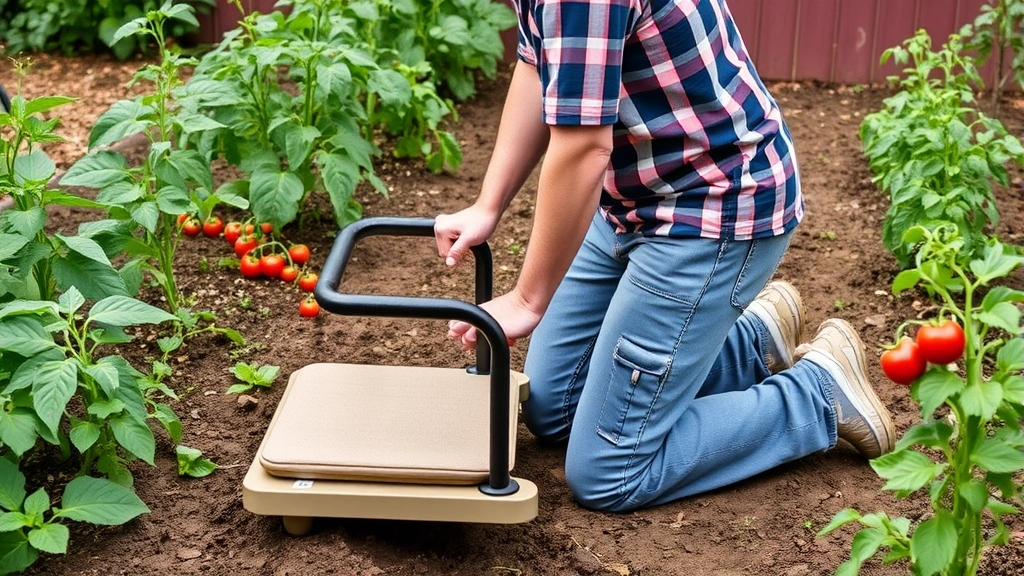
For gardeners who struggle with balance or have mobility concerns, the kneeling bench represents a game-changing solution. This design features a padded kneeling platform elevated several inches off the ground, with sturdy armrests on both sides. The armrests serve dual purposes: they help you lower yourself down safely and provide leverage to stand back up without straining your knees.
Kneeling benches work exceptionally well for detailed work like weeding, transplanting seedlings, or planting bulbs. The kneeling position brings you very close to the soil level, providing excellent visibility and access to roots and delicate plants. The padded platform protects your knees from hard ground, and many models feature a memory foam or gel-infused cushioning that conforms to your body for maximum comfort.
The armrests make these benches particularly valuable for gardeners with arthritis, lower back problems, or anyone recovering from injury. They transform the act of getting up and down from the ground into a manageable movement rather than a painful struggle. Quality models also feature a reversible design, allowing you to flip the unit to access the storage shelf on the underside—perfect for keeping herb garden supplies organized when working in different garden areas.
3. The Rolling Garden Stool with Swivel Seat
Modern gardeners often appreciate the mobility and versatility of a rolling garden stool. These innovative designs feature a comfortable padded seat mounted on a wheeled base, often with a swivel mechanism that allows 360-degree rotation. The wheels enable you to move smoothly along garden beds without standing up, dramatically increasing your efficiency during extended weeding or pruning sessions.
Rolling stools work particularly well for gardeners with larger plots or multiple garden beds spread across their yard. Rather than repositioning yourself repeatedly, you simply roll from one spot to the next. The swivel seat lets you reach plants at different angles without awkward twisting that stresses your spine. Many models include a tool tray or hanging compartments, keeping your pruners, shears, and other implements within immediate reach.
The main consideration with rolling stools is terrain. They work best on relatively level, smooth ground—established pathways between beds or cultivated areas. On rough, rocky, or very uneven terrain, the wheels may catch or become difficult to maneuver. However, for fairy garden ideas or ornamental bed maintenance where you’re working on more manicured surfaces, a rolling stool dramatically improves your comfort and productivity.
4. The Portable Folding Garden Stool
For gardeners with limited storage space or those who frequently move between different garden areas, a portable folding garden stool offers practical convenience. These lightweight designs collapse flat for easy transport and storage, yet provide solid support when deployed. Most folding stools weigh under ten pounds, making them ideal for older gardeners or anyone with limited strength.
The portability factor shouldn’t overshadow the functionality. Quality folding stools feature reinforced joints and heavy-duty fabric seats that support users up to 300 pounds. The compact footprint means you can position them in tight spaces between closely-planted beds or in narrow pathways. When not in use, they store vertically in a corner of your shed or garage, requiring minimal space.
Folding stools come in various heights and styles. Some feature simple three-legged designs, while others include padded seats or even small tool storage compartments. The trade-off is that models with more features tend to weigh slightly more, though still remaining portable. For seasonal gardeners or those who rent their homes and move frequently, the portability combined with durability makes folding stools an excellent investment.
5. The Premium Garden Seat with Backrest and Storage
For gardeners who spend extended hours in their garden or have back problems, a premium garden seat with backrest represents the ultimate comfort solution. These substantial stools feature a fully padded, contoured seat and an adjustable backrest that provides meaningful lumbar support. They’re essentially outdoor chairs designed specifically for gardening work.
The backrest makes an enormous difference for anyone with back pain or limited flexibility. Rather than sitting in a hunched position, you can maintain proper spinal alignment while working at ground level. The padding uses weather-resistant materials that shed water quickly and resist mold and mildew. Many premium models include generous storage compartments beneath the seat, with some featuring multiple drawers or a hinged lid for organizing tools, seed packets, and garden supplies.
While these premium stools cost more than basic options, the comfort investment pays dividends through increased gardening time and reduced physical strain. They’re particularly valuable for gardeners who treat their garden as a primary hobby and spend several hours per week tending plants. The substantial construction and durable materials mean these stools can last 15 years or more with proper care, making the per-year cost quite reasonable.
Garden Stool Materials and Durability
The material composition of your garden stool directly impacts its longevity and performance in outdoor conditions. Understanding the strengths and weaknesses of different materials helps you make an informed choice that matches your climate and gardening style.
Steel and Metal Construction: Galvanized steel and aluminum represent the most durable stool materials. Galvanized steel resists rust through a protective zinc coating, making it ideal for damp climates or areas with regular rainfall. Aluminum offers lighter weight without sacrificing strength, though it requires occasional maintenance to prevent oxidation. Both materials last decades and handle temperature extremes well.
Plastic and Resin: Modern plastic and resin materials have improved dramatically, offering weather resistance and lightweight construction. High-quality resin stools resist fading, cracking, and brittleness even after years of sun exposure. They’re easy to clean and require minimal maintenance, though they may not provide the same durability as metal in extreme climates.
Fabric and Padding: The seat and padding materials significantly impact comfort and longevity. Look for solution-dyed acrylic fabrics that resist fading and mildew. Foam padding should be high-density and treated for moisture resistance. Memory foam and gel-infused options provide superior comfort for extended gardening sessions.
Wood Elements: Some stools feature wooden components, typically for handles or decorative elements. Treated wood resists rot, but it requires periodic maintenance. Untreated wood deteriorates quickly in outdoor conditions. If your stool includes wood, verify it’s been properly treated for outdoor use.
Choosing the Right Height and Design
Selecting the appropriate stool height depends on your primary gardening tasks and physical needs. Understanding your specific requirements ensures you choose a stool that maximizes comfort and functionality.
Low-Profile Stools (6-12 inches): These position you very close to ground level, ideal for detailed work like planting bulbs, weeding small plants, or tending to delicate seedlings. They work well for gardeners who don’t have significant knee or back problems. The low height means less strain when getting up and down repeatedly.
Standard Height Stools (12-18 inches): This range represents the most versatile option, suitable for most gardening tasks. Standard height provides comfortable positioning for ground-level work while remaining easy to stand from. It’s the height most gardeners find most comfortable for extended sessions.
Elevated Stools (18+ inches): Higher stools work better for gardeners with knee or back problems who struggle getting up from very low positions. They’re also practical for taller gardeners who find low stools uncomfortable. However, they position you farther from ground level, requiring more bending to reach plants.
Design Considerations: Think about your typical gardening work. If you primarily work with raised beds or containers, a higher stool minimizes reaching. For ground-level beds and borders, standard or low-profile options work better. Consider your yard’s terrain—uneven ground favors three-legged designs that adapt better than four-legged stools. If you frequently move between garden areas, portability becomes important.
Maintenance Tips for Long-Lasting Performance
Proper maintenance extends your garden stool’s lifespan and keeps it functioning optimally throughout the seasons. A few simple practices ensure your investment provides years of reliable service.
Regular Cleaning: After each gardening session, brush off soil and debris from your stool. Monthly, wash it with mild soap and water, using a soft brush to clean crevices. Allow it to dry completely before storing. This simple routine prevents soil accumulation that can trap moisture and cause deterioration.
Seasonal Storage: In harsh winter climates, store your stool in a garage or shed during the off-season. If outdoor storage is necessary, cover it with a weather-resistant tarp. Remove any cushions or padding and store them indoors to prevent mold growth and water damage.
Hardware and Joint Inspection: Periodically check bolts, screws, and joints for tightness. Metal stools may develop loose connections through regular use. A quick tightening session twice per season prevents wobbling and potential collapse. Replace any damaged or missing hardware immediately.
Padding and Fabric Care: If your stool has removable cushions, wash covers separately using mild detergent. Allow padding to air-dry completely before reattaching. For non-removable padding, wipe clean and allow adequate drying time. Consider applying a fabric protectant spray annually to repel water and stains.
Metal Protection: For steel stools, inspect annually for rust spots. If corrosion appears, sand lightly and apply a rust-preventative coating. Galvanized stools require less maintenance but benefit from occasional washing to remove salt spray or hard water deposits in coastal areas.
Wheel Maintenance: If your stool has wheels, check them regularly for debris or damage. Clean wheels and axles to ensure smooth operation. Replace wheels if they become cracked, flat-spotted, or won’t roll smoothly.
FAQ
What’s the weight capacity of most garden stools?
Quality garden stools typically support users weighing up to 250-300 pounds. Premium models with reinforced construction may support 350 pounds or more. Always verify the manufacturer’s specifications for your specific model, as weight capacity varies significantly between designs and materials.
Can I leave my garden stool outside year-round?
Most quality garden stools can remain outside year-round, though they’ll last longer with seasonal storage. In harsh winter climates with heavy snow, freezing temperatures, and salt spray, storing your stool indoors extends its lifespan significantly. In mild climates, outdoor storage with a protective cover works fine.
How do I choose between a kneeling bench and a sitting stool?
The choice depends on your primary work type and physical abilities. Kneeling benches excel for detailed, close-to-ground work like weeding or planting. Sitting stools work better for extended gardening sessions where you need back support and easier transitions between sitting and standing. Many gardeners benefit from having both.
Are rolling stools suitable for all garden types?
Rolling stools work best on relatively smooth, level ground like established pathways or manicured beds. On rocky, uneven, or steeply sloped terrain, wheels become difficult to maneuver. If your garden features significant elevation changes or rough terrain, a stationary three-legged stool provides better stability.
What size storage capacity should I expect?
Garden stools with storage typically hold 2-4 quarts of volume. This accommodates essential tools like pruners, trowels, and gloves, but won’t hold large items like rakes or shovels. Some premium models feature multiple compartments that maximize storage efficiency while maintaining structural integrity.
How often should I replace my garden stool?
Quality garden stools last 10-20 years with proper maintenance. Basic plastic models may need replacement after 5-7 years as materials become brittle. Metal stools with good care can last 20+ years. Replace your stool when structural damage occurs, padding deteriorates beyond repair, or the frame becomes unstable.
Can garden stools help with back pain?
Yes, especially models with backrests or proper ergonomic design. The key is maintaining proper posture—your stool should position you so your spine remains relatively straight while working at ground level. Kneeling benches with armrests also reduce strain by providing leverage for standing up. However, if you have serious back problems, consult your doctor about appropriate gardening positions.


