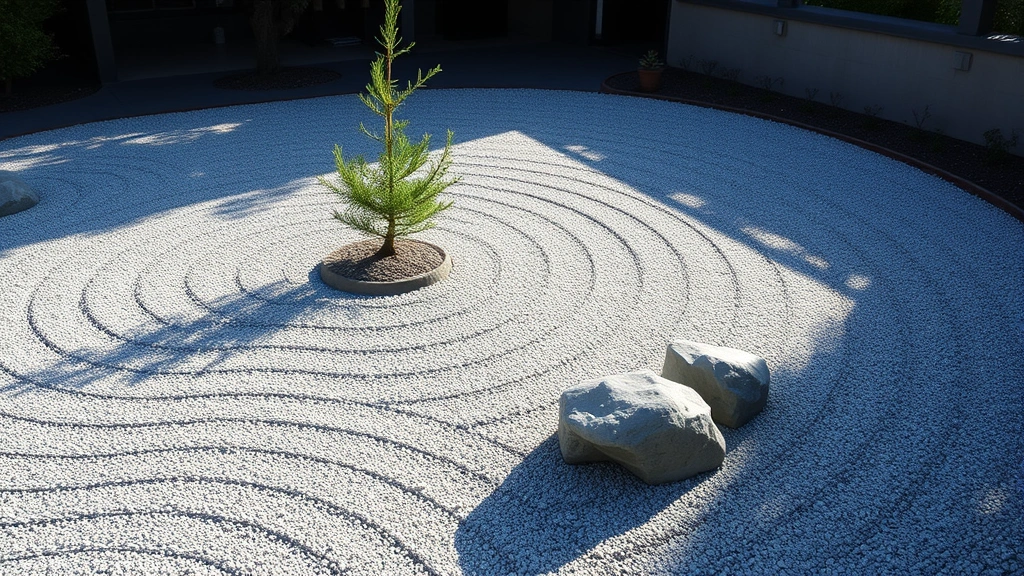
Zen Garden Design: Sacramento Expert Insights
Creating a zen garden in Sacramento requires understanding both traditional Japanese design principles and the unique climate challenges of California’s Central Valley. A well-designed zen garden serves as a personal sanctuary—a space where you can escape the hustle of modern life and find peace through carefully curated natural elements. Sacramento’s hot, dry summers and mild winters present both opportunities and constraints for implementing authentic zen garden aesthetics in your backyard.
Whether you’re a seasoned gardener or just beginning to explore landscape design, a zen garden offers a refreshing departure from conventional gardening. Rather than focusing on colorful blooms or vegetable production, zen gardens emphasize balance, simplicity, and the philosophical connection between humans and nature. This guide will walk you through expert-recommended strategies for designing and maintaining a zen garden that thrives in Sacramento’s distinctive environment.
Understanding Zen Garden Philosophy
Zen garden design originates from 12th-century Japan, where Buddhist monks created minimalist landscapes to aid meditation and spiritual reflection. The philosophy behind zen gardens emphasizes the concept of ma—the importance of empty space—and yohaku no bi, the beauty of incompleteness. These principles suggest that what you leave out is as important as what you include.
In Sacramento, applying these philosophical concepts means resisting the urge to fill every corner with plants or decorative elements. Instead, focus on creating intentional voids and allowing negative space to breathe. A successful zen garden design tells a story through restraint rather than abundance. Consider how garden stones can represent mountains or islands, and how carefully raked gravel can evoke water ripples without requiring actual water features.
The five essential elements of zen philosophy—earth, water, fire, wood, and metal—should be represented symbolically throughout your design. This doesn’t mean you need all five elements literally present; instead, think about how you can incorporate them through color, texture, and material choices appropriate for Sacramento’s landscape.
Sacramento’s Climate Considerations
Sacramento experiences a Mediterranean climate with hot, dry summers (often exceeding 95°F) and cool, wet winters. This climate significantly impacts zen garden design choices compared to traditional Japanese gardens that receive consistent moisture. Local experts recommend designing with drought tolerance as a primary consideration.
The region’s intense summer heat means you’ll need to select shade cloth solutions for any tender plants you wish to incorporate. Many traditional zen garden plants, like Japanese maples and moss, struggle without supplemental irrigation and afternoon shade. Sacramento gardeners often need to substitute native or adapted alternatives that maintain zen aesthetics while thriving in local conditions.
Winter frost is generally mild in Sacramento, with temperatures rarely dropping below 20°F. This means you can successfully grow many temperate plants year-round, but you’ll still need to protect some delicate specimens during unexpected cold snaps. Understanding your specific microclimate within Sacramento is crucial—north-facing areas stay cooler and more moist, while south-facing spaces experience intense afternoon heat.
Water conservation is increasingly important in California, making low-water zen gardens particularly relevant for Sacramento residents. Using recycled water for irrigation, installing drip systems, and choosing drought-resistant plants aligns both with zen principles of simplicity and modern environmental responsibility.
Essential Elements of Zen Garden Design
A properly designed zen garden in Sacramento should incorporate several key structural elements. Hardscaping forms the foundation of your design, including pathways, sitting areas, and stone arrangements. These elements should flow naturally through the space, creating a sense of movement and purpose.
Gravel and sand replace lawns in most zen gardens. In Sacramento, use light-colored gravel that reflects heat and requires minimal water. Raking patterns into the gravel creates visual interest and serves meditative purposes during maintenance. Choose gravel sizes that won’t scatter easily in wind—Sacramento’s dry conditions can cause finer materials to migrate.
Rock placement is perhaps the most critical design element. Rocks represent mountains, permanence, and strength in zen philosophy. Arrange stones in odd numbers (three, five, seven) as these create visual balance. In Sacramento’s landscape, consider using locally sourced rocks that harmonize with the region’s natural geology.
Spatial organization matters tremendously. Divide your zen garden into distinct zones: a viewing area (usually elevated or positioned for optimal sight lines), a meditation space (often featuring a bench or stepping stones), and transitional pathways. This zoning approach works particularly well in smaller Sacramento yards where space is limited.
Enclosure and framing help define your zen garden as a separate world. Bamboo fencing, hedges, or even strategically placed larger plants can create visual boundaries. In Sacramento’s hot climate, avoid solid enclosures that trap heat; instead, use semi-permeable screens that allow air circulation.

Selecting Plants for Your Sacramento Zen Garden
Plant selection in Sacramento requires balancing traditional zen aesthetics with climate realism. While Japanese maples and moss gardens are iconic, Sacramento gardeners need alternatives that survive local conditions while maintaining zen principles.
Evergreen trees and shrubs provide year-round structure. Consider these Sacramento-suitable options:
- Dwarf conifers: Varieties like ‘Emerald Green’ arborvitae, Japanese false cypress, and dwarf Alberta spruce offer vertical interest and refined texture
- Boxwood: Extremely hardy and shapeable, boxwood tolerates Sacramento heat and can be pruned into sculptural forms
- California native plants: Toyon, manzanita, and California privet provide authentic regional character while requiring minimal supplemental water
Bamboo deserves special mention in Sacramento zen gardens. Select clumping varieties (not running types) to prevent invasive spread in your hot, dry climate. Phyllostachys bamboo varieties adapt well to Sacramento conditions. Bamboo’s elegant form and rustling foliage create both visual and auditory interest.
Ornamental grasses can replace some traditional plants. Feather reed grass, blue fescue, and autumn sage provide movement and texture while being extremely drought-tolerant once established. These plants work beautifully in Sacramento’s climate and add a contemporary feel to zen designs.
Ground covers and moss alternatives present challenges in Sacramento. True moss requires consistent moisture, but you can achieve similar effects with:
- Soleirolia soleirolii (baby tears) in shaded areas with irrigation
- Sagina subulata (Scotch moss) in moist microclimates
- Acorus gramineus ‘Ogon’ (golden sweet flag) as a golden ground cover
- Low-growing sedums for sun exposure
Consider visiting Sierra Foothills Garden Club for local recommendations on climate-appropriate plants that maintain zen aesthetics.
Water Features and Stone Placement
Water represents life, purity, and change in zen philosophy. In Sacramento’s dry climate, you have several options for incorporating water without excessive waste.
Dry stream beds use light-colored gravel or small stones to suggest flowing water. This Sacramento-appropriate solution requires no maintenance or water, yet effectively conveys the concept of water movement. Arrange stones along the edges to suggest banks, and vary the gravel size to create visual depth.
Small fountains or water basins can be incorporated with recirculating systems that minimize water loss. A simple stone tsukubai (water basin) with a bamboo spout creates authentic zen ambiance while using recycled water. In Sacramento’s heat, position these in shaded areas to reduce evaporation.
Ponds and small water gardens are possible in Sacramento but require careful planning. Use shade cloth to prevent algae growth in summer heat, and select hardy aquatic plants like dwarf lotus or water lilies that tolerate warm water. Stock ponds with goldfish or koi to add movement and life.
Stone arrangement principles apply throughout your Sacramento zen garden. Follow these expert guidelines:
- Asymmetrical placement: Avoid symmetrical arrangements; instead, position stones to create dynamic tension
- Vary heights and sizes: Mix large focal stones with smaller accent rocks to create visual hierarchy
- Group in odd numbers: Three, five, or seven stones arranged together feel more natural than even numbers
- Consider sight lines: Position key stones where they’ll be visible from your primary viewing area
- Allow negative space: Don’t crowd stones together; let empty space define individual elements
Maintenance and Seasonal Care
Sacramento zen gardens require seasonal attention to maintain their meditative qualities. Unlike vegetable gardens that demand constant harvesting, zen gardens ask for thoughtful, intentional maintenance.
Summer care (June-August): Sacramento’s peak heat requires strategic irrigation. Water early morning before 8 AM to minimize evaporation. Establish drip irrigation systems for plants, and monitor gravel and stone areas for dust accumulation. Prune plants lightly to maintain form without stress-inducing heavy cutting. Consider installing temporary shade cloth over tender plants during extreme heat waves exceeding 105°F.
Fall preparation (September-November): As temperatures moderate, increase watering frequency as plants actively grow. Rake gravel patterns weekly to maintain visual interest. Remove fallen leaves promptly to preserve the clean aesthetic. Begin pruning evergreens to shape them for winter display. This is an excellent time to add new plants or rocks before the cooler growing season.
Winter maintenance (December-February): Sacramento’s mild winters mean minimal dormancy. Monitor moisture levels carefully—cold soil drains differently than warm soil, and overwatering becomes a risk. Prune any frost-damaged growth. This quiet season allows for deep reflection and meditation in your space. Use winter to plan spring modifications or expansions.
Spring renewal (March-May): Sacramento’s spring rains reduce irrigation needs. Refresh gravel by adding new material and re-raking patterns. This is the ideal time for major pruning, propagation projects, and introducing new plants. Spring growth is vigorous in Sacramento, so stay ahead of pruning to maintain your garden’s refined appearance.
Gravel raking meditation: The practice of raking gravel patterns serves both aesthetic and spiritual purposes. Invest in a quality bamboo rake (traditionally 1.2 meters wide) and spend 15-30 minutes weekly creating patterns. This mindful activity embodies zen philosophy while maintaining your garden’s visual appeal.

Creating Viewing Spaces
A zen garden exists to be viewed and contemplated. Designing proper viewing areas significantly enhances your garden’s effectiveness as a meditative space.
Primary viewing platform: Identify the best sight line in your Sacramento garden—typically from a house window, patio, or designated seating area. Position your most important elements (focal rocks, water features, specimen plants) to be visible from this vantage point. Elevate the viewing area slightly if possible, allowing you to look down into the garden rather than across it.
Meditation seating: Incorporate a bench, stone seat, or tatami platform where you can sit for extended periods. In Sacramento’s climate, position seating in morning sun for warmth and afternoon shade for comfort during hot months. Ensure the seat faces your garden’s focal point and is positioned to observe seasonal changes.
Pathway design: Stepping stones guide visitors through the garden while minimizing disturbance to gravel patterns. Space stones for a natural walking rhythm—about 18-24 inches apart. Use flat, stable rocks set slightly above grade to prevent tripping and allow water drainage underneath. This practical element also contributes to your garden’s meditative quality as you mindfully navigate the space.
Seasonal viewing experiences: Design your Sacramento zen garden to offer different perspectives throughout the year. In spring, flowering plants provide subtle color. Summer offers lush greenery and cooler shaded areas. Fall reveals changing foliage colors in deciduous plants. Winter exposes structural elements—bare branches, stone arrangements, and gravel patterns become more prominent.
Consider how light changes with seasons. Sacramento’s low winter sun creates long shadows that enhance stone and plant forms, while high summer sun creates stark contrasts. Design viewing areas to take advantage of these seasonal light variations.
FAQ
What’s the ideal size for a Sacramento zen garden?
Zen gardens can range from a few square feet to several hundred square feet. In Sacramento’s typical residential lots, 100-400 square feet works well—large enough to incorporate multiple design elements but manageable for maintenance. Smaller spaces (50-100 square feet) can be effective if thoughtfully designed. The key is proportion and balance rather than absolute size.
Can I combine zen garden principles with vegetable gardening?
While traditional zen gardens focus on ornamental elements, you can blend philosophies. Create separate zones—a dedicated zen garden for meditation and a vegetable growing area that follows zen principles of simplicity and intentionality. This approach respects both aesthetics and practical food production needs in Sacramento gardens.
How much water does a Sacramento zen garden need?
Properly designed drought-tolerant zen gardens need minimal supplemental water once established (typically 6-12 months). Water newly planted trees and shrubs 2-3 times weekly during hot months, then reduce to once weekly. Gravel and stone elements require no irrigation. Existing plants need occasional deep watering during extreme heat waves. A well-designed Sacramento zen garden can operate on 25-50% of traditional landscape water usage.
What’s the best time to start a zen garden in Sacramento?
Fall (September-November) is ideal for establishing a Sacramento zen garden. Cooler temperatures reduce transplant shock, winter rains provide natural watering, and plants establish strong root systems before summer heat. Spring (March-May) is the second-best option. Avoid planting during Sacramento’s peak summer heat (June-August) unless you can provide intensive care.
Do I need professional design help?
You can create a beautiful zen garden independently using design principles outlined here. However, consulting a landscape designer familiar with Sacramento’s climate can prevent costly mistakes and optimize your space. Many UC Cooperative Extension offices offer free or low-cost design consultations for local gardeners.
How do I incorporate flower garden ideas into zen design?
Zen gardens traditionally minimize flowers, but you can add subtle color through carefully selected blooms. Choose plants with refined forms and understated colors—white azaleas, pale pink camellias, or delicate Japanese anemones. Limit flowering plants to 10-15% of your garden’s planted area to maintain the zen aesthetic while adding seasonal interest.
What about privacy fencing in a zen garden?
Privacy is important in Sacramento’s urban and suburban areas. Use bamboo screening, slatted wooden fences, or living hedges to create enclosure without heavy visual impact. Ensure fencing allows air circulation in Sacramento’s heat. Position screens to frame your zen garden from outside views while maintaining internal sight lines to focal elements.
How do I handle Sacramento’s water restrictions?
Zen gardens naturally align with water conservation requirements. Design primarily with drought-tolerant plants, use recirculating water features, and implement drip irrigation for any watered plants. Gravel and stone elements require no water. Your Sacramento zen garden can comply with Stage 3 or higher water restrictions while remaining beautiful and functional.
Can I host garden parties in a zen garden?
Zen gardens are primarily contemplative spaces, but you can design a separate entertaining area adjacent to your zen garden. This separation preserves the meditative quality while allowing social gatherings. Use similar materials and design principles to create visual cohesion between spaces.
What’s the cost of creating a Sacramento zen garden?
Costs vary widely based on size and materials. A modest 100-square-foot zen garden might cost $1,500-$3,000 for materials and labor. Larger gardens with water features and professional installation can reach $5,000-$10,000+. DIY projects cost significantly less—primarily materials ($500-$2,000 for a modest garden). Quality stones and thoughtful design matter more than budget size.
For additional Sacramento-specific gardening resources, consult the OSU Extension Master Gardener Program or local California Native Plant Society chapters. These organizations offer expert guidance for creating beautiful, regionally appropriate gardens.


