Grow a Garden Cheaply: Budget-Friendly Tips for Every Gardener
Starting a garden doesn’t require a hefty bank account. Whether you’re dreaming of fresh vegetables, colorful flowers, or a peaceful outdoor sanctuary, budget-conscious gardening is entirely achievable with smart planning and creative resourcefulness. Many successful gardeners spend less than fifty dollars their first season by leveraging free materials, growing from seeds, and making strategic purchases at the right times.
The key to growing a garden cheaply lies in understanding where to invest your limited funds and where you can save significantly. By focusing on high-yield crops, collecting seeds, building your soil naturally, and repurposing household items, you’ll create a thriving garden without breaking the bank. This comprehensive guide walks you through every aspect of budget gardening, from soil preparation to harvesting your bounty.
Start with Seeds, Not Seedlings
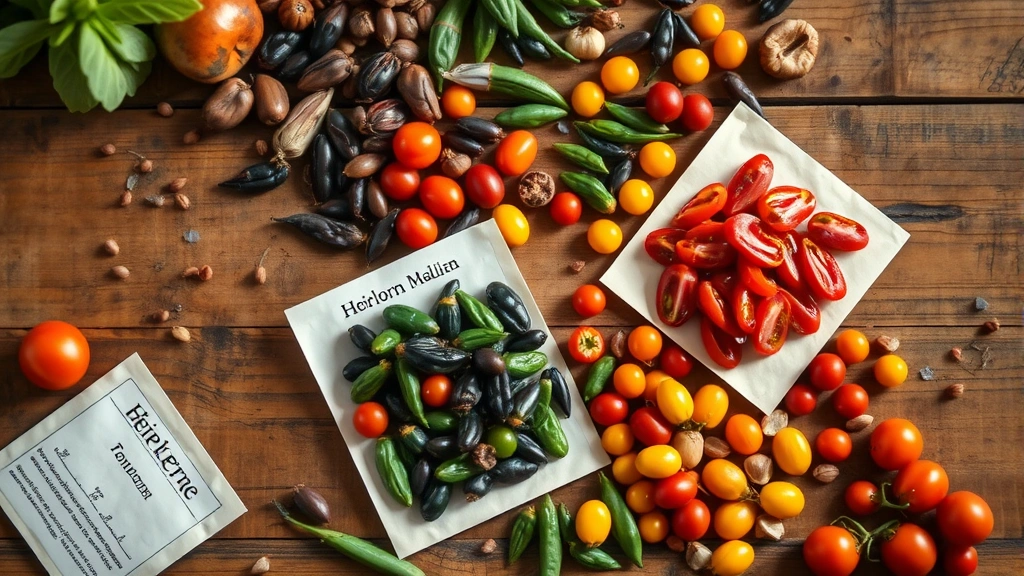
Growing from seeds is one of the most economical ways to populate your garden. A single seed packet costs between one and three dollars and produces dozens of plants, whereas buying pre-grown seedlings from nurseries can cost three to five dollars per plant. When you’re starting your gardening journey, prioritizing seeds makes an enormous financial difference.
Most vegetable seeds remain viable for multiple years when stored properly in cool, dry conditions. This means your initial investment in seed packets pays dividends year after year. Tomatoes, peppers, lettuce, beans, squash, and cucumbers are particularly cost-effective from seed. You’ll save substantially compared to purchasing transplants, and you’ll have far greater variety available than typical garden centers stock.
Starting seeds indoors requires minimal equipment. Use yogurt cups, newspaper pots, or egg cartons as seed-starting containers with drainage holes poked in the bottom. Fill them with a homemade seed-starting mix using equal parts compost, perlite or coarse sand, and peat moss or coconut coir. This costs a fraction of commercial seed-starting mix prices, especially when you’re starting large quantities.
Cold-hardy crops like cabbage, broccoli, and kale can be direct-seeded outdoors after your last frost date, eliminating the need for indoor starting altogether. Warm-season crops benefit from indoor starting six to eight weeks before your last spring frost, giving them a competitive advantage while you’re still spending minimally.
Repurpose Household Items as Garden Containers
Before purchasing expensive pots and planters, explore what you already have at home. Five-gallon buckets from restaurants or bakeries, plastic milk jugs, wooden crates, old bathtubs, and broken wheelbarrows all make excellent garden containers when drainage holes are added. Many restaurants give away food-grade buckets for free or minimal cost—just ask the bakery or deli department.
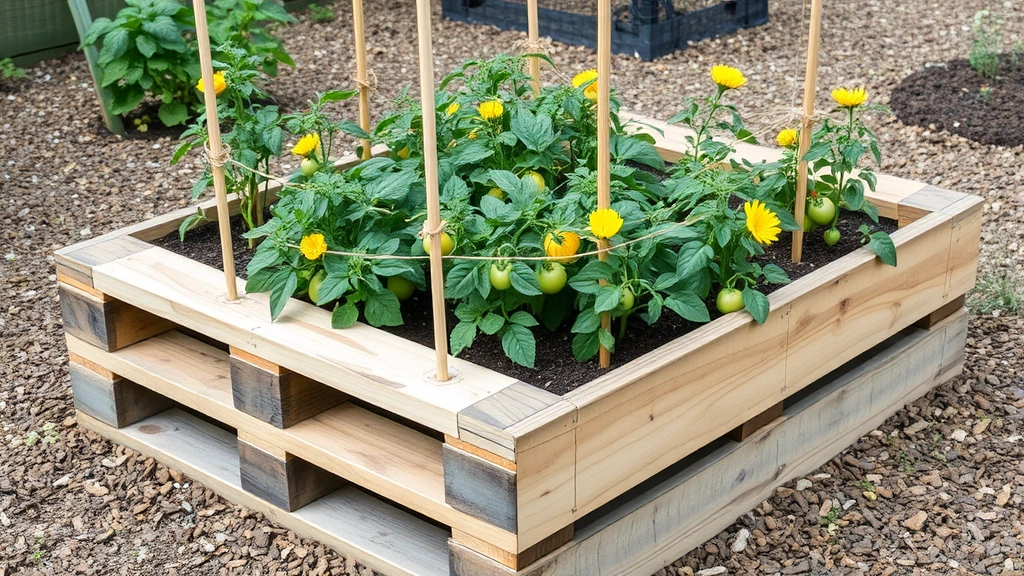
Wooden pallets create raised beds or vertical gardens with minimal investment. Check with local warehouses, construction sites, or shipping companies for free pallets. Avoid pallets marked with “MB” (methyl bromide), but those stamped “HT” (heat-treated) are safe for food gardens. Line the interior with landscape fabric to prevent soil loss while maintaining drainage.
When you need proper garden pots and hanging baskets, purchase them strategically at end-of-season clearance sales. Many garden centers discount containers by fifty to seventy percent in late summer and fall. Cracked or slightly damaged pots work perfectly fine for gardening and cost even less.
Fabric grow bags made from recycled materials offer another budget option. You can create simple versions using burlap, old clothing, or canvas scraps. These breathable containers promote excellent root development and cost almost nothing if you use materials you already have on hand.
Build Free or Cheap Compost
Compost is gardening’s black gold, and you can create unlimited quantities for free. Collect kitchen scraps including vegetable peels, fruit waste, coffee grounds, and eggshells. Add brown materials like shredded leaves, newspaper, cardboard, and grass clippings. Layer these materials in a simple bin made from pallets or wire fencing, and within six months to a year, you’ll have rich, dark compost worth hundreds of dollars if purchased commercially.
Don’t purchase a fancy compost bin. A simple three-by-three-foot enclosure made from pallets, chicken wire, or concrete blocks works beautifully. Many municipalities offer free compost to residents, so check your local waste management program. Some neighborhoods have community compost programs where you can contribute scraps and receive finished compost.
Fall is prime time for free compost materials. Collect bagged leaves from your neighbors’ curbs before trash pickup. Shred these leaves with a mower and layer them with grass clippings and kitchen scraps. By spring, you’ll have finished compost to amend your garden beds without purchasing a single bag of commercial soil amendment.
Grass clippings from untreated lawns, straw from livestock operations, and wood chips from tree service companies provide excellent mulch and compost ingredients. Contact local arborists or tree removal services—they often deliver wood chips free because disposing of them costs them money.
Create DIY Garden Supports and Structures
Professional tomato cages and plant supports cost five to fifteen dollars each, but you can create sturdy alternatives for almost nothing. Branches from pruning projects, bamboo stakes salvaged from old garden projects, and twine create effective plant supports. Weave a simple lattice from branches to support climbing beans and peas.
For garden tomato supports, create sturdy cages from concrete reinforcing wire, or use sturdy branches lashed together with natural twine. Old ladder sections, driftwood, and fallen branches all function as trellises for climbing crops. Train vining plants vertically to maximize space and improve air circulation while using materials that cost nothing.
Cold frames for season extension can be built from old windows, storm windows, or clear plastic sheeting over a simple wooden frame. These extend your growing season significantly without requiring expensive commercial structures. A cold frame built from reclaimed materials might cost five to ten dollars total while providing months of season extension benefits.
Drip irrigation systems don’t require expensive commercial kits. Soaker hoses can be connected to regular outdoor faucets using free or cheap connectors. Alternatively, create a simple drip system by punching small holes in old hoses or PVC pipes salvaged from construction sites.
Source Free Mulch and Amendments
Mulch is essential for moisture retention and weed suppression, yet commercial mulch costs add up quickly. Free alternatives include shredded leaves, grass clippings, wood chips from tree services, straw, and cardboard. Cardboard from appliance boxes or online deliveries creates an excellent weed barrier under other mulches.
Contact local tree removal companies and ask about free wood chips. Many arborists are thrilled to unload chips rather than transporting them. You might receive several cubic yards delivered free. Fresh chips break down quickly, improving soil structure while suppressing weeds.
Newspaper and cardboard suppress weeds effectively when layered under other mulches. The ink is generally safe for food gardens, and these materials decompose, adding organic matter to your soil. Wet the cardboard before laying it to prevent it from blowing away.
Leaves represent a treasure trove of free soil amendment. Shred them with a mower and layer them directly into garden beds in fall. By spring, they’ll have decomposed significantly, enriching your soil with organic matter and improving structure. This single practice can reduce or eliminate your need for purchased soil amendments.
Choose High-Yield, Budget-Friendly Crops
Maximize your garden’s productivity by growing crops that produce abundantly and cost significant money at grocery stores. Tomatoes, peppers, zucchini, beans, lettuce, and herbs offer exceptional value. A single tomato plant produces dozens of fruits worth fifteen to thirty dollars retail. Zucchini plants yield prolifically—often more than you can eat.
When starting your flower garden, prioritize self-seeding varieties that return year after year without replanting. Cosmos, marigolds, zinnias, and sunflowers reseed freely, reducing your annual seed purchases to nearly nothing after the initial investment.
Perennial vegetables like asparagus, artichokes, and rhubarb require upfront investment but produce for years with minimal ongoing costs. A single asparagus bed planted once provides harvests for twenty years. Though initial establishment takes patience, the long-term savings are substantial.
Herbs represent tremendous value. A single basil plant costs three dollars but provides more leaves than you’d purchase for ten to fifteen dollars at grocery stores. Mint, parsley, oregano, and thyme grow prolifically from tiny plants. Once established, many herbs self-seed or regrow from roots year after year.
Leafy greens like lettuce, spinach, and kale grow quickly from cheap seeds and provide multiple harvests throughout the season. A single seed packet costing two dollars produces fifty or more plants worth fifty dollars or more retail. These cool-season crops extend your productive season into spring and fall.
Collect and Save Your Own Seeds
Once your garden produces, save seeds from the healthiest, most productive plants. Open-pollinated and heirloom varieties produce seeds that grow true to type. Hybrid plants produce seeds, but offspring won’t match the parent plant. Tomatoes, beans, peas, lettuce, and squash are particularly easy to save seeds from.
Let a few plants go past harvest maturity to produce seeds. Tomato seeds require fermentation—scoop seeds into a jar with a little water, let them ferment for three days, then rinse and dry. Bean and pea seeds simply dry on the plant; harvest when pods brown and become papery.
Store dried seeds in envelopes labeled with variety and date, kept in a cool, dry location. Properly stored seeds remain viable for years. By the second season, you’re growing entirely from free seeds you saved, reducing your seed budget to almost nothing. This practice also creates seeds perfectly adapted to your local climate.
Share seeds with fellow gardeners. Seed swaps and gardening groups exchange seeds, multiplying your variety without spending money. Many communities host annual seed swaps where gardeners trade their saved seeds.
Time Your Purchases Strategically
Successful budget gardeners understand seasonal pricing patterns. Purchase garden tools and supplies in late summer and fall when garden centers clear inventory before winter. End-of-season sales offer savings of fifty to seventy percent on everything from seeds to structures.
Spring sales occur after the main rush, typically in late May or June. Plant prices drop significantly as garden centers make room for new inventory. This is ideal timing to purchase perennials, shrubs, and specialty plants at discounted prices.
Watch for holiday sales around Memorial Day, Fourth of July, and Labor Day. Many retailers discount garden supplies during these periods. Sign up for nursery email lists to receive advance notice of sales.
Buy dormant plants rather than actively growing ones. A bare-root rose costs five dollars but would cost twenty dollars as an established potted plant. Dormant fruit trees, berries, and perennials offer exceptional value when purchased during their dormant season.
Consider buying seeds in bulk with other gardeners. Splitting seed packets among several gardeners dramatically reduces per-person cost. Online seed companies sometimes offer bulk discounts on larger orders.
For growing pumpkins and other seasonal crops, purchase seeds well in advance during winter sales when availability is highest and prices lowest. Waiting until spring when demand peaks means fewer variety options and higher costs.
FAQ
What’s the cheapest way to start a vegetable garden?
Begin with seeds in repurposed containers filled with homemade compost. Grow high-yield vegetables like tomatoes, zucchini, and beans. Mulch with free materials like shredded leaves or wood chips. This approach costs under fifty dollars for a productive first-season garden.
Can I really grow a garden for free?
Almost free is more realistic than completely free, but many aspects are genuinely free. Free materials include wood chips, leaves, compost, and reclaimed containers. You’ll invest minimally in seeds and perhaps some tools, but the garden itself can largely be built from free resources.
How much does it cost to grow vegetables at home?
A modest home vegetable garden costs between thirty and one hundred dollars in the first year, then drops to ten to twenty dollars annually for seeds and amendments. Home-grown vegetables cost a fraction of grocery store prices, especially high-value crops like tomatoes and peppers.
What vegetables should I grow if I’m on a tight budget?
Prioritize tomatoes, zucchini, beans, peppers, lettuce, and herbs. These offer exceptional value, producing abundantly from inexpensive seeds. They’re also costly at grocery stores, making home production particularly worthwhile financially.
Where can I get free gardening materials?
Check local Facebook groups, Craigslist, and Nextdoor for free pallets, containers, and mulch. Contact tree removal services for free wood chips. Ask restaurants for five-gallon buckets. Collect leaves from neighbors in fall. These sources provide most materials needed to build a garden for minimal cost.
Is it cheaper to grow from seeds or buy plants?
Growing from seeds costs roughly one-tenth as much as buying established plants. A three-dollar seed packet produces fifty to one hundred plants, whereas purchasing plants costs three to five dollars each. Seeds are significantly more economical for budget gardeners.
What’s the best budget-friendly soil for containers?
Make your own by combining equal parts compost, perlite or coarse sand, and peat moss or coconut coir. This costs one-third to one-half the price of commercial potting mix. Free compost makes it even cheaper. This simple recipe works beautifully for all container gardening.


