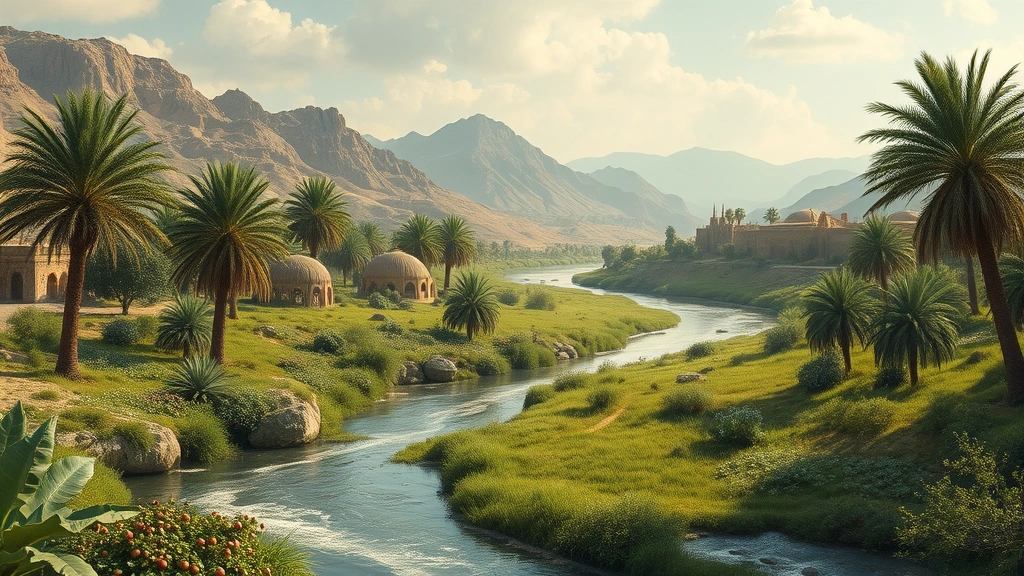
The Garden of Eden represents one of history’s most profound and debated locations, capturing the imagination of theologians, archaeologists, and gardeners alike. While the biblical narrative describes a paradise filled with lush vegetation and abundant life, pinpointing its exact geographical location has remained an elusive quest for centuries. This exploration into historical, archaeological, and textual evidence reveals how scholars have attempted to reconstruct where this legendary garden may have flourished, drawing connections to real-world horticultural landscapes that echo Eden’s description.
Understanding the Garden of Eden’s potential location requires examining ancient texts, geographical markers, and archaeological discoveries across the Middle East and beyond. The journey to find Eden is not merely academic—it connects us to fundamental questions about human origins, cultivation, and our relationship with the natural world. For modern gardeners, this historical inquiry offers fascinating insights into ancient agricultural practices and the plants that may have thrived in paradise.
Biblical Geographical Clues and River Systems
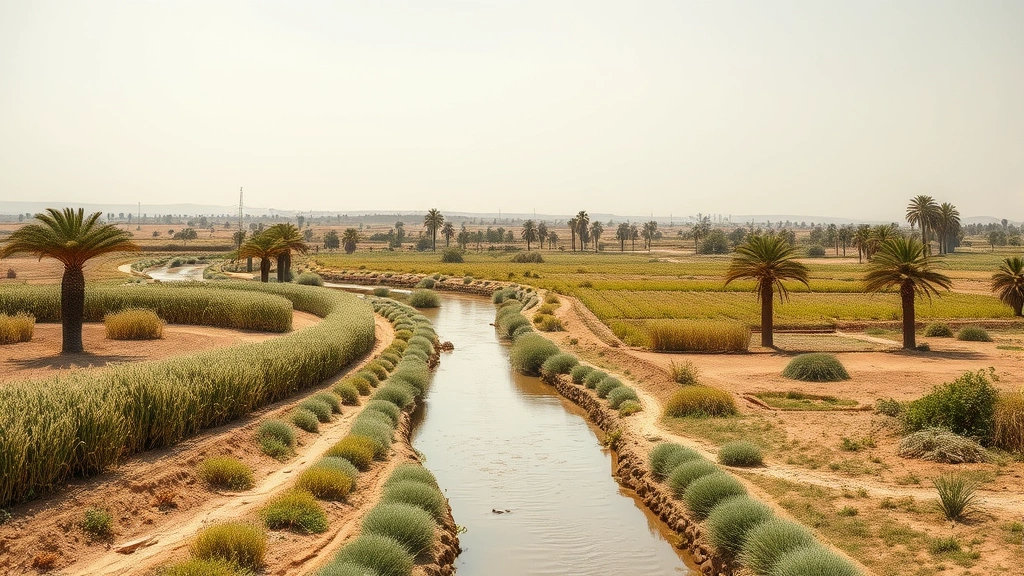
The Book of Genesis provides the primary textual foundation for locating the Garden of Eden. Genesis 2:10-14 describes a river flowing out of Eden that divided into four headwaters: the Pishon, Gihon, Tigris (Hiddekel), and Euphrates. This geographical description has guided scholars for millennia in their attempts to identify Eden’s location. The mention of two rivers that we can definitively identify—the Tigris and Euphrates—anchors the search to Mesopotamia, the region between these two great rivers in what is now Iraq, Syria, and Turkey.
The biblical text also indicates that the garden was planted “eastward in Eden,” suggesting a specific directional orientation. Additionally, Genesis describes the garden as containing trees pleasant to the sight and good for food, with the tree of life in the midst of the garden and the tree of knowledge of good and evil. These botanical references hint at a location with diverse vegetation and abundant water sources—characteristics essential for any thriving garden preparation and soil conditions.
The Tigris and Euphrates rivers remain the most geographically verifiable landmarks in the Eden account. Ancient Mesopotamian texts and inscriptions confirm these river names and their significance in early human civilization. The region’s historical importance as a cradle of agriculture and urban development makes it a compelling candidate for Eden’s location, as this area witnessed some of humanity’s earliest gardening and cultivation efforts.
The Mesopotamian Theory and Ancient Sumer
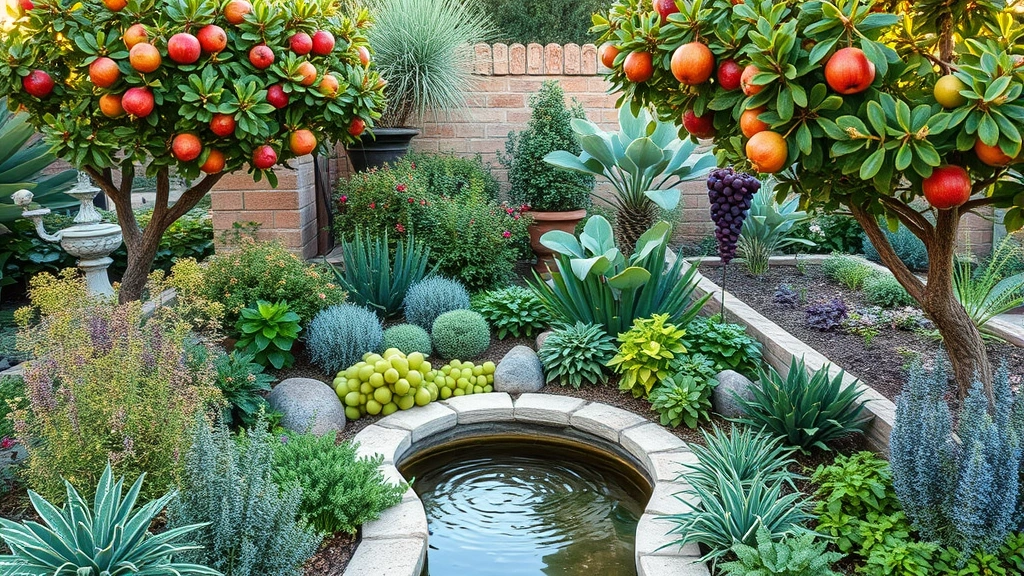
The Mesopotamian hypothesis represents the most widely accepted scholarly theory regarding Eden’s location. This region, often called the “Fertile Crescent,” encompasses the land between the Tigris and Euphrates rivers, where ancient Sumer flourished around 3500 BCE. Scholars point to the abundance of water, the rich alluvial soil deposited by annual flooding, and the remarkable agricultural productivity of this region as strong indicators that it could have been the historical Eden.
Ancient Sumerian texts, including the Sumerian King List and various cuneiform inscriptions, reference a primordial paradise or golden age before the great flood. Some researchers suggest these Mesopotamian accounts may derive from or relate to the same historical memory preserved in the Genesis narrative. The region’s early development of irrigation systems, crop cultivation, and organized settlements demonstrates advanced horticultural knowledge that could reflect practices originating in a legendary paradise garden.
The city of Uruk, one of ancient Sumer’s greatest cities, was known for its gardens and agricultural innovations. Archaeological evidence shows that Sumerians cultivated date palms, barley, wheat, and various vegetables—crops that would have thrived in Eden’s described environment. The Sumerian understanding of gardening fundamentals and cultivation techniques suggests deep horticultural knowledge accumulated over generations, possibly stemming from ancestral practices in a more paradise-like setting.
However, some scholars note that the lower Mesopotamian plain, while fertile, required extensive irrigation and management to prevent flooding—conditions that seem at odds with the effortless abundance described in Genesis. This has led some researchers to propose locations further north, in the Armenian highlands or upper Mesopotamia, where natural conditions might more closely match the biblical description of a garden requiring less human intervention.
Alternative Locations: From Armenia to East Africa
Beyond Mesopotamia, various scholars have proposed alternative locations for the Garden of Eden, each with supporting arguments. The Armenian highlands, particularly around Mount Ararat, have attracted considerable attention. This mountainous region sits at the headwaters of major river systems and contains diverse vegetation zones. Some researchers suggest the four rivers mentioned in Genesis could correspond to rivers originating in or near the Armenian plateau, including the Euphrates, which indeed originates in eastern Turkey near Mount Ararat.
The Armenian hypothesis gains support from historical and religious traditions. Ancient Armenian texts and traditions associate the region with primordial paradise, and the area’s geographical features—mountains, valleys, diverse plant life, and abundant water sources—align with descriptions of a lush, well-watered garden. The region’s role in early human development and agriculture supports this theory, as the Armenian highlands were among the first areas where humans domesticated plants and animals.
Other scholars have proposed locations as diverse as the Persian Gulf region, the Nile Delta in Egypt, and even East African highlands. The East African hypothesis suggests Eden might have been located in Ethiopia or Kenya, where humanity’s earliest ancestors evolved and where diverse plant and animal species continue to thrive. These alternative theories often emphasize the symbolic rather than strictly geographical nature of Eden, viewing it as representing humanity’s ancestral homeland rather than a specific, precisely locatable place.
The Persian Gulf theory, advanced by some scholars, suggests that before the last ice age ended and sea levels rose, Eden might have been located in what is now the submerged continental shelf of the Persian Gulf. This theory proposes that a fertile valley, watered by the Tigris, Euphrates, and other rivers, existed in this region before being inundated by rising waters around 8000 BCE. While intriguing, this theory remains speculative and lacks definitive archaeological evidence.
Archaeological Evidence and Modern Discoveries
Archaeological investigations in Mesopotamia have uncovered evidence of early human settlement, agriculture, and civilization that illuminates the historical context of the Eden narrative. The site of Tell Ubaid and other Mesopotamian settlements show evidence of sophisticated agricultural practices dating back thousands of years. These discoveries demonstrate that the region possessed the environmental conditions and human knowledge necessary to support the kind of productive garden described in Genesis.
Excavations at sites like Jericho and other Levantine locations have revealed some of humanity’s earliest agricultural settlements, where people transitioned from hunting and gathering to cultivating crops. These archaeological discoveries show that the Near East was indeed the cradle of agriculture, supporting the theory that Eden, if historically based, would have been located in this region where farming began.
Recent satellite imagery and geological surveys have provided new tools for investigating ancient landscapes. Researchers have used these technologies to identify ancient river courses, trace water systems, and understand how geographical features have changed over millennia. These modern investigative methods continue to refine our understanding of where ancient civilizations flourished and where the conditions described in the Eden account might have existed.
The discovery of the Epic of Gilgamesh and other ancient Mesopotamian texts has provided comparative material for understanding how ancient cultures remembered and recorded their history. These texts contain flood narratives and references to paradise that scholars compare with the Genesis account, suggesting shared historical memories or cultural exchanges among ancient Near Eastern peoples. Such discoveries enhance our appreciation for how different cultures preserved and transmitted knowledge about their ancestral lands and early development.
Plants and Vegetation of the Proposed Eden
Understanding the plant life of ancient Mesopotamia and surrounding regions provides clues about what vegetation might have characterized the Garden of Eden. The region supported date palms, fig trees, pomegranates, grapes, wheat, barley, and numerous other plants that remain important to Middle Eastern agriculture today. The biblical description of trees “pleasant to the sight and good for food” aligns remarkably well with the actual flora of ancient Mesopotamia and the Levant.
Date palms, in particular, held special significance in ancient Near Eastern cultures. These trees provided food, shade, and materials for construction and weaving. Their presence in Mesopotamia and other proposed Eden locations suggests they could have been among the “trees of the garden.” Similarly, fig trees appear frequently in biblical narratives and archaeological evidence, suggesting their importance in the diet and culture of ancient Near Eastern peoples.
The biblical mention of spices, particularly in connection with the rivers flowing from Eden, suggests aromatics like cinnamon, frankincense, and myrrh. These valuable trade goods originated in regions accessible from Mesopotamia and the Arabian Peninsula, indicating that the Eden narrative may incorporate knowledge of plants and resources from a wider geographical area than a single location.
Modern gardeners interested in recreating an Eden-inspired landscape might consider growing plants documented in ancient Mesopotamia and biblical texts. Herb gardens featuring sage and other ancient herbs connect us to practices that may stretch back to paradise itself. Creating cottage garden designs with historical plants or gourmet gardens with fruit-bearing trees allows contemporary gardeners to echo the abundance and diversity of Eden’s vegetation.
Creating Your Own Eden: Garden Design Inspiration
While the historical Garden of Eden remains tantalizingly elusive, its description provides excellent inspiration for modern garden design. The concept of a well-watered, abundant garden filled with diverse plants, trees bearing fruit, and carefully arranged vegetation translates beautifully into contemporary landscaping principles. Creating your own Eden-inspired garden involves understanding the environmental conditions that make gardens thrive and selecting plants that echo the abundance and diversity of the legendary paradise.
Begin by ensuring adequate water sources, as the biblical Eden was characterized by a river and abundant moisture. Modern irrigation systems, water features, or strategic placement near natural water sources can recreate this essential element. Consider the microclimate of your garden space, identifying areas with varying sun exposure and moisture levels to accommodate different plant communities, much as Eden’s diverse vegetation suggests different ecological zones.
Select a diverse palette of plants including fruit-bearing trees, flowering plants, herbs, and vegetables. Pomegranates, figs, date palms (in appropriate climates), grapes, and apple trees provide both beauty and sustenance. Underplant with herbs and vegetables to create layers of interest and productivity. This approach reflects the biblical description of a garden offering food and aesthetic pleasure simultaneously.
Incorporate shade structures and seating areas where you can enjoy your garden’s abundance, as the Eden narrative suggests a place of rest and pleasure. Pathways winding through different garden zones create a sense of discovery and exploration. Water features—fountains, streams, or ponds—echo the river flowing from Eden and provide both practical benefits and spiritual resonance.
Consider the seasonal rhythms of your garden, as Eden’s eternal spring or year-round productivity might be approximated through careful plant selection and succession planting. Choose plants that extend your garden’s productive and beautiful seasons as much as possible. Research container growing techniques for fruit-bearing plants to expand your options regardless of climate zone.
The Eden-inspired garden ultimately represents humanity’s deepest desire to create spaces of beauty, abundance, and harmony with nature. Whether or not scholars ever definitively locate the historical Garden of Eden, its enduring image continues to inspire gardeners to cultivate spaces that nourish both body and soul.
FAQ
Where is the Garden of Eden most likely located?
Most scholars favor the Mesopotamian region between the Tigris and Euphrates rivers in modern-day Iraq and Syria. The abundant water, fertile soil, and early agricultural development of this region align with the biblical description. However, alternative theories propose the Armenian highlands or other Near Eastern locations.
What archaeological evidence supports Eden’s location?
Archaeological discoveries in Mesopotamia reveal early agricultural settlements, sophisticated irrigation systems, and evidence of the diverse plant cultivation that matches the Eden narrative. The region’s role as humanity’s cradle of agriculture supports theories placing Eden there.
Are the four rivers of Eden identifiable?
The Tigris and Euphrates are clearly identifiable in the biblical account. The Pishon and Gihon remain unidentified with certainty, though scholars have proposed various identifications. This ambiguity has fueled alternative location theories.
What plants grew in the ancient Near East?
Date palms, fig trees, pomegranates, grapes, wheat, barley, and various herbs and vegetables grew throughout ancient Mesopotamia and surrounding regions. These plants align with the biblical description of Eden’s vegetation.
Can I create an Eden-inspired garden today?
Absolutely. Focus on abundant water sources, diverse fruit-bearing trees, herbs, vegetables, and shade structures. Select plants suited to your climate that echo ancient Near Eastern flora. This creates a beautiful, productive garden inspired by paradise.
What do ancient Mesopotamian texts say about paradise?
Sumerian and other Mesopotamian texts reference a primordial golden age and describe paradise-like conditions. Some scholars believe these accounts relate to the same historical memories preserved in the Genesis narrative.


